Eschaton
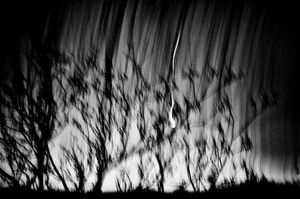
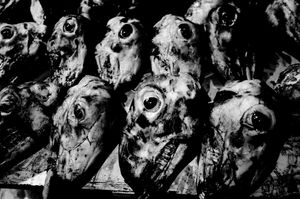
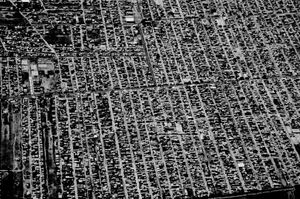
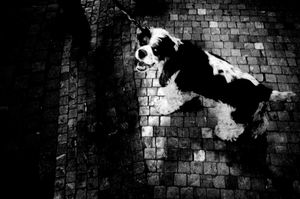
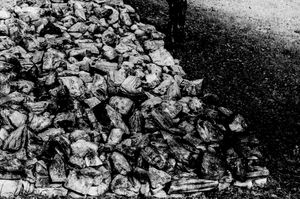
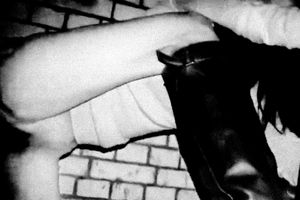
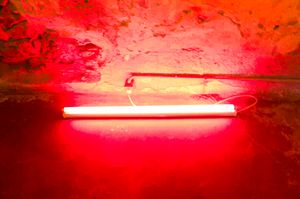
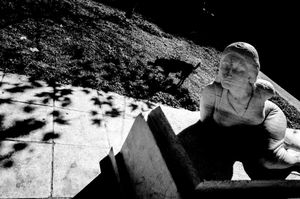
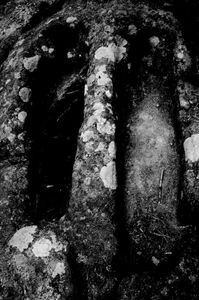
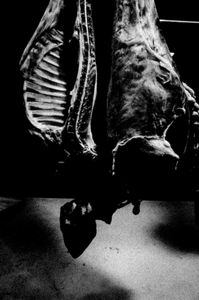
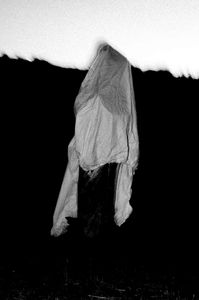
“It happened that a fire broke out backstage in a theater. The clown came out to inform the public. They thought it was a jest and applauded. He repeated his warning. They shouted even louder. So I think the world will come to an end amid the general applause from all the wits who believe that it is a joke.” ― Søren Kierkegaard The life of the human species is on borrowed time. We need to understand this, not just know it. Non-being has become a probable eventuality. The time horizon is now the time we have left. Auschwitz, Hiroshima and Nagasaki marked the beginning of the time of the end, a temporality unprecedented in the history of mankind. The era initiated by Little Boy requires us to make an effort of imagination to think the worst, to perceive the superimposition of nothingness in the being whose presence is spread out before our eyes. It is a question of thinking this time of the end to avoid the end of time. Paradoxically, it is a step aside that allows this frontal view: the shift of the photographic view joins here the philosophical marginality; both combine amazement in front of life and questioning of its meaning, converging towards the same ethical commitment for the future.
No categories selected
Photos (20)