The Life of Tea
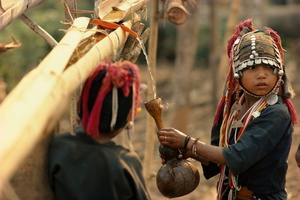
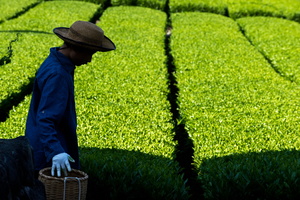
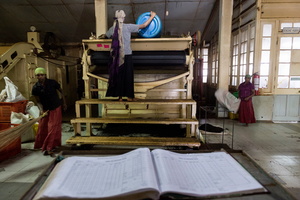
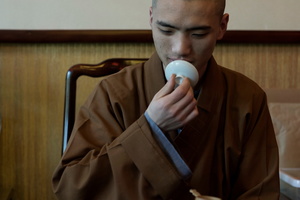
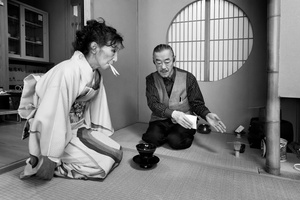
It's the most consumed beverage in the world (not counting water), but for most people outside of East Asia it's simply a cheap caffeine drink, usually in the form of dust in a tea bag. In tea's Asian heartlands, however, it's a different story. In the tea mountains of China, Taiwan and Japan, it's a plant with deep ties not just to the economy, but to ethnobotany and culture. Tea touches the lives of many people: hill-tribes who have been growing forest tea for millennia, artisan growers tending tiny pockets of land, Tamil workers on Sri Lankan estates, connoisseurs who can pay up to a million yuan ($150,000) for a 330 gram cake of rare aged Pu'er, Zen Buddhist monks who take it to aid meditation, Japanese chado masters....
No categories selected
Photos (21)