Visual Storytelling Awards 2015
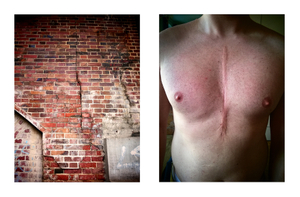
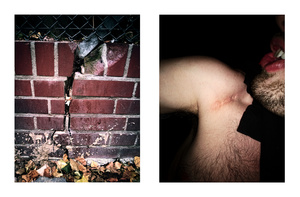
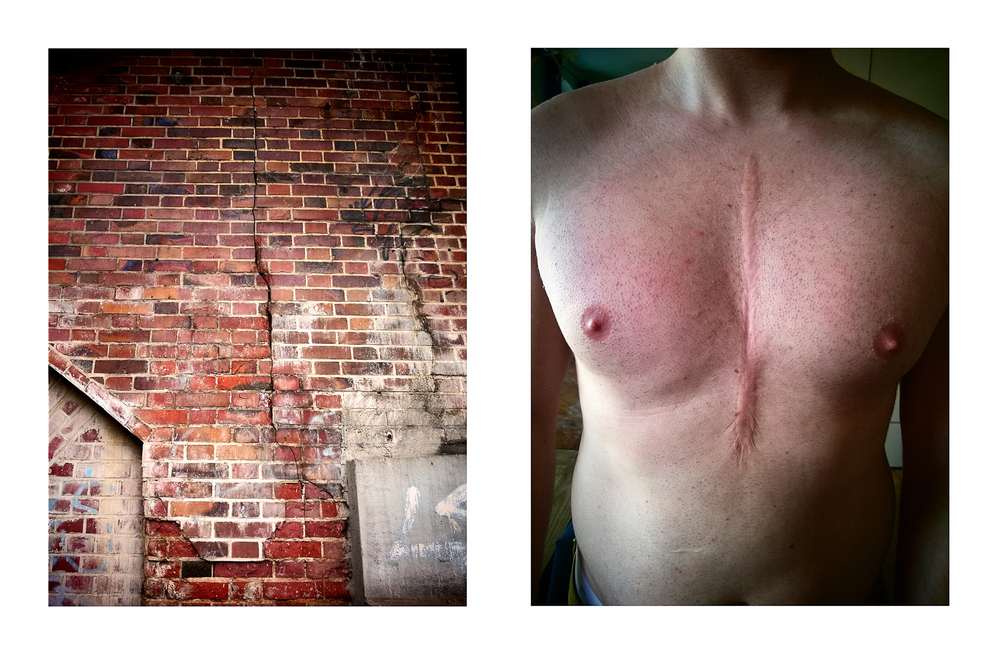
Scars go deep. Although, they might seem superficial--because they appear on the surface of our skin--they dwell deep in the root of our character and in our memories. Scars have life-lasting effect, similar to Proust's Madeleine; they take us back in time to the precise moment when our misfortune took place, and carry us through the process of accepting and transcending our delicate former state. In many respects, scars play a significant role in defining our character. Because 99.9% of our scars appear from some form of distress, they're a measure of how we cope with the imperfections of our selves, and how we stand strong against the burdens and fallacies of being part of mankind. Scars are physical, evident proof that we have fallen, but they're also a testimony of how much we have grown. Scars determine our personal character because they confront us with our inconvenient and unfortunate past; scars link the present with the past. But scars, and their effects and processes, don't necessarily need to be applied only to people or living things; scars can also form in a growing organism with an extensive history, for example, scars can form in cities. Cities have names. Cities develop an identity of their own. Cities are born, grow, adapt, and mature just like people do, but a longer amount of time is required. Of course, this has everything to do with the fact that a city is comprised, primarily, of people. So, it's reasonable to acknowledge that the scars of a city derive from the scars of its citizens or, that the scars of a city resonate in depth within its population and have enduring effects. Scars are as intimate as our memories; they show and reveal secrets from our past. I collect scars because they’re universal, making it easy for us to sympathize. I collect scars because they speak volumes about our natural fragility and the strength of our souls. I collect scars because Berlin is a city filled with scars, scars that it’s trying to outgrow.
No categories selected
Photos (5)