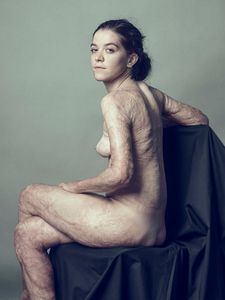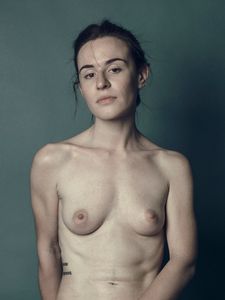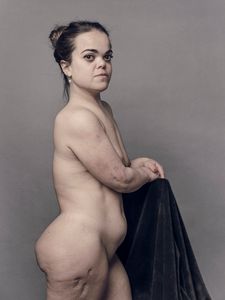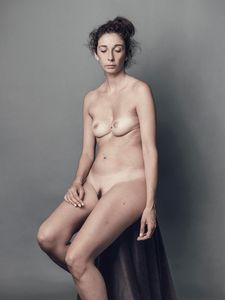

My name is not Eve
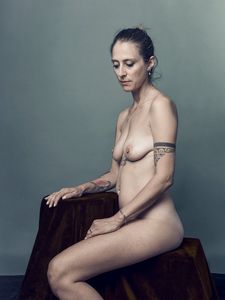
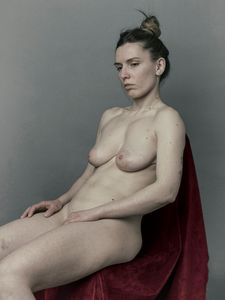
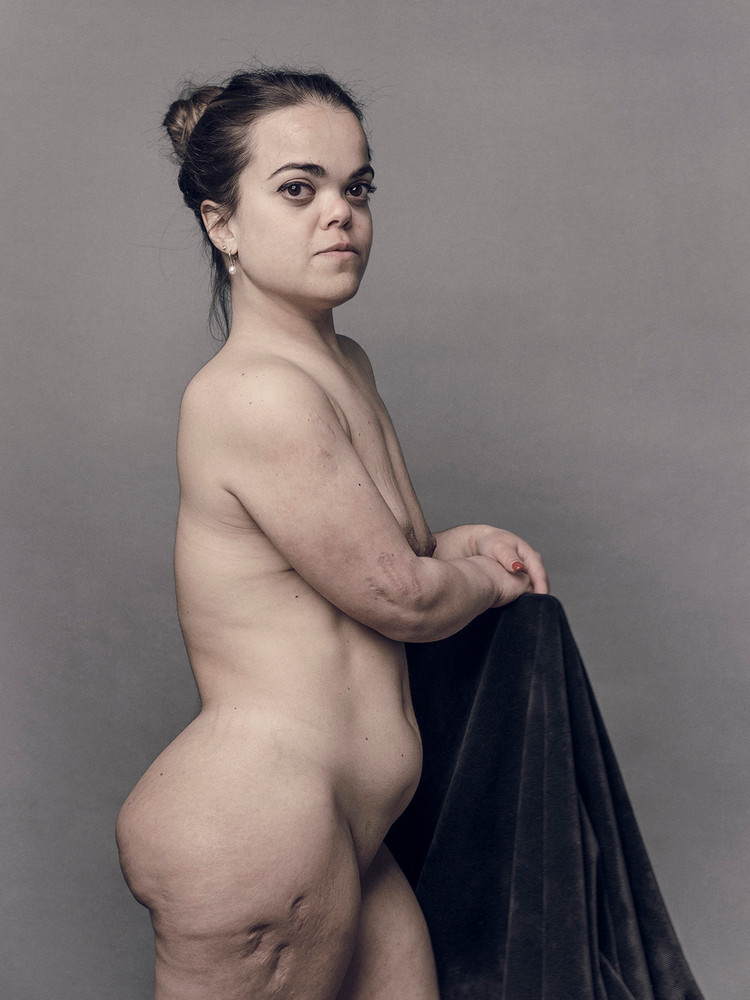
The relationship with the naked body has lost all its connection with the divine dimension of Eden. Before the original sin, man and woman wore the “garment of grace”, the glorious body of creation. Nakedness was neither beauty nor fascination. Least of all embarrassment. With the fall of innocence, when “their eyes were opened, and they realised they were naked” (Gen. 3,7), the discovery of their own condition led them to cover themselves, condemning us all to vulnerability and sin. “My name is not Eve” is a work on the ancestral search for the innocence of the female figure. The freedom to inhabit one’s own body without guilt, to dress oneself in that light once possessed, and that today is only condemnation, prejudice, martyrdom. In my research, these women distance themselves from the Eve archetype, the one guilty of seduction and deceit. Their faces are honest, free of shame, veiled by the loneliness of incomprehension or directed towards self-affirmation. “My name is not Eve” wants to reaffirm that “being” has a birthright power that has nothing to do with appearing, showing off, or seeming. I am who I am!
No categories selected
Photos (15)