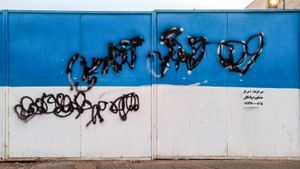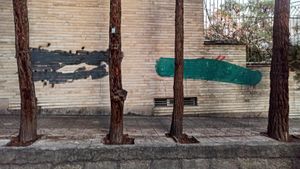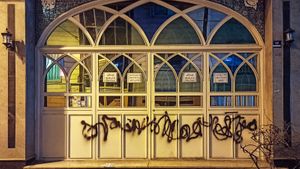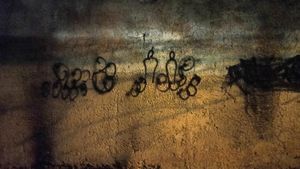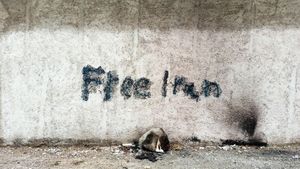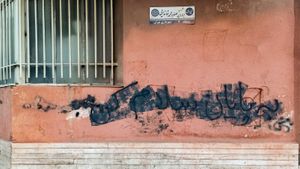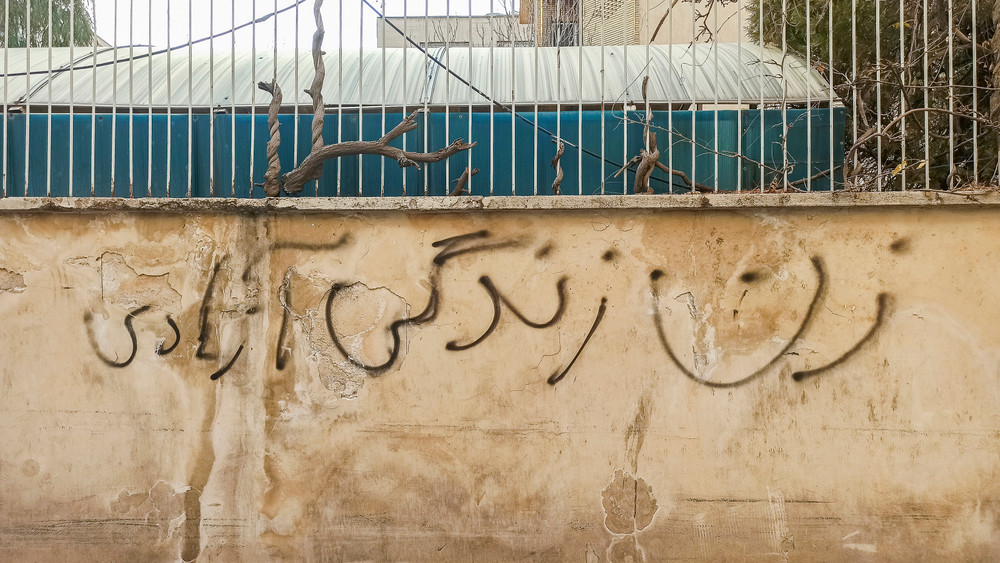

Walls in the revolution of "Woman, Life, Freedom"
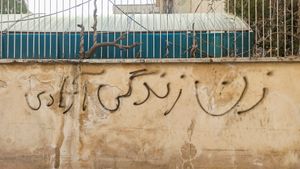
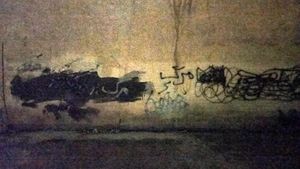
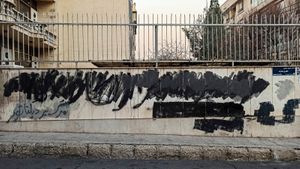
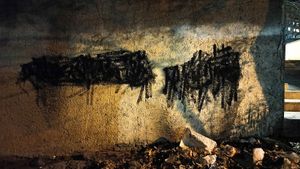
The altered graffiti of Tehran The day Mahsa (Jina Amini) came to Tehran, she had no idea that a popular uprising would begin in her name. The killing of Mahsa (Jina) Amini became a widespread wave of nationwide protests in Iran. 22-year-old Zina was a Kurdish girl who came from her hometown of Saqez in Kurdistan province for a short trip to Tehran, the capital of Iran. On September 13, she was arrested by the moral security agents of the Islamic Republic on the charge of what the Islamic Republic calls "bad hijab". Two hours after Jina Amini was arrested and transferred to the moral security police building, she was admitted to the intensive care unit of Kasra Hospital and died a few days later. The cause of her death was a severe blow to the skull and internal bleeding. The first protest gatherings against the murder of Mahsa (Jina) were formed around the Kasra hospital hours after the news of her death was published. Mahsa (Jina) Amini was buried in the morning of September 17, 2022 in the Aichi cemetery of her hometown, Saqez (Kurdistan province); Although the government tried to bury her at night without the presence of people. A large crowd from Kurdistan province and other cities of Iran attended his funeral. There, women took off their headscarves for the first time to protest the "mandatory hijab". They bravely chanted against compulsory hijab. In this ceremony, women chanted in Kurdish in praise of women and freedom, which became a lasting and effective slogan: "Jen, Xian, Azadi". Protest gatherings were not limited to Jina’s hometown and spread to other cities of Kurdistan province. The security forces of the Islamic Republic poured into the province of Kurdistan and the repression of the unarmed people began from here. Also, from the morning of September 17, students from the universities of Tehran, Mashhad and several other cities gathered and chanted the slogan "Women, Life, Freedom". A few days later, a call from Iranian women was published on social networks, inviting people to come to the streets and protest against the "mandatory hijab" and the murder of Jina Amini. These spontaneous gatherings were the beginning of the uprising of Iranian people, especially women, against the dictatorship of the Islamic Republic of Iran. Within a few days, public demonstrations spread in all 31 provinces of Iran and more than 100 cities, and Mahsa Amini's name broke the history of Twitter hashtags and has been used more than 300 million times on Twitter. This protest movement is one of the largest and most comprehensive protests that occurred during the lifetime of the regime of the Islamic Republic of Iran and all social and economic classes, different ethnicities and religious minorities are present in it. But what distinguishes "Gina Uprising" from previous movements is the strong presence of young women and girls, who are enthusiastic and courageous in the front lines of demonstrations and protests. Therefore, some analysts call it a women's revolution that can even inspire all women in the Middle East to achieve freedom and equality. Even the key slogan of this movement, "Woman, Life, Freedom", can be seen as expressing the desire of women who are considered second-class citizens in the Islamic Republic, do not have the same rights as men, and have always been ignored by the ideological and anti-feminist government of the Islamic Republic. The Islamic Republic filtered social networks to suppress people's voices. Many political activists, journalists and students were arrested for supporting protests and popular uprising. Also, thousands of protesting people were beaten and imprisoned in the worst possible way in street gatherings and many young people have been blinded by shotguns, more than 500 people have been killed across Iran, at least 64 of them are children and teenagers under 18 years of age. The Jina uprising was peaceful from the beginning and despite the systematic violence, torture and execution by the government of the Islamic Republic, the protesting people turned to various methods of struggle and civil disobedience, including a nationwide strike, nightly slogans against the leaders of the Islamic Republic, wall writing and distribution of leaflets and Evening news. Many Iranian protesters turned the walls into protest scenes. Slogans that were secretly written on the walls and billboards of the city gradually turned into a symbolic and effective movement to express protest. Because for the people who have no independent media and newspaper, no independent center and syndicate, and not even a stable and secure internet, the city walls are the freest platform to cry out. Protesters of Iran engrave their cry on the walls of the city and demand freedom and liberation from the religious dictatorship of the Islamic Republic. But the government of the Islamic Republic does not even tolerate these words. Protesters write slogans at night and the officers of the Islamic Republic erase them early in the morning or spray black paint on them. Although it seems that many people were hired just to erase people's protest from the wall, but the effect of the slogans even after being erased is encouraging for the protesters. Because it shows the useless effort of a government that cannot prevent freedom. These days, almost all the walls of small and big cities in Iran have become a permanent work of art of a united nation. These walls shout "No to execution", "Women, life, freedom" and "Death to the dictator". Even if these writings are blacked out, this blackness shows the power of the protesting people; The power of the freedom-loving people against a dictator who only deletes and sprays black paint to rule. Although almost one year have passed since Mahsa Amini's death and "Jina’s uprising", this civil movement has achieved important achievements, the most important of which is the universalization of the slogan "Women, Life, Freedom" and the voices of women who have been under oppressive laws for years in a patriarchal and anti-woman society. They fight to live a "normal" life and get equal rights. Considering the history of the Islamic Republic in the past decades, it seems that the revolution of the Iranian people will have a difficult and bloody road ahead, but in the end, freedom and equality will belong to the people who cry out to be freed from the clutches of tyranny and dictatorship. In the end, I pay tribute to all the victims of the Jinnah uprising who sacrificed their precious lives with the slogan Women, Life, Freedom" to get rid of oppression, inequality and tyranny. Also, I cherish the memory of all my sisters in the society, all the brave women who have fought against its petrifying and misogynistic policies since the very first days of the Islamic Republic.
No categories selected
Photos (10)