
JAPAN GUIDE BOOK
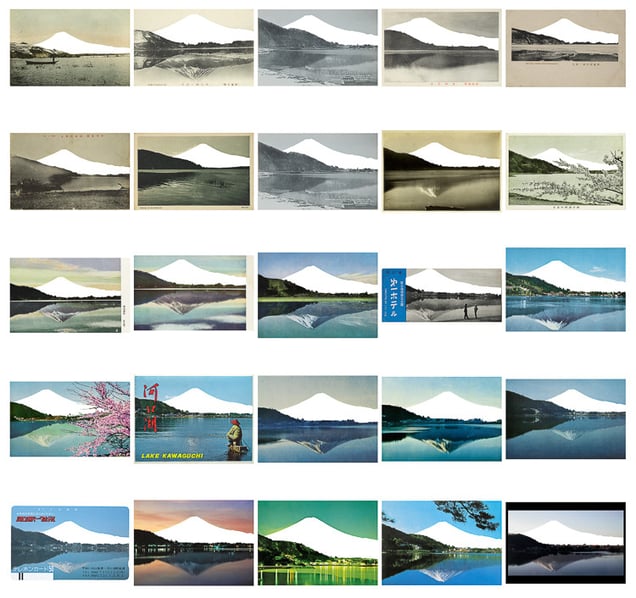
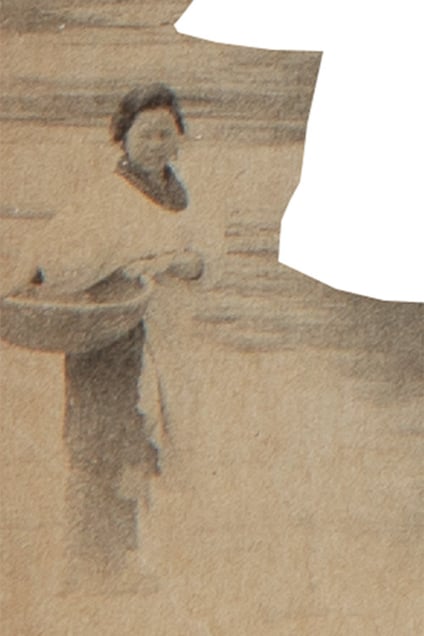
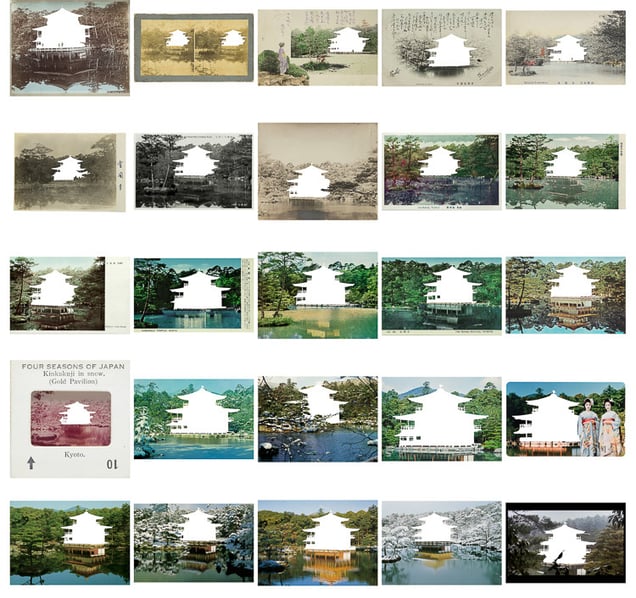
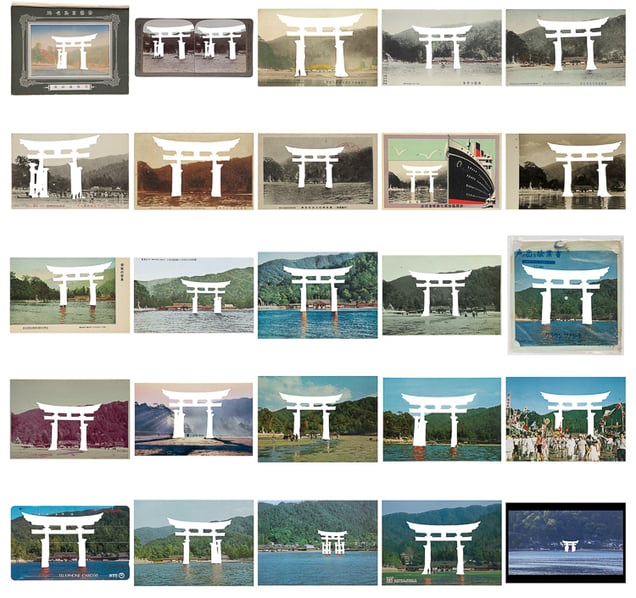
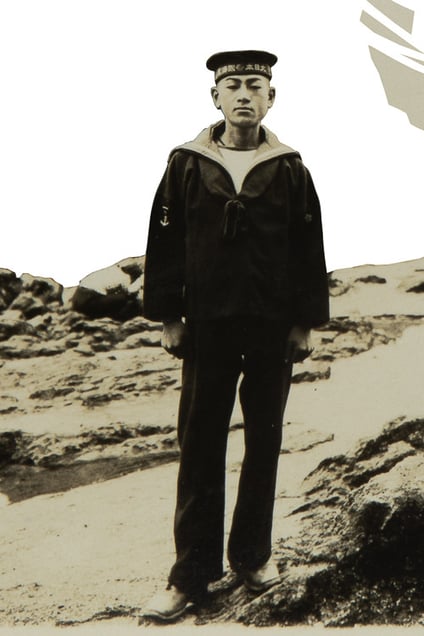
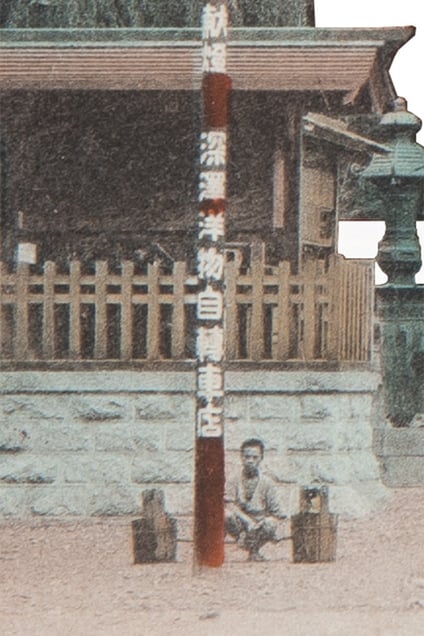
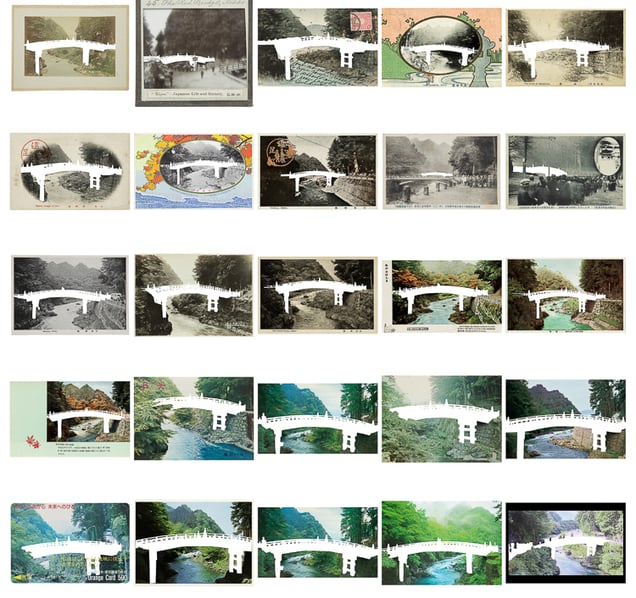
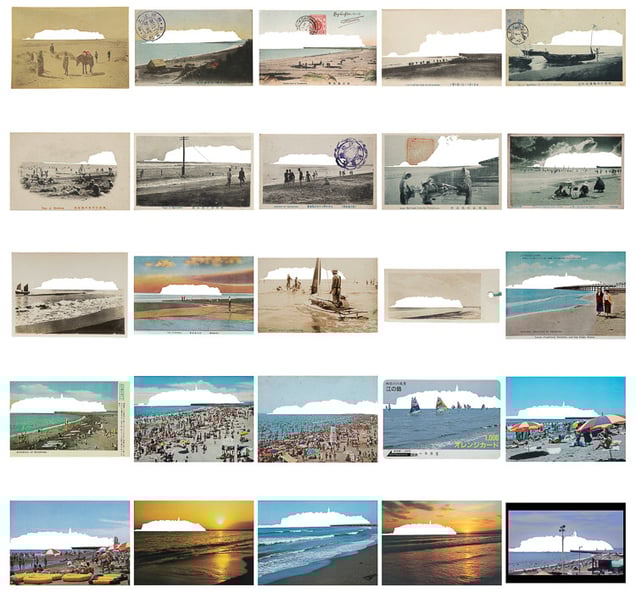
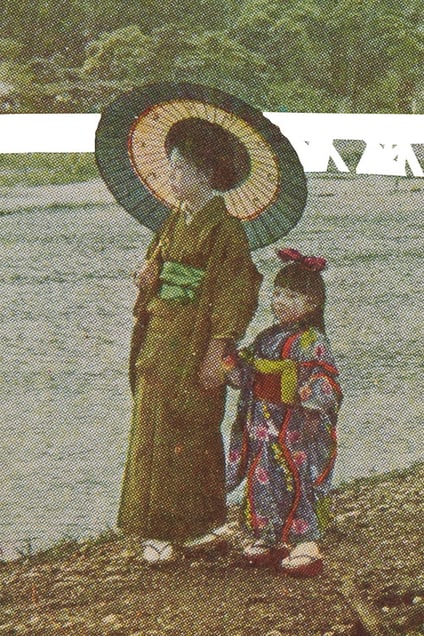
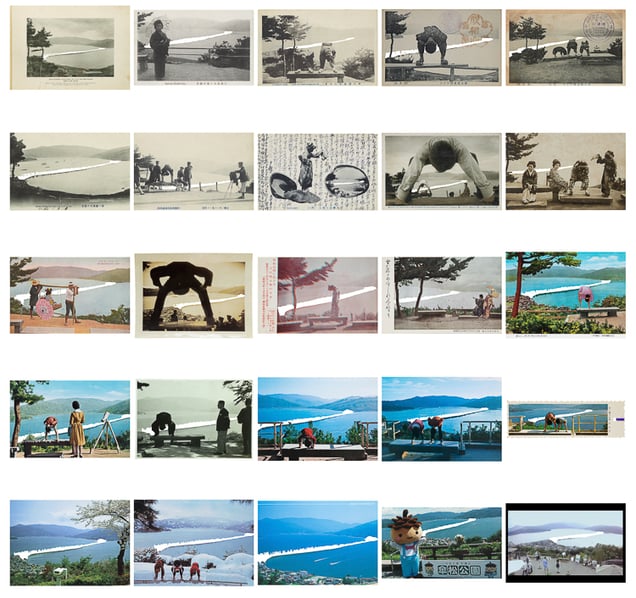
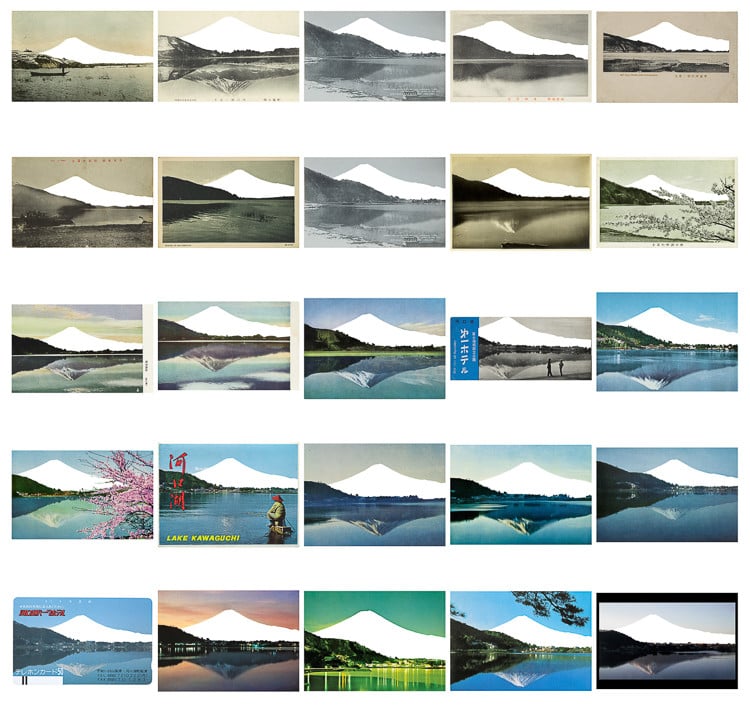
The Japan Guide Book project is an attempt to reconsider how the act of seeing is shaped before we are even consciously aware of it. I focus on how landscapes in Japan—particularly those considered “famous places”—have been photographed, remembered, and reproduced through photographic media. By working with historical archives such as photographs and postcards, this project reflects on the visual culture that surrounds tourist sites in Japan. From late 19th-century Yokohama photographs, to picture postcards that circulated alongside the rise of modern tourism, and up to today's live camera feeds, landscapes have consistently been captured from predetermined vantage points. These viewpoints are not accidental; they were designed to construct touristic value and cultural identity. The “scenery worth seeing” has been presented to us repeatedly, and we have come to accept it as something natural. By examining how such perspectives have been sustained and transformed over time, I aim to make visible the systems that govern how we look at landscapes. Tourist photography has developed in tandem with other industries and national narratives, and its visual language has shaped not only what we see, but also where we see from— structuring the viewer’s position and gaze. The Japan Guide Book deliberately removes dominant viewpoints and symbolic imagery, creating a space where the viewer can engage freely and attend to peripheral details. Passersby, signage, and unexpected visual noise appearing within the frame—elements that have long been treated as background—are brought to the foreground. By allowing the gaze to wander, I hope the subtle presence of place and the layered temporality of the land can quietly emerge from within the landscape. In an age saturated with imagery, I am interested not only in what we see, but in how we are made to see.
No categories selected
Photos (10)