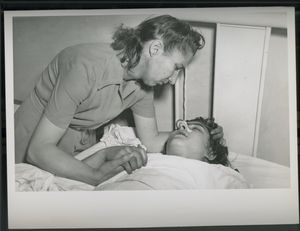
The writer Katherine Byrne describes; Invalidism became a way of life for women because it was a means of demonstrating the most desirable of female characteristics, namely purity, passivity, and a willingness to sacrifice oneself for others, especially men.
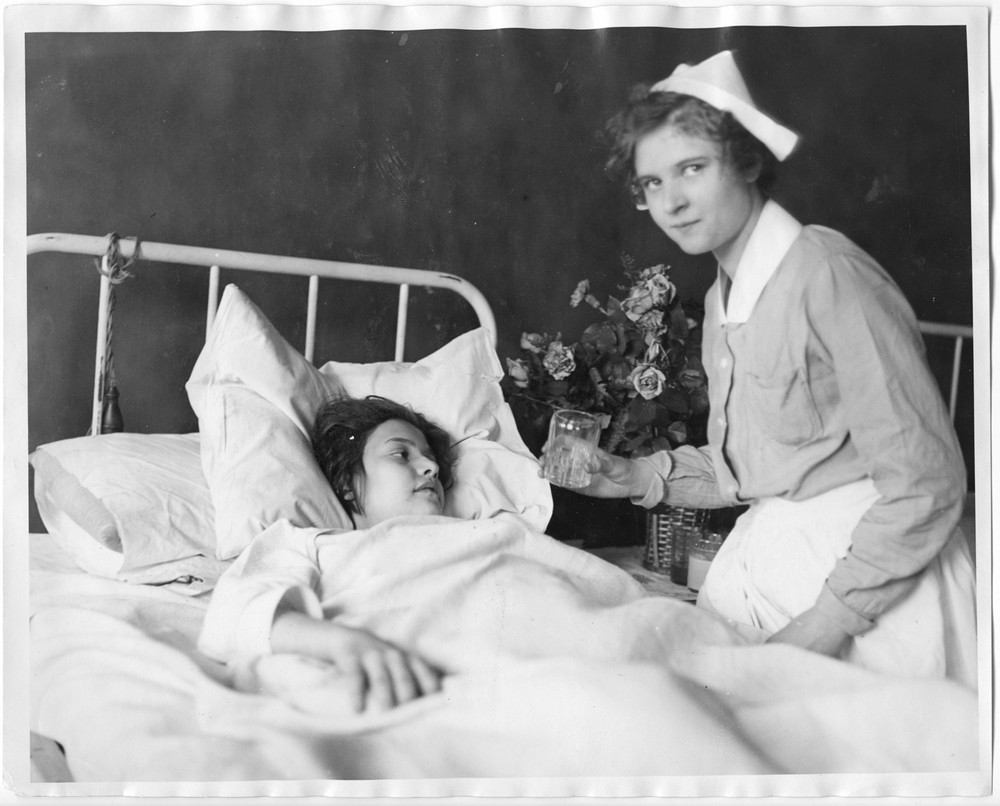
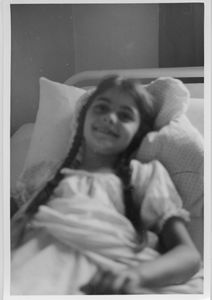
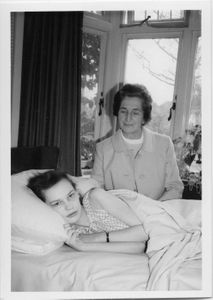
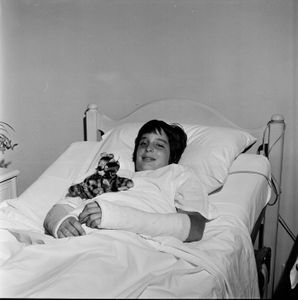
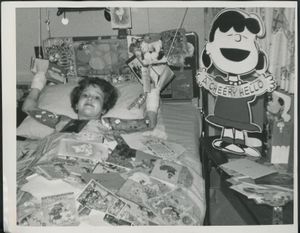
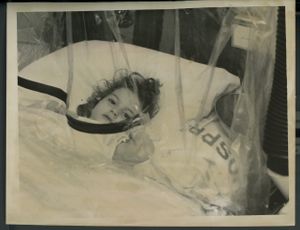
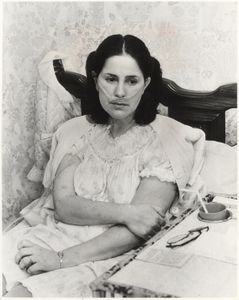
When my daughter Mimi was twenty, she became disabled. The process of acceptance and healing was a difficult and painful path for us both. Mimi was a drama student, smart and beautiful. I began photographing Mimi a few years later as she came back to herself and began to find her beauty and sexuality once more. I was not happy with the representations I made of her. I wanted to recreate the Mimi of my memory and the images I made I found both painful and uncomfortable and so much about loss. I also felt as if though these photographs I was complicit the right to stare at her disability. However, I became very interested in the discourse around the way contemporary female photographers represent illness and disability. By examining the paradox of the female contemporary gaze and its implications of voyeurism within this visual rhetoric, I could begin to answer the question as to whether photographs of the vulnerable when taken by women, for example, differ from the male reflection. About five years ago I began to collect vernacular photographs of women and girls sick in bed to speak to my need to investigate the voyeurism and sexuality of this uncomfortable vulnerability though my own practice. I have produced a small dummy book for my own use but I’m keen to continue working with a mix of text, vernacular images and my own image making to expand and personalize my photographic relationship as a both a woman and the mother of Mimi.