
From the Streets of Havana
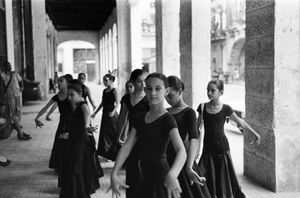
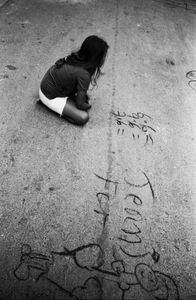
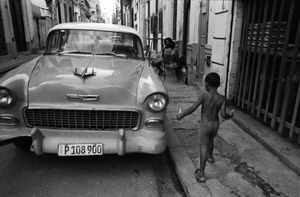
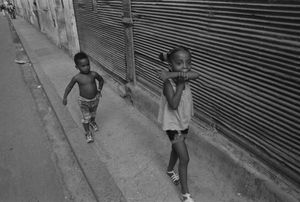
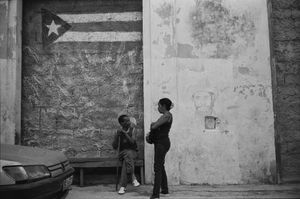
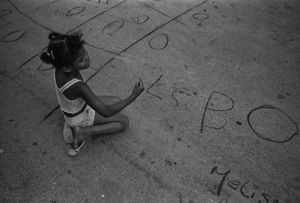
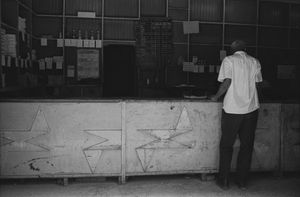
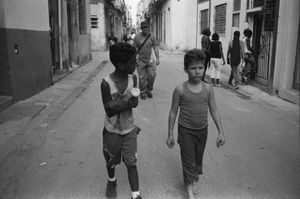
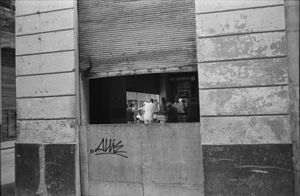
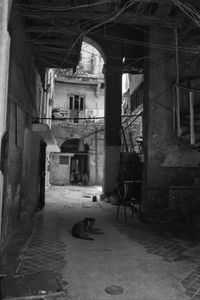
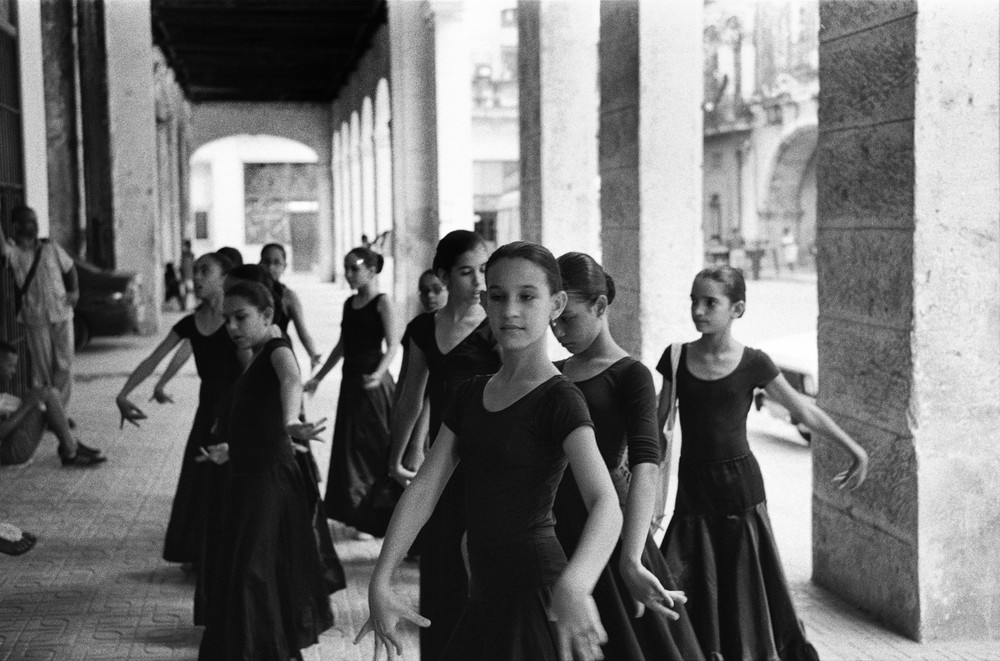
Cuba was colonized by Spain at the beginning of the 16th century, and sugar and cigar plantations were developed. By the 19th century, Spanish imperialism was declining, and the U.S. emerged to dominate Cuba. Cuba declared independence as a republic at the beginning of the 20th century, but it was essentially a protectorate of the United States. American capital flowed massively into Cuba and dominated every aspect of life there. There were several rebellions and coups d’état in succession, destabilizing the country. In the latter part of the 1940’s Cuba took part in the U.N. and O.A.S. and was recognized internationally. However social instability had been growing internally because the government had no effective policies against the collapse of international sugar market. Fulgencio Batista seized political power in a coup d’état in 1952, suspending the constitution with his dictatorship. This corrupt and dictatorial government was deeply tied to the United States, both politically and economically, and U.S. dominance in Cuba increased. In the 1950’s there were movements against the regime, and after numerous armed conflicts, including guerrilla wars in the mountains, Fidel Castro, Che Guevara, and their comrades overthrew the Batista regime and established a revolutionary government. They nationalized all private estates and industries, completely eliminated U.S. influence, and developed close relations with the Soviet Union. The U.S. broke off all diplomatic relations with Cuba in 1961, and tensions continued for decades. After the fall of the Soviet Union in 1991, Cuba lost its support and experienced very difficult times. New policies were established to accept foreign tourists and privatize parts of some industries, but the single-party system was maintained. In the 2000’s Cuba began to accept American tourists, and in 2015 the two countries restored diplomatic relations after 54 years. In March 2016 the U.S. president Barack Obama finally visited Cuba! I visited Havana just a month after his visit. I was very interested in this small socialist country in the Caribbean that had followed a different path of communism than bigger nations such as the Soviet Union and China. As I hadn’t visited Cuba before 2016, I cannot compare the before and after of the change. I couldn’t go deeply into people’s life in a few days I stayed. As a tourist, I could only see and feel the surfaces of their life. What struck me were the old American automobiles from the 1950’s and children who studied and played in the streets. The children in the streets were not well dressed, but their faces were full of laughter. Although there were some well-restored old automobiles for tourists, I also saw many junkers used in daily life. Colonial architecture and old American cars are icons of Havana and attract many photographers, but even such stereotypic and touristic photographs contain something that reflects the atmosphere of the time and place. We can see the history between the U.S. and Cuba in these images of the people and the town. In the Trump administration, the relationship between the two countries seems to be deteriorating, but of course the people in Havana continue on with their daily lives. In my photographs from April 2016, you can see the historic scenery of Havana as well as the spirit of the people who have endured many difficulties over their long history.
No categories selected
Photos (10)