Depois do Medo (After Fear)
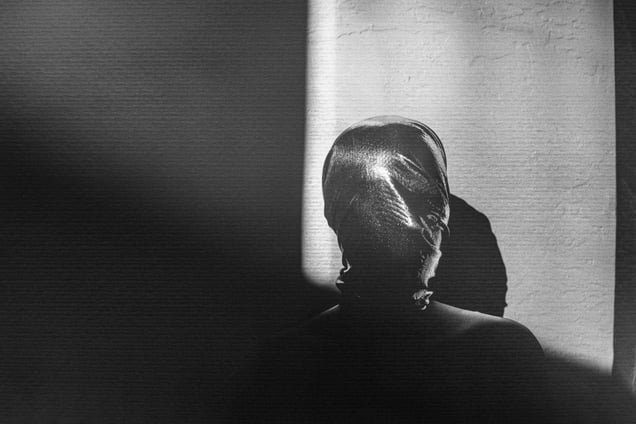
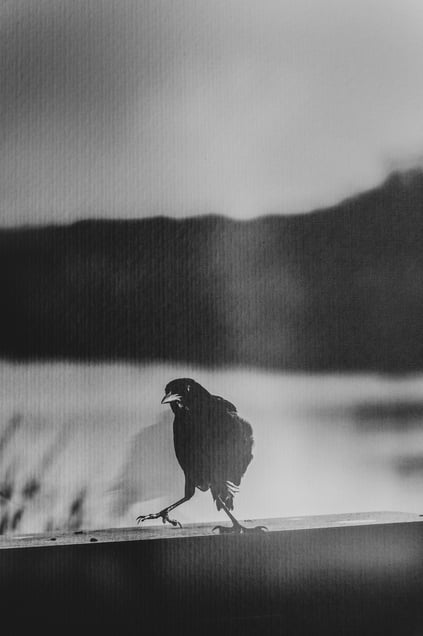
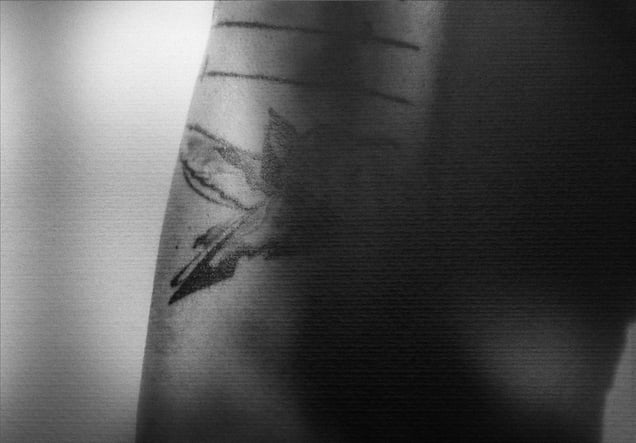
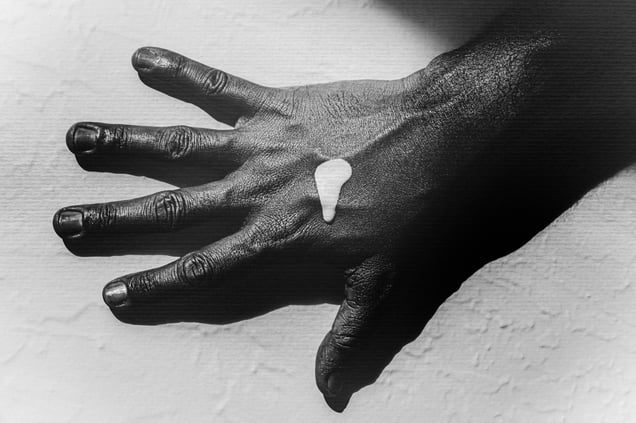
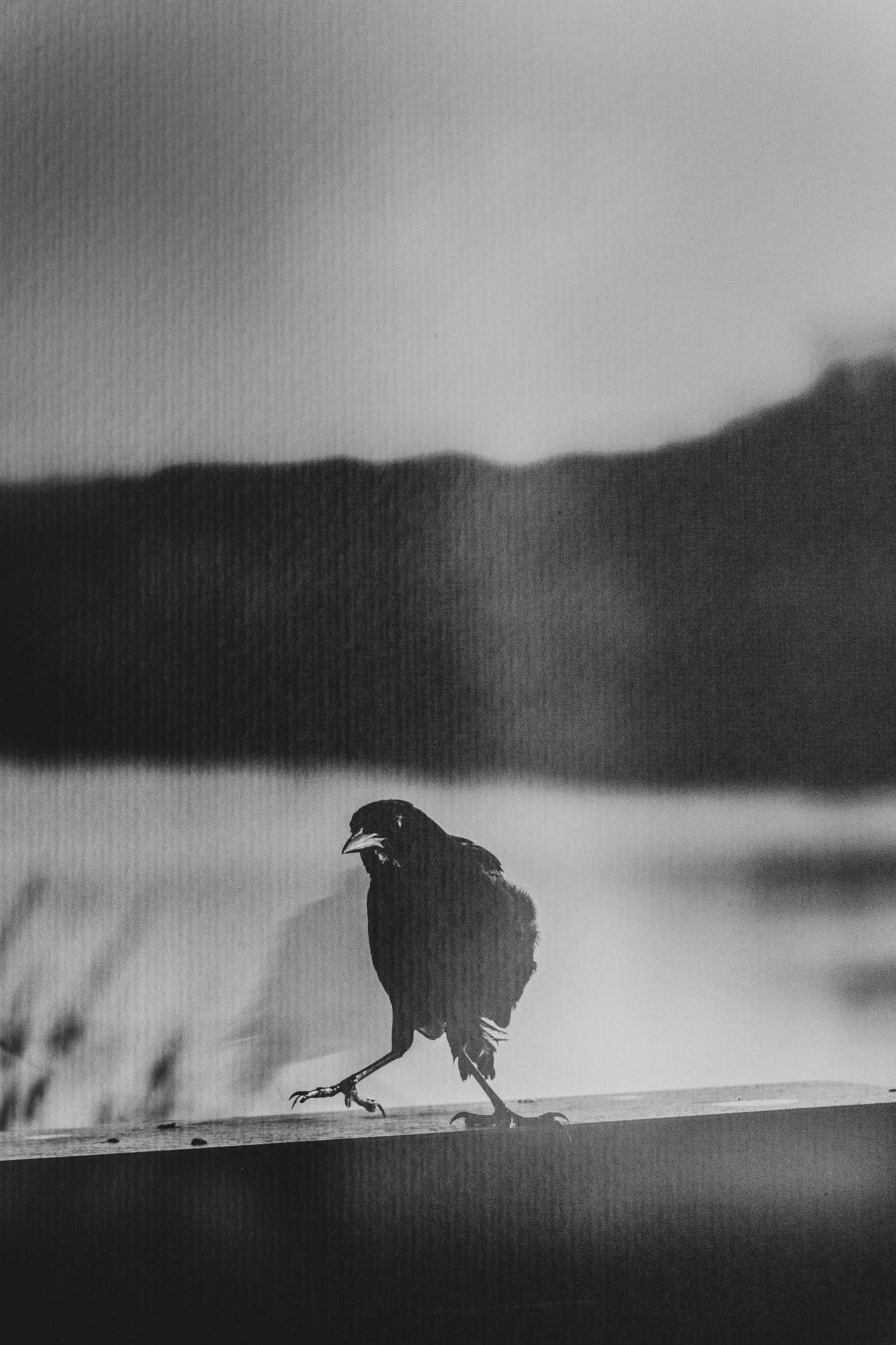
This project began when I realized that some of my fears were starting to fade. For much of my life, I lived under the shadow of fear — of hell, of loneliness, of illness, of violence. These fears weren’t abstract. They shaped how I moved, how I breathed, how I imagined the future. Even into adulthood, I carried panic attacks as echoes of childhood trauma. But then something changed. The fear no longer screamed. It receded. It made space. So I asked: what remains when fear no longer defines you? The photographs in "Depois do Medo" are not about fear itself, but its residue. They hold stillness, tension, pause. The quiet that follows survival. The strange openness that follows years of bracing for impact. The gestures that return when there is no longer a need to flinch. As a person raised under the constant threat of rejection, damnation, or erasure, I’ve spent much of my life reacting — shielding myself. Even my artistic work was shaped by the need to defend, to respond. Now I ask myself something harder: Can I act without fear as my compass? Can I create from something else — not in reaction to pain, but in pursuit of freedom? "Depois do Medo" is the beginning of that question.
No categories selected
Photos (4)