Circling
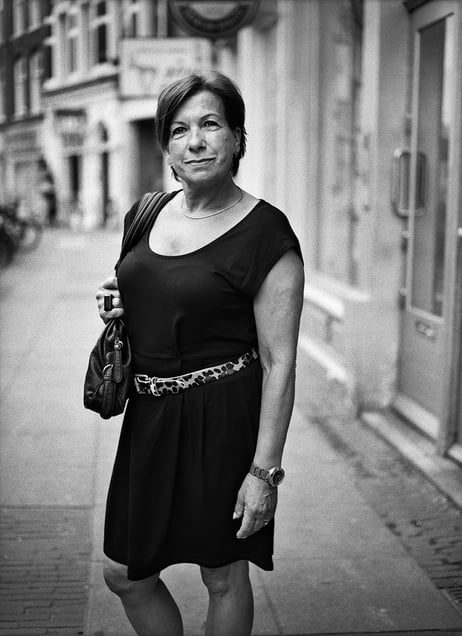
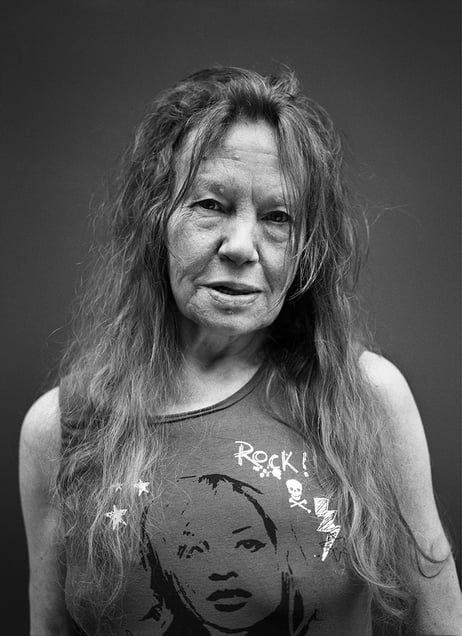
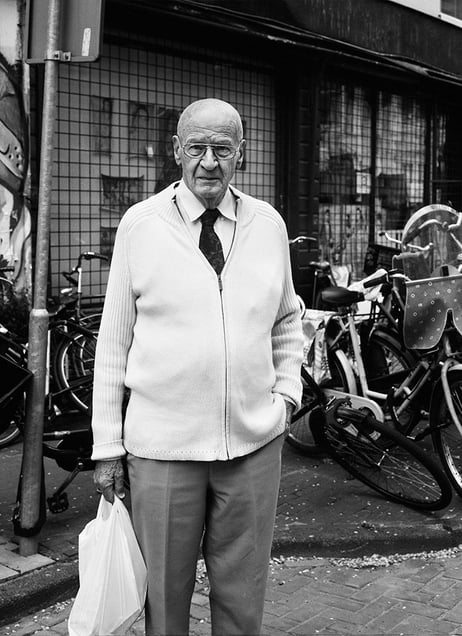
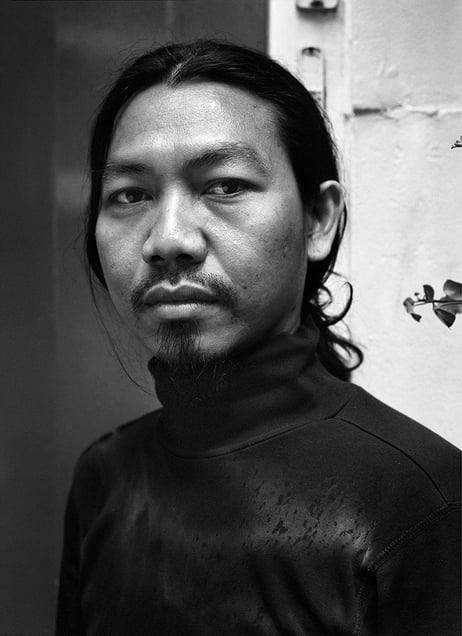
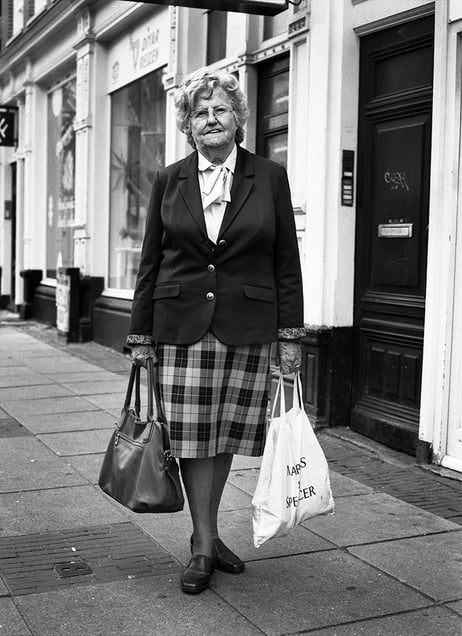
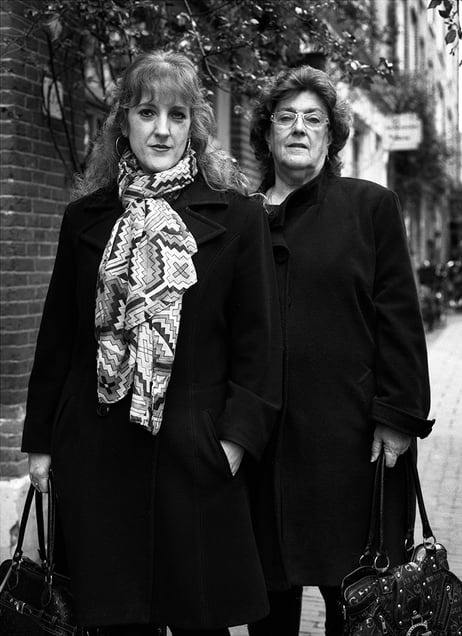
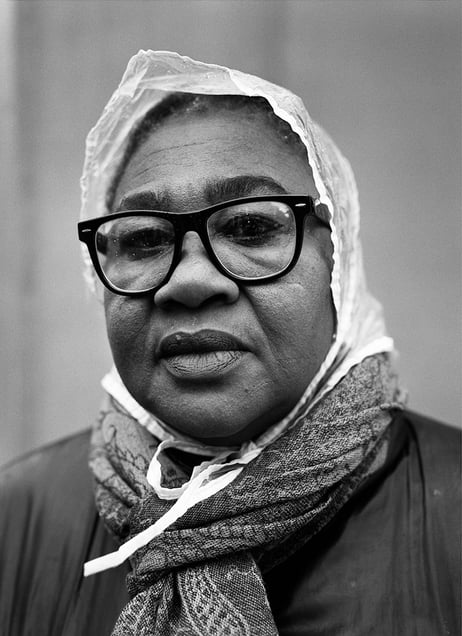
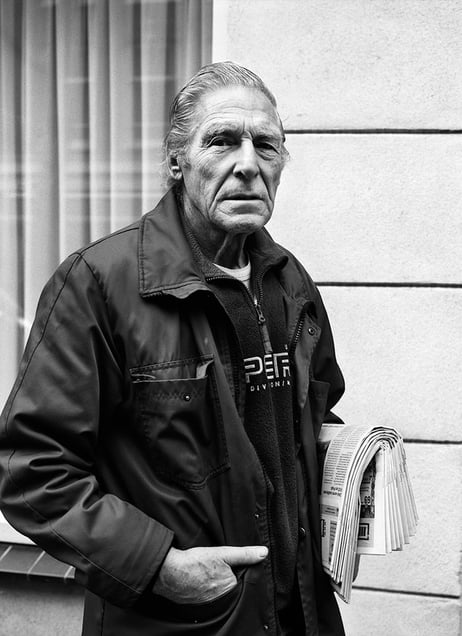
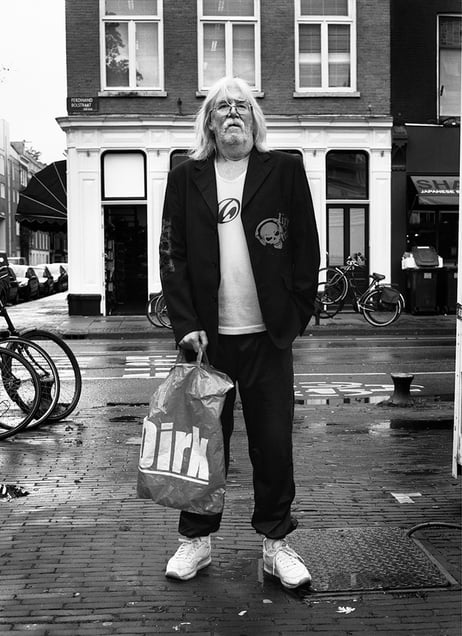
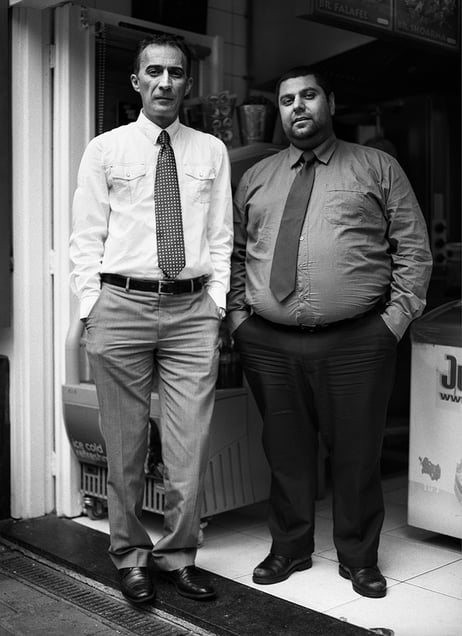
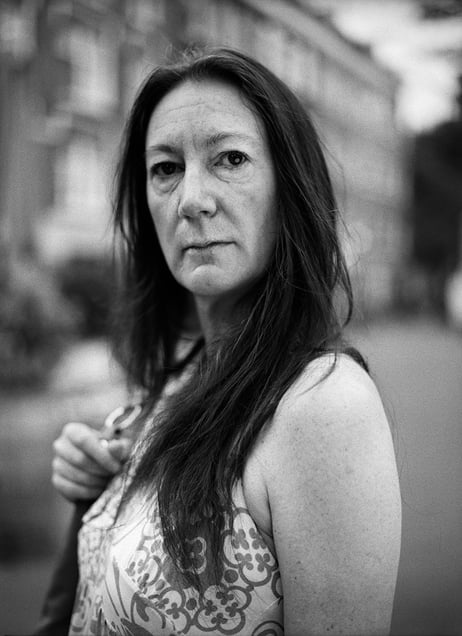
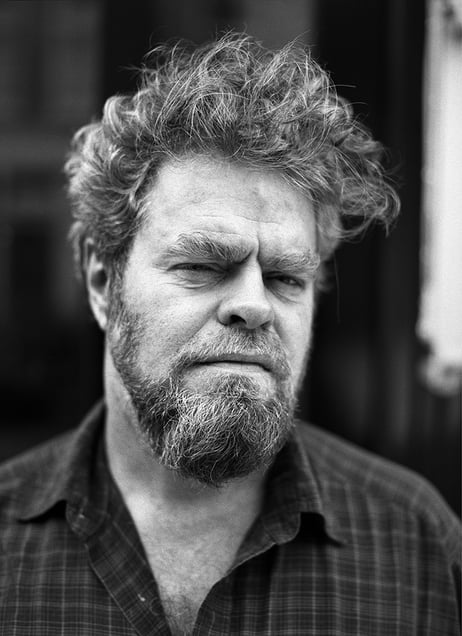
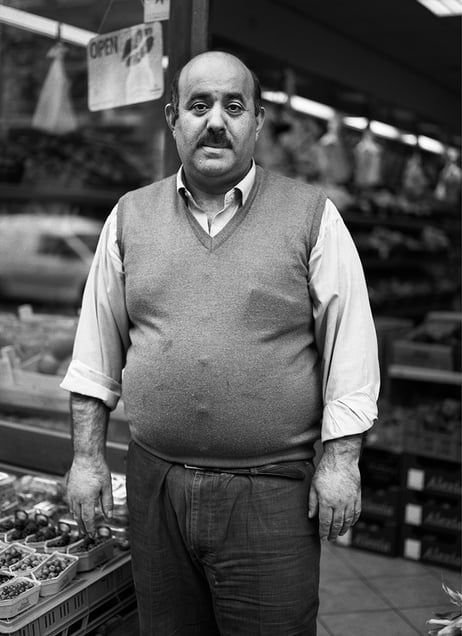
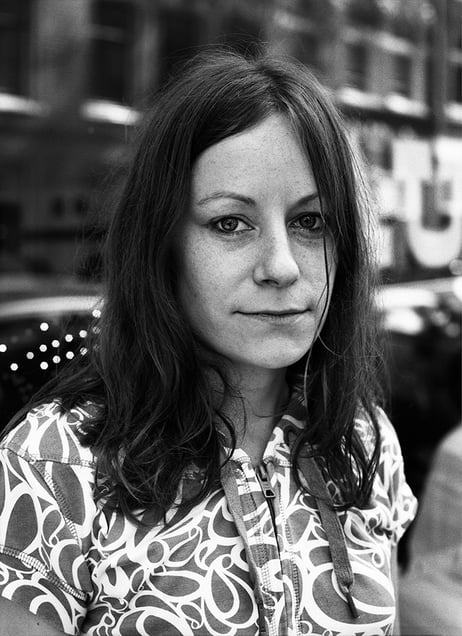
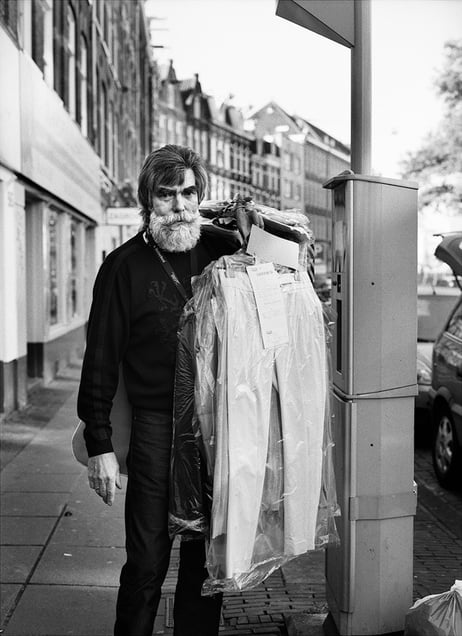
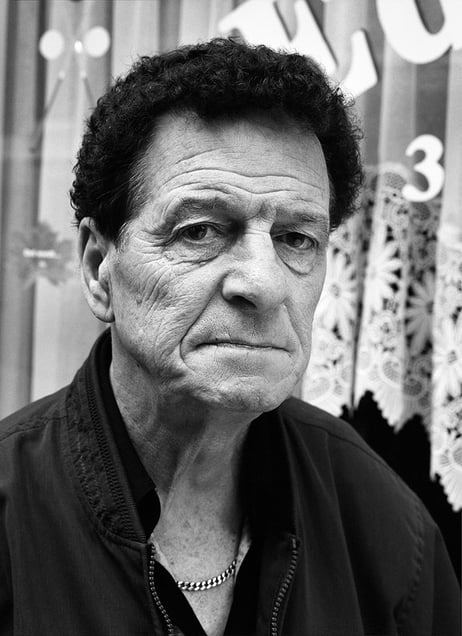
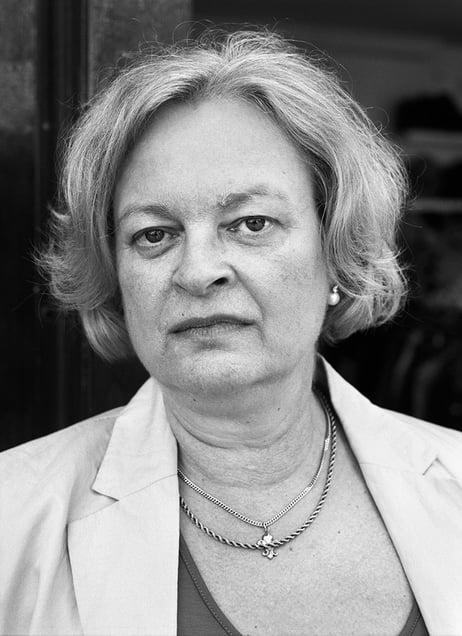
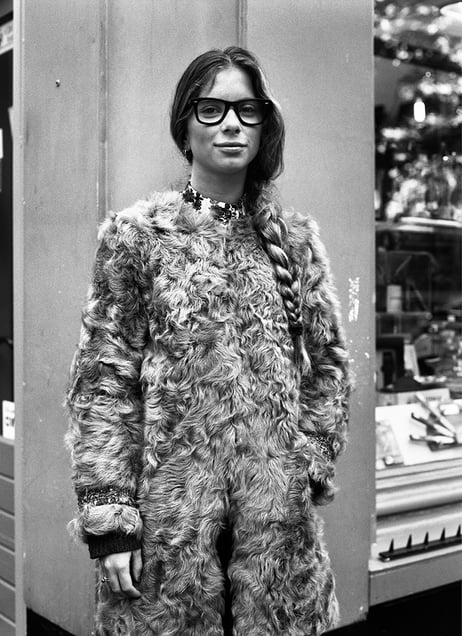
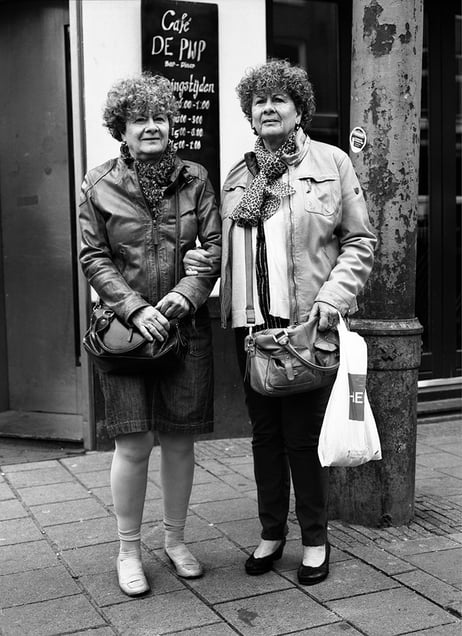
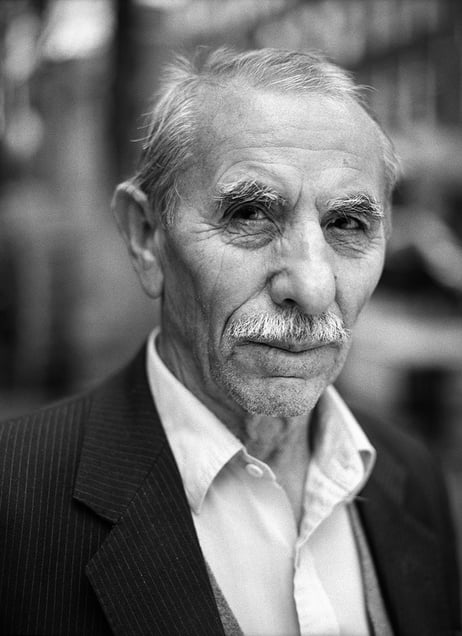
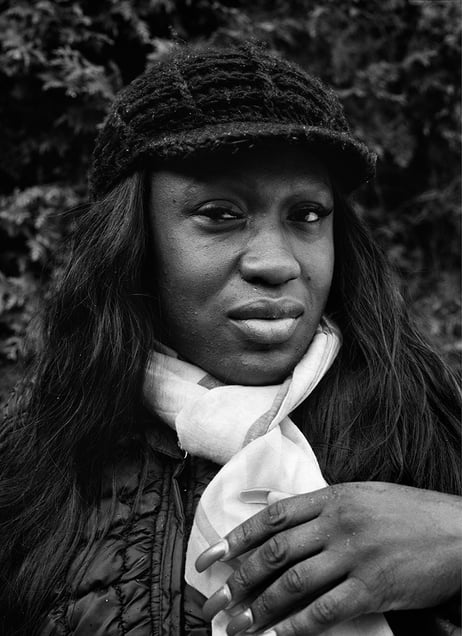
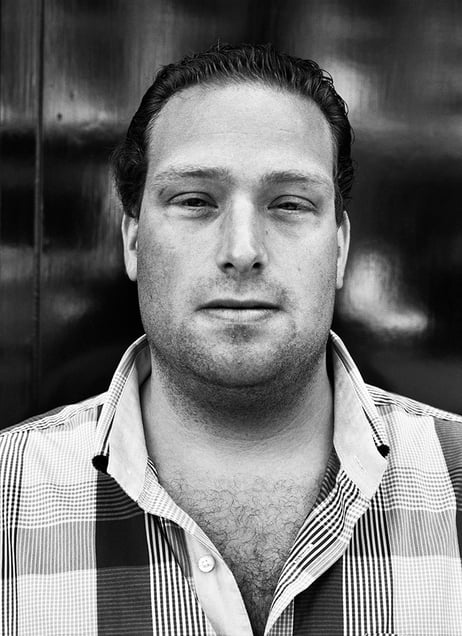
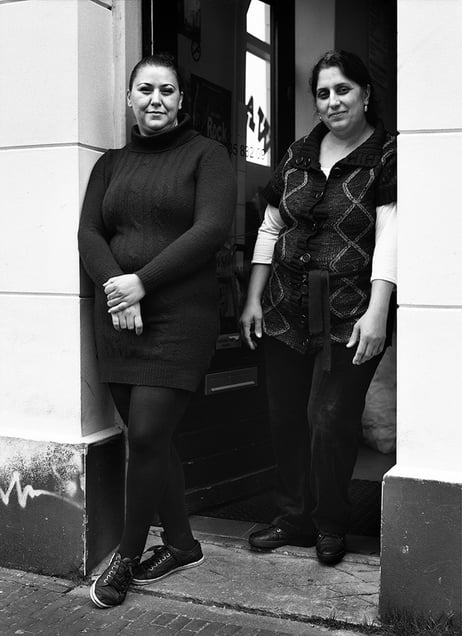
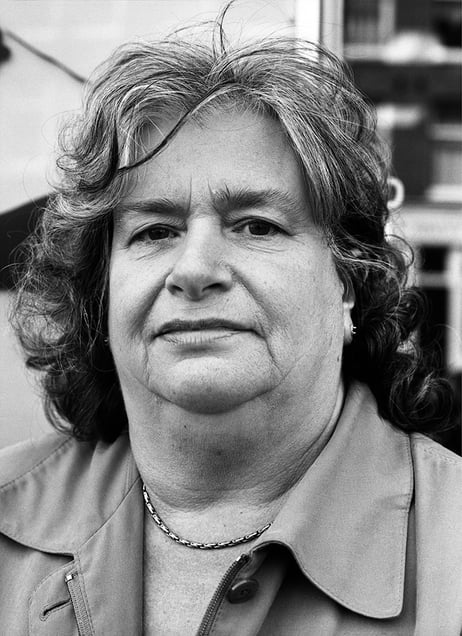
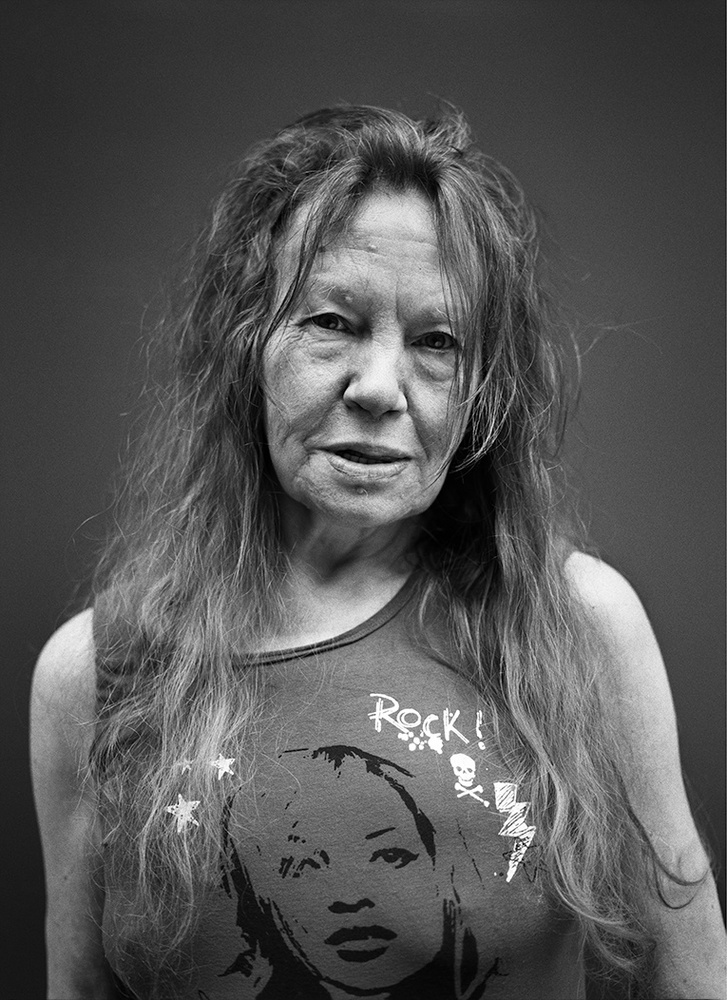
An unintended pregnancy forced my parents to marry. They went to live together on a houseboat on the River Vecht in Maarssen, so it was there my cradle stood. After a caesarean section I came into the world in 1969 in a hospital in Utrecht. Two degrees in medicine had yet to be completed. Three years later we moved to a small village in Brabant called Nieuw-Vossenmeer, where my parents were able to set up a medical practice. Before long my father’s eye fell on a particularly flamboyant patient. He ended the relationship with my mother and left for Amsterdam. With his new wife he had two children, my half-brother and half-sister. I left with my mother for Purmerend, with an access agreement that allowed me to visit my father once every three weeks. My stepmother developed into an artist, and with my father she did not find the peace and freedom she needed to flourish. In 1978 she left with her two children for a house in De Pijp in Amsterdam. An artistic calling was incompatible with two small children, as was a medical practice. A temporary foster home was found for my half-sister with another of my father’s patients. Seven years would pass before my half-sister was accepted into the childless marriage between my father and his third and current wife. My half-brother stayed with his mother and was brought up on stove milk – milk with honey, warmed on a pot-bellied stove. At weekends my father would pick up his children. From time to time all three of us went to his house, but often combinations were made. I wanted to be with him as soon as possible on the appointed day. First in the car, togetherness, listening to his selection of music on cassette tapes with the prospect of a long weekend with my father. I was always allowed to go into my sister’s foster parents’ house with him. Smoking took place and coffee was drunk. It was different with my half-brother. His mother’s tiny apartment slowly filled with paintings, which stood leaning against the walls. Often he hadn’t got dressed and time passed casually there. To increase the time pressure I was left in the car. I wasn’t allowed to mention this to my father’s new wife. From the back seat – because my mother wouldn’t let me sit in the front – I watched people passing by, people from that working-class district of Amsterdam called De Pijp, people I didn’t know and who were very different from people in the safe little suburban neighbourhood where I lived. Those experiences made a deep impression on me. Two years ago I had the opportunity to use a camera belonging to Lee To Sang for a photography project of my own. Chinese by birth, Lee To Sang was trained as a photographer in Hong Kong and opened his first studio in Surinam. In 1978 he left for the Netherlands to open a photo studio in De Pijp in Amsterdam. The multicultural population there meant that many people came to his studio to have their portraits taken either for or with relatives who lived abroad. You could also get passport photos. The portraits in the window of his shop were a reflection of the residents of the neighbourhood, often shown with plastic flowers and plants, in front of a colourful decor that might or might not include backdrops imported from Hong Kong. In 2003 Lee To Sang closed the doors of his studio for the last time. He retired to devote himself to painting, to real art. When I first saw Lee To Sang’s portraits I was able to lay them like transparencies over my memories of the district. Memories of the exciting world that surrounded my father, exciting and sometimes frightening. Memories I can share with my half-brother and half-sister. Memories that are understood by my girlfriend who, without either of them knowing it, grew up in precisely the same street as my half-brother did with his mother. I used Lee To Sang’s camera to take photographs in the area around his former studio, searching for a final reflection of the people and the time that are so deeply embedded in my memory. For years the camera was an extension of Lee To Sang’s eye, recording his vision of humanity. Now it was my turn, and I set out on a new journey outside the doors of his studio. The camera was torn free of its past and by fits and starts it did its work. The final result is a series of portraits that form a link between the work of To Sang and my own past. Perhaps this is what we call nostalgia. Finally: From time to time I go to drink tea with Lee To Sang and his wife Ho Yuk-Mui. I look at his work, the old and the new: photographs of long ago; sketches and watercolours from the present day. Lee To Sang lives for half the year above his former studio and spends the rest of the year in Hong Kong, after which he can paint and draw, based on his photos. My stepmother Mea still lives at the same address in De Pijp. During every portrait session I kept expecting to come upon her in the street. That didn’t happen. After the last session I was walking around to gather my thoughts when suddenly I found myself face to face with her. We stood there for a while talking about the present, the past and her painting. It turns out that I’m in her first proper painting, called ‘Paradise’. I was about seven and she was still married to my father. The painting still exists, but I’ve vanished under a thick layer of paint, as has my father. After that conversation I took her portrait. Our meeting was a fitting way to end the photo series. My father has a form of Alzheimer’s disease or Korsakoff’s syndrome. The family and I still aren’t clear which it is. There’s no doubt that he drank a great deal. His wife cares for him and when I visit we look at a lot of photographs. Through photos, some of which I’ve not seen before, memories suddenly acquire a definite shape. For him they are images that prompt a feverish scouring of his memory, until the moment of recognition arrives. That’s what we live for now, fragile but beautiful.
No categories selected
Photos (24)