Todtnauberg or the eternal return
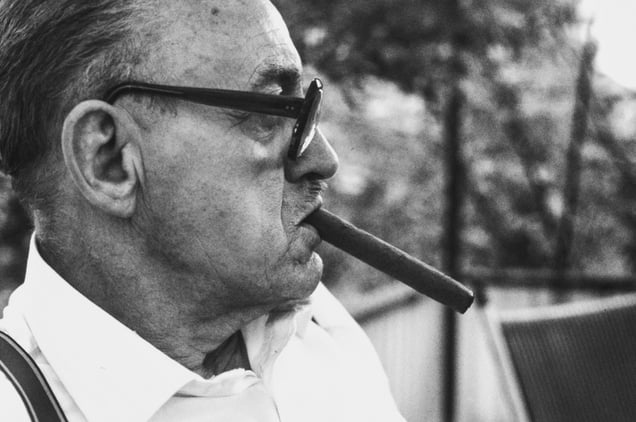
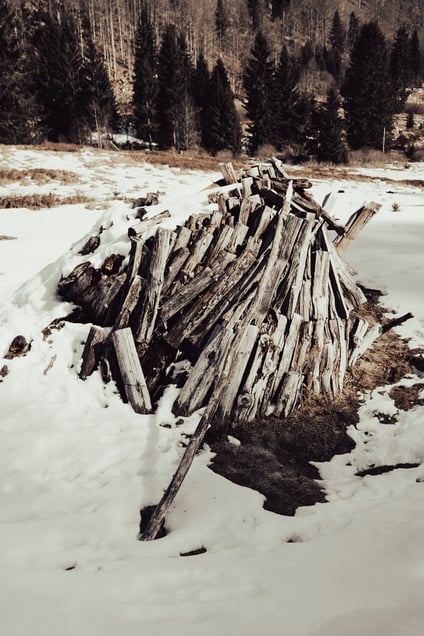
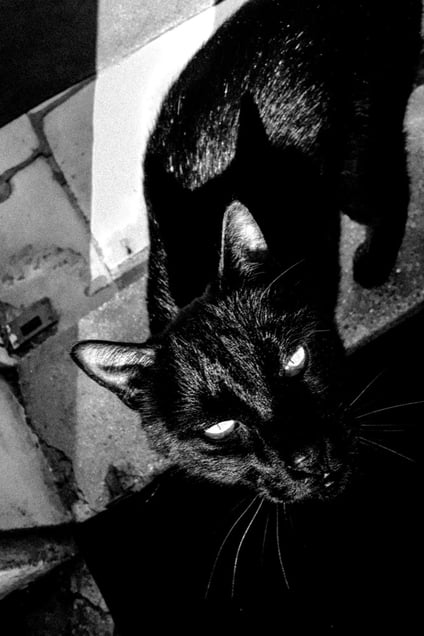
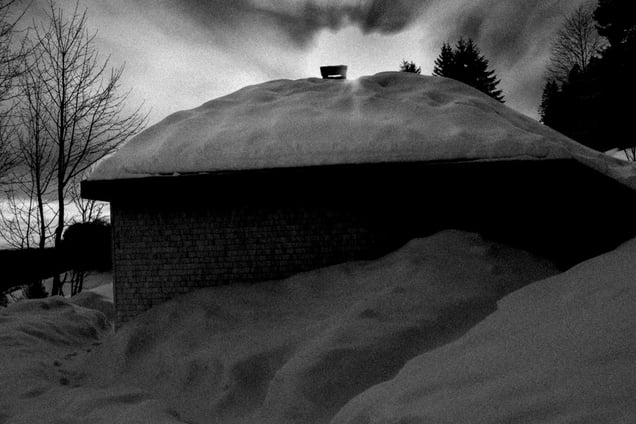
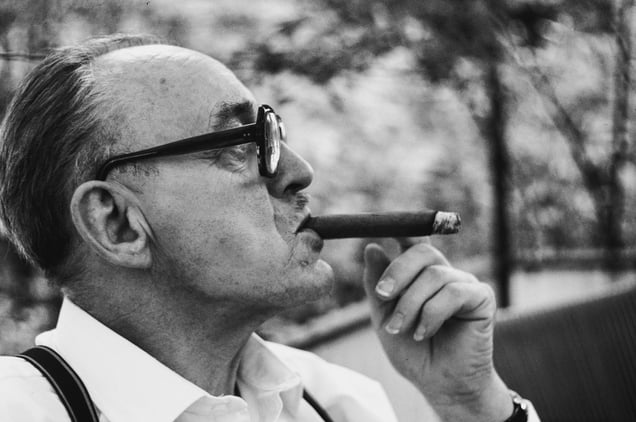
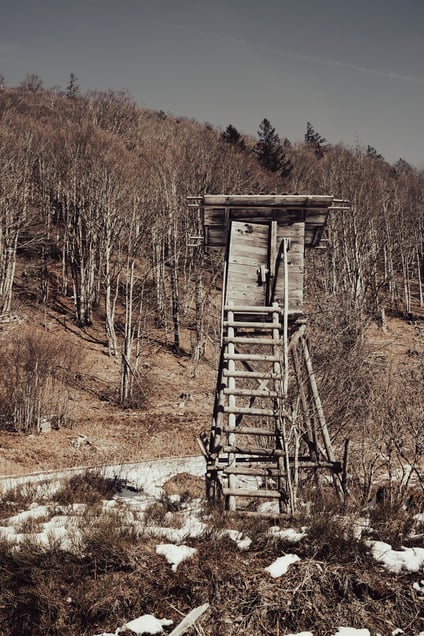
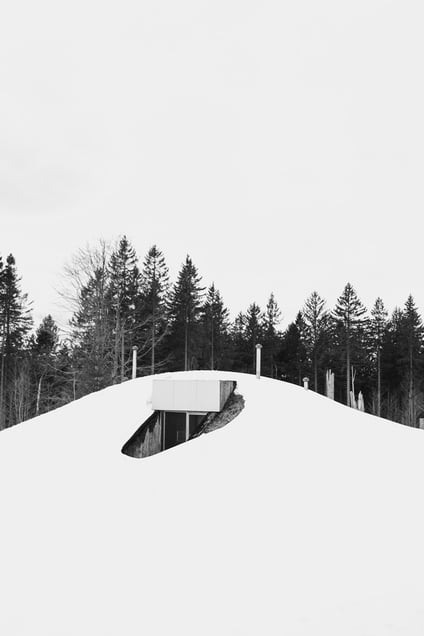
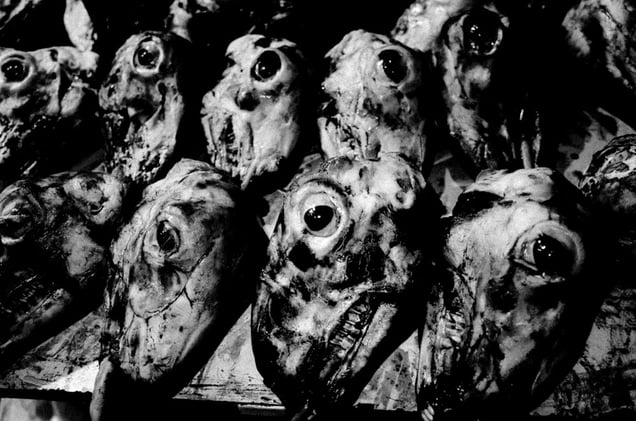
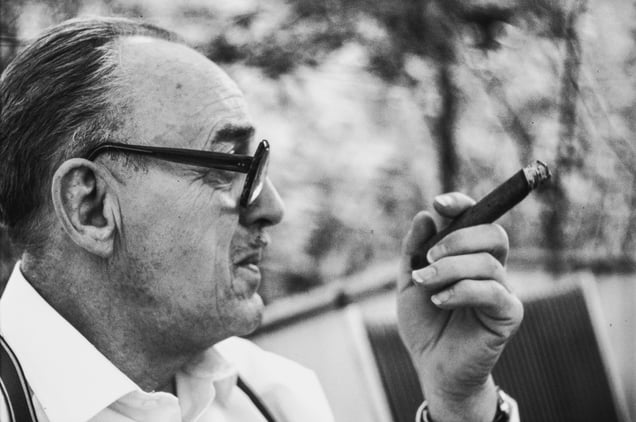
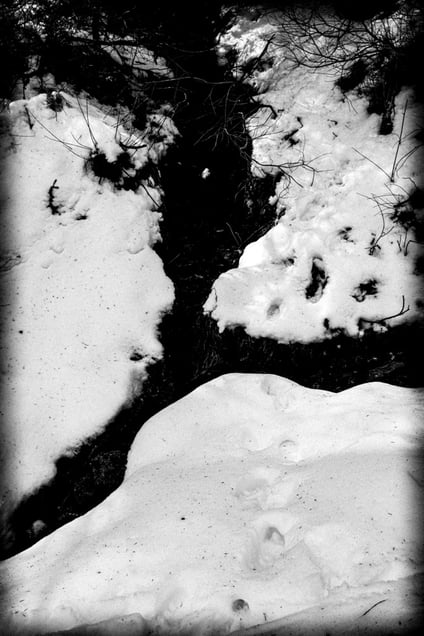
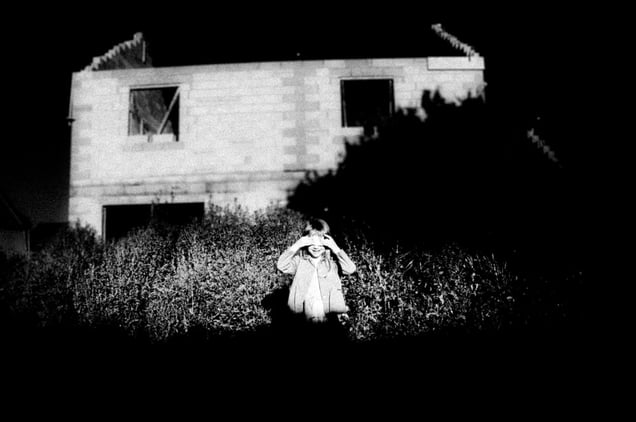
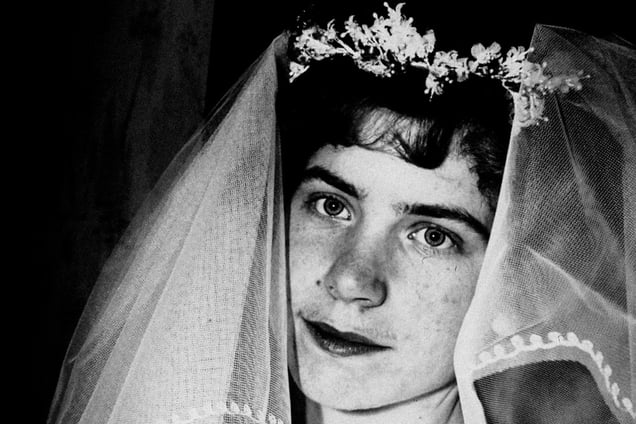
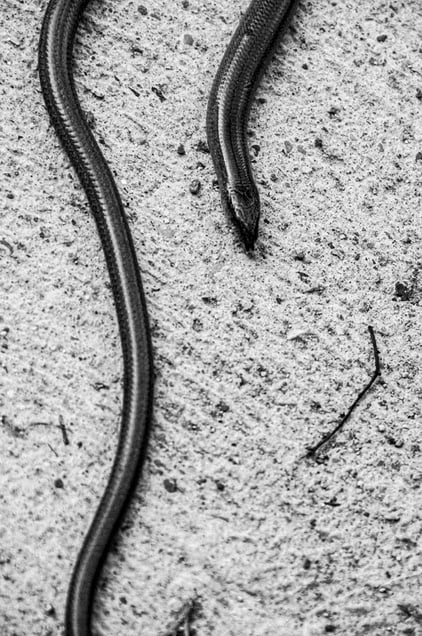
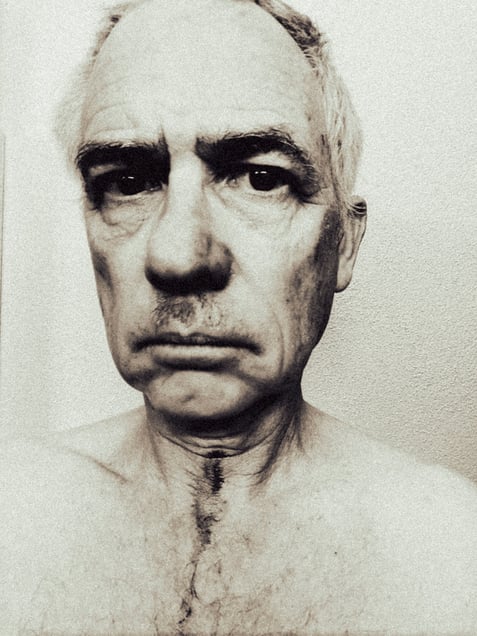
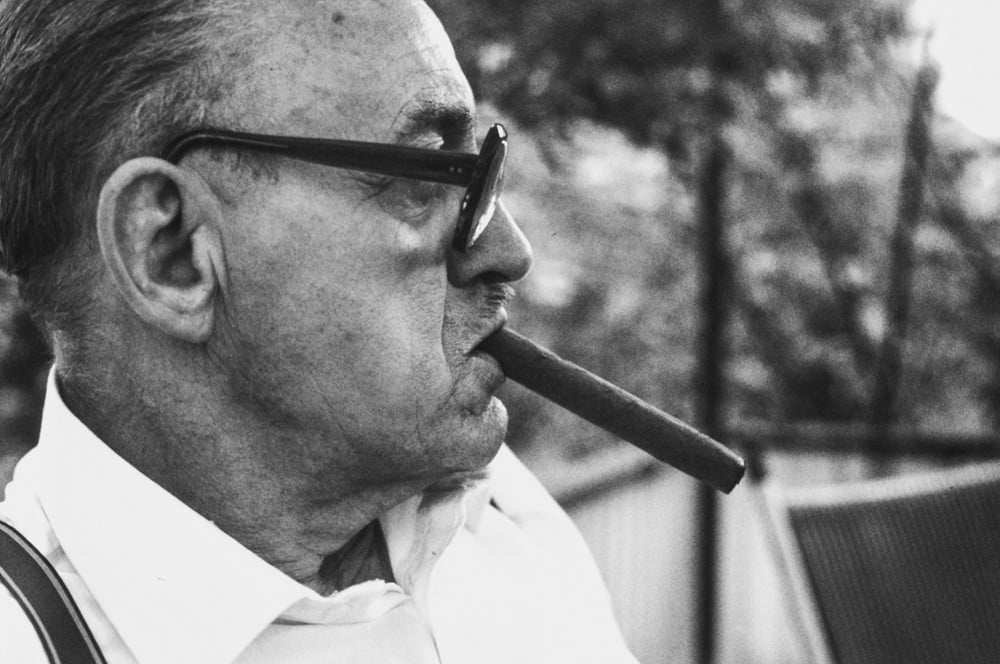
In the muffled clarity of the Black Forest, Martin Heidegger’s small cabin—the very one where the philosopher received Paul Celan in 1949—becomes the starting point of a photographic journey by Matthias Koch. The poem Celan drew from that encounter, “Todtnauberg,” evokes the wait for a word of repentance that never came; Koch, in turn, transforms the same place into a prism through which he explores how the ghosts of the past still roam our European landscapes. Titled “Todtnauberg, or the Eternal Return,” the series is a visual exploration that traverses the last century while casting its gaze toward the future: each photograph serves both as a mirror held up to our history and as a warning signal for tomorrow. The snow-covered cabin answers the shell-pocked soils of Verdun; a lock of hair left on a hotel sheet in Amsterdam echoes the verses of the Todesfuge; the alignment of slaughterhouse skulls recalls the industrial logic of death; the cigar-smoking portrait of a former-Nazi grandfather silently dialogues with the watchful eyes of the photographer’s daughter. These fragments form a sensitive cartography in which landscape, literature, and the intimate overlap to question the cyclicity of authoritarian violence. Koch adopts a stripped-down aesthetic: deep blacks, harsh whites, colours barely whispered. Silence prevails, inviting slow contemplation; the image does not denounce head-on, it suggests, leaving the viewer to fill in the blanks—just as snow covers without erasing. As the scenes unfold, one conviction emerges: “what threatens does not always shout, but quietly settles into the folds of everyday life.” Todtnauberg thus offers neither manifesto nor nostalgia; it is a night-light placed upon our collective memory, reminding us that forgetting is the engine of the eternal return, and that only active vigilance can break the loop.
Photos (21)