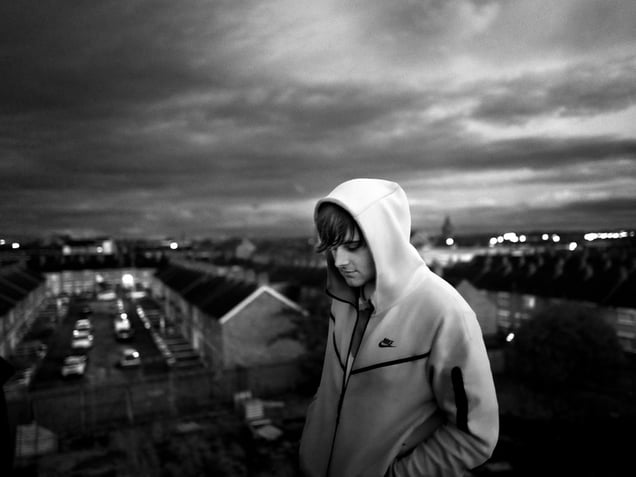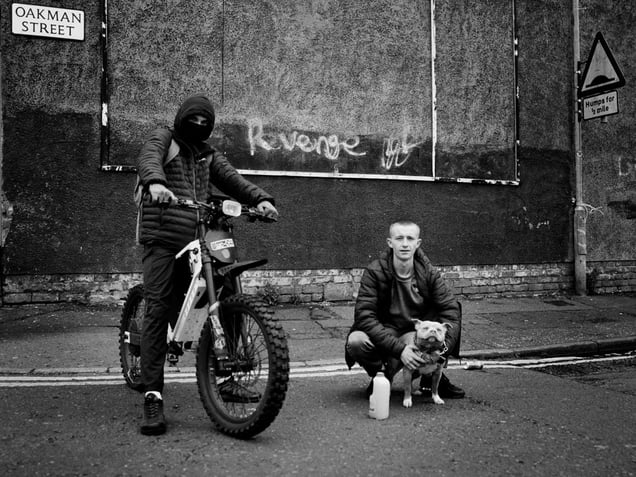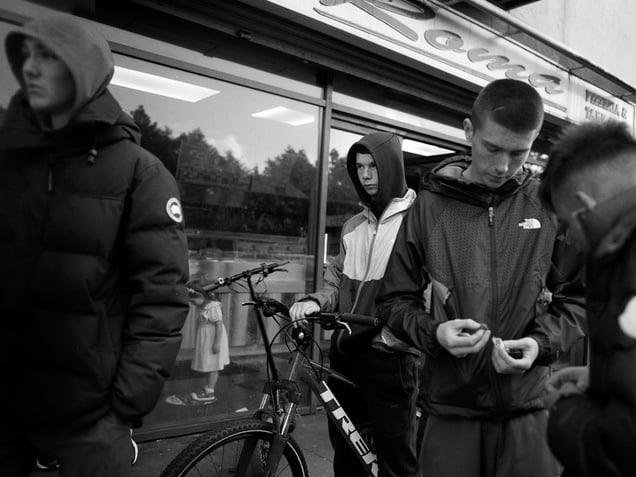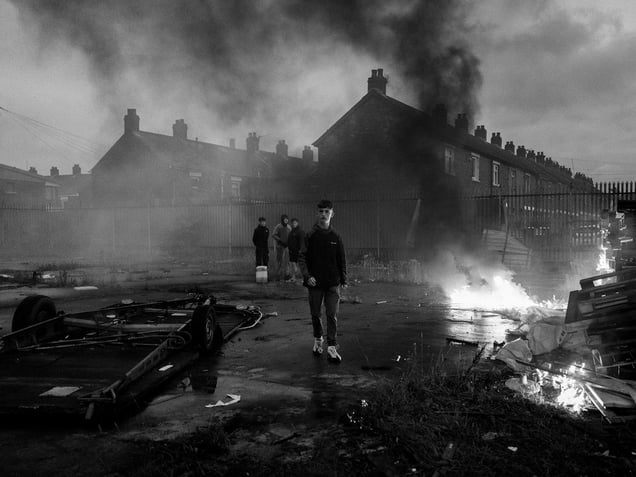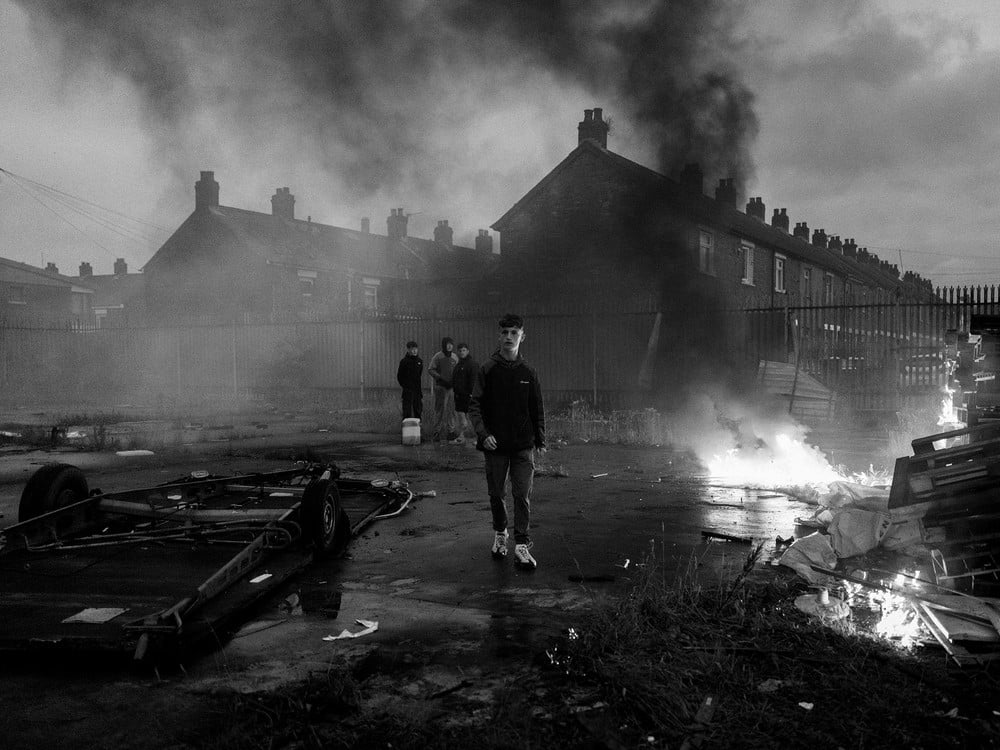
Divided Youth of Belfast, 2020-2026
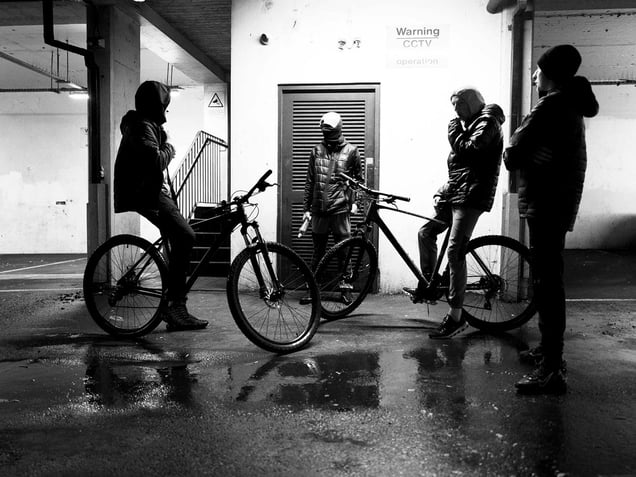
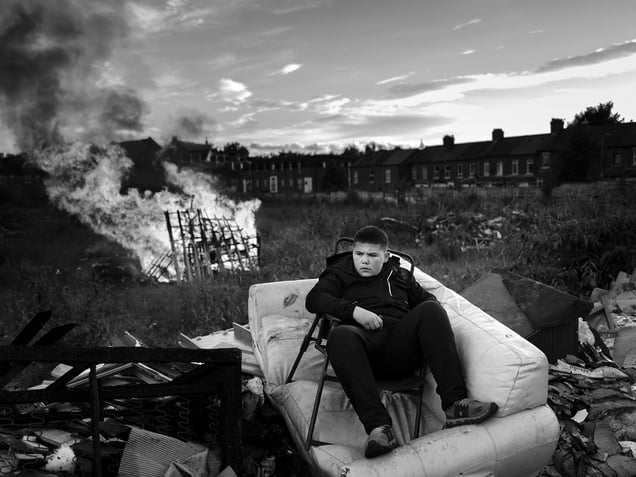
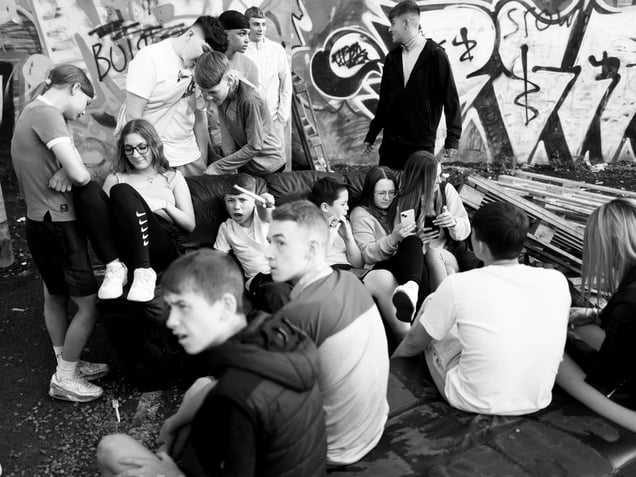
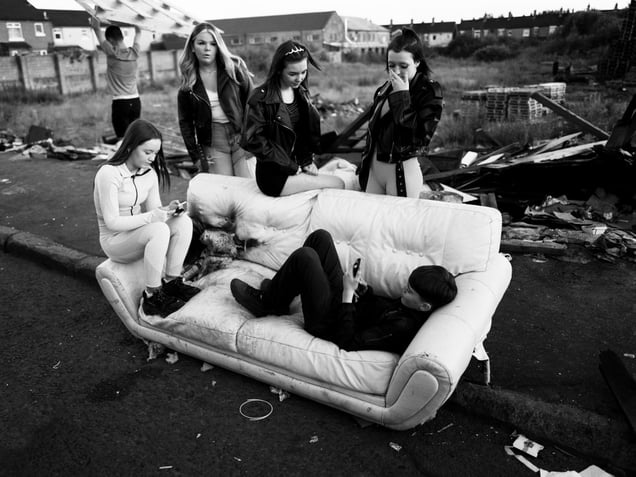
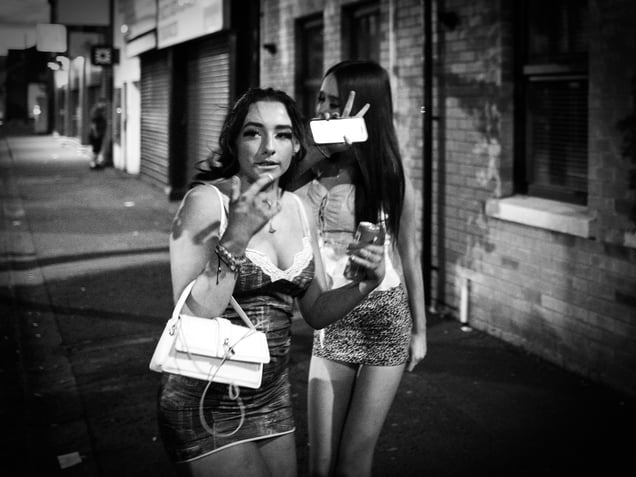
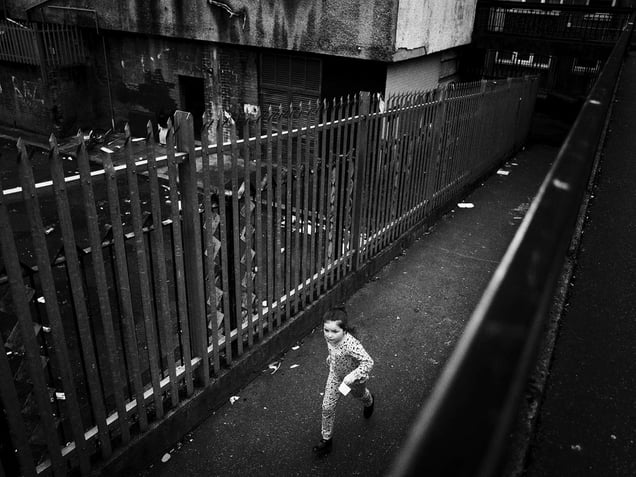
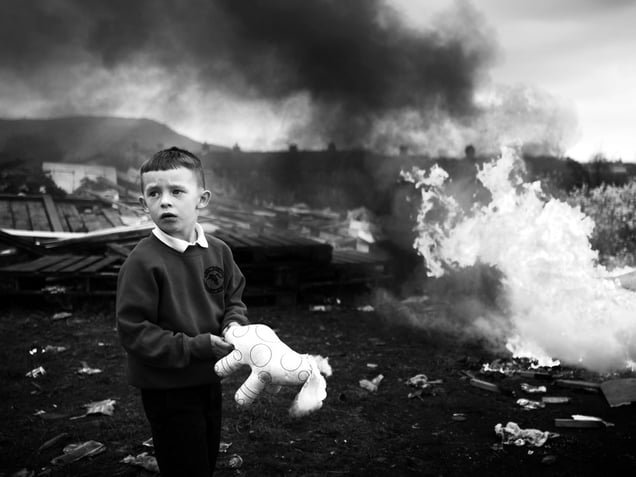
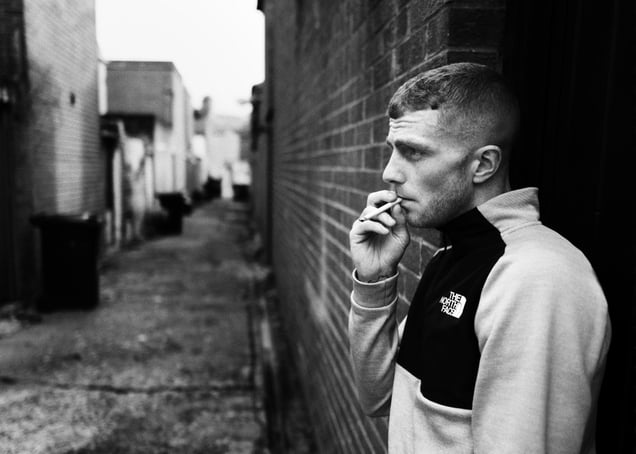
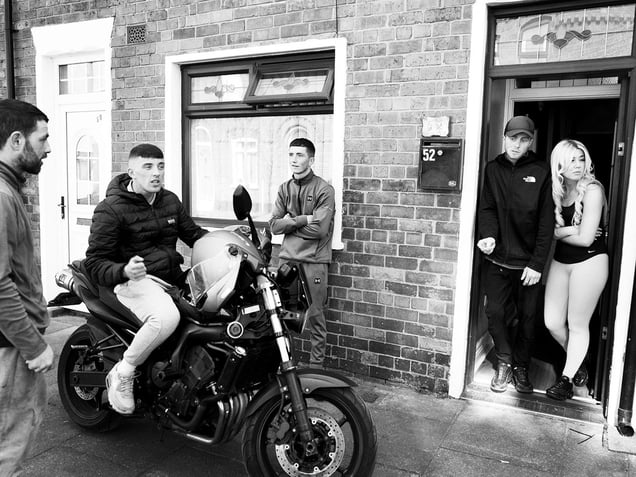
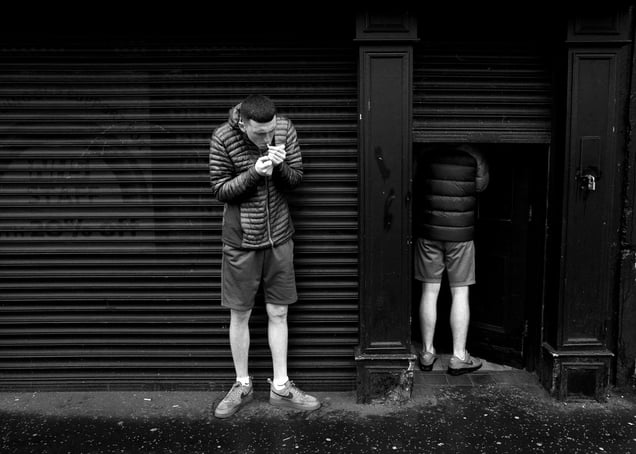
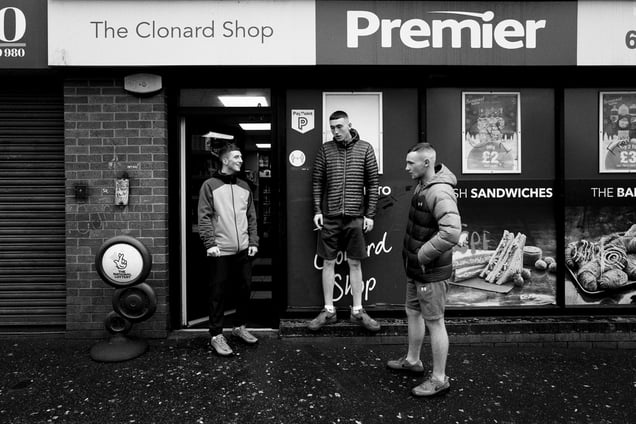
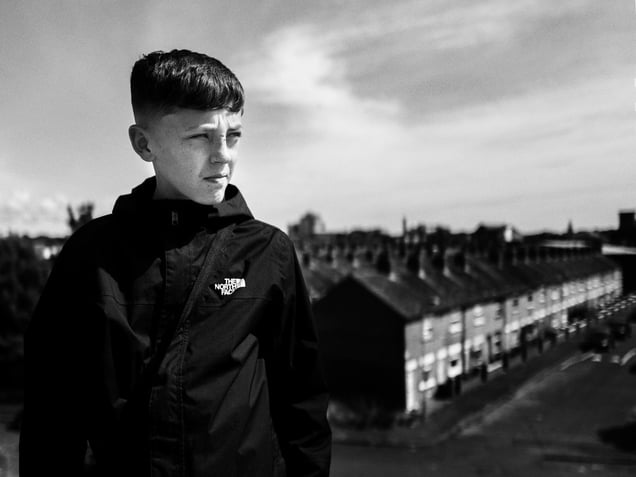
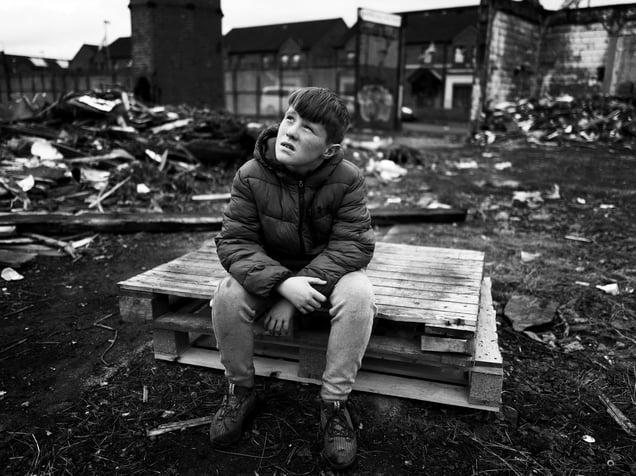
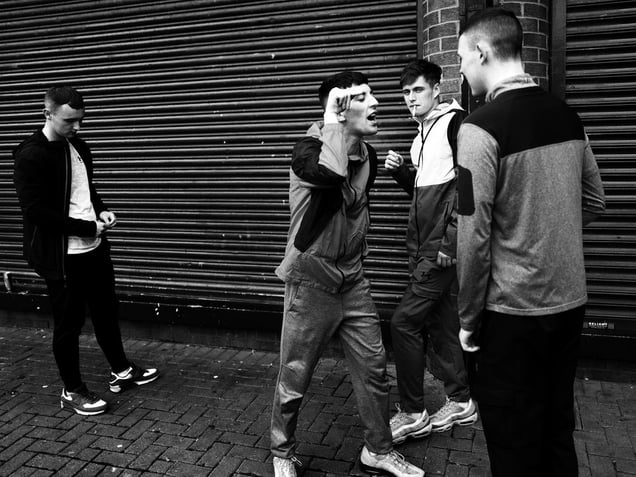
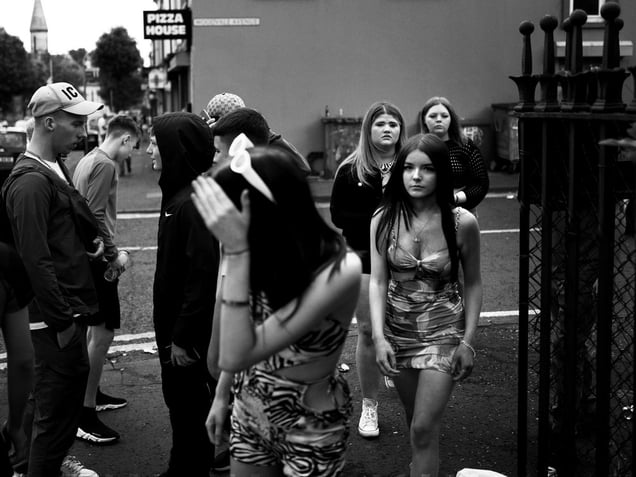
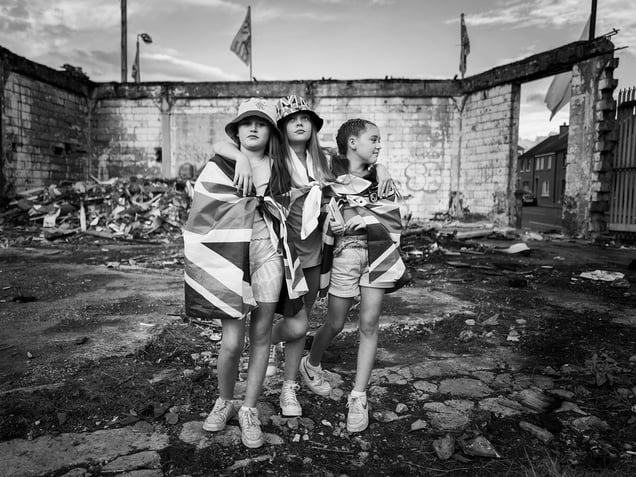
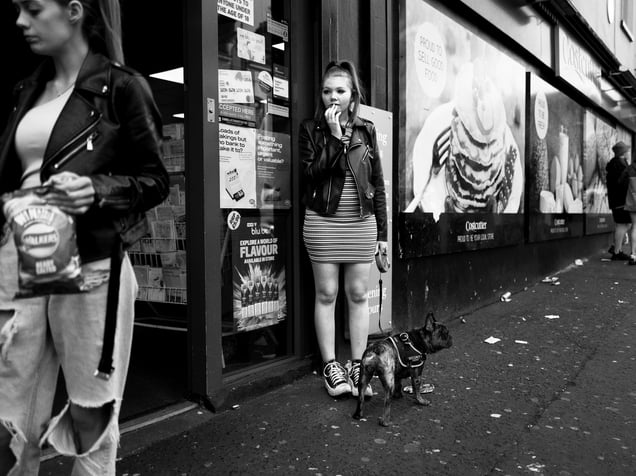
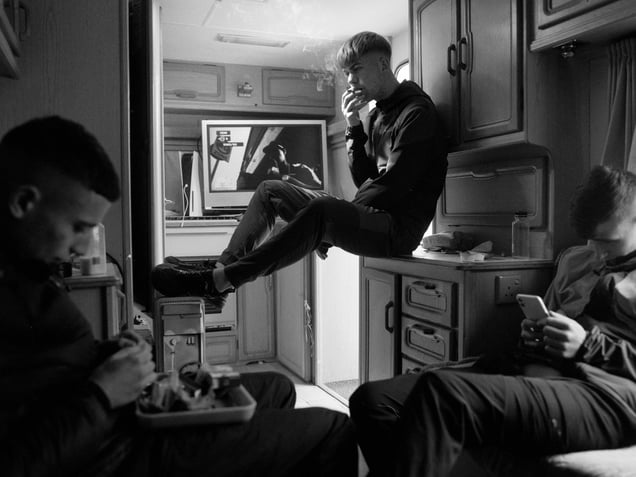
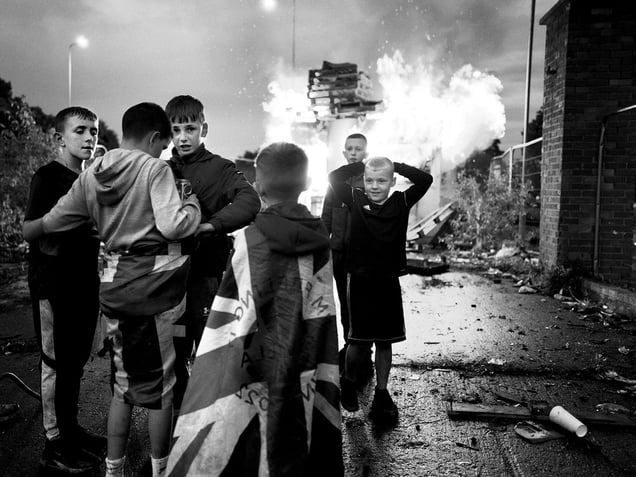
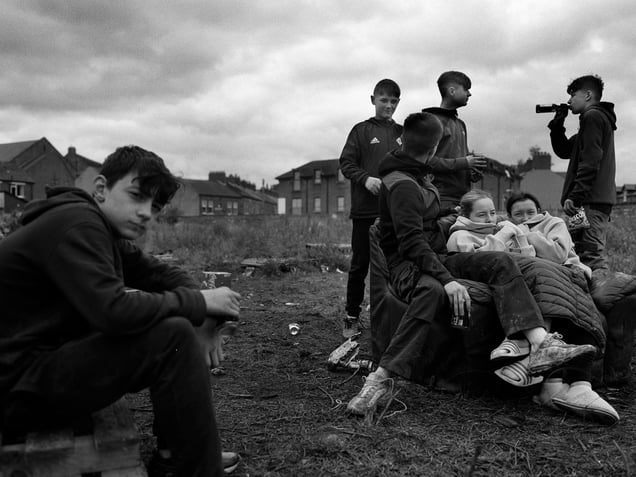
There is hardly any other country in Europe where a past conflict is still as present in daily life as Northern Ireland. Not only by physical barriers as walls and fences but also through a psychologically divided society. »If I had been born at the top of my street, behind the corrugated-iron border, I would have been British. Incredible to think. My whole idea of myself, the attachments made to a culture, heritage, religion, nationalism and politics are all an accident of birth. I was one street away from being born my ‘enemy’«. Paul McVeigh, Belfast-born novelist Although the title of Volume II (2020-2025) of my longterm documentary about "The Youth of Belfast" refers to the division that still prevails in the working-class neighbourhoods, it is nevertheless a project of unity. Because what these groups are more similar than they’d both like to admit. While they still stick to their own symbols of their identity and tradition, they wear the same clothes, have the same haircuts, listen to the same music, drink the same beer, take the same drugs and often the same worries such as violence, unemployment, social discrimination and therefore, lack of prospects. Old hardliners try to maintain their idea of culture and tradition by putting pressure on the communities. Enemy stereotypes were cultivated instead of being dismantled, ideas of how one should be were given to the children. Especially for teenagers in search of identity, this exerts a lot of pressure. But times are changing and I've met more and more denominationally mixed teenage couples, often young adults who were still involved in fights and brawls as boys.
No categories selected
Photos (24)