
Love your neighbors
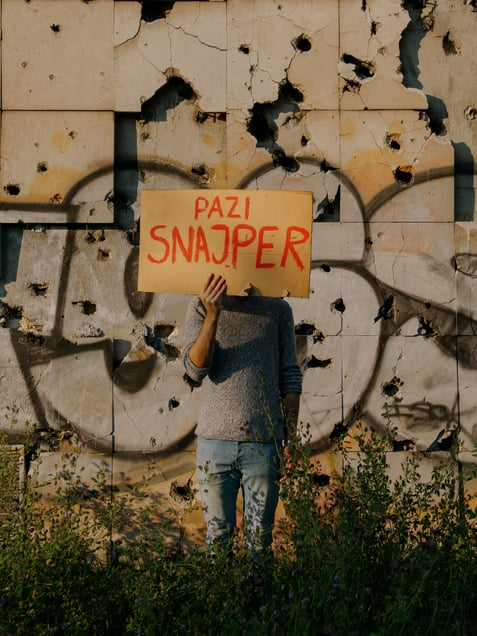
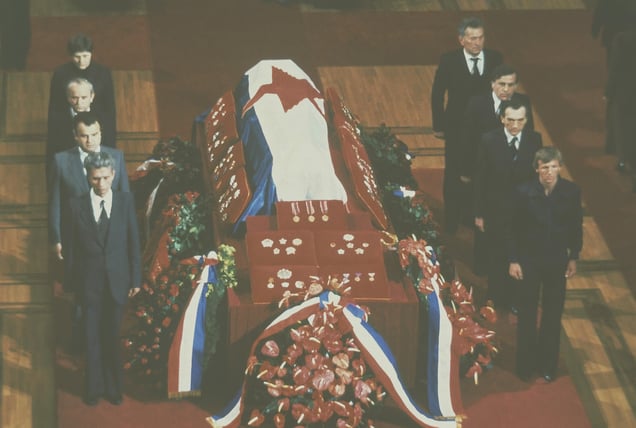
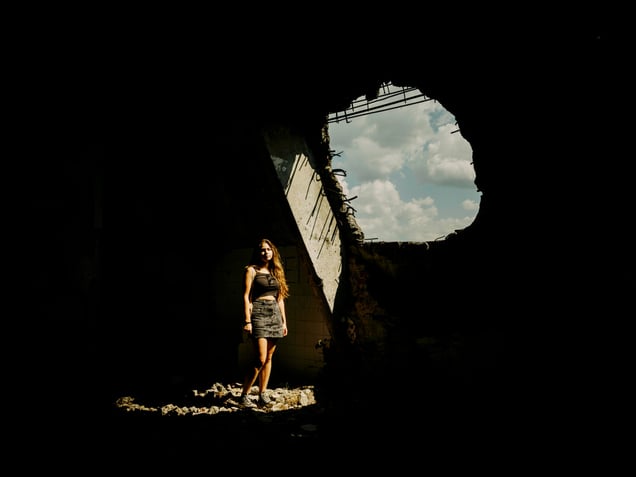
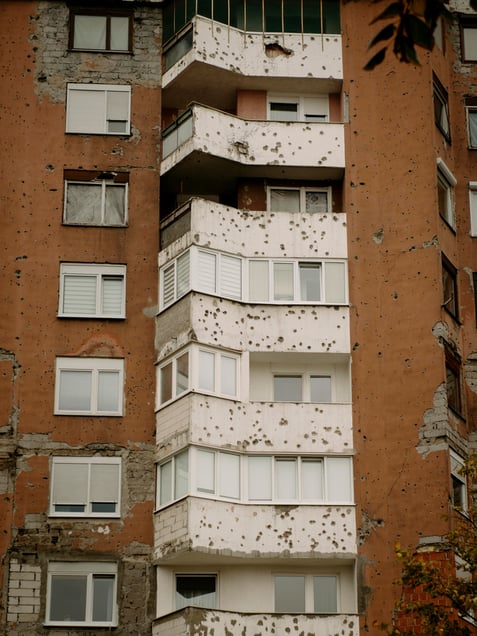
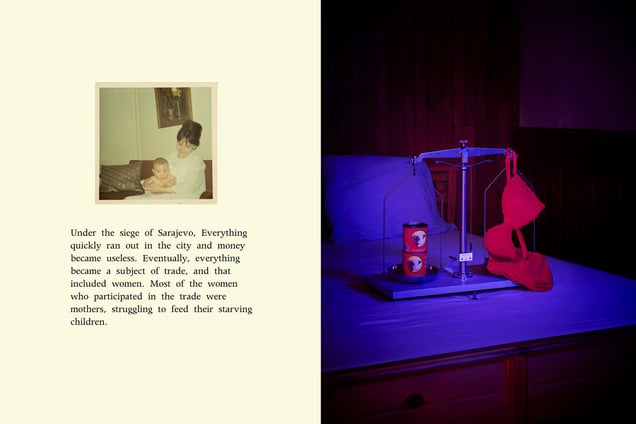
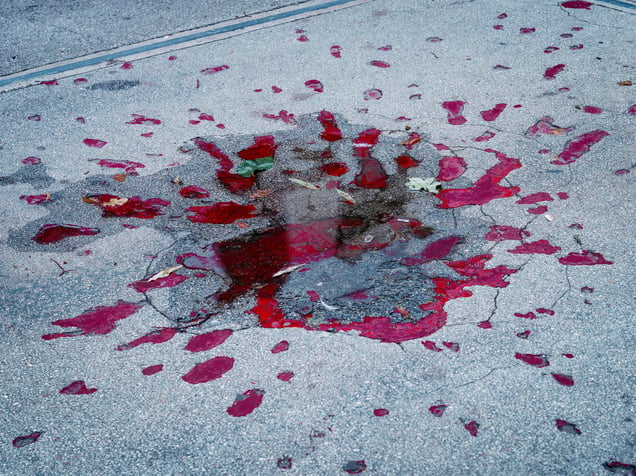
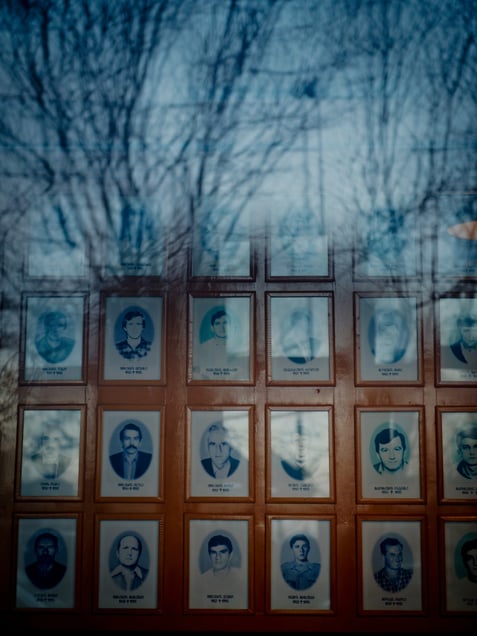
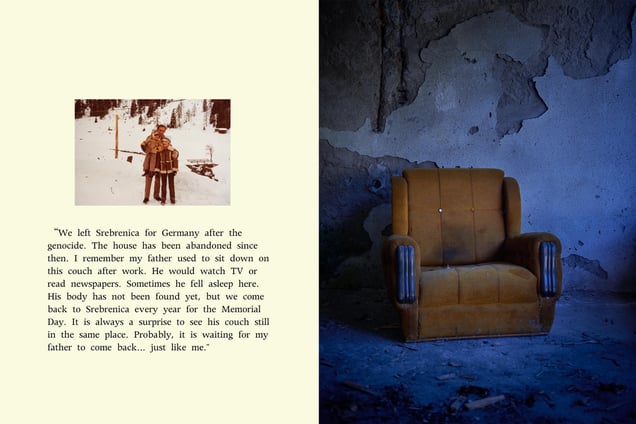
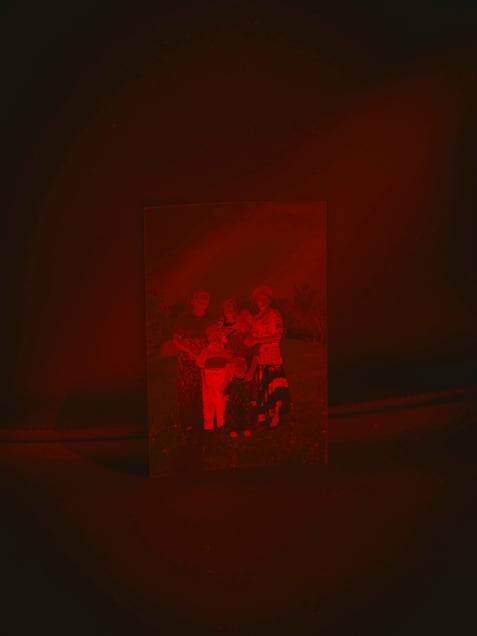
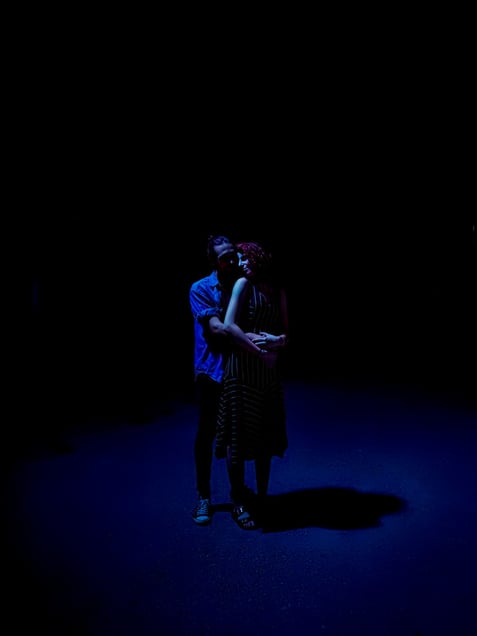
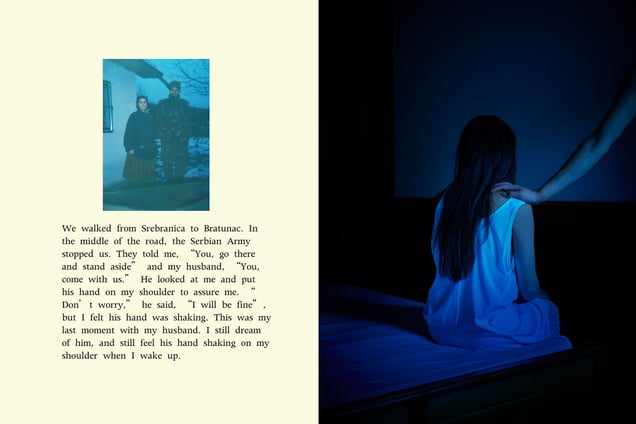
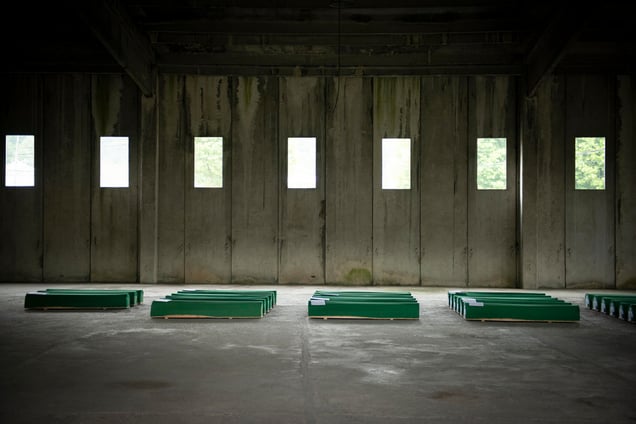
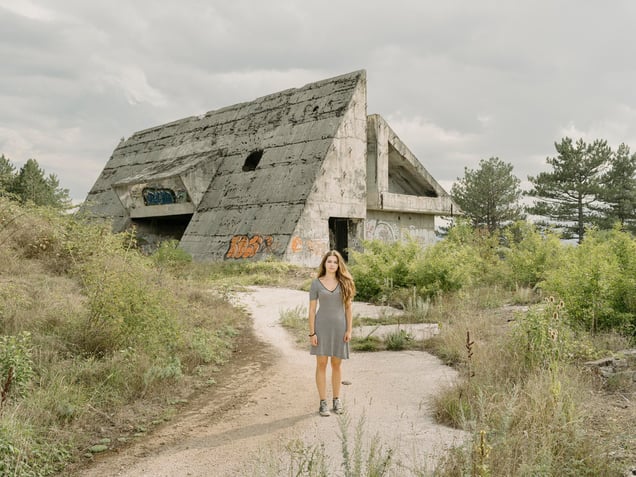
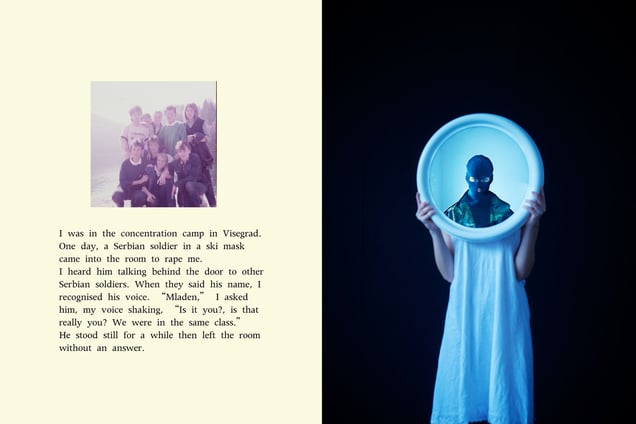
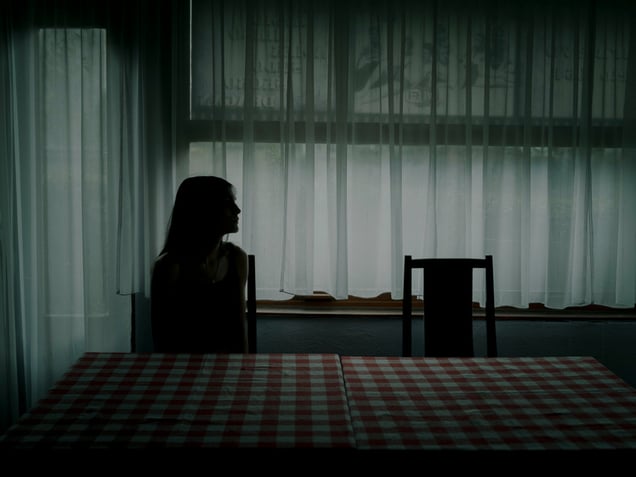
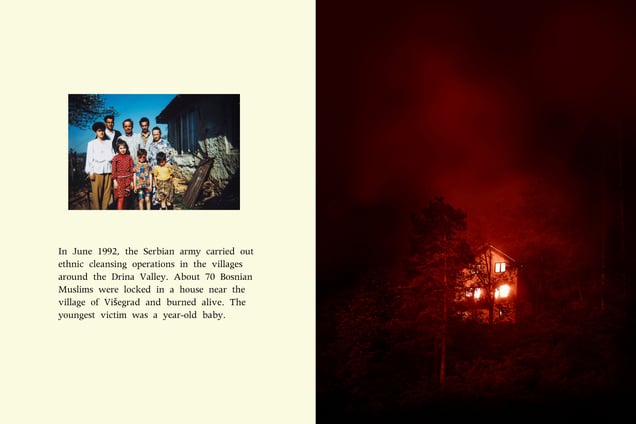
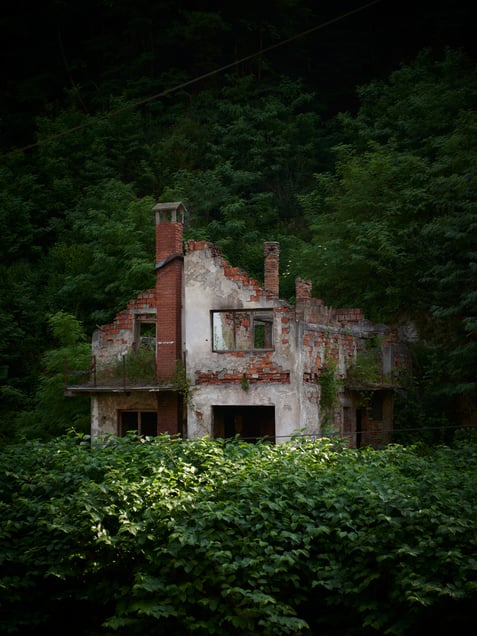
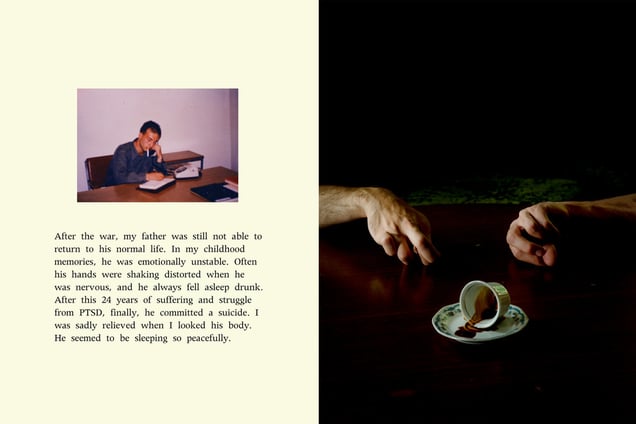
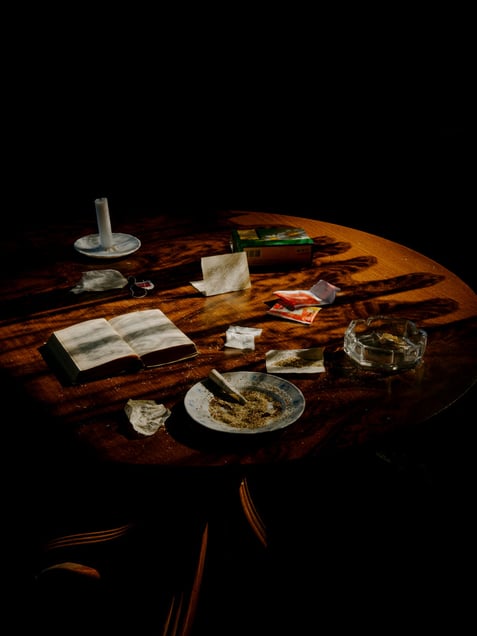
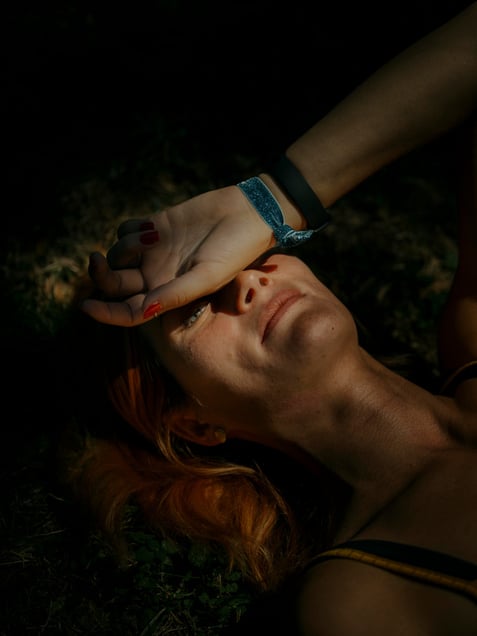
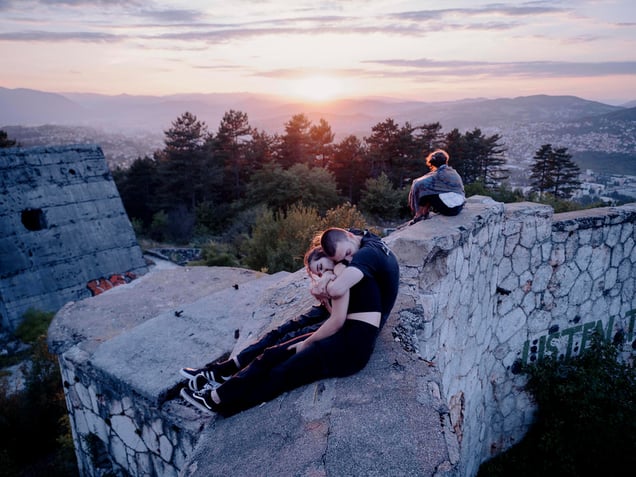
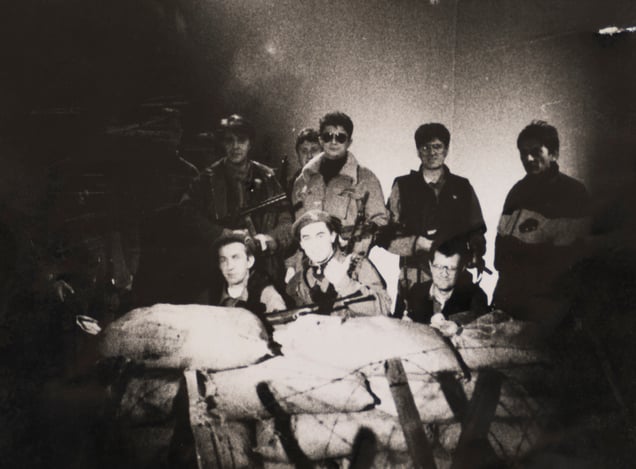
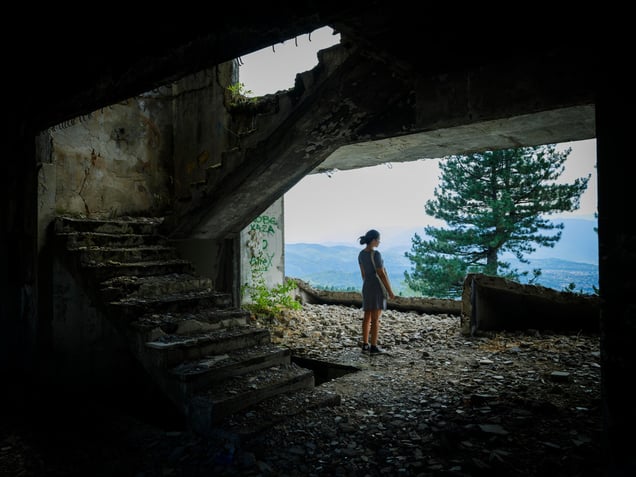
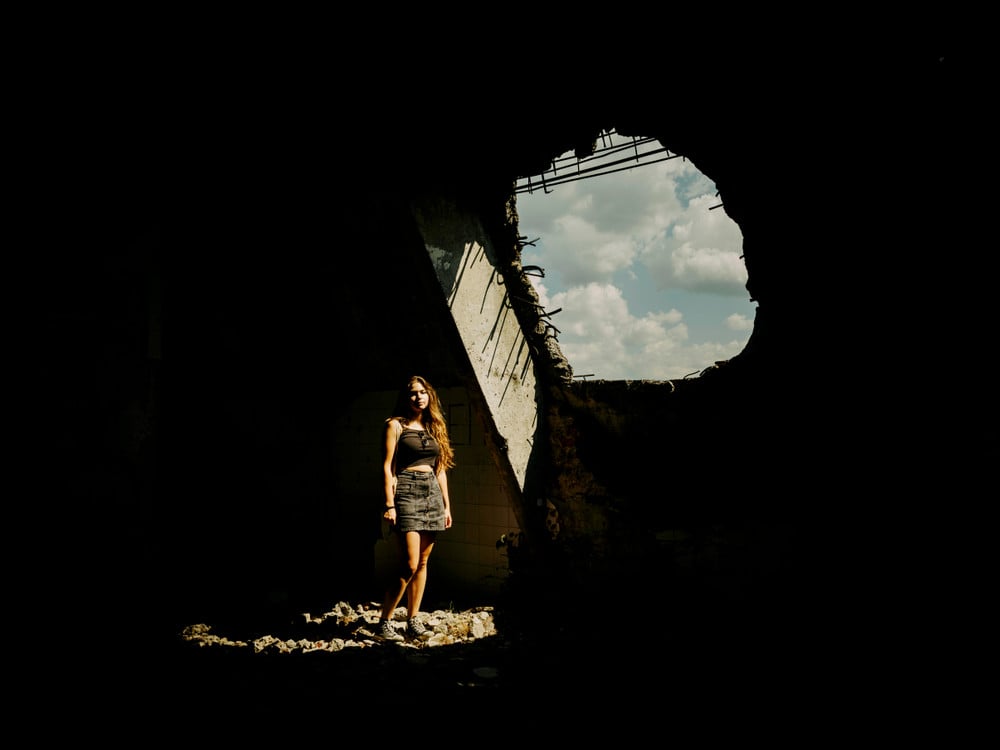
The Bosnian War ended 30 years ago. The complex history of ethnic and religious differences in the Balkans has given rise to numerous conflicts. There was a period of temporary peace under Josip Broz Tito, but after his death, the Yugoslav Federation collapsed under ethnic conflict, leading to several civil wars and then ultimately disappeared from history. Among the Yugoslavian civil wars, the Bosnian War is remembered the longest and most brutal one. During the three years of war, former friends and neighbors tortured, killed and raped each other. Finally, the war forcely ended by the internationl intervention. But the war crimes committed between neighbors left deep trauma in the society and it became the cause of persistent ethnic conflict after the war. Today, Bosnian society still lives with the scars of this past. Buildings and roads throughout the cities still have the trace of bomb shells and bullets, and society remains under constant ethnic tension. Even these tensions continue to affect post-war generations. This situation has severely impacted the economy, and faced with an uncertain future, many young people have left the country. This project aims to recount the traumatic Bosnian society. The Bosnian War ended 30 years ago. But the ghost of the war is still haunting in the society.
No categories selected
Photos (28)