“True beauty could be discovered only by one who mentally completes the incomplete.”
— Tenshin Okakura
In an age of homogenization and speed, what does it mean to preserve culture?
I believe it lies not in safeguarding traditional designs or formal gestures, but in inheriting a cultural attitude—a way of facing the world, shaped by a sense of quiet, localized beauty.
For over a decade, I have studied and practiced the Japanese tea ceremony. Though often seen today as a symbol of hospitality, its deepest essence lies in the sensibility of wabisabi, as refined by Sen no Rikyū.
Leonard Koren once observed that wabi-sabi has become performative, its spirit displaced by slogans of “world peace” and “communication.” This loss is not just aesthetic—it is a loss of attentiveness.
In Sense in Absence, I seek to restore that attentiveness not through tea, but through photography.
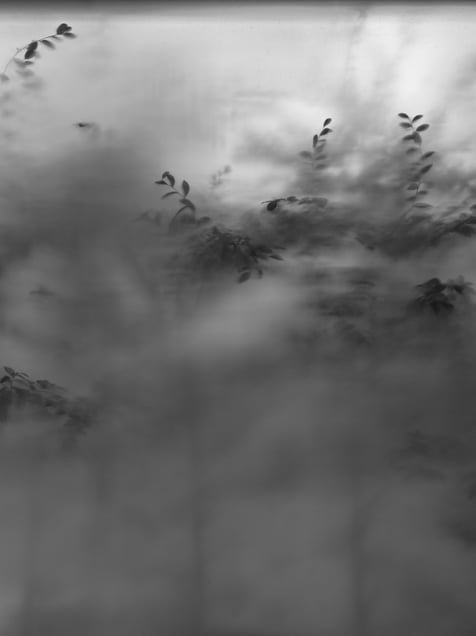
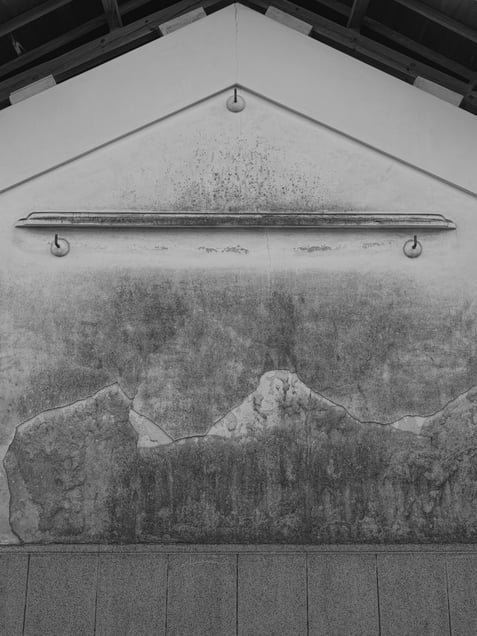
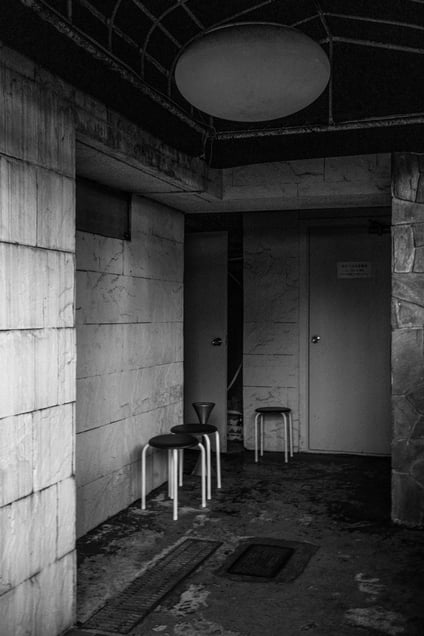
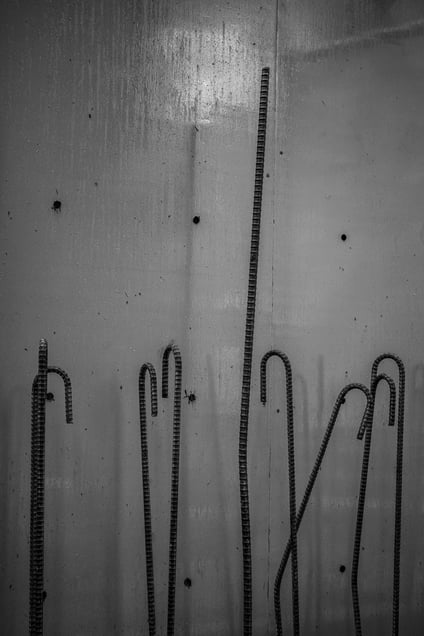
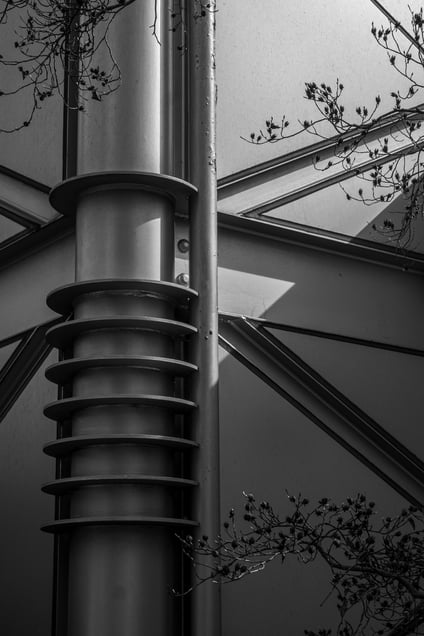
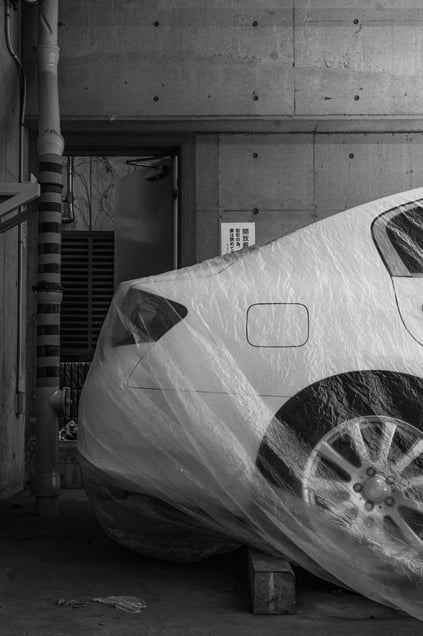
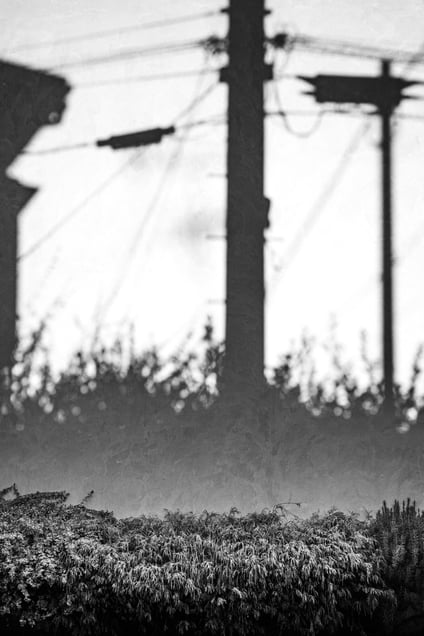
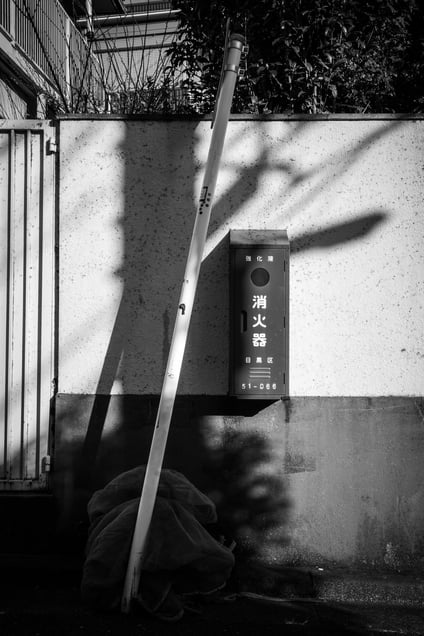
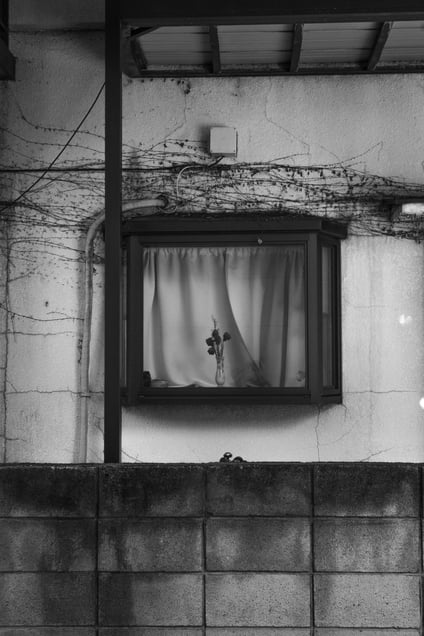
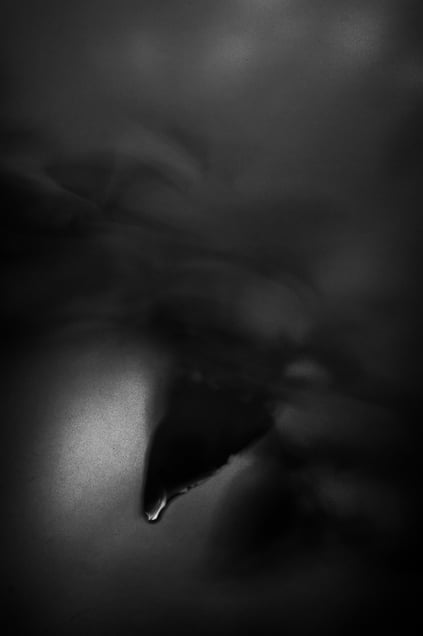
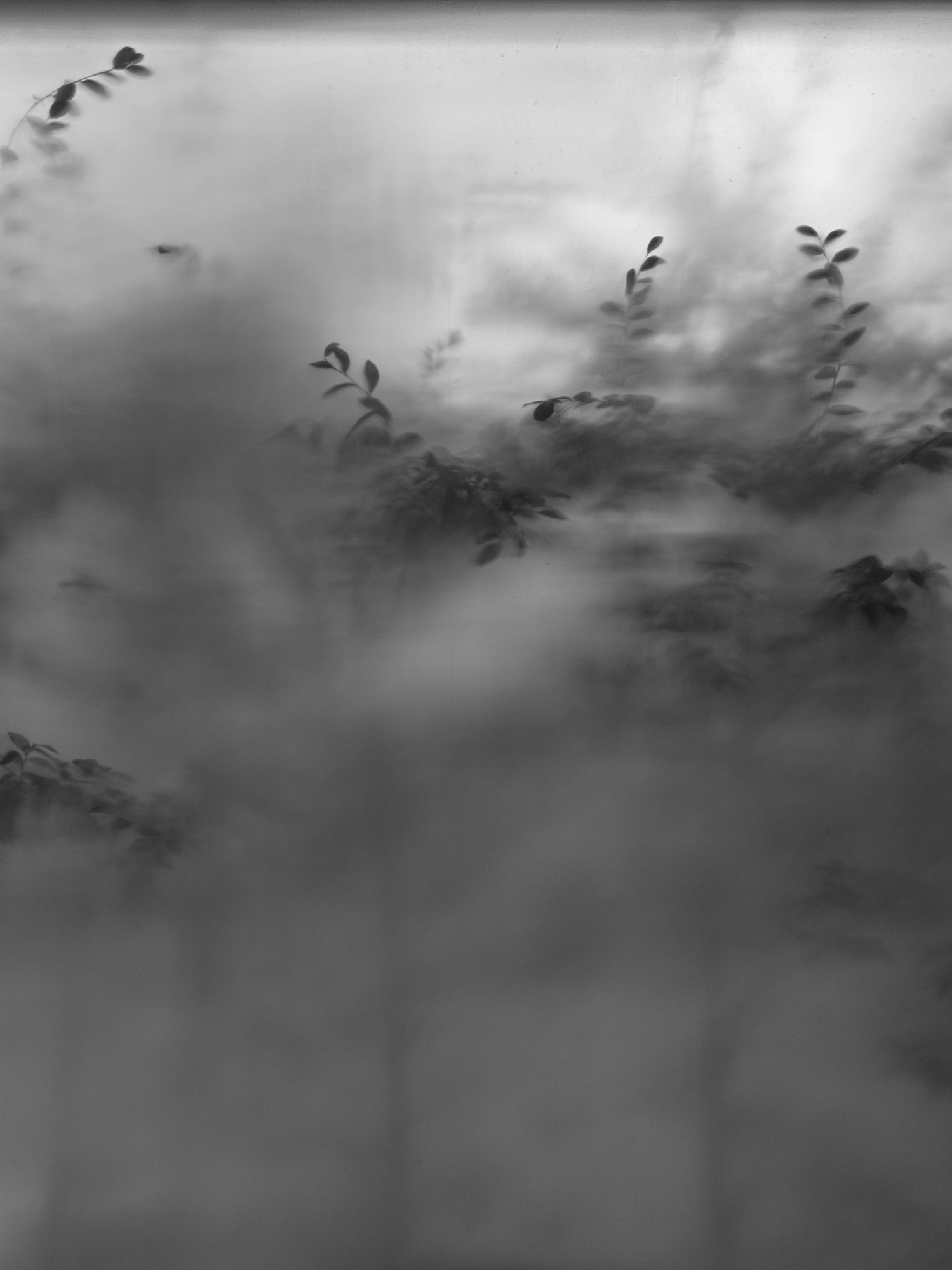
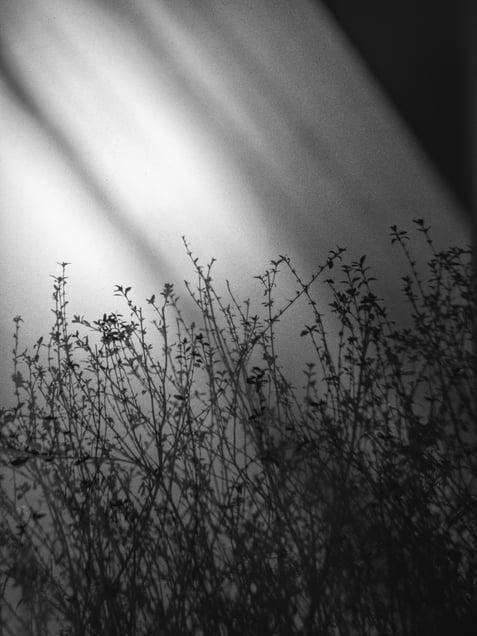
I turn my lens to nameless objects and overlooked spaces—walls stained by time, shadows cast by utility poles, plants gently dissolving into blur along their edges. These things are not extraordinary. And yet, through their presence and decay, they open a quiet dialogue between human hands, natural forces, and the viewer’s gaze.
I do not try to explain or symbolize. Like the Mono-ha artists, or Rikyū’s gaze into a soot-darkened kettle, I aim to remain in front of meaning—to invite perception before interpretation.