
Americana
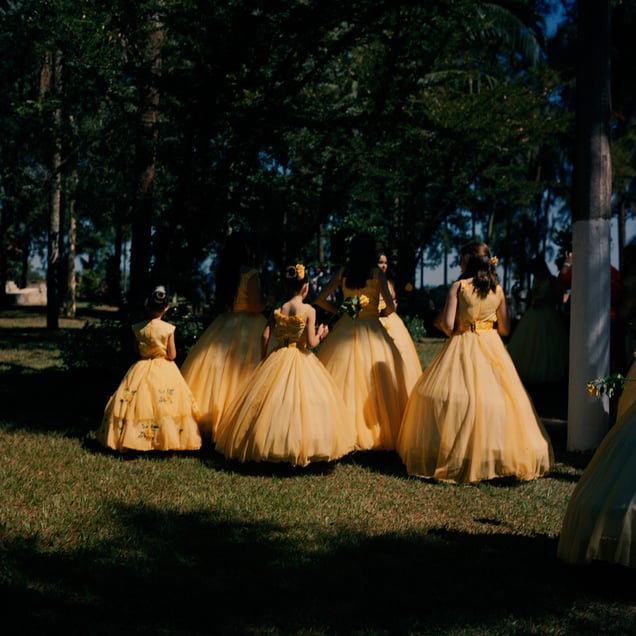
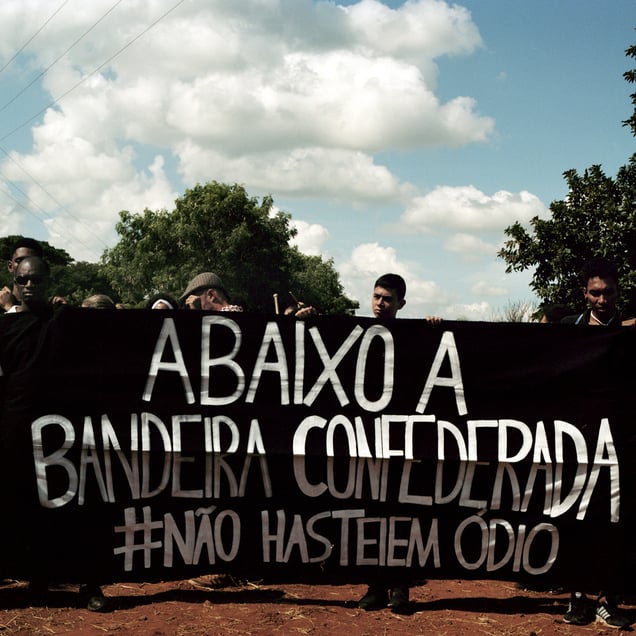
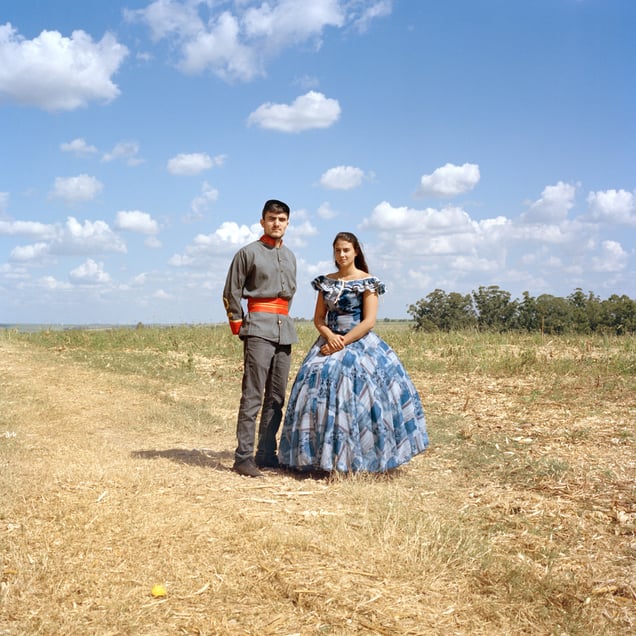
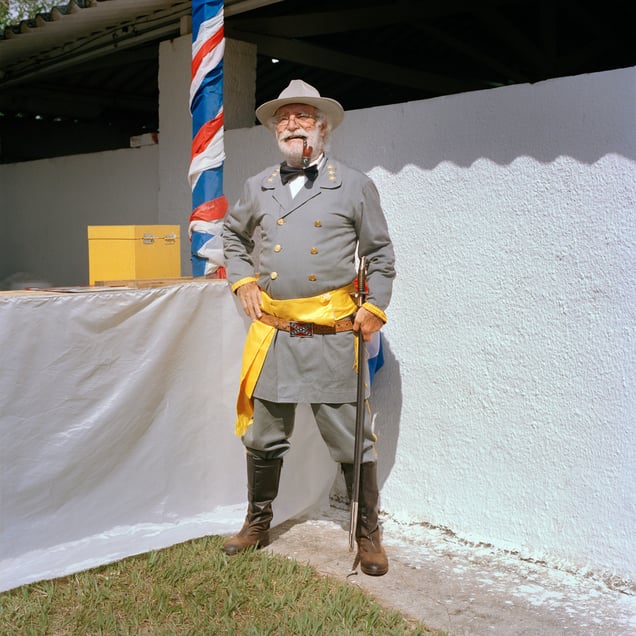
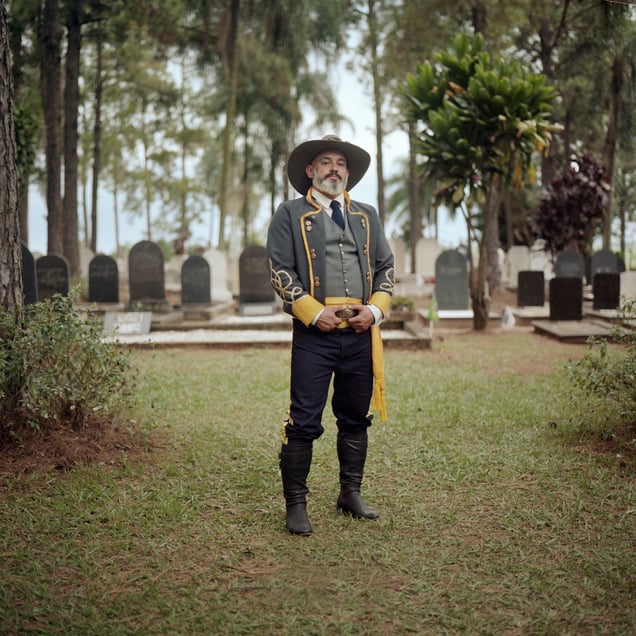
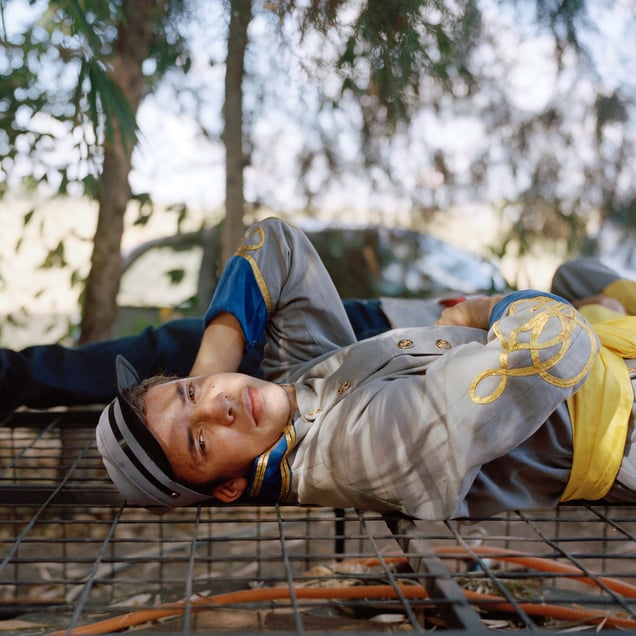
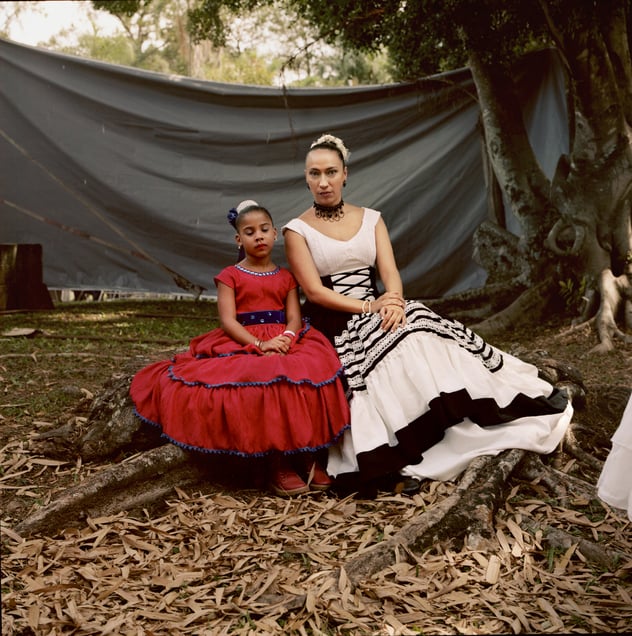
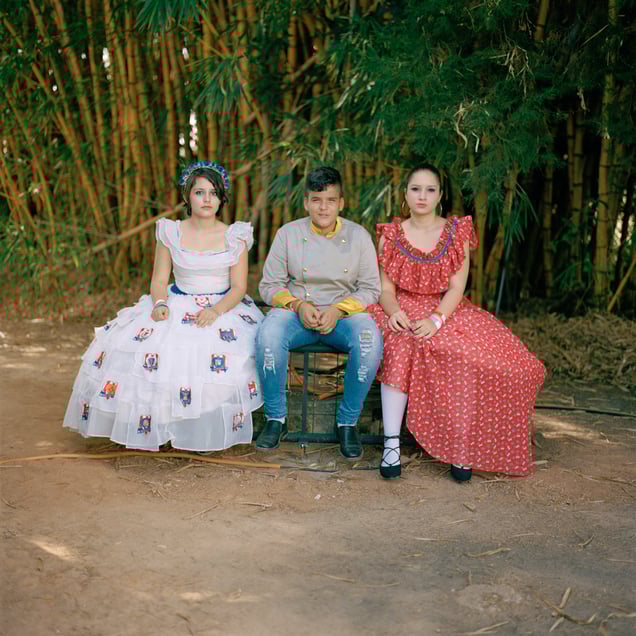
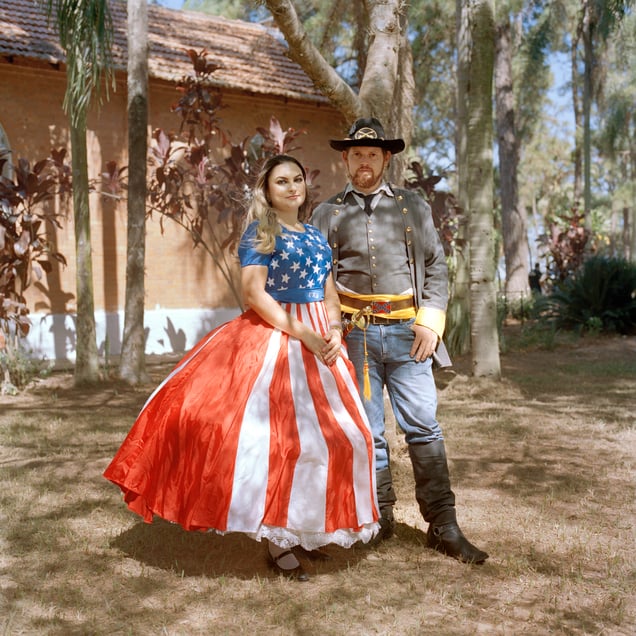
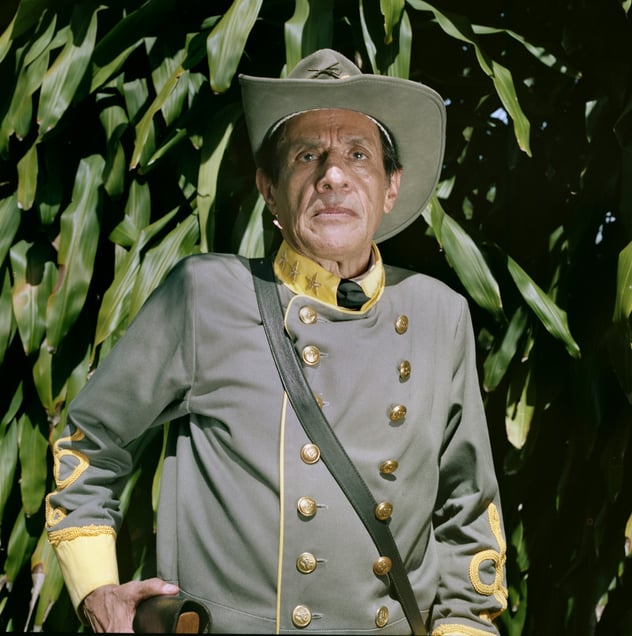
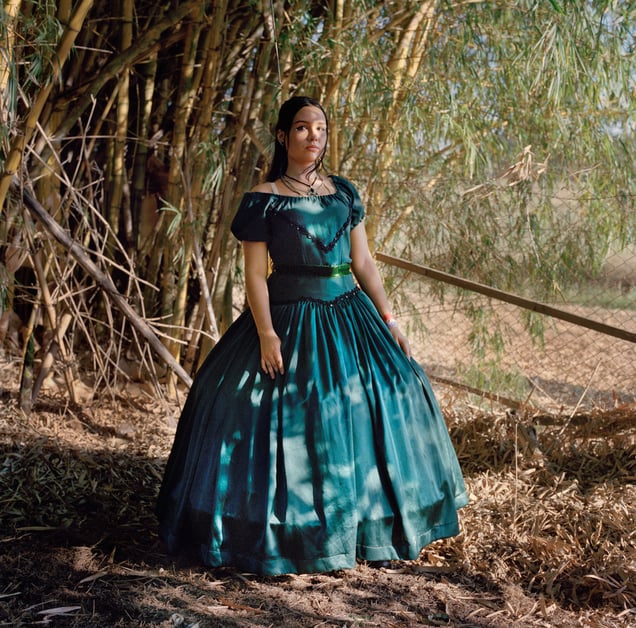
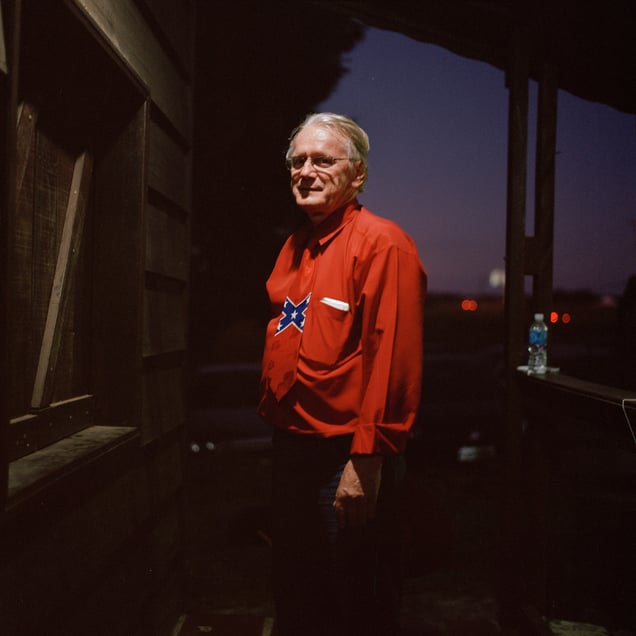
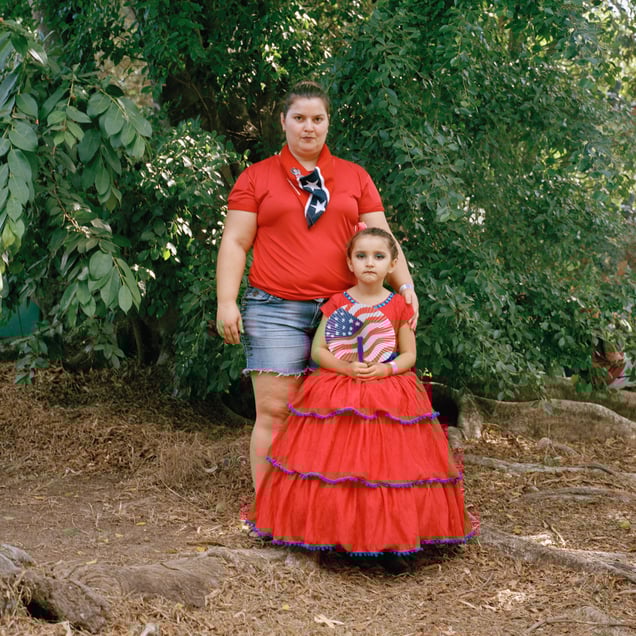
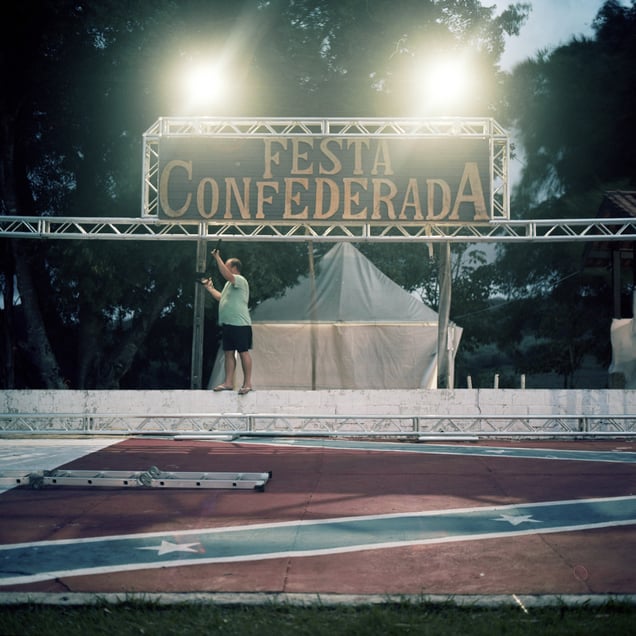
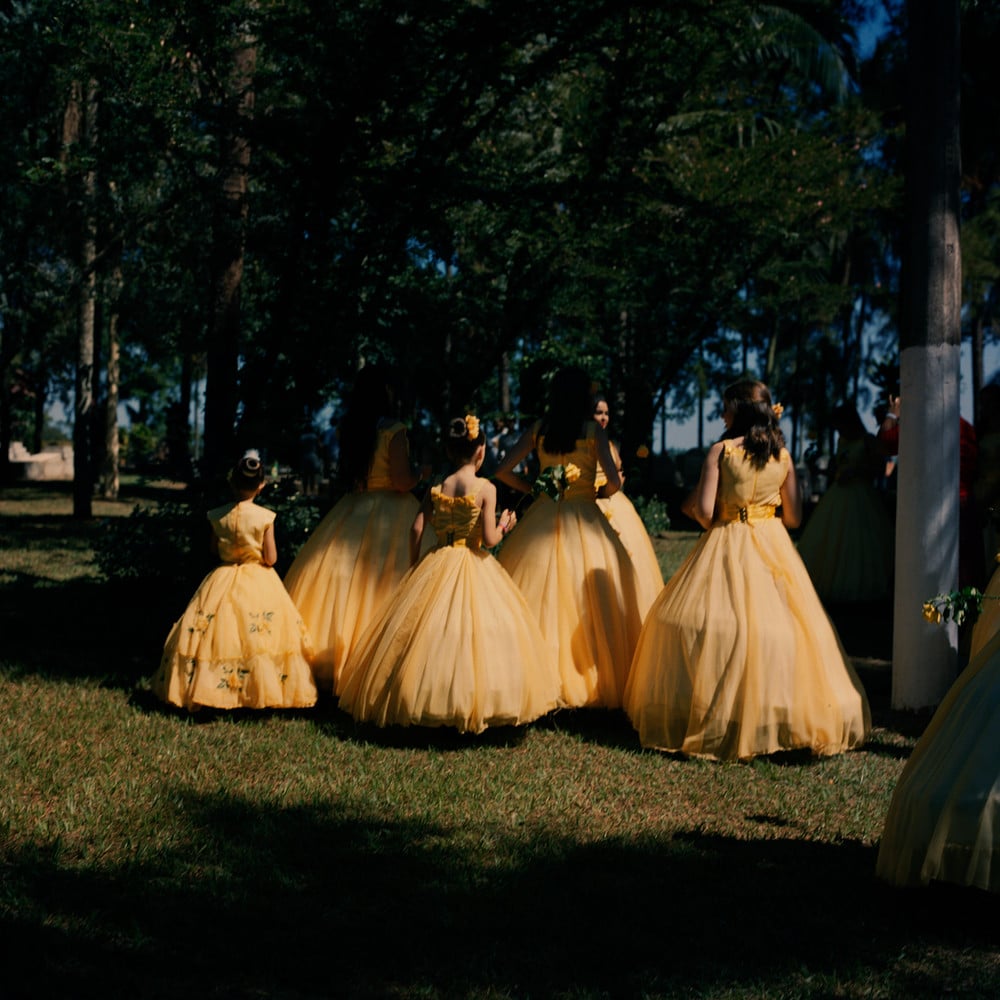
In the rural part of the state of São Paulo, in Brazil, there is a cemetery where lay the remains of Confederate soldiers who fled the American South for Brazil after losing the Civil War. This site was, until 2019, the stage of a celebration called Festa Confederada. Much like the many neighboring gated communities one must pass before reaching the long dirt road leading to the cemetery grounds, armed security personnel guard the entrance to the festival. The story of how this exotic pageant came to be hearkens to the 1860s, when Dom Pedro II, the Portuguese-born Emperor of Brazil, led a nation forged by the forced labor of people kidnapped from their homelands. The ruler not only supported the Confederate cause – the defense of chattel slavery – but offered cheap land to Confederates interested in relocating to Brazil. The former Portuguese colony would be the last country in the Americas to outlaw slavery, in 1888, 20 years after the first southerners arrived on its shores. The Confederates, he hoped, would modernize Brazilian agriculture and play into his social darwinist fantasy to whiten Brazil via strategic, selective immigration policies. The Americanos came in droves –some 9,000– and settled most successfully in the state of São Paulo, specifically in Americana and Santa Bárbara D’Oeste. While the local chapter of a movement called UNEGRO (a national organization for the rights of Afro-Brazilians) protested for years outside the Festa Confederada against the flag, the festival’s organizers were adamant about maintaining it. For them it is an innocent, apolitical symbol of family values and friendship. In 2022, the City Council of Santa Bárbara D'Oeste (which had been one of the festival's sponsors) decided to prohibit the use of hate symbols in public events. Since then, the Festa Confederada has been turned into a private event for the descendants of the settlers.
No categories selected
Photos (17)