
Morocco: Hide 'n Seek Game, Diary of Daily Amaze
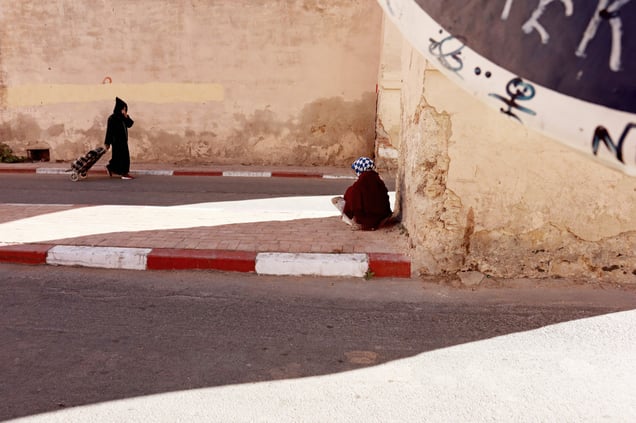
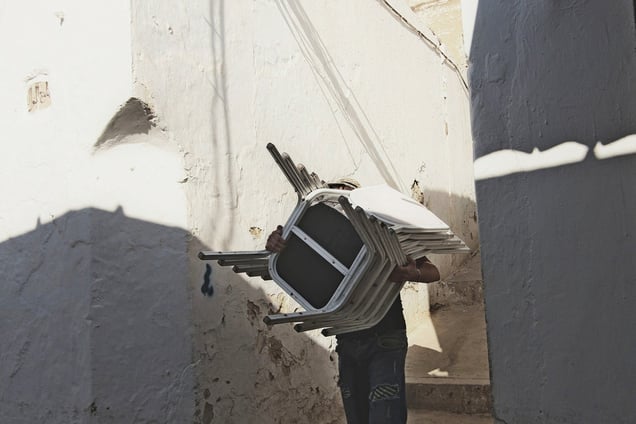
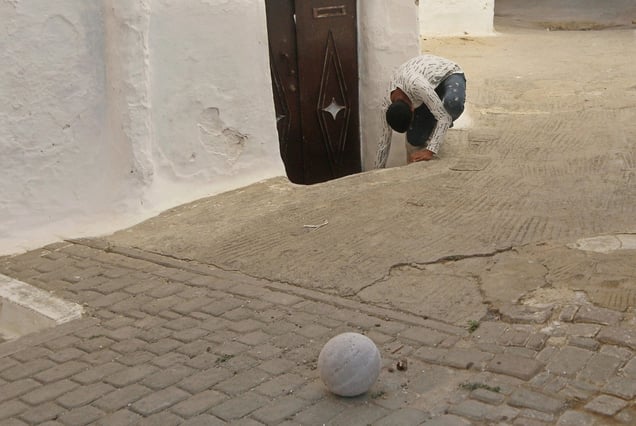
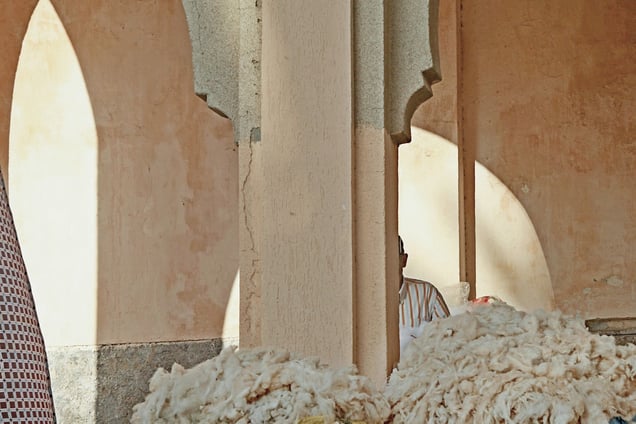
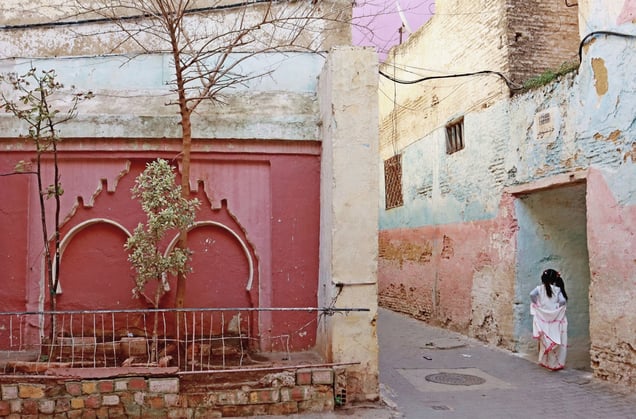
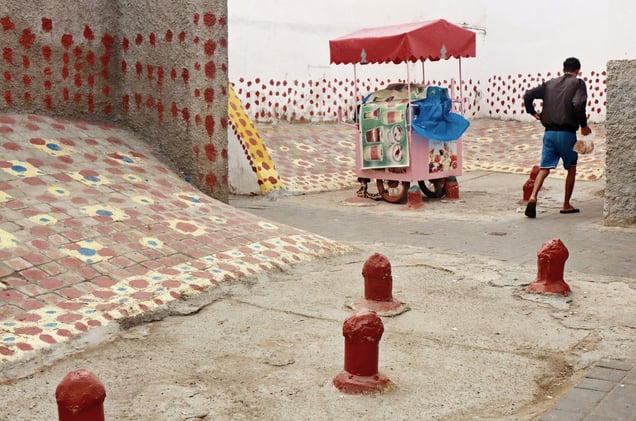
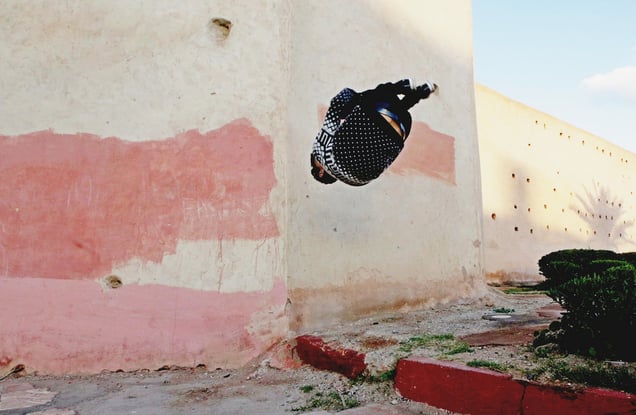
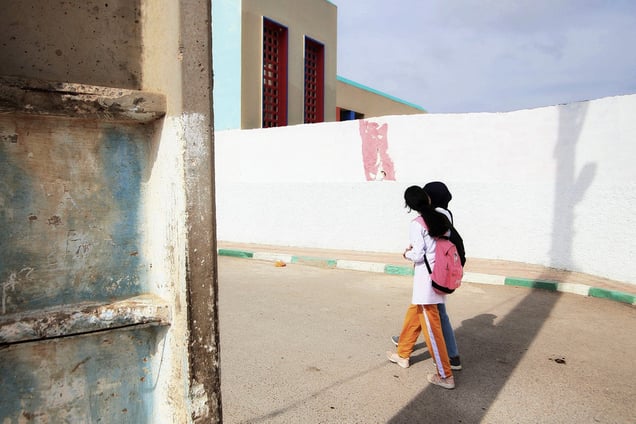
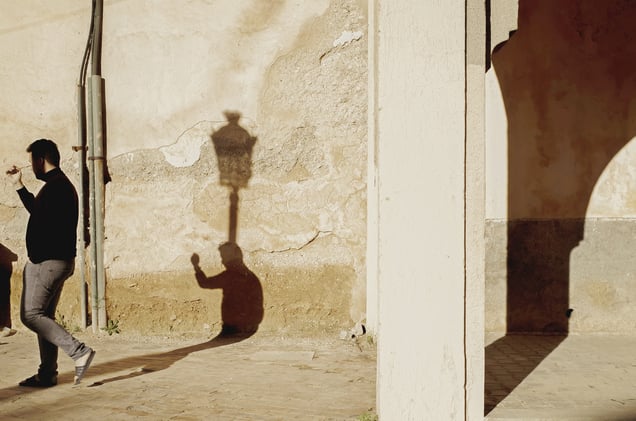
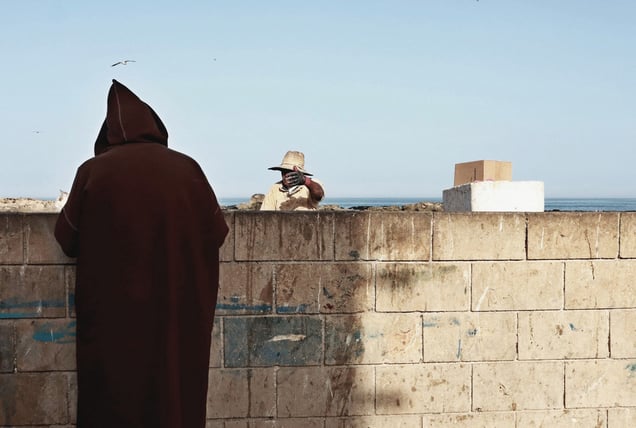
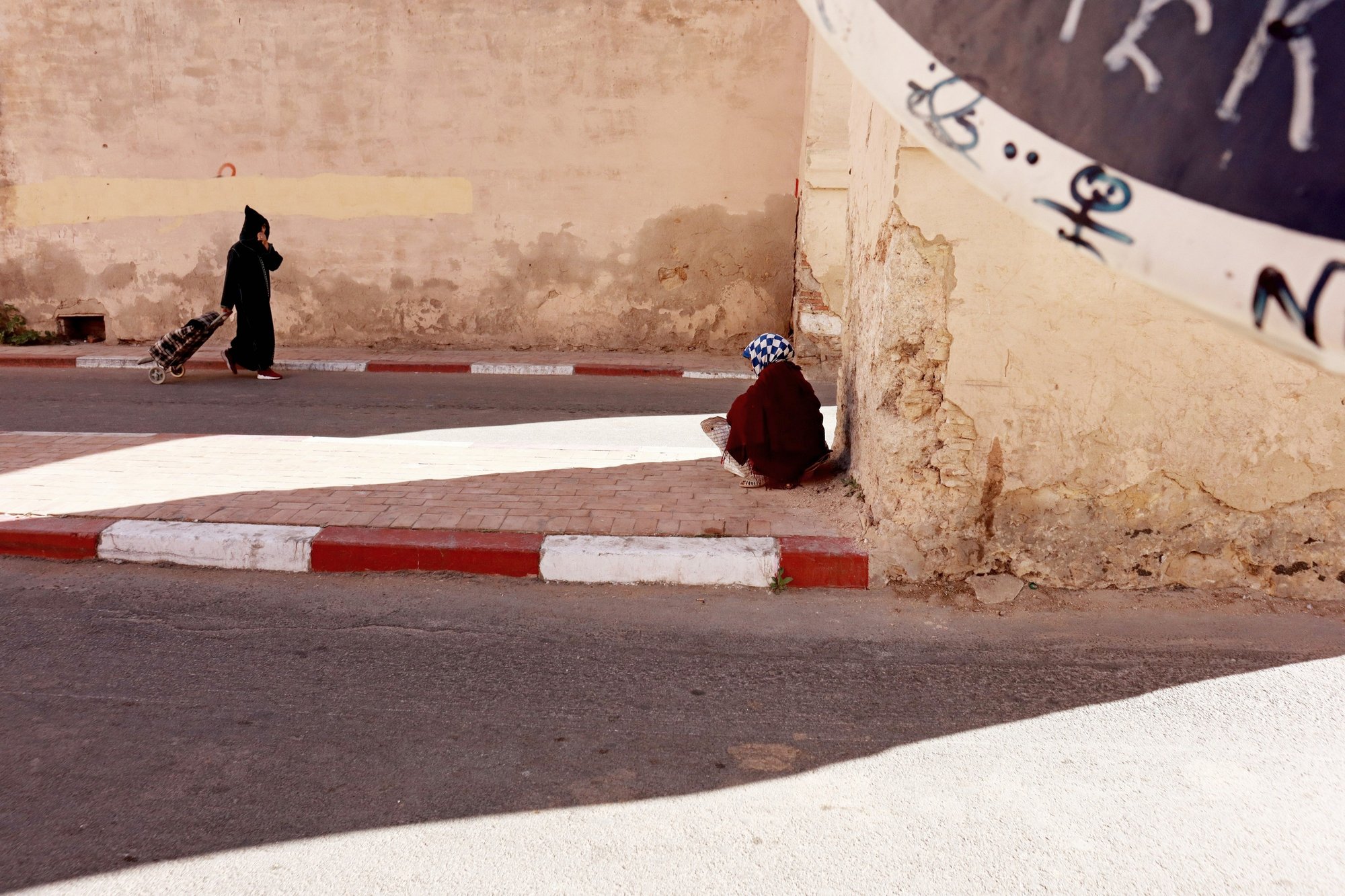
Is it still possible—after the sweeping tides of globalization and the flattening effects of the digital gaze—to encounter the Morocco once sensed by Matisse, Barbey, and Gruyaert? These questions form the beating heart of Paula Kajzar’s photographic odyssey, distilled in her newest series Hide 'n Seek Game, Diary of Daily Amaze. Over the course of nine long journeys between 2014 and 2024, Kajzar traversed Morocco not as a tourist, nor as a documentarian, but as a seeker—of silence, of signs, of that elusive threshold where the ordinary world momentarily opens into the infinite. This body of work does not concern itself with the surface facts of place. Rather, it is a poetic excavation of a deeper visual grammar—composed of flickers of light, ephemeral shadows, whispered gestures, and the sacred tension between presence and absence. Each photograph in the series functions autonomously, a discrete tableau imbued with painterly balance and metaphysical resonance. Yet seen together, the works create a cumulative visual liturgy, a kind of spiritual cartography of contemporary Morocco in which the Sufi imagination persists—resilient, if often concealed—in the folds of a djellaba, in the half-light of a medina wall, or in the angled silhouette of a passing figure. Kajzar’s compositional method is neither illustrative nor observational; it is intuitive and interpretive. Her lens does not record but reveals. The geometry of her framing and the dreamlike tonal shifts evoke a visual language not far from surrealism. In this vision, the world does not dissolve into fantasy but into a deeper, veiled truth. Human presence is central to this series, though never centralised. The figures that populate these photographs do not perform for the viewer—they pass like phantoms, witnesses, or guides. Often faceless, they gesture toward the Sufi principle of humility and self-erasure. Crucially, Kajzar approaches her subjects with a radical ethic of respect. Her practice reflects a sensitive engagement with Islamic visual culture, particularly the iconoclastic spirit that values what is ineffable, non-material, and private. This is not a literal avoidance of representation, but a reverence for invisibility—a respect for the divine that resists fixation. In Hide 'n Seek Game, Diary of Daily Amaze, Kajzar reinvents the photographic medium as an act of devotion. Her camera becomes less an instrument of capture than a vessel for contemplation. The resulting images offer viewers not only glimpses of a place, but invitations into a state of mind—where beauty is subtle, mystery is ambient, and the sacred shimmers, just at the edge of perception. This is not Morocco as lesure destination, but as mirror: reflecting the still-possible encounter between the visible world and the inner self.
No categories selected
Photos (10)