They Returned
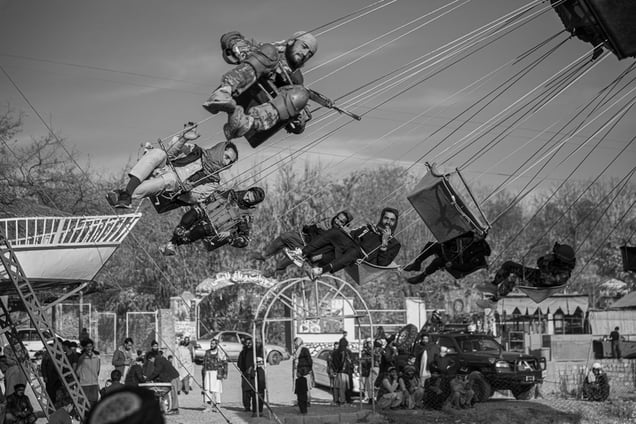
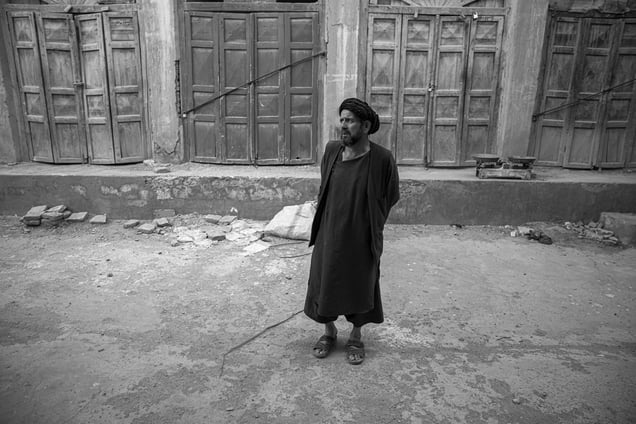
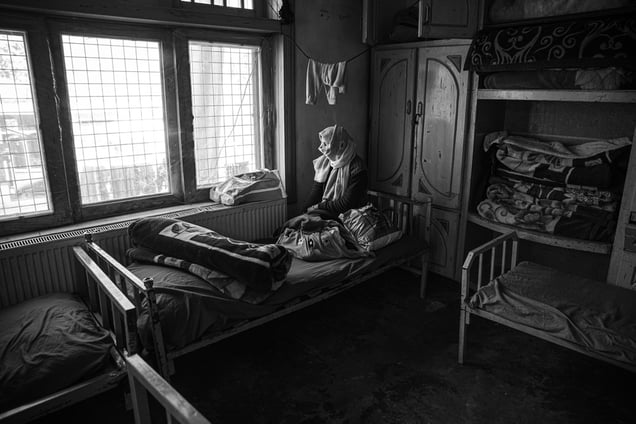
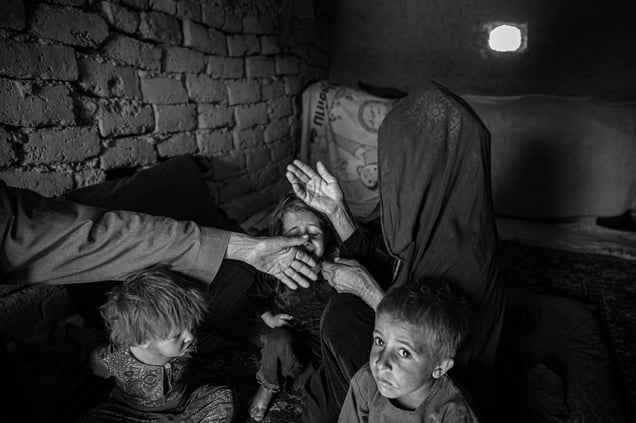
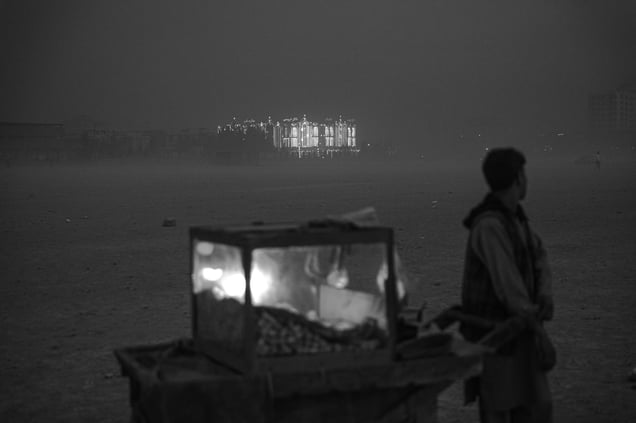
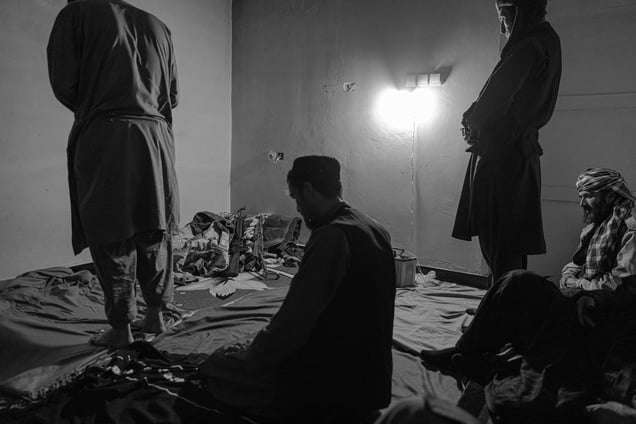
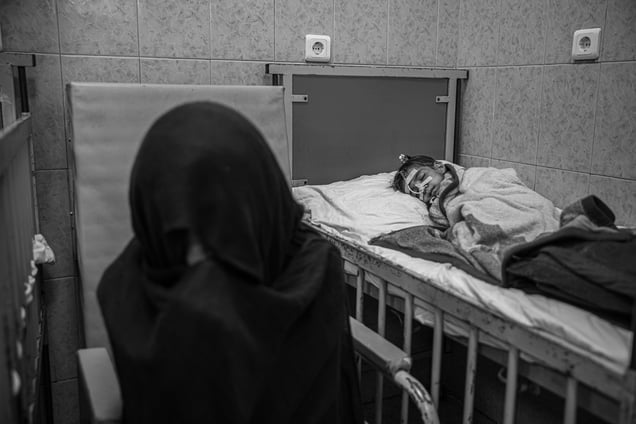
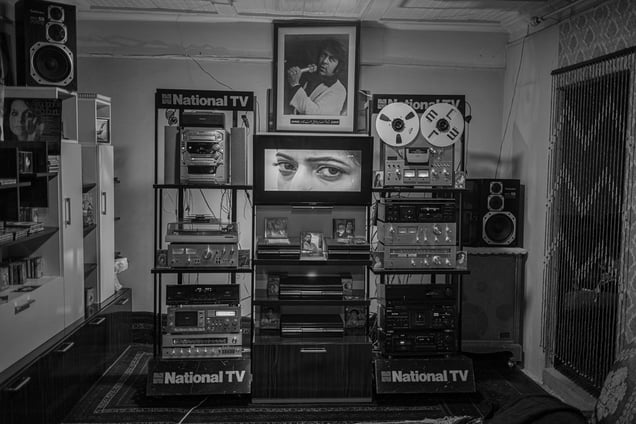
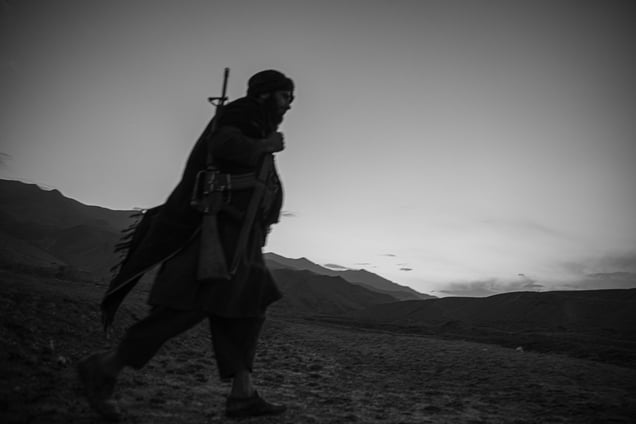
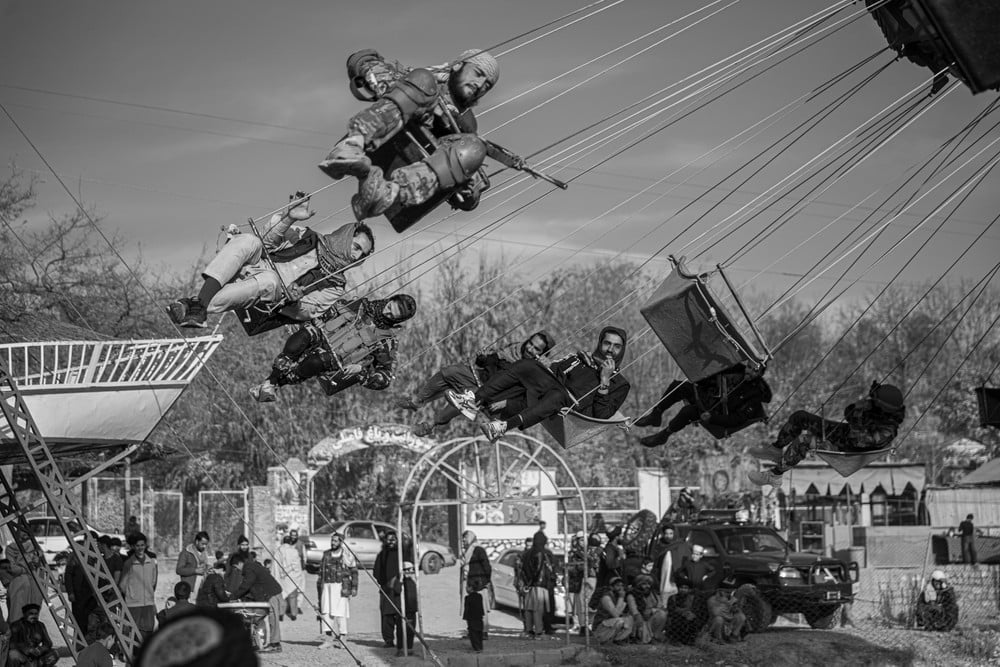
Afghanistan now called the Islamic Emirate of Afghanistan, has been embroiled in war, poverty, and unsafety for more than four decades. The Taliban, which had earlier been in power for about 4 years, after years of civil war and hideout life in Afghanistan's remote mountains and deserts, are now back in power. The movement and religious-military organization, now wielding a considerable degree of financial and political power, is estimated to have more than 75,000 fighters in its ranks. This return of the Taliban to power has not only changed the lives of ordinary Afghans but also the lives of Taliban members themselves. These changes, on all sides, have given a new face to daily life in Afghanistan. The first and most prominent question facing the people of Afghanistan is that of staying or leaving, which has divided them even further. Those who have chosen to stay, while trying to get past the oppression and pain, have to deal with a lot of ambiguity which makes their picture of life a foggy one. Women and children, athletes, artists and art lovers, addicts, and even marketers are all waiting to see what this new government will do to them. Those who have fled the country, however, envision a brighter future for themselves. This pursuit takes a toll as they have farewelled to a place they used to call home. Taliban members, however, have a different story. For years, they have been living and fighting alone in the mountains and remote areas, witnessing the
No categories selected
Photos (20)