Bullets have no borders
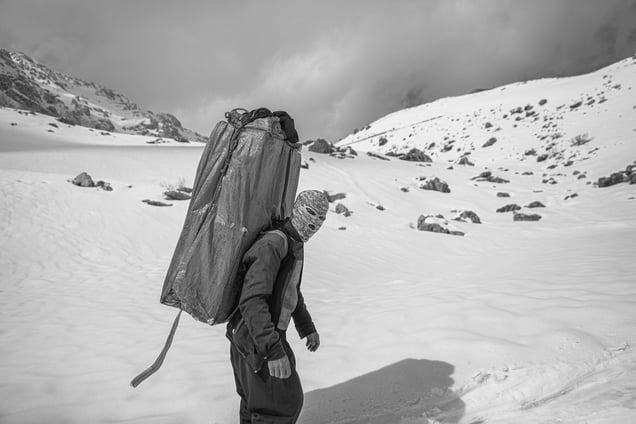
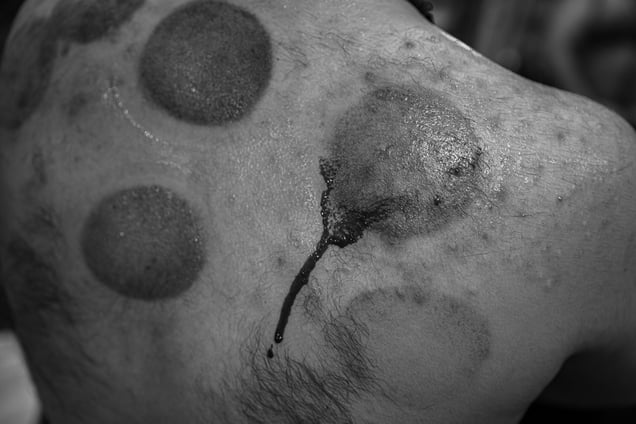
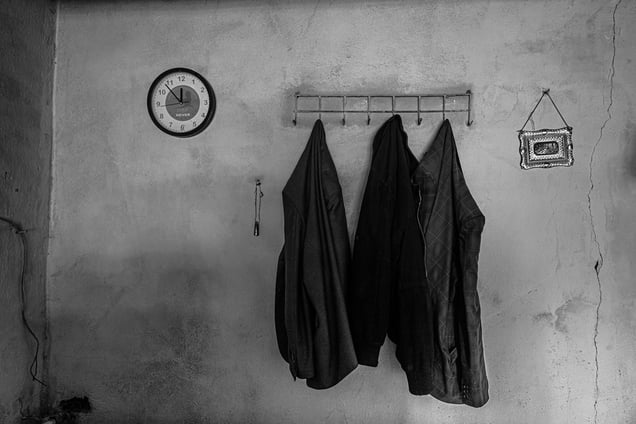
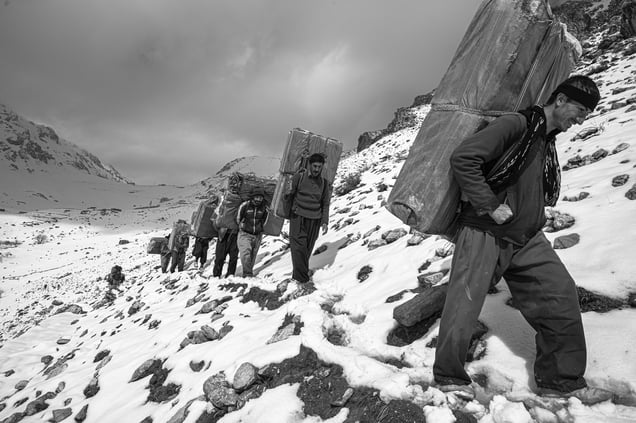
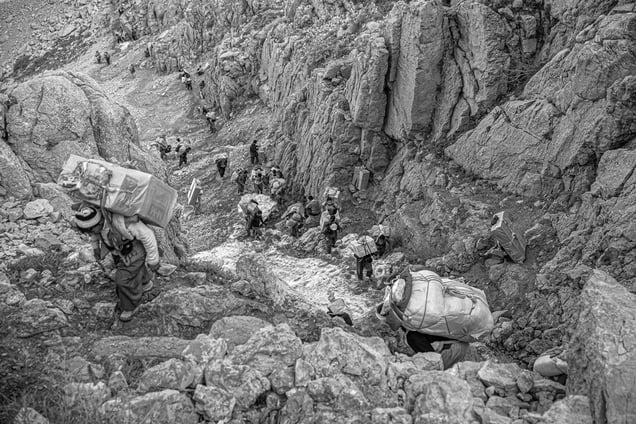
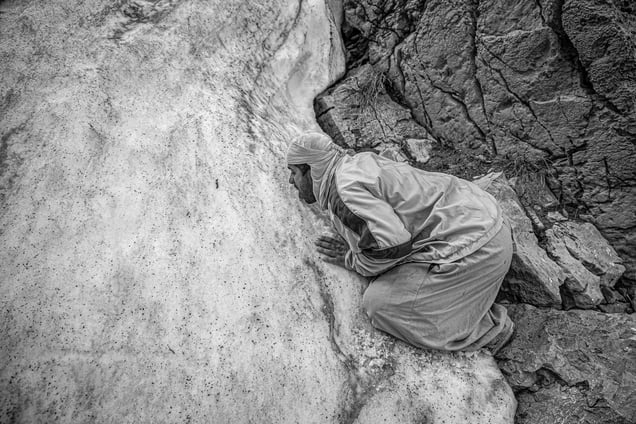
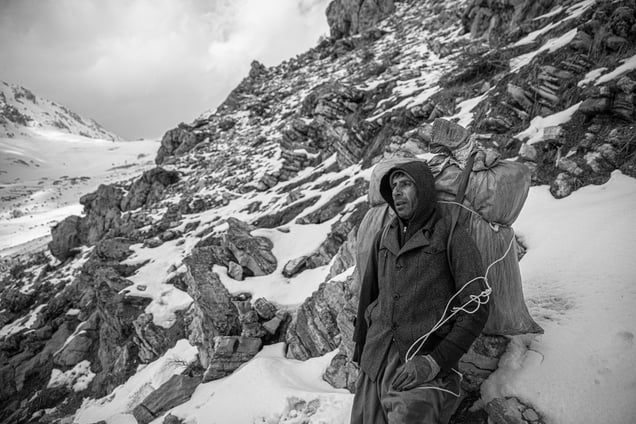
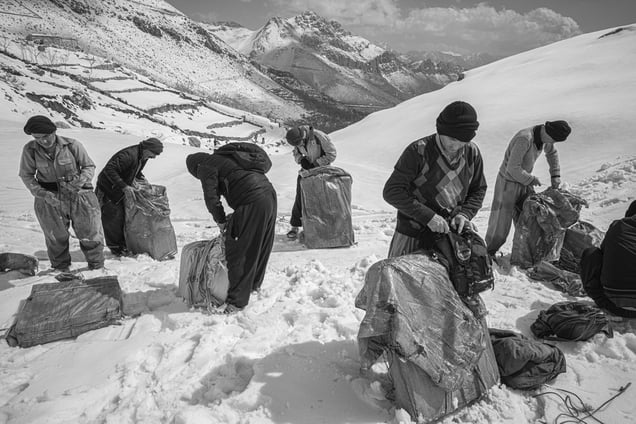
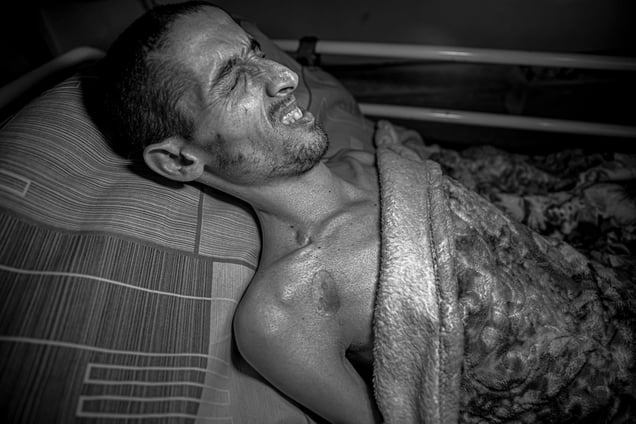
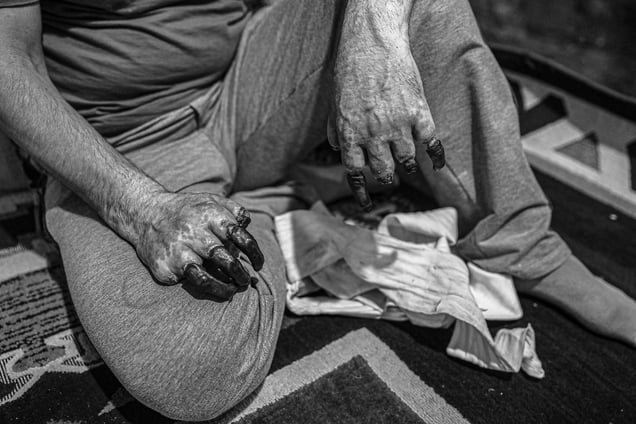
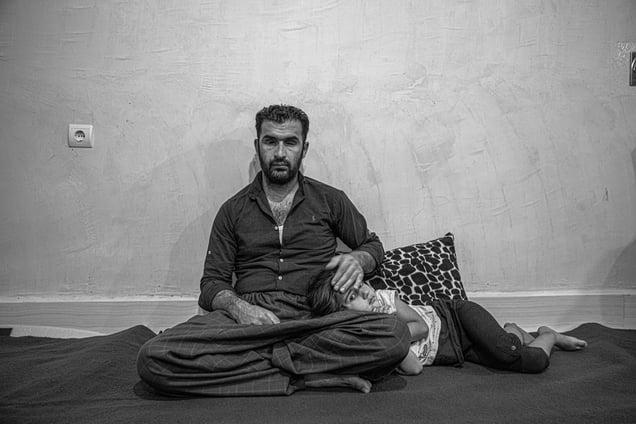
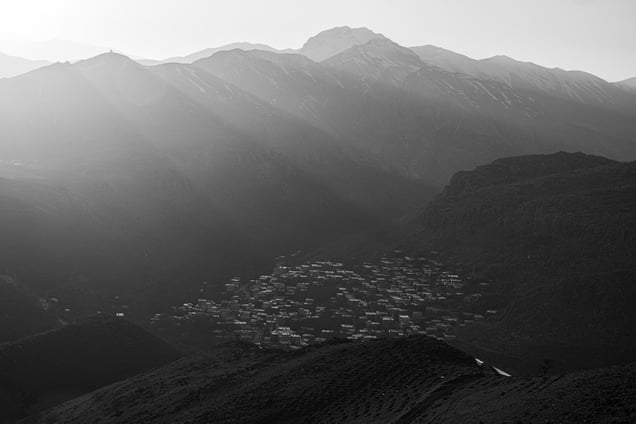
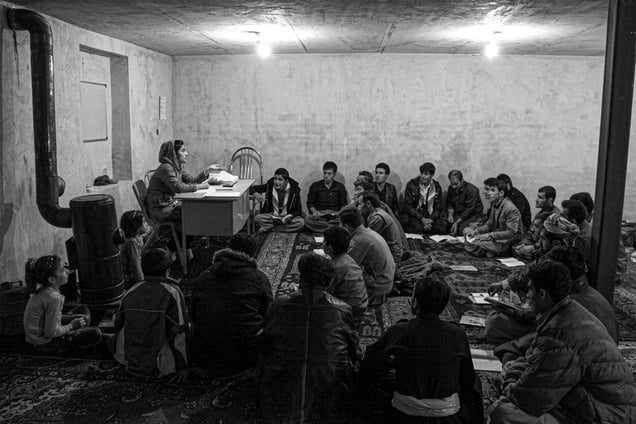
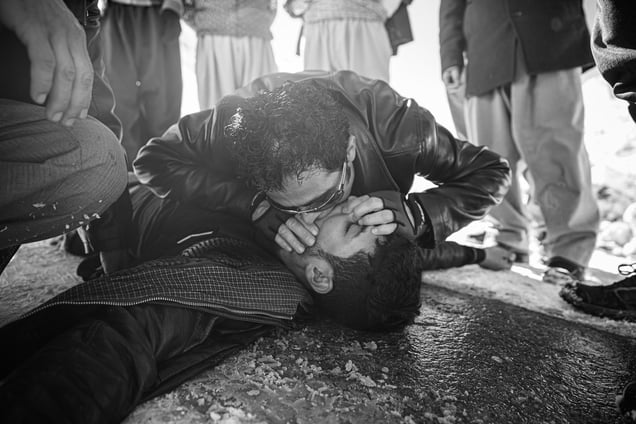
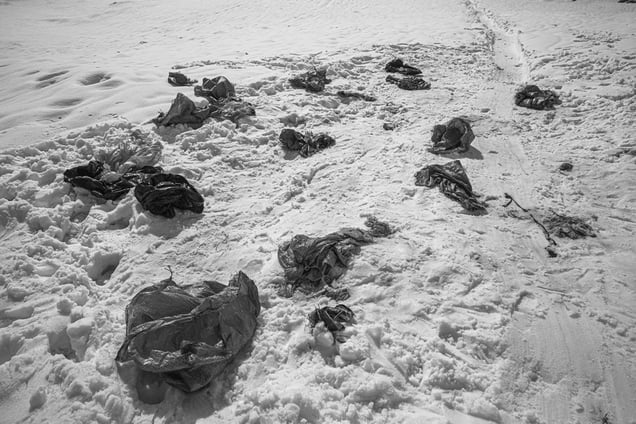
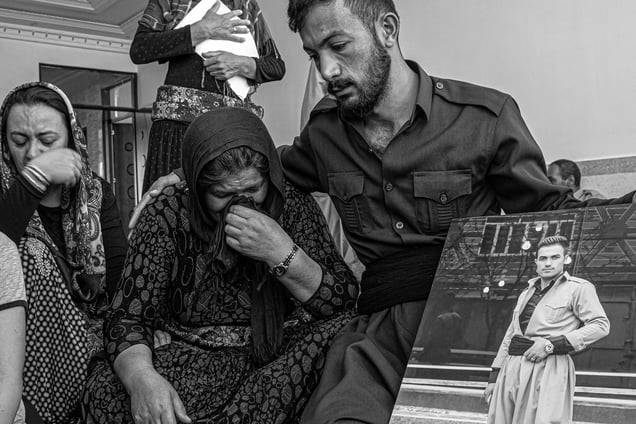
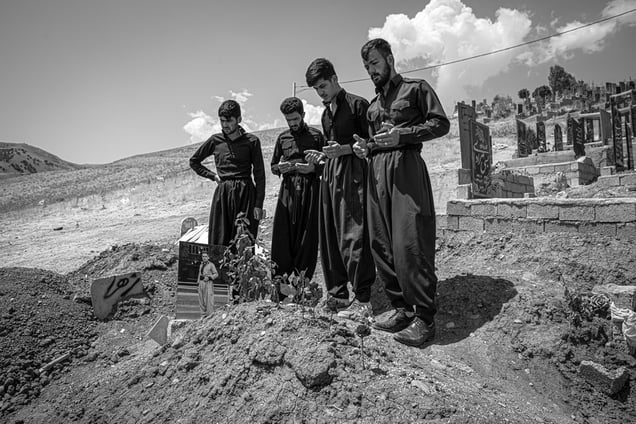
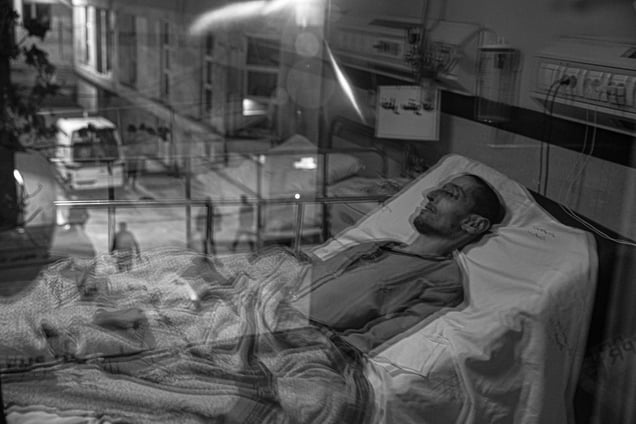
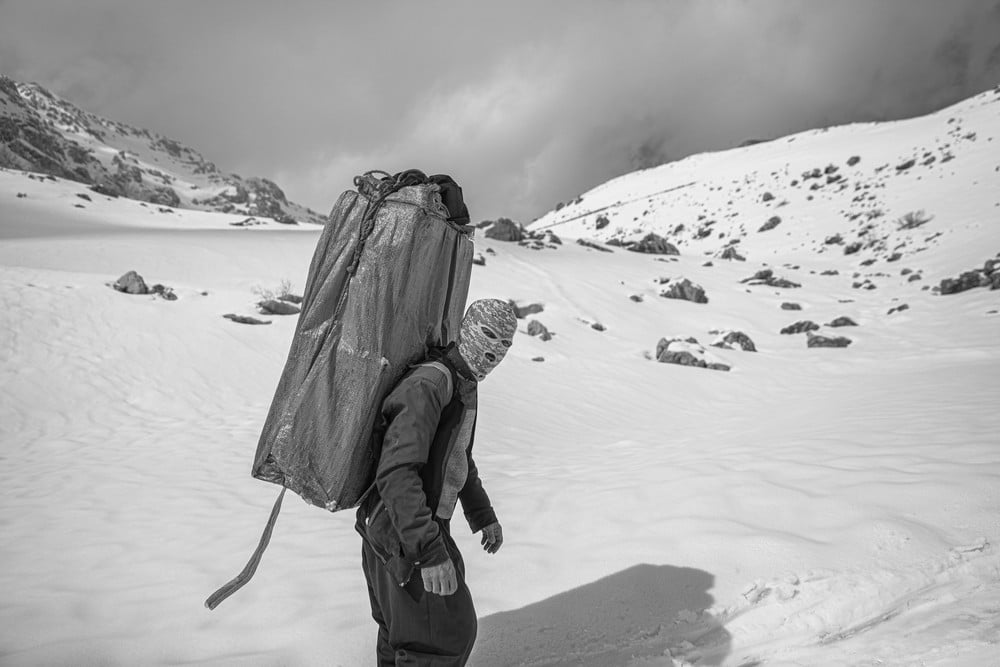
The 1458-kilometer-long border with Iraq is Iran’s longest land border with its neighbors. For long, this border has been comprised of the most important transaction and commercial ports Iran has with Iraq. In doing so, they hire local people, called porters (Koolbar in Kurdish), for transportation of such goods from Iraqi into Iran. As a result of poverty and high unemployment rates, Kurdish porters strive for a living under harsh environmental conditions, mostly in the Zagros mountains. According to statistics, 300 Koolbars dies annually, 71 percent of whom are shot to death by border patrols. In Kurdish regions of Western Iran, the Kurdish term Koolbary (being a porter) is coined to describe the act of transportation of goods across the border on shoulders in exchange for a small amount of money. Mostly ranging from 13 to 65 years old, Koolbars do border crossing, with heavy loads, taking an average of 8 to 12 hours — routes are located in life-endangering locations including winding mountain trails, valleys, steep hills, narrow passages through high cliffs, among others. The risk of being shot by border patrols adds to the hazards Koolbars have to face in pursuit of a living. Surviving wounded Koolbars, their families, as well as families of dead Koolbars, face numerous challenges and hardships. With Koolbary not being recognized as a “profession” in Iran as well as being considered illegal by the government, affected Koolbars as well as their families are not supported in any way. With the continuation of such deaths as well as Koolbars being maimed, it is likely that in the future residents of the region will face serious social and political implications.
No categories selected
Photos (20)