Beyond the lake
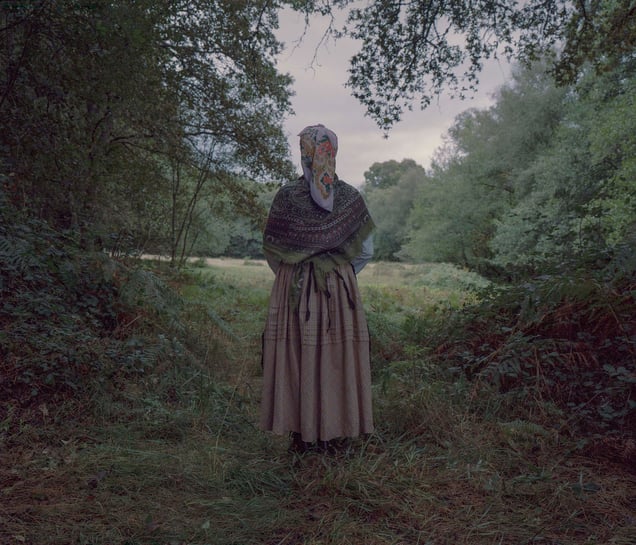
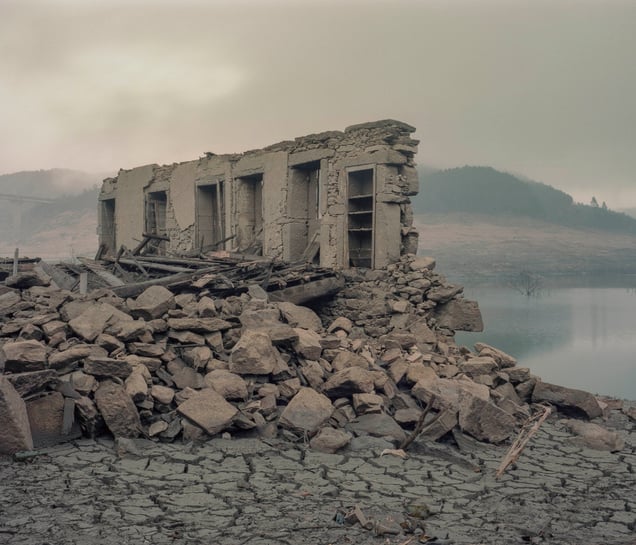
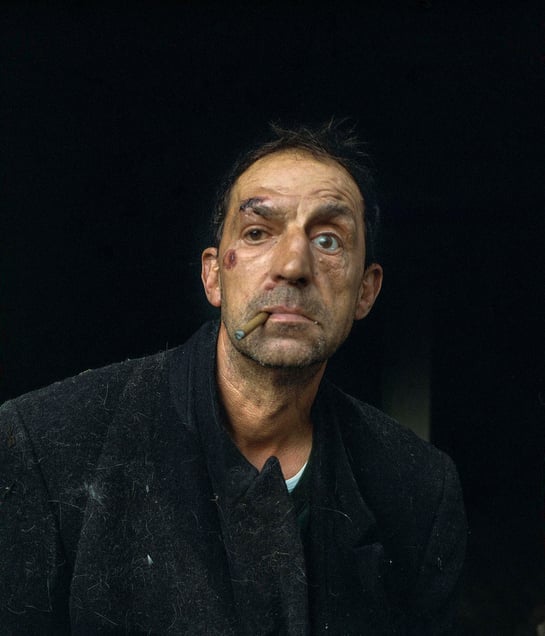
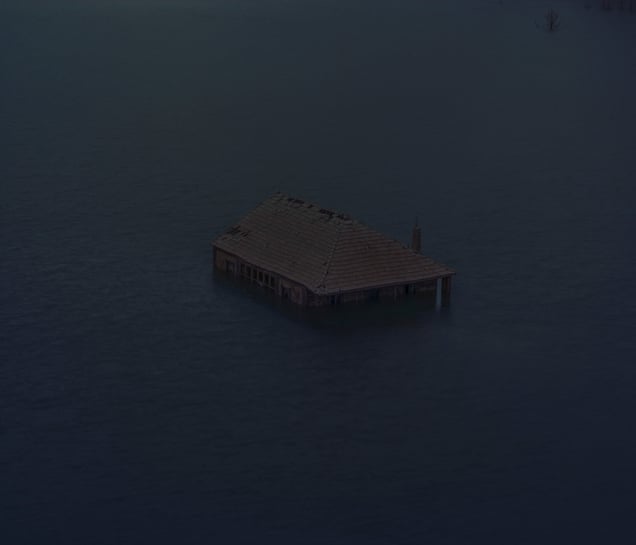
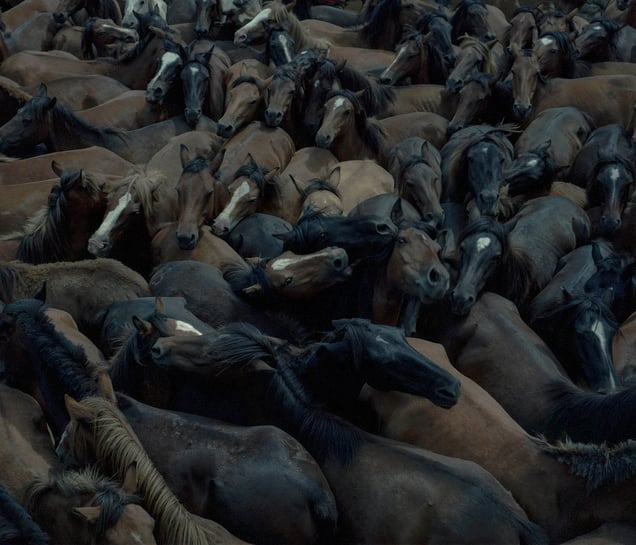
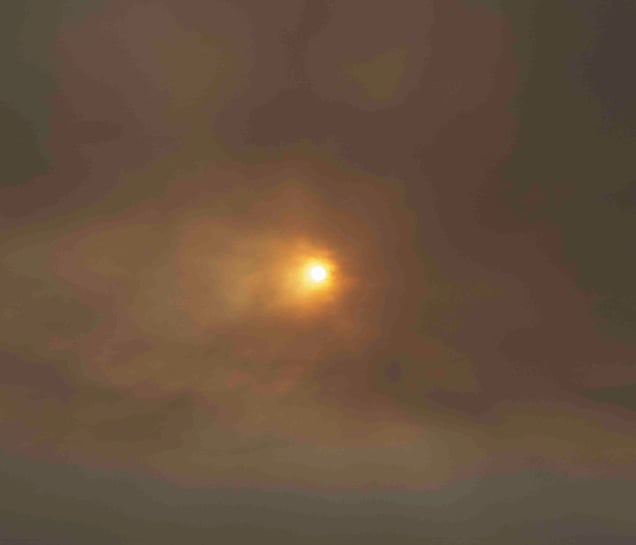
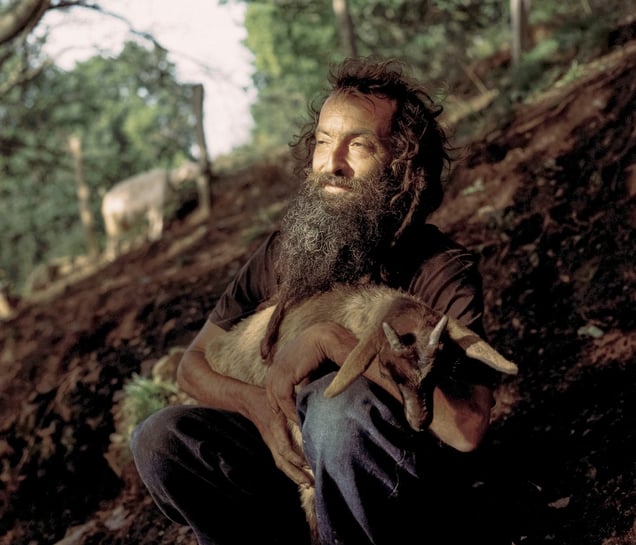
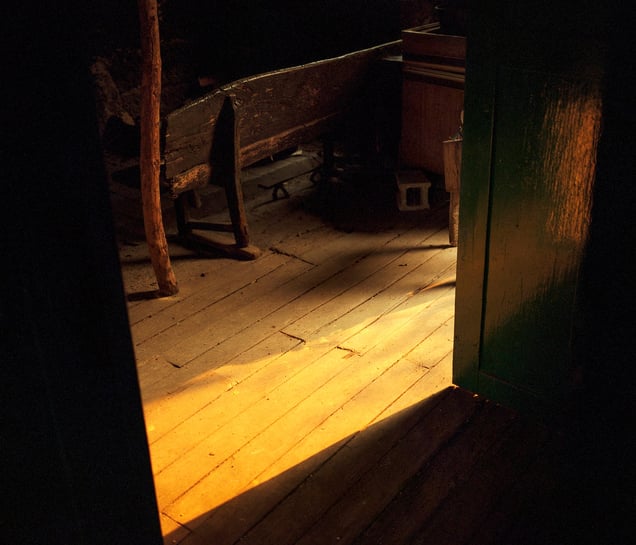
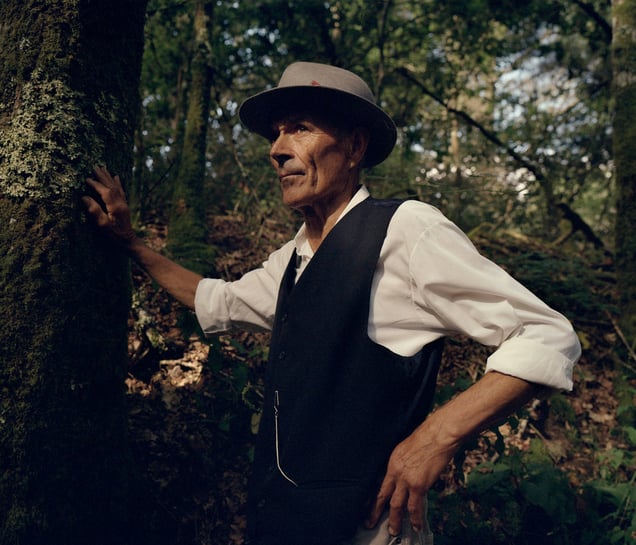
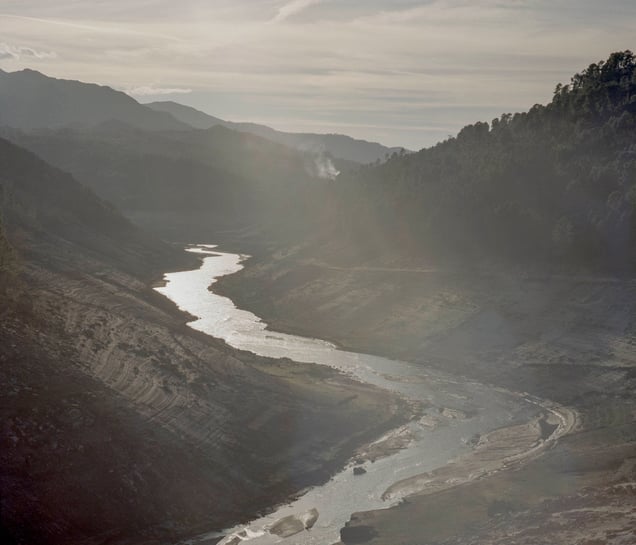
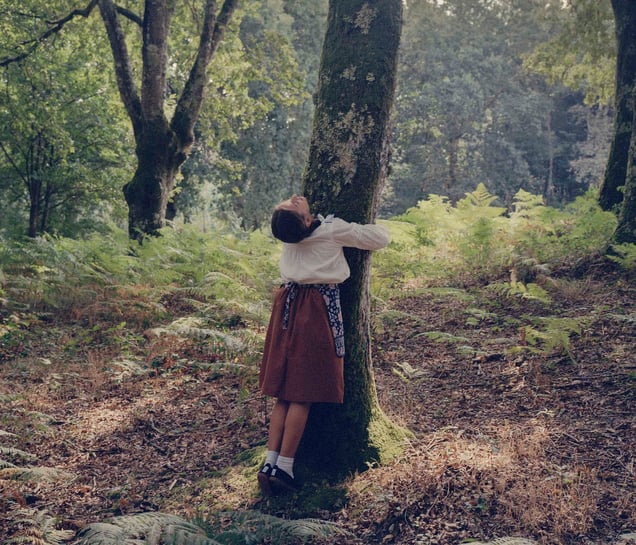
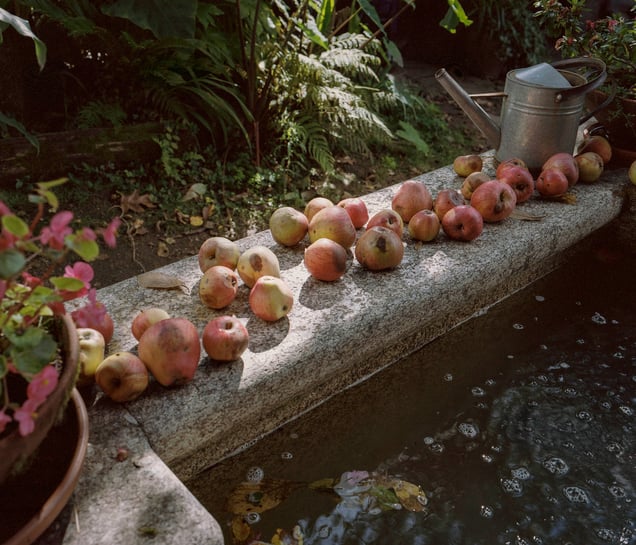
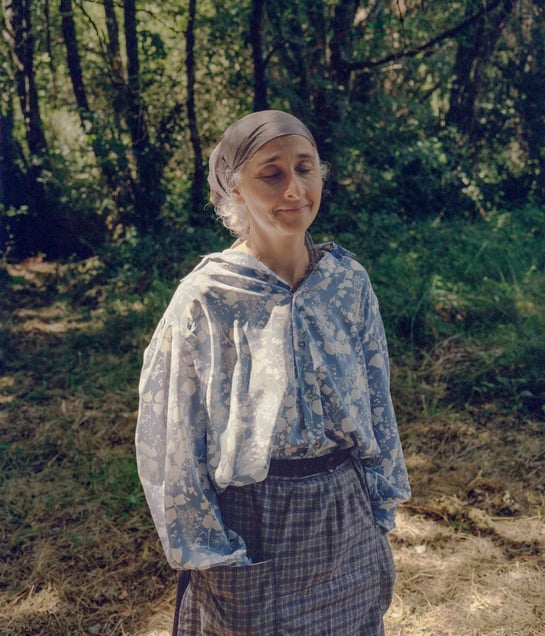
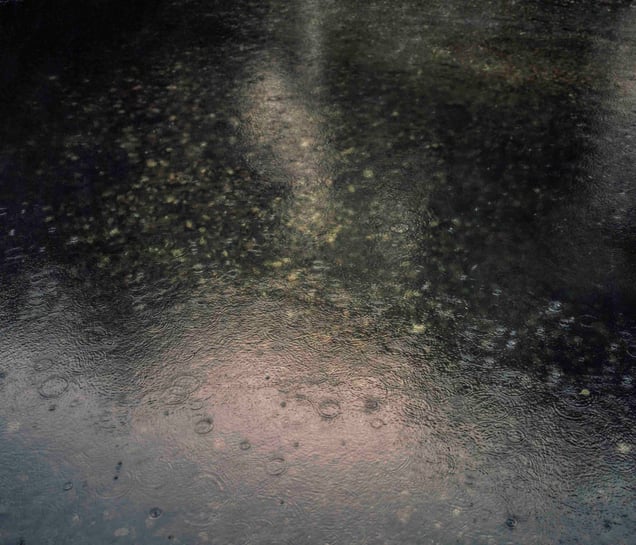
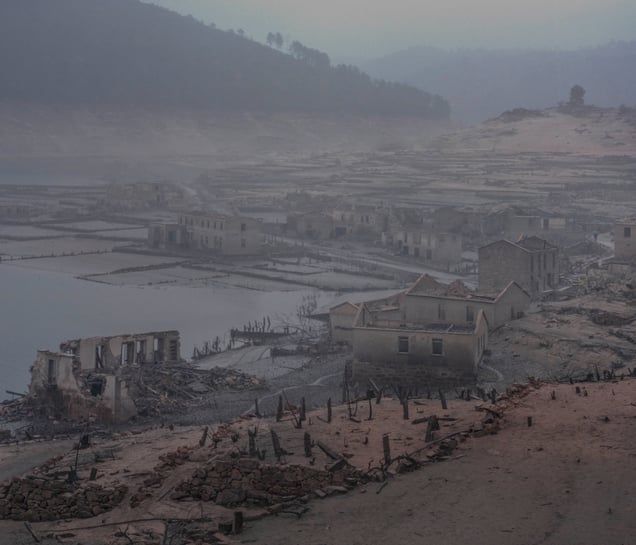
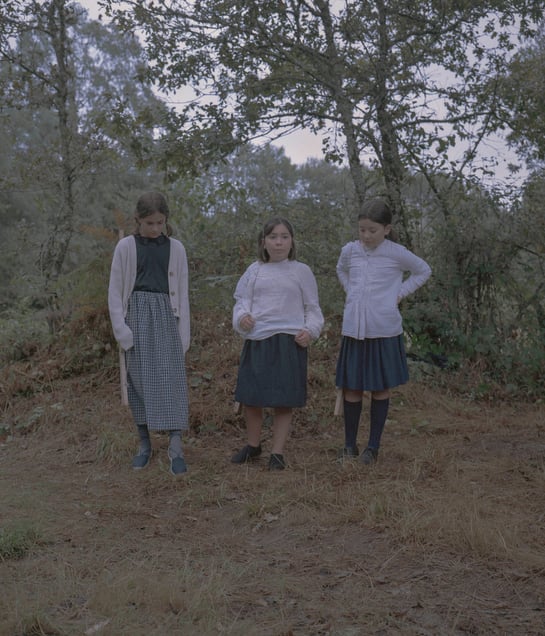
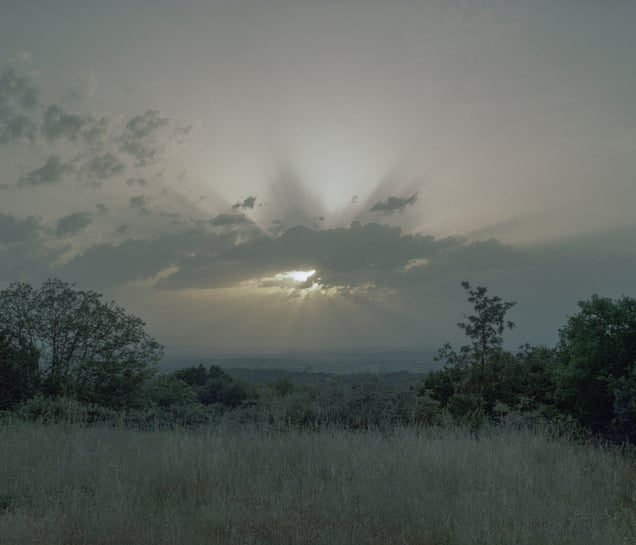
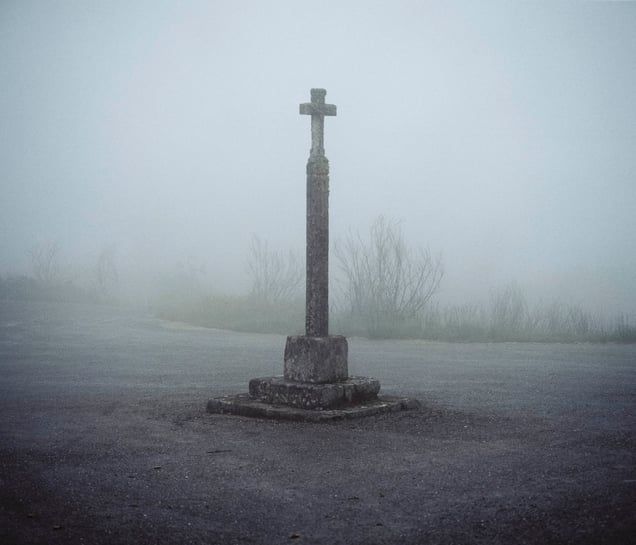
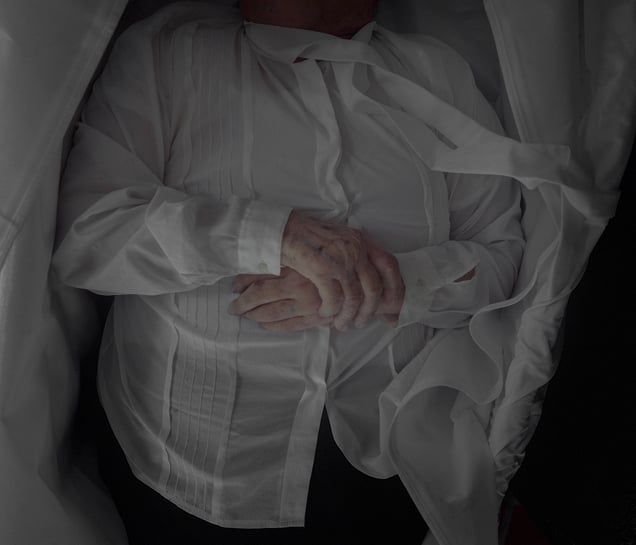
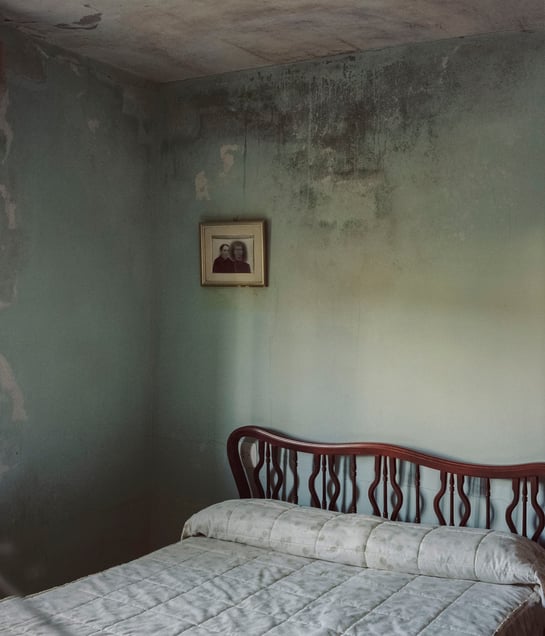
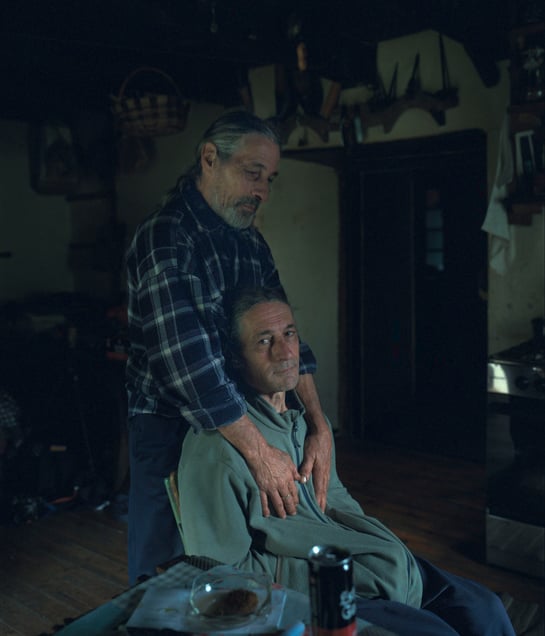
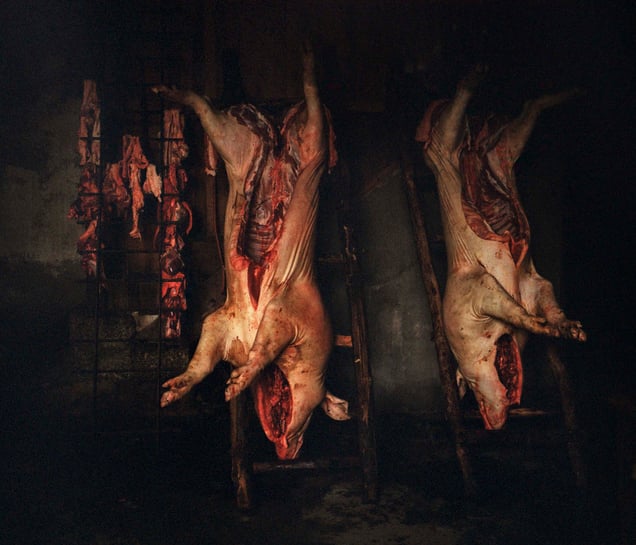
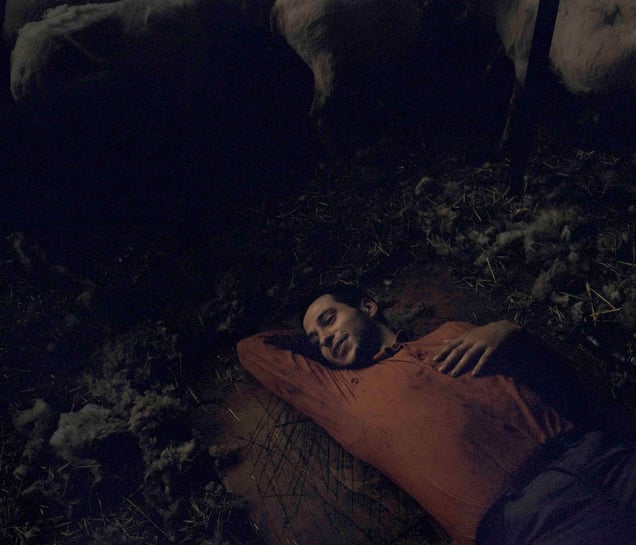
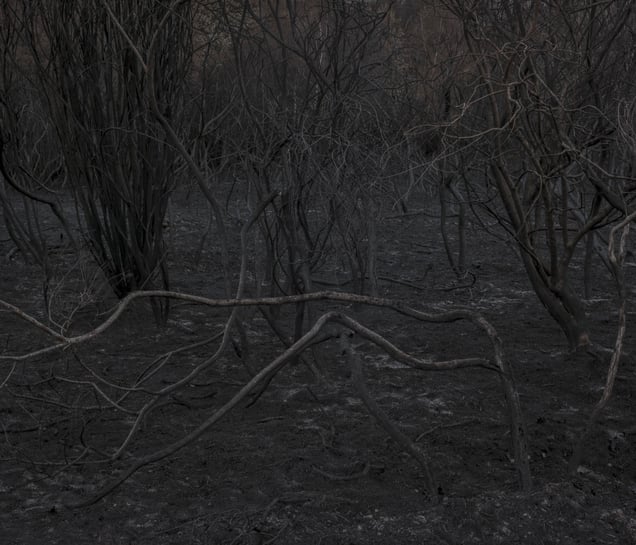
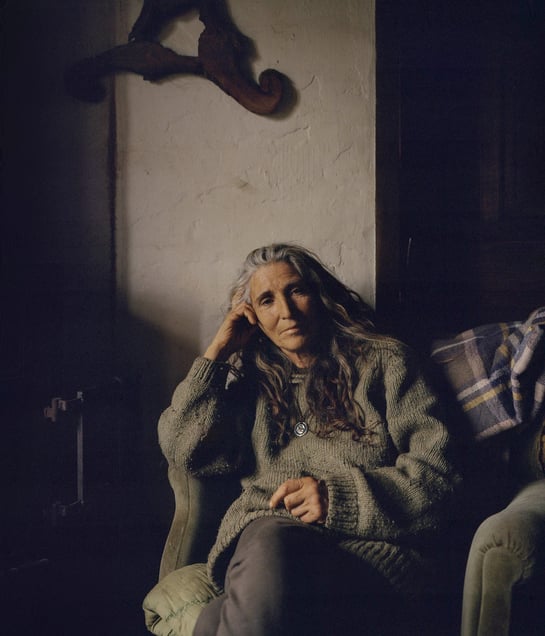
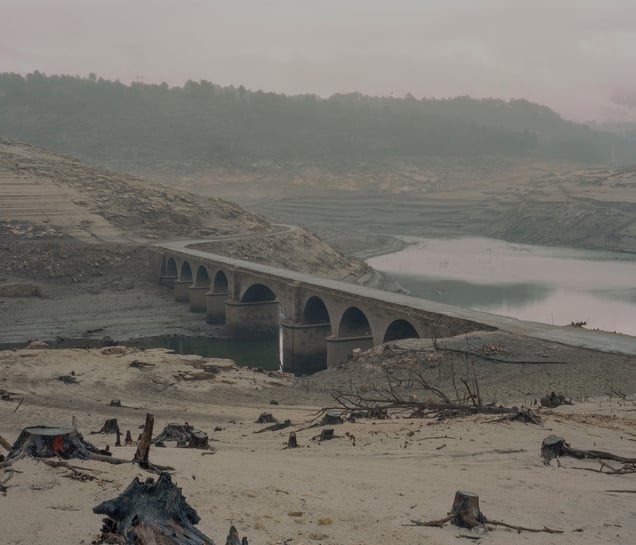
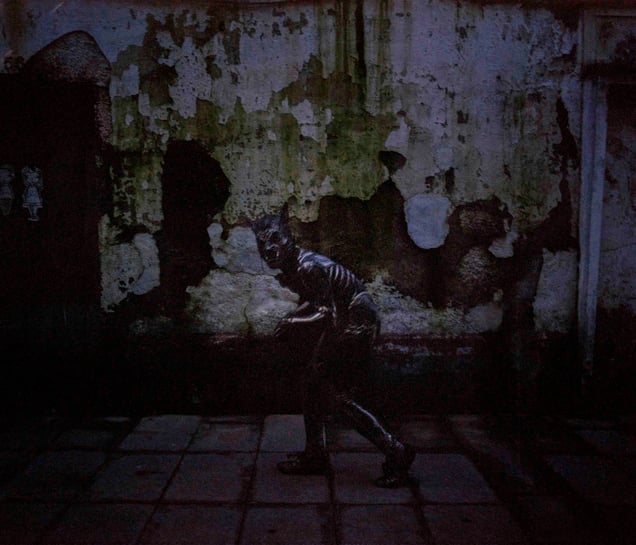
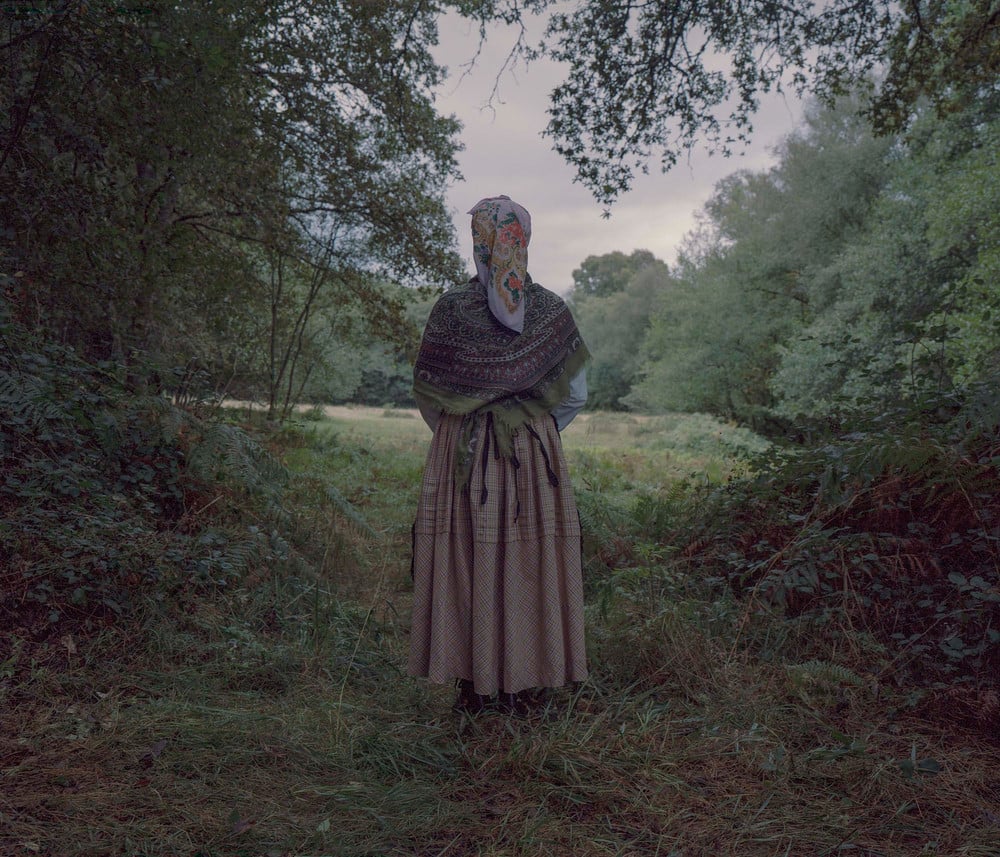
Tony used to come home with nuts, claiming that Rosemary had given them to him, but Rosemary existed only in Tony's dreams. Adolf and Raúl's house was set on fire by their neighbors due to disputes over communal land. Maria spent her life as an emigrant, leaving her only son, Emilio, in Galicia. A few years after her return, Emilio died from the alcoholism he had struggled with since adolescence. The wild horses of Sabucedo barely have space to roam, as the land they once freely roamed has drastically diminished due to land abandonment and forest replantations. Aceredo village was frozen in time when the Lindoso reservoir submerged it in 1992, marking the end of an era for its inhabitants. All these stories originate from rural Galicia and its border with Portugal, an area where reality blends with legend, caught between the richness of its traditions and the challenges of its present. Galicia now faces a paradigm shift due to rural depopulation, abandonment, and the effects of climate change. The year 2022/23 marked one of the driest periods in Spain, with 14.6% of the territory in emergency due to water scarcity. This has caused many of Galicia's reservoirs to reach critically low levels. The massive replanting of eucalyptus, a non-native species in Galicia, highlights the region's industrial exploitation. Cellulose company Altri plans to build a textile fiber production plant in the heart of Galicia. The factory's demand for timber could further incentivize eucalyptus expansion, risking biodiversity loss, increased forest fires, and soil degradation. Altri's expected daily water use of 46 million liters raises concerns about sustainability and its impact on the Ulla River, a vital water source for the region. Climate challenges are compounded by social issues such as land abandonment, emigration, invasive monocultures, and alcoholism as an escape from the lack of opportunities. Together, they reveal the fragility of Galicia's rural communities, struggling to preserve their identity amid mounting pressures. "Beyond the Lake" explores these dynamics while reflecting on my connection to these stories. I am the son of a person who died young from alcoholism and the grandchild of emigrants - three of my grandparents emigrated, and I lived as an emigrant for 16 years. Some photographs were taken in my village and even in my house, places bearing witness to generations marked by abandonment and the struggle to preserve their identity under constant threat.
No categories selected
Photos (28)