World's Place Apart
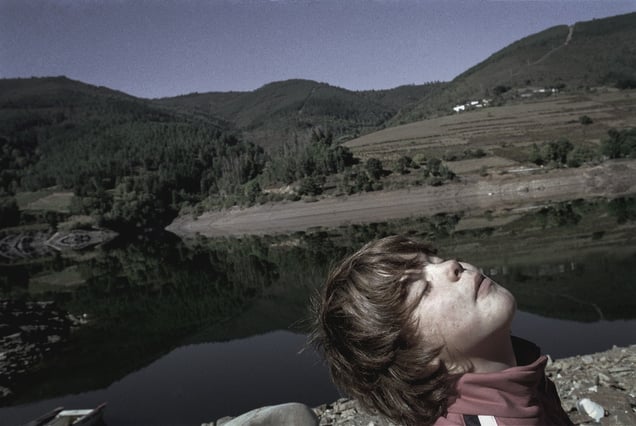
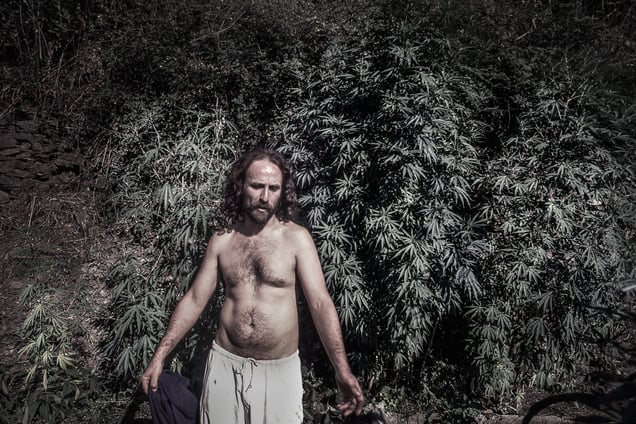
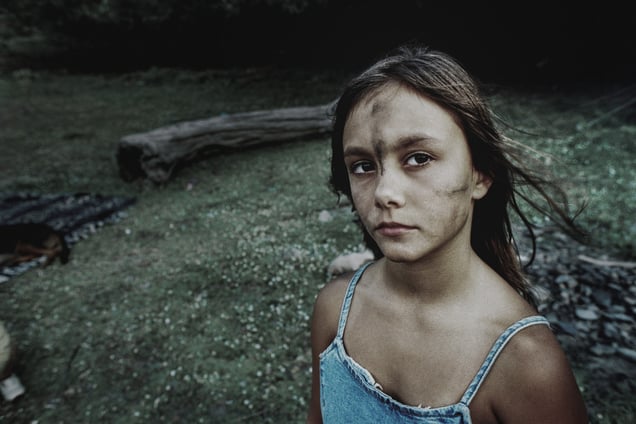
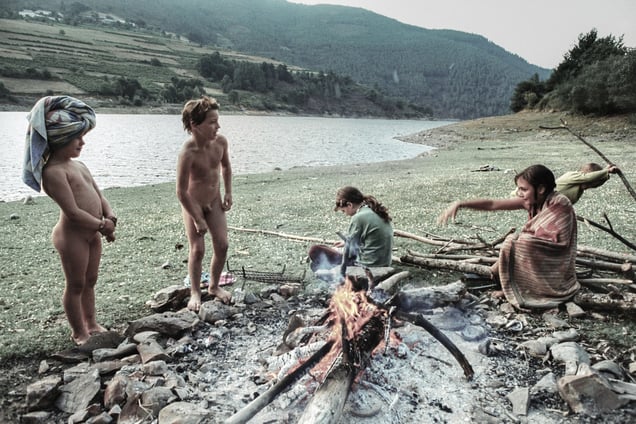
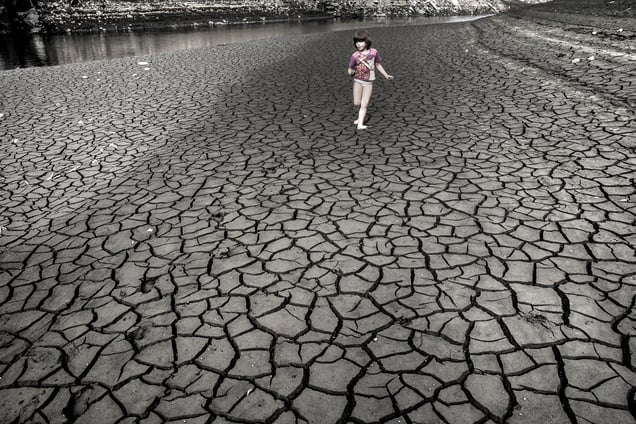
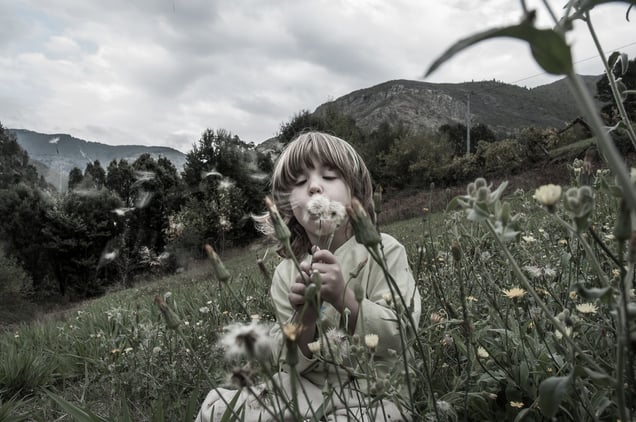
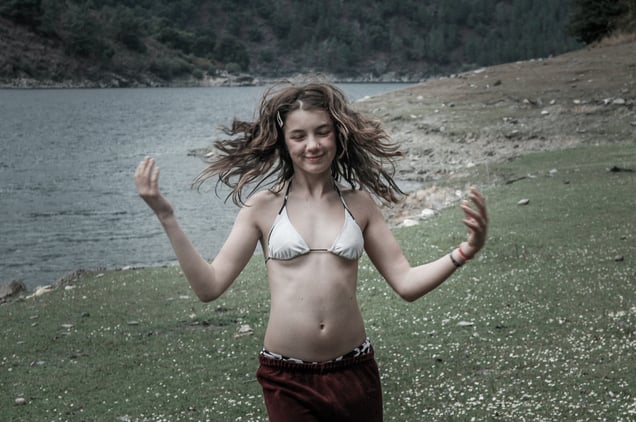
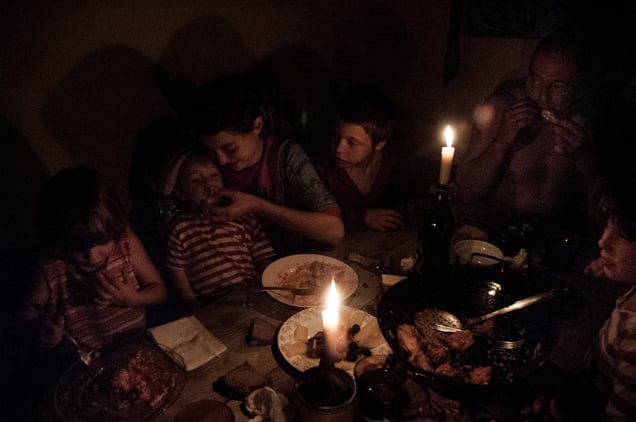
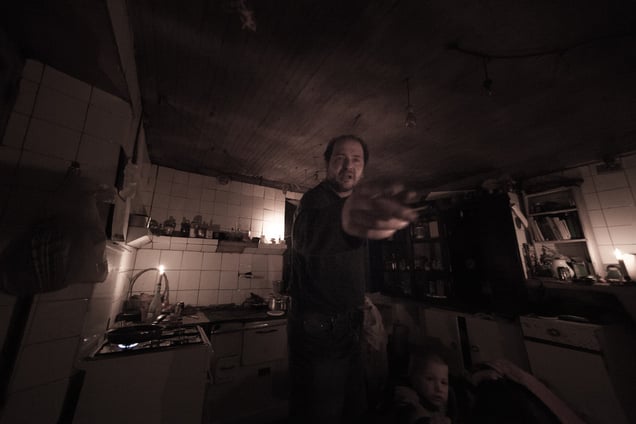
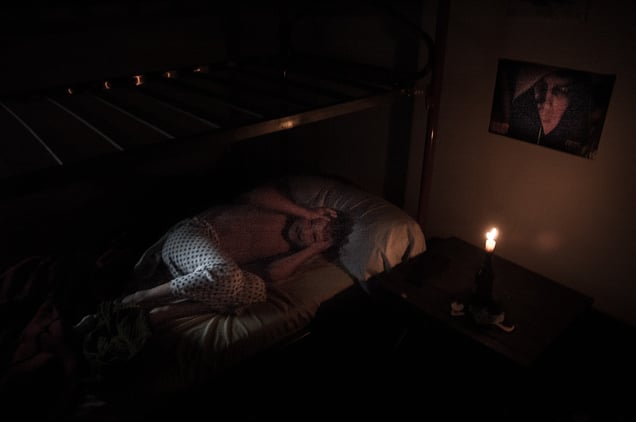
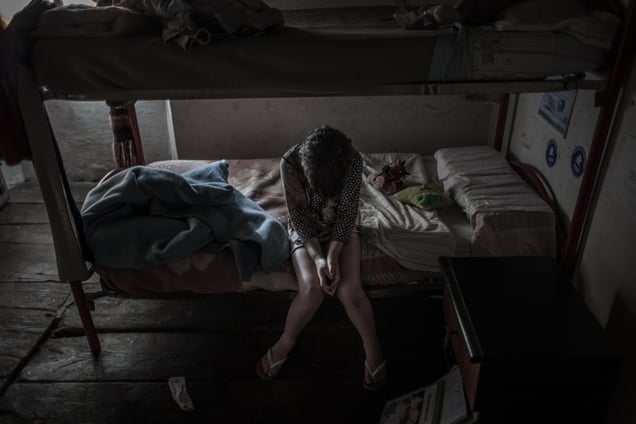
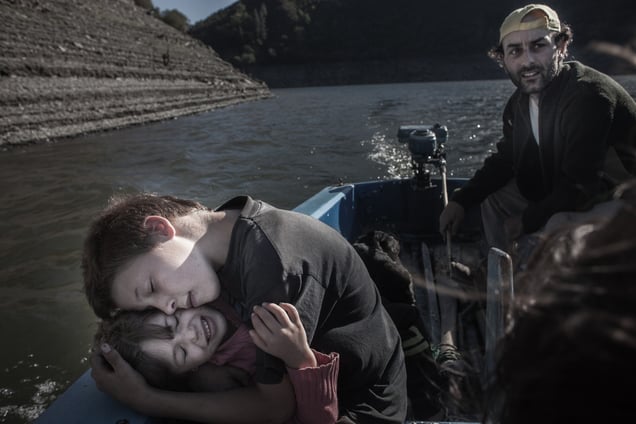
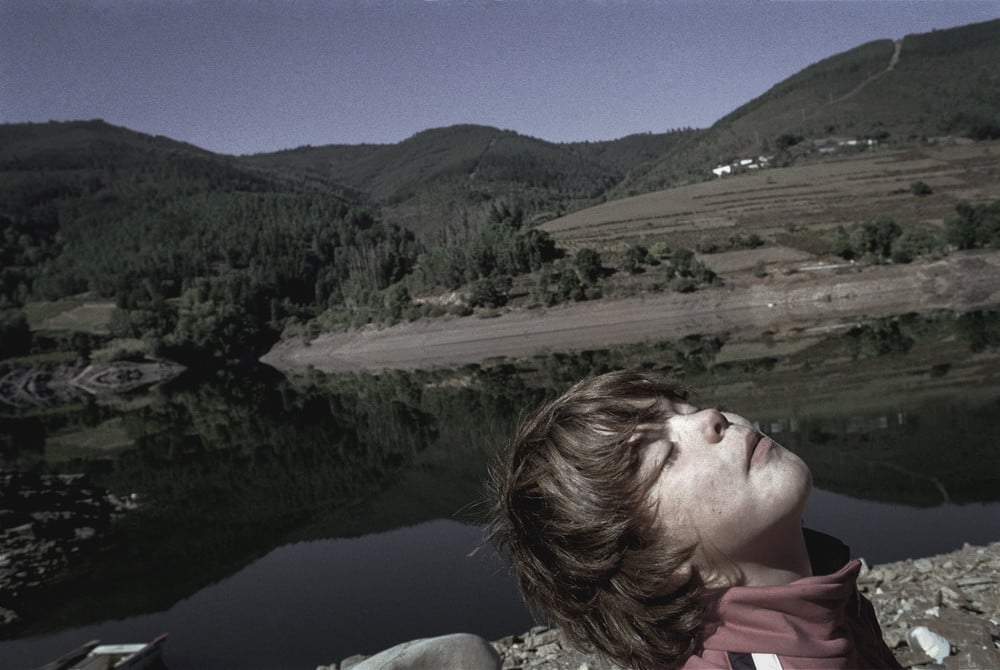
World’s Place Apart documents the childhood of several children born in an alternative commune located in Negueira de Muñiz (Galicia), one of the most depopulated regions of northwestern Spain. In the 1950s, the Franco regime ordered the construction of a reservoir that flooded entire villages and permanently isolated this valley. Decades later, a group of people decided to occupy these abandoned hamlets, drawn by the possibility of building a self-sufficient way of life, outside the system and in harmony with nature. For years, their children grew up in intimate contact with the forest, the animals, and the natural cycles. They learned to walk barefoot over stones, to recognize plants, to build cabins, and to talk to the trees. Their education did not follow conventional paths: it grew free, creative, and deeply connected to the environment. Among them, strong bonds were forged, shaped by shared experience and the freedom to simply be. However, this idyllic way of life was threatened by isolation, the scarcity of resources, alcoholism, and even the use of harder drugs. Today, those children are now teenagers or young adults, and their way of life —based on cooperation, respect, and self-sufficiency— represents the legacy of a rural utopia that endures on the margins. Many of them still live in the mountains, in communion with nature. This project focuses on the symbiotic relationship between childhood and nature, on the value of growing up without technological interference, and on the gradual erosion —sometimes silent, sometimes inevitable— of a way of life that defies the dominant logics of progress.
No categories selected
Photos (12)