
Labyrinth
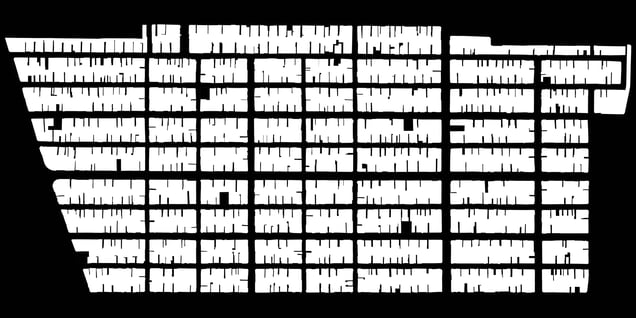
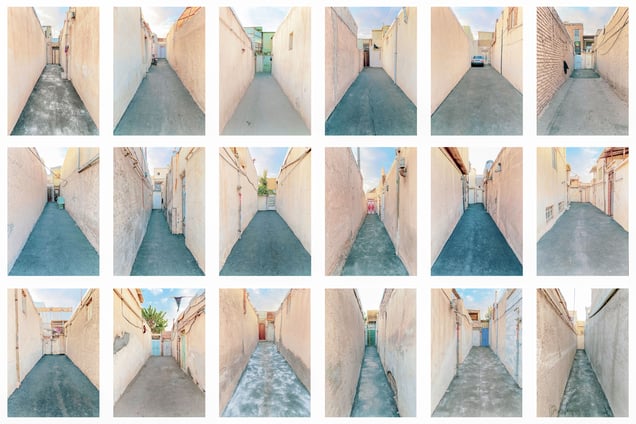
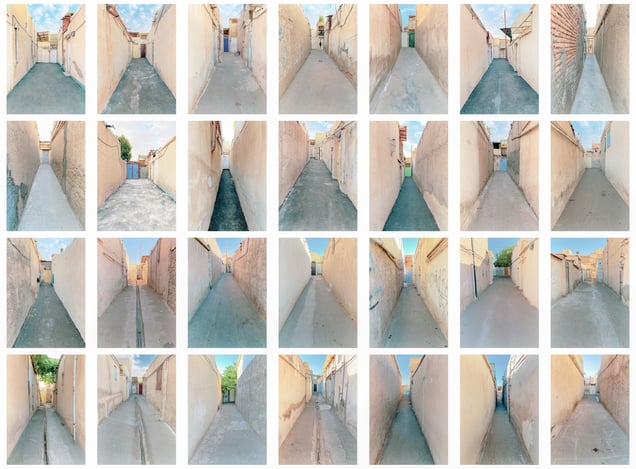
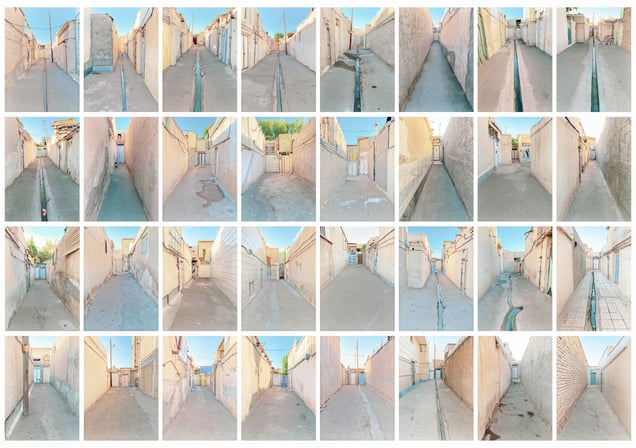
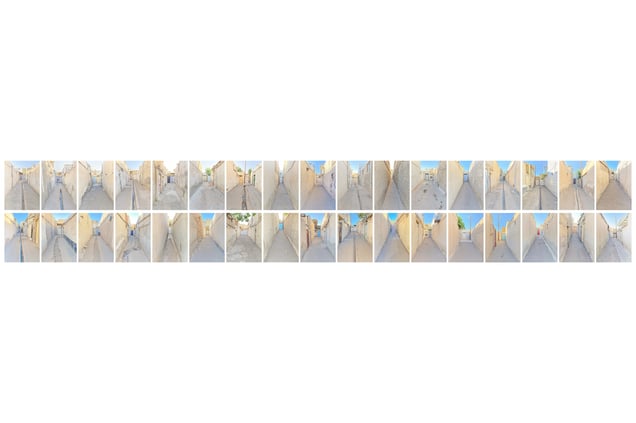
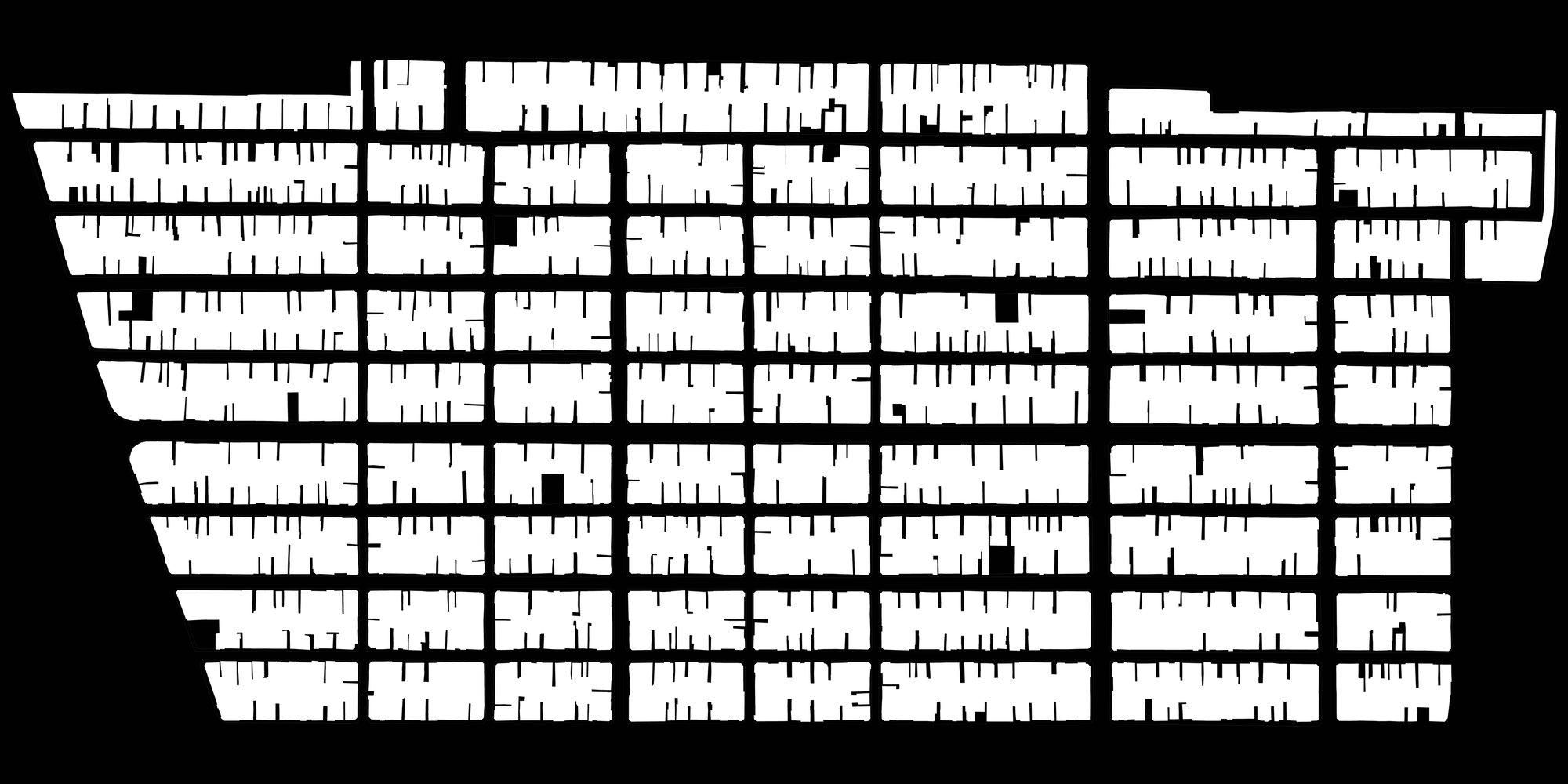
In the Labyrinth series, I set out to explore the urban fabric of a district in my hometown, Zanjan. This area, home to over thirty thousand people, contains more than a thousand dead-end alleys — each split into three to six small houses — and is largely inhabited by the most vulnerable segments of society. For me, this was not merely an urban planning issue; these alleys seemed to mirror the social life of their residents. As the roads came to an end, so too, it seemed, did the pathways of their lives The first spark of the idea came while studying city maps of the area. At first glance, the patterns remarkably resembled ant colonies — dense, closed structures built upon repetition and limitation, yet rich in variation. Just as ants tirelessly strive to build shelters for survival, the people here have toiled to construct homes and refuges. Looking at those fine, tangled lines on the map, I found them astonishing — traces of an unending human effort to exist; irregular, countless markings, as if telling the story of an endless quest to create a place called “home.” This raised a serious question for me: Is a house merely a shelter and source of security, or can it also signify a form of dead end? In these images, humans do not appear directly; yet their presence is clearly felt through the doors, walls, and windows they’ve left behind. This absence serves to emphasize the closed, isolated nature of these dead-end alleys. The silence of these spaces — with all their details — presents life on the cusp between safety and constraint. Each alley and home in this district carries an organic structure of its own, defined by its shapes, colors, and materials; together, they create a unique diversity — one that I found deeply compelling and inspiring.
No categories selected
Photos (5)