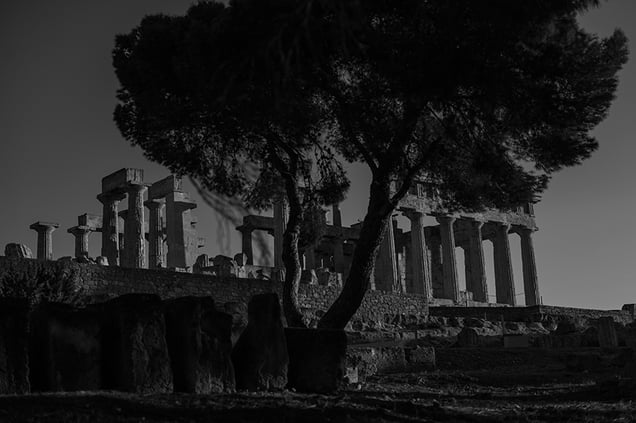
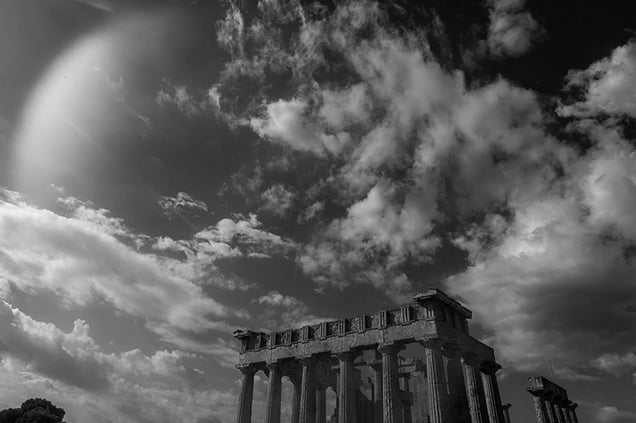
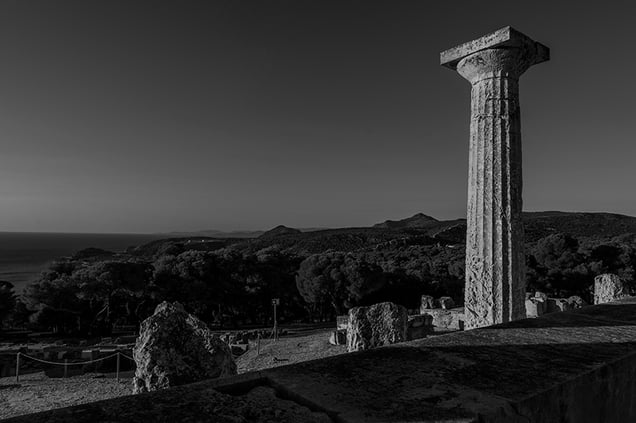
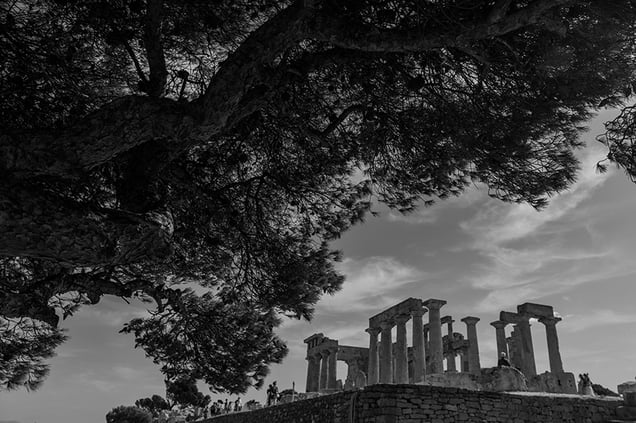
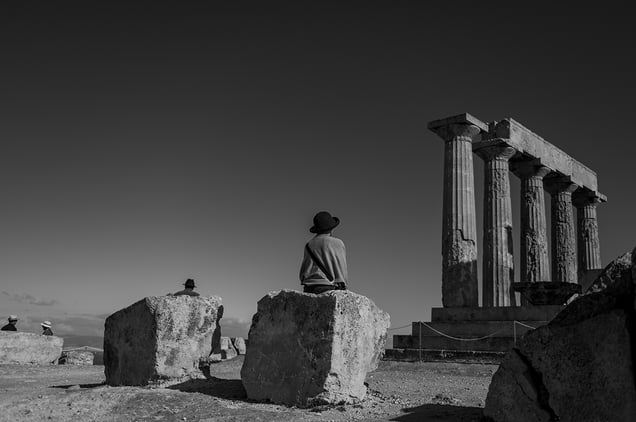
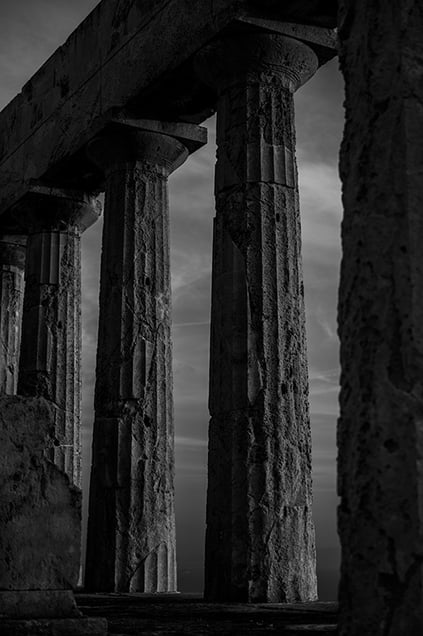
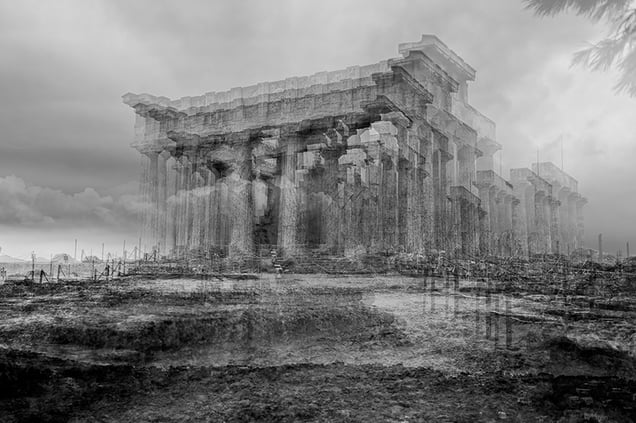
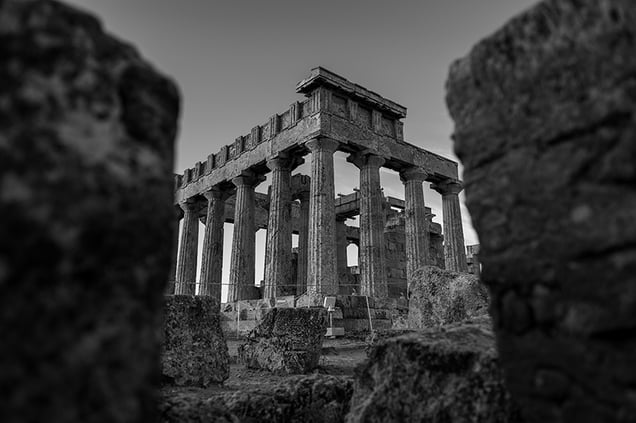
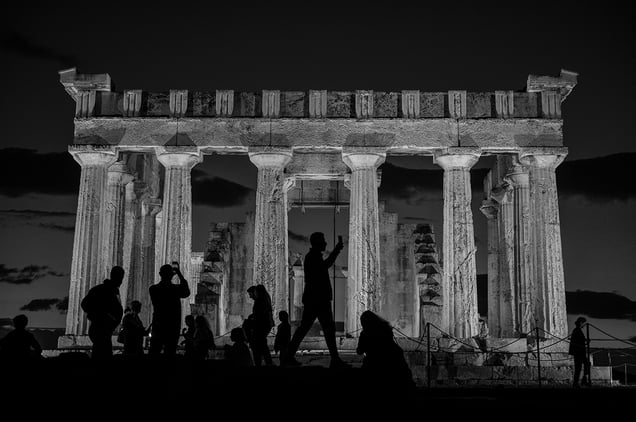
The Temple of Aphaia on Aegina defies time well due to a rare convergence of architectural perfection, geographic isolation, and unique artistic evidence.
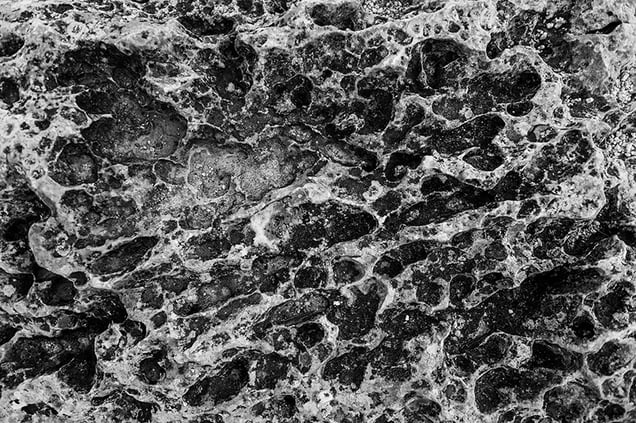
Its survival starts with superior engineering. Built around 500 BCE, the Doric structure employed sophisticated techniques like entasis (subtle column swelling) and precisely calculated column spacing, ensuring structural integrity and visual harmony that has resisted centuries of seismic activity and weathering. The robust limestone construction, a quality above many other contemporary temples, provided a durable foundation.
Crucially, its remote, hilltop location meant it was largely abandoned after the 2nd century BCE. Unlike more central sites like the Parthenon, Aphaia avoided the fate of being repurposed into a church, mosque, or fortress. This fortuitous neglect protected it from continuous modification and destruction by successive occupying powers.
Finally, its intellectual importance is immortal. The temple famously houses the sculptural transition from the rigid Archaic style (West Pediment) to the expressive Early Classical style (East Pediment). This "timeline in marble" is an irreplaceable academic artifact, ensuring its perpetual study and appreciation by art historians and archaeologists.
Aphaia remains, therefore, a uniquely preserved nexus where ancient genius met historical fortune.