
Montes Azules, Chiapas: Eviction notices and land rights
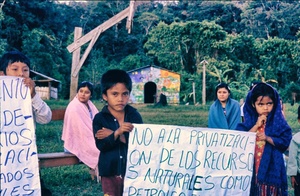
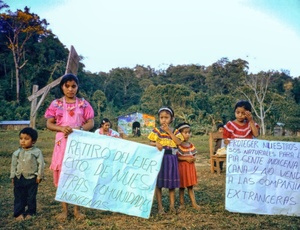
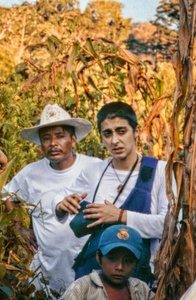
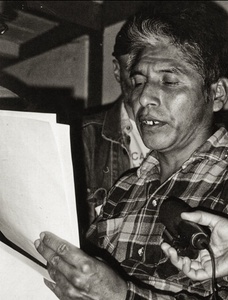
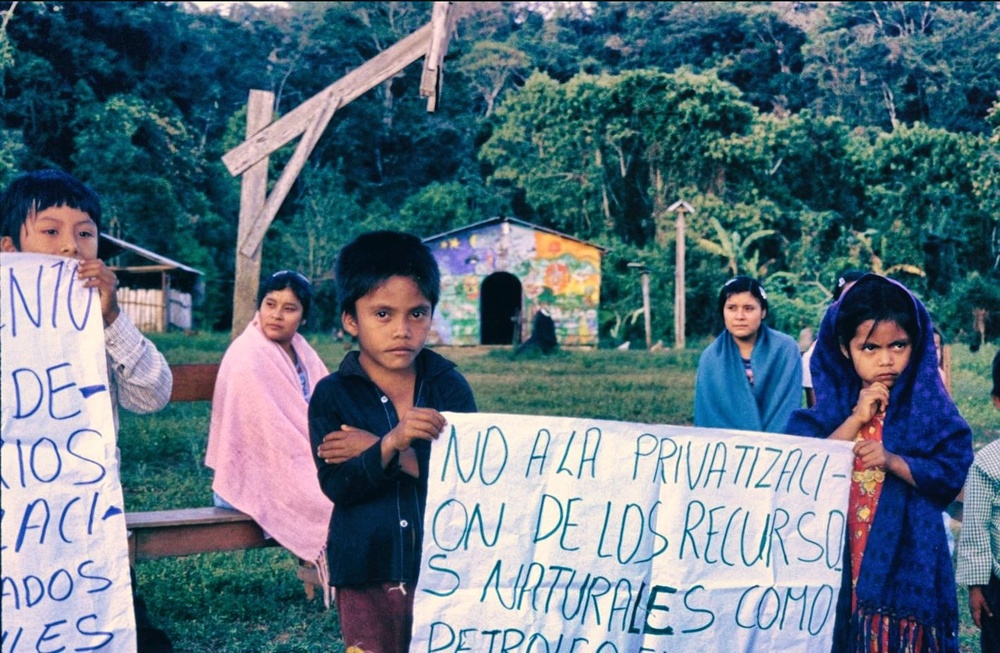
In 2003 I took part in a an international observation delegation to verify whether or not the allegations of destructive forestry practices blamed by government on Indigenous small-farmers in southern Mexico were evident. The state and federal governments had multiple reasons to want to evict, aside from the spurious claims, the Indigenous Tzotzil from the very land they had once been urged to occupy by these same agents. In the small town of San Gregorio, deep in the rain forest, small communities carved out a very modest existence of raising poultry, corn and vegetables. No roads came to this community. Small footpaths and a razor-thin gravel landing strip were the only entry points to the community. When news got round that foreigners were present to listen to their stories, residents from surrounding communities walked up to eight hours to gather together and bear witness to their plight. Armed federal police and paramilitary units were entering their communities and threatening arbitrary evictions. These communities had reestablished themselves in ancestral communities and lived materially austere lives in the abundance of nature, many of them for three decades.
No categories selected
Photos (14)