
Wild forces
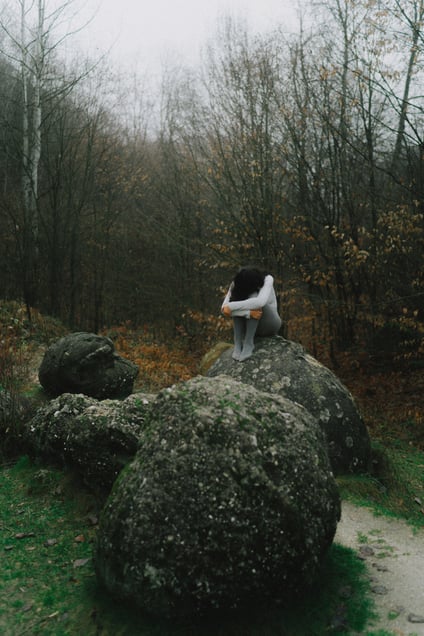
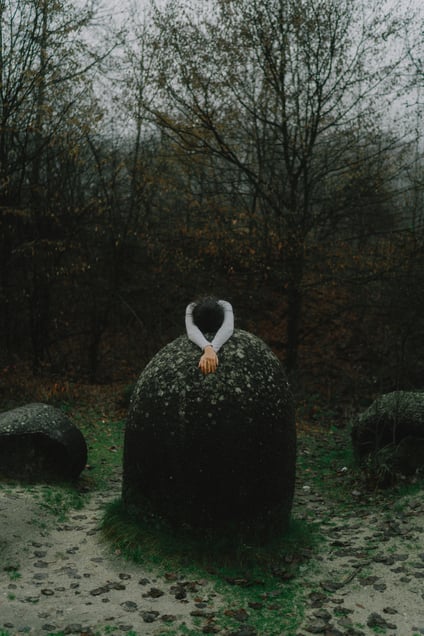
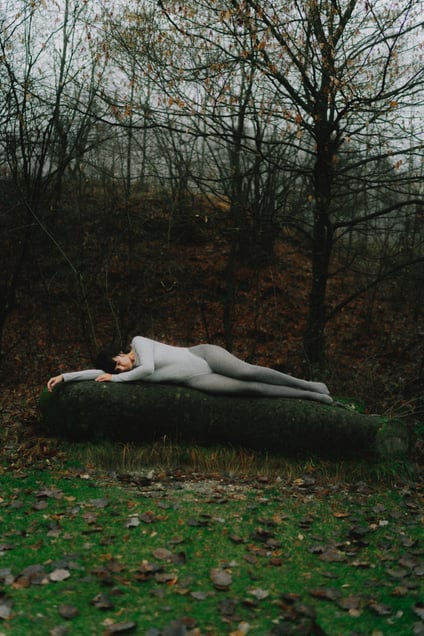
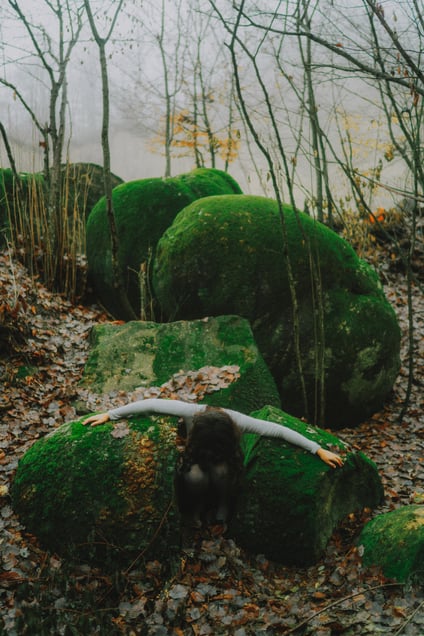
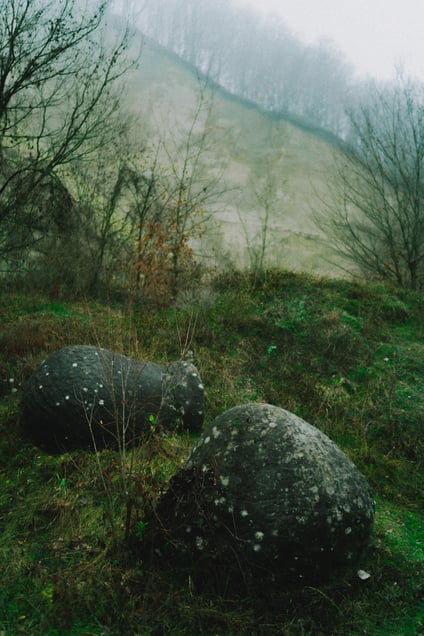
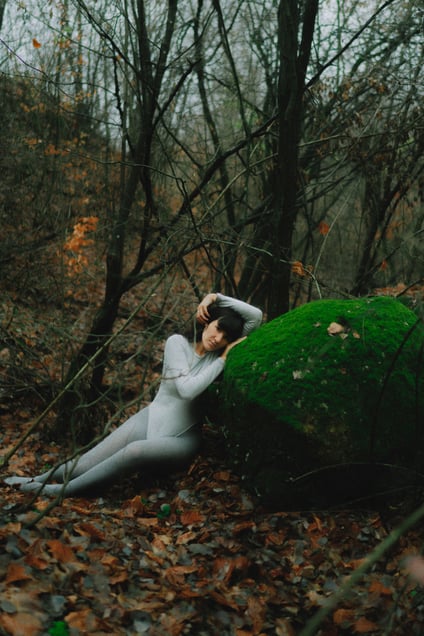
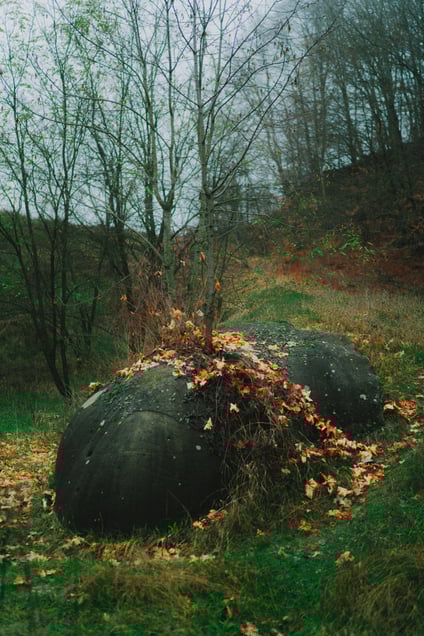
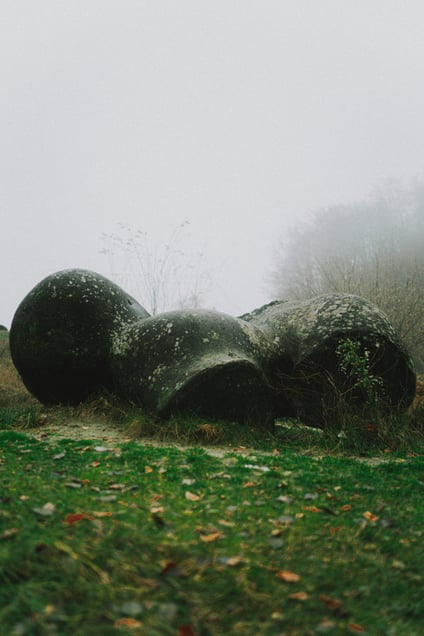
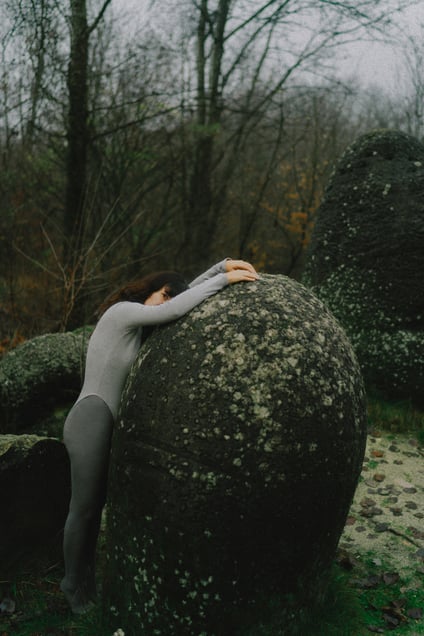
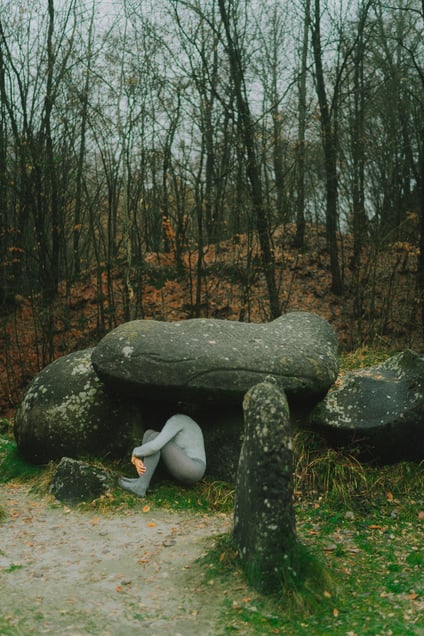
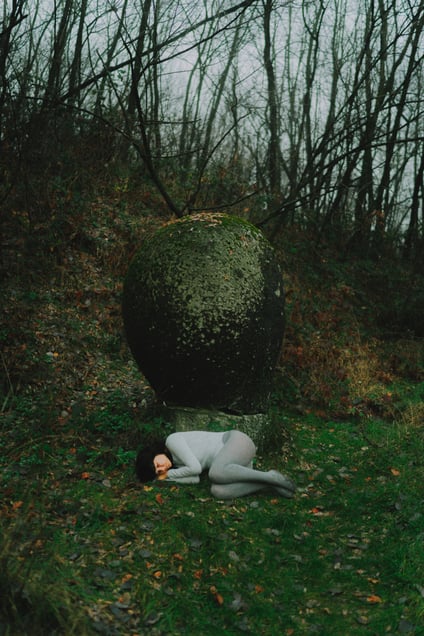
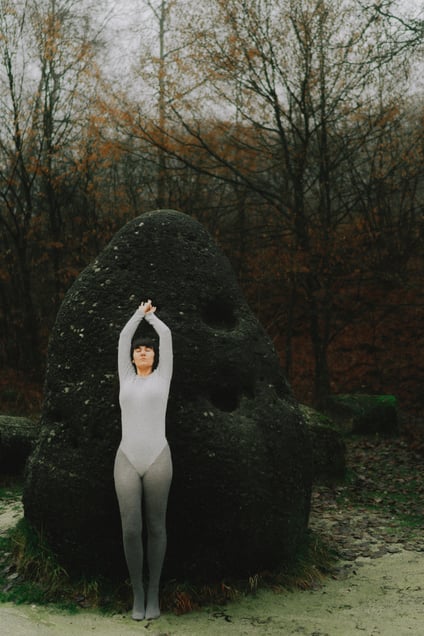
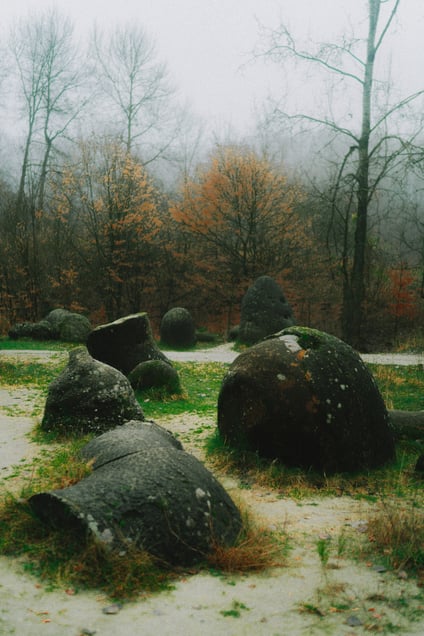
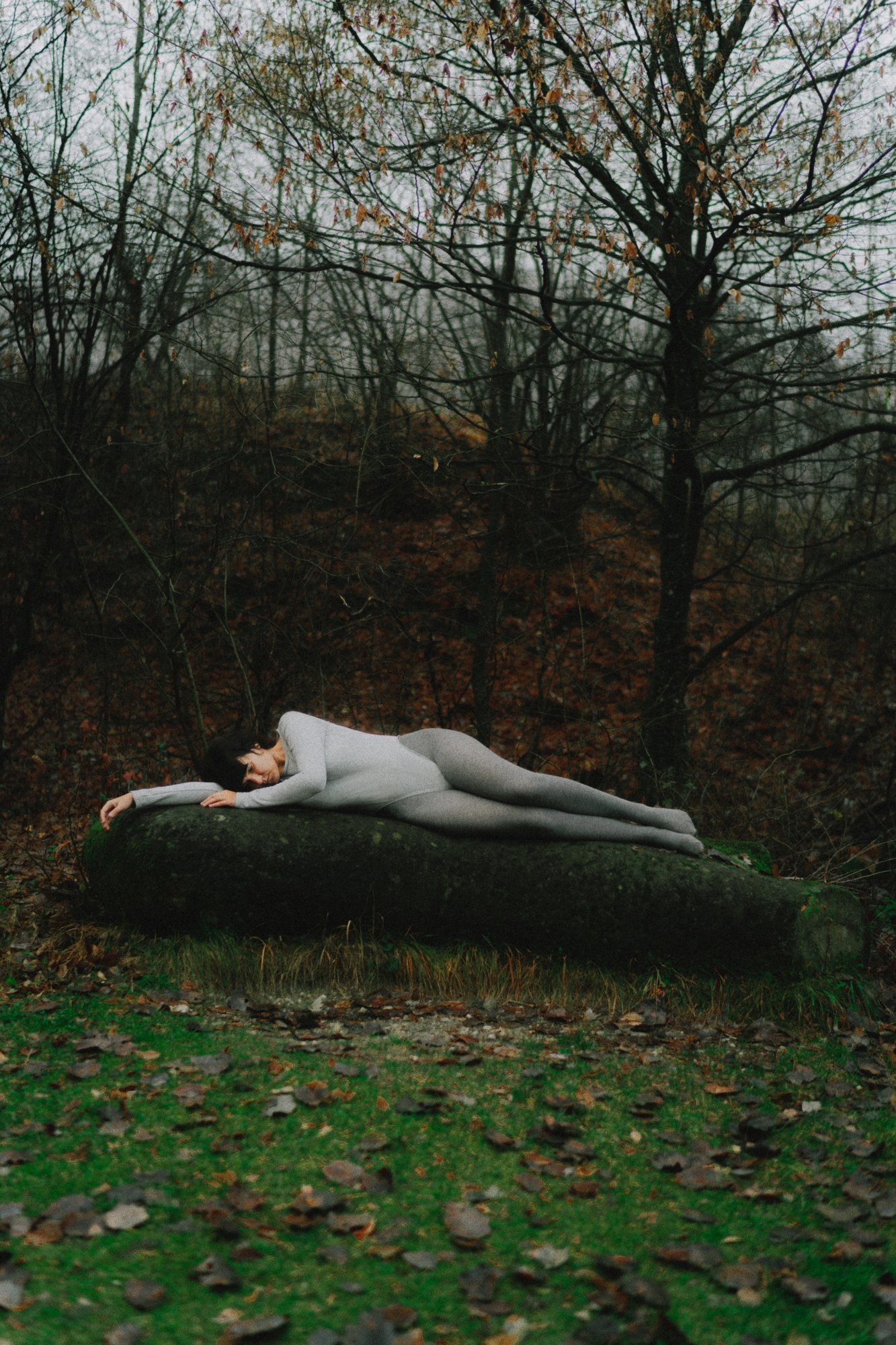
I’ve always wanted to visit “extraterrestrial” places. Places with otherworldy landscapes, bizarre views, atypical formations, deserted, volcanic, “exotic”– lands which are astonishing to the eye, triggering a science-fiction feeling. Therefore, I travelled twice to Iceland, once to Tenerife and once in South America. I immersed myself in these unconventional lieus, like a chimera which appears and disappears, being in ephemeral contact with the nature. When I was a child, I used to pick up rocks and break them in two, to see their interior. Most of the times, I would choose insipid stones, apparently monotonous, of neutral color. The greater the joy was when, inside them, I discovered that they shone like gems, like freshly settled snow, which squeaks beneath our feet. I wished I could live there, in the midst of that primordial glow, where time is measured through sand grains. Last autumn, I visited the Trovants of Costești, looking for places like the ones mentioned above. There, I created a series of self-portraits, where I became one with the landscape. It is said that the trovants are ”living stones”, growing by 4-5 centimeters in 1200 years. I sat on these stones like a child, curious about the texture, the smell and the touch of these rocks, almost making myself a nest out of them. Rocks have existed since the beginning of the Earth and will linger until its disappearance. The stones tell the story of our planet and the existing life forms here, in our tiny universe. “Inhabiting” these trovants meant adapting to their dimensions, feeling their coldness, their hardness, their energy and their steady character. Trovants became a symbol of the persistence of time. I was one with them, one with the woods, one with the lichens and the branches which formed shaws in the area. I freed myself from the grasp of thoughts, which vanished from my mind for an infinitesimal while, of primitive intensity. I almost felt how these rocks grew, like a living conscience, in a continuous expansion. My hands became trovant hands, my body – vivid stone. The grey nuances of my clothes – a pure, ancestral grey stone. It's August. I am collecting river stones together with my daughter, bringing them inside the house. The rocks are simple, small, of neutral tones, and they seem to tell nothing at all. We have four paints: red, orange, brown and black. With the help of slim brushes, we sketch on the surface of the stones images which resemble the first cave paintings, 44.000 years-old – hunters, animals, or adult and child hands. We are there, inside the cave, recreating the history of humanity. We are fossils. We are sand gathered inside a purple bucket at the seaside. We are sharp cliffs on the Danube river. We are the Carpathian Mountains at dawn. We are the trovants from Costești, broad and tall, covered with moss and leaves and a wet smell of mist.
Photos (13)