
Memory That Persists
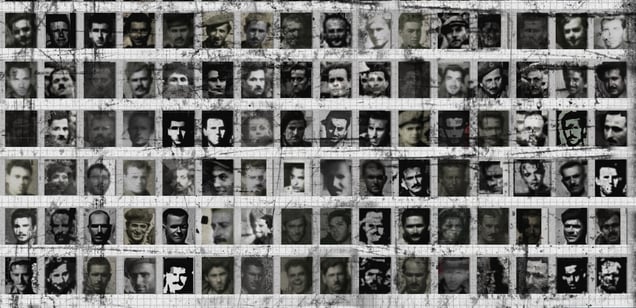
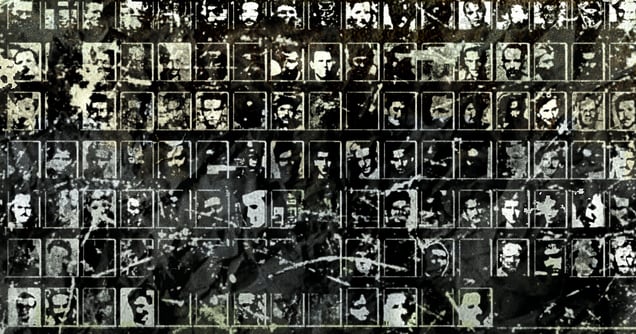
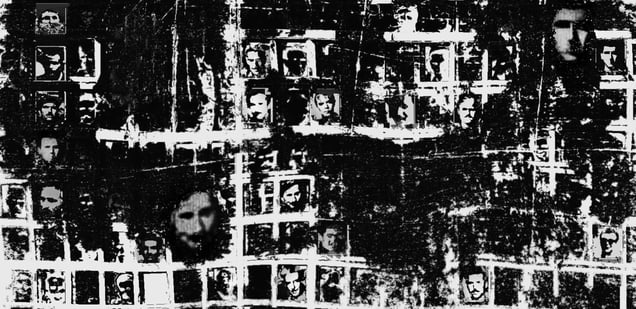
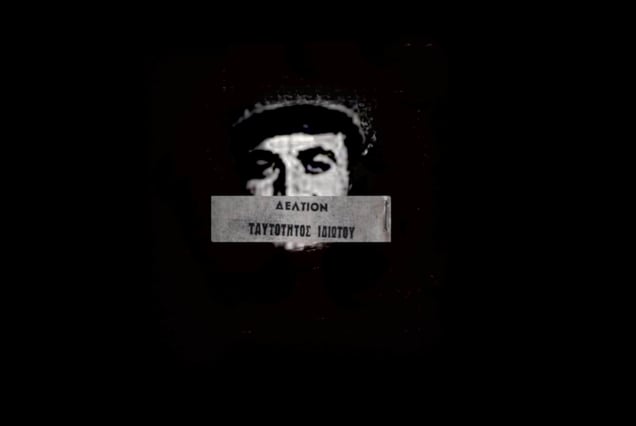
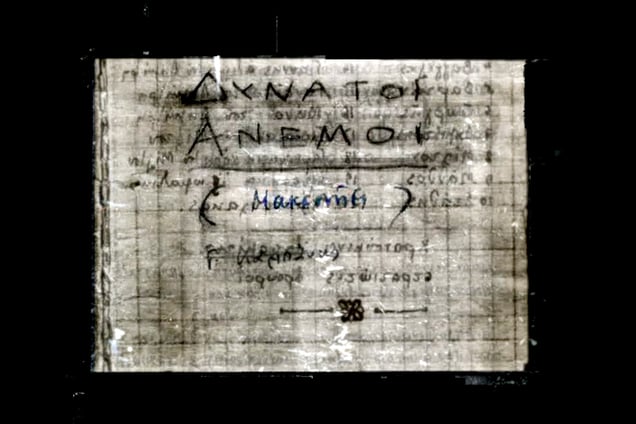
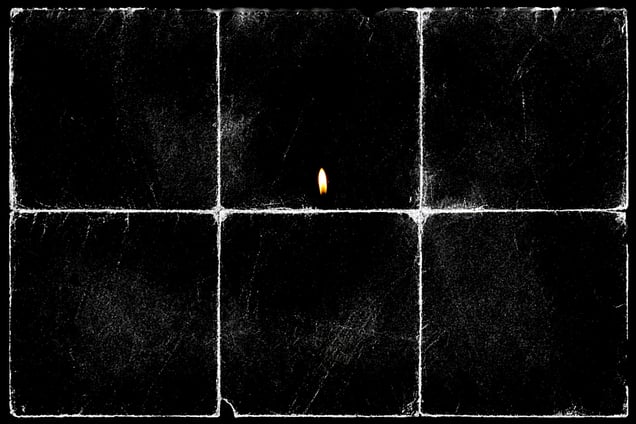
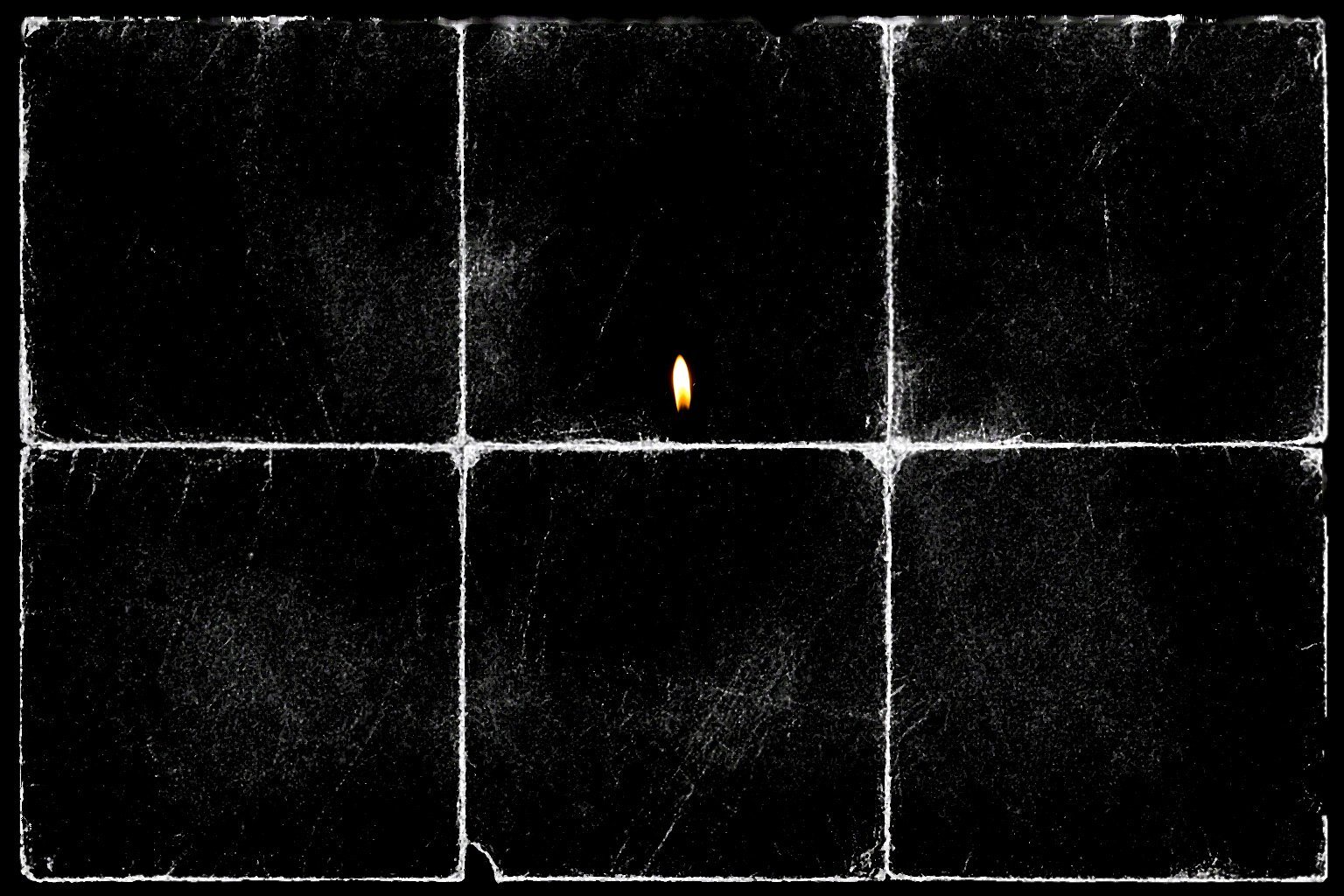
In the project Memory That Persists, I examine group photographs of political exiles detained in Makronisos during the Greek Civil War (1947–1950), focusing on the politics of memory. I am interested in how memory is organized, disciplined, and silenced—and in how it persists in opposition to the power that seeks to control or suppress it. These images were never neutral. They were produced and used by the state as tools of registration and control, embedded within a broader system of surveillance and ideological formation. Most of the source material comes from the archive of ASKI (Contemporary Social History Archives), which documents the experience of political prisoners and re-education practices in postwar Greece. By reassembling the faces into new configurations, I attempt to disrupt the normative framework of the archive and to reveal the unseen violence that runs through it. As the series unfolds, the figures deteriorate, become distorted, or disappear altogether, pointing to the processes of erasure and loss that accompany official historical narratives. In the fourth frame, an isolated portrait bears the inscription “Identity Card of a Private Individual.” This image does not seek to reclaim personal identity; rather, it exposes the archive as a mechanism of power that constructs subjects through disciplinary classifications. The figure does not appear as a person, but as a record — a unit within a system of control. Immediately after, the handwritten phrase “STRONG WINDS” intervenes as a human gesture: elusive, ambiguous, and unclassifiable. A rupture within the closed system of categorization; a trace of voice. In the final image, the flame — small, unstable, almost extinguished — neither reveals nor explains. It simply reminds us that something remains. That memory, however much it is suppressed or regulated, never disappears entirely. It persists.
No categories selected
Photos (7)