
Happiness is a place
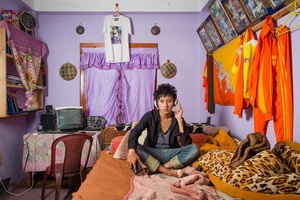
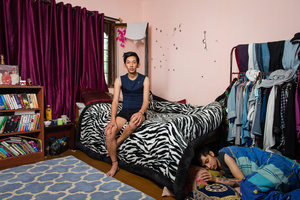
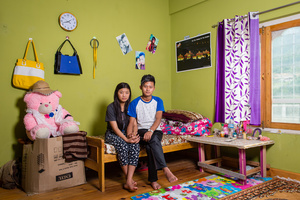
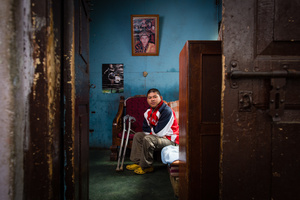
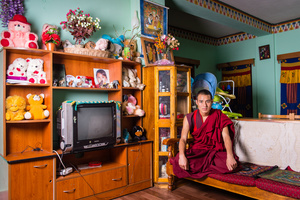
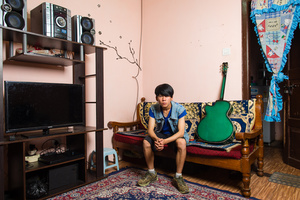
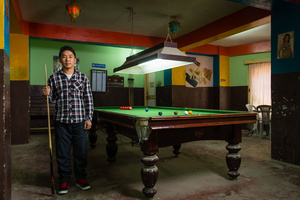
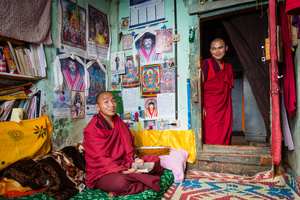
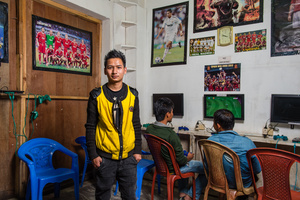
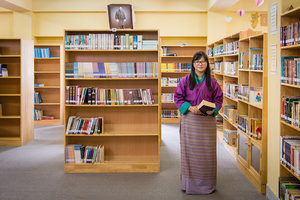
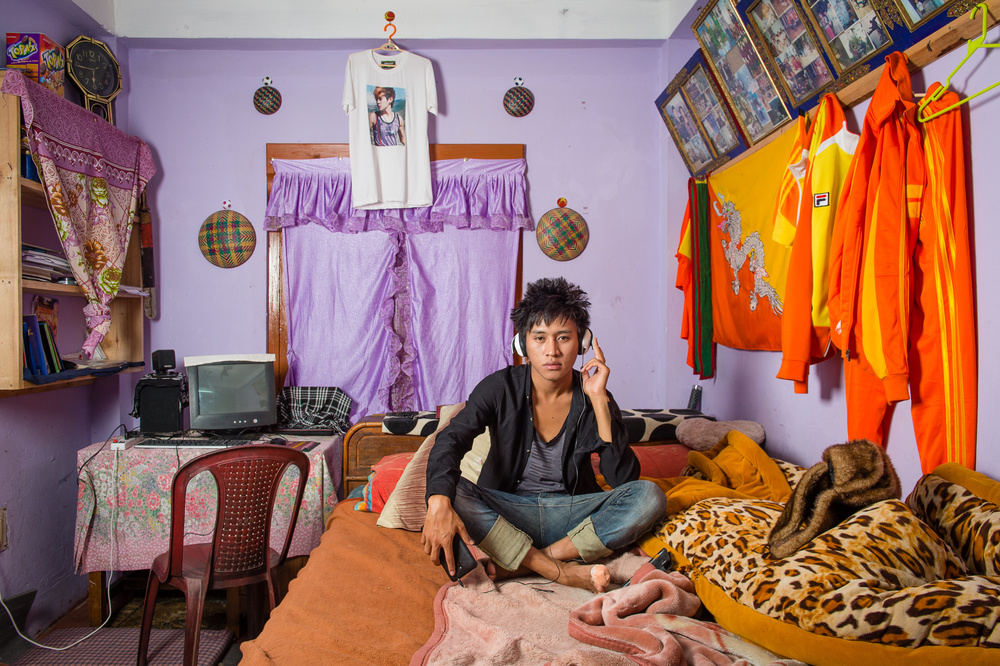
Landlocked between the economic powerhouses of India and China, the small Buddhist kingdom of Bhutan provides a fascinating case study for the effects of globalization and indeed the self-conscious resistance to this same global change. In the last decade the Kingdom of Bhutan has undergone a rapid transition, from a closed Buddhist Kingdom to a constitutional democracy and is now admired worldwide for its uncompromising pursuit of Gross National Happiness. But as Bhutan development accelerates, its government and people are engaged in a battle to preserve its culture and keep its unique identity alive. Traditional ways of living and cultural practices, particularly those in rural communities, are quickly disappearing in the quest for new lifestyles and less laborious job opportunities. Economic liberalisation of the country has also brought an influx of “modern” influences and more materialistic aspirations, especially among young people. Bhutan is often referred to as the 'happiest place on earth' or the 'last Shangri-La' but this is far from the reality on the ground . It is a controlled state, verging on oppressive and bureaucratic to the extreme. All citizens are requires to wear the national costume in public during business hours and there's a strict code of conduct which they must adhere too. It was the first country to totally ban smoking and the sale of alcohol is prohibited on Tuesdays. There are also rules and regulations which control everything from building styles to the availability of meat. In 2015 I spent 11 months documenting this rapidly changing culture, especially among the younger population. There is a fascinating juxtaposition between the old traditional Buddhist way of life and the new modern life of mobile phones, internet and cable television. The country is in a massive state of flux and through this series of portraits I wanted to showcase the effects globalisation was having on the younger generations of this tiny himalayan Kingdom.
Photos (10)