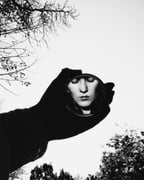
Disguised
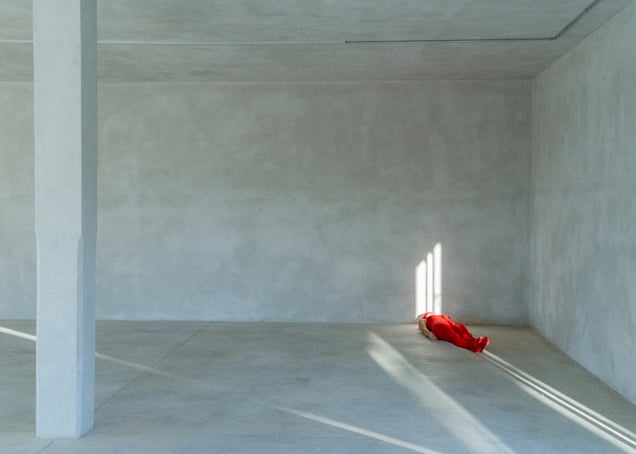
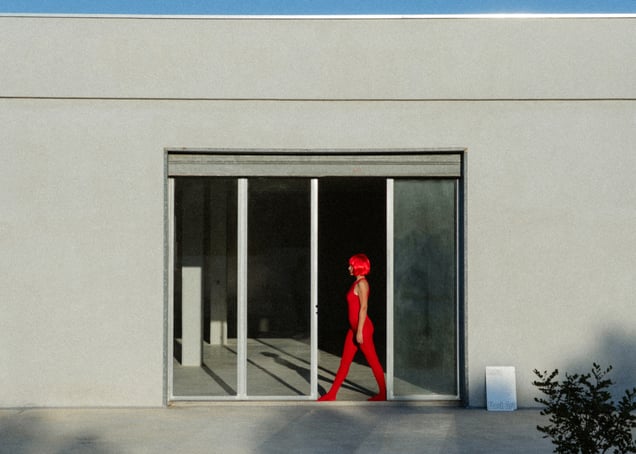
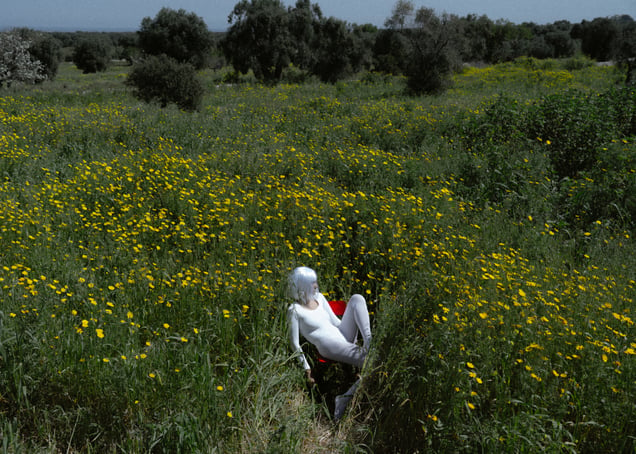
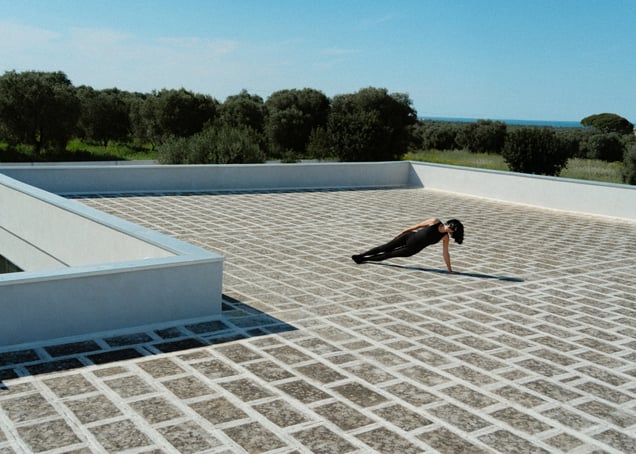
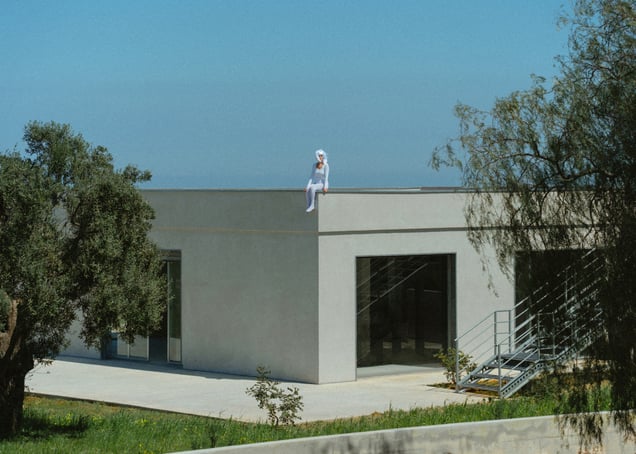
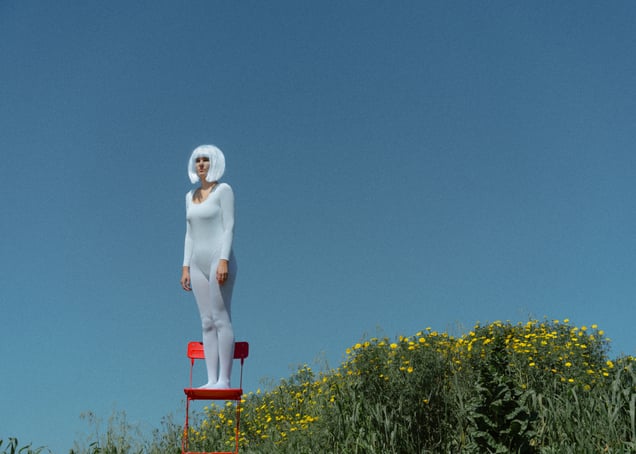
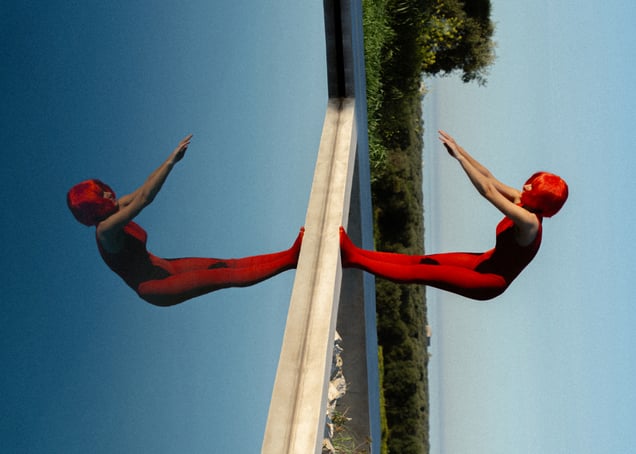
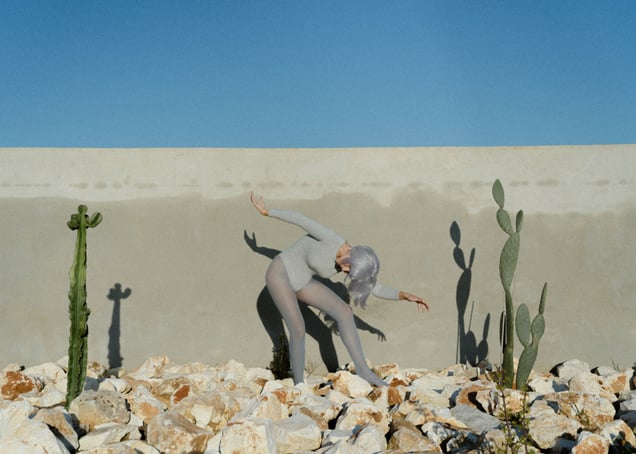
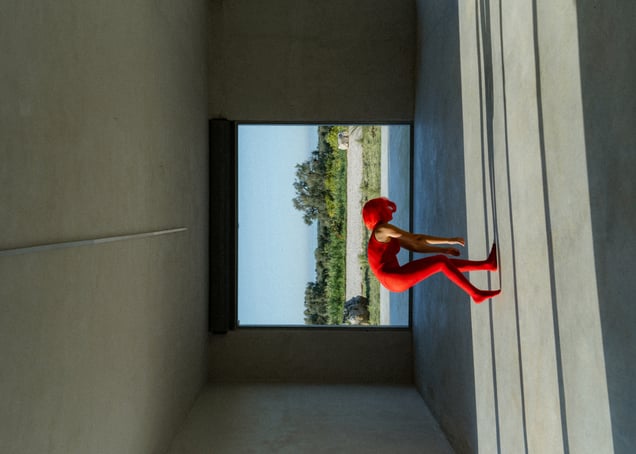
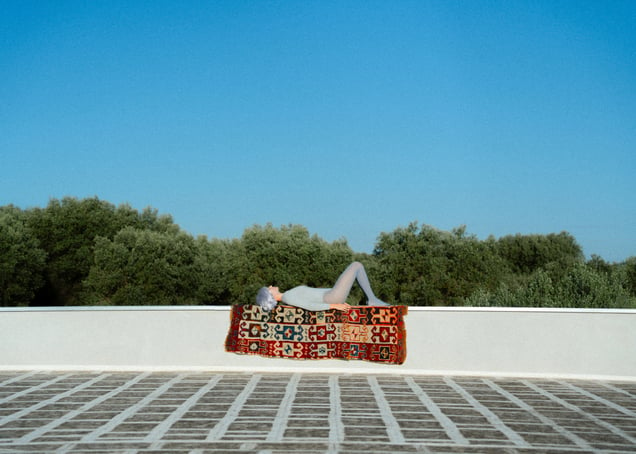
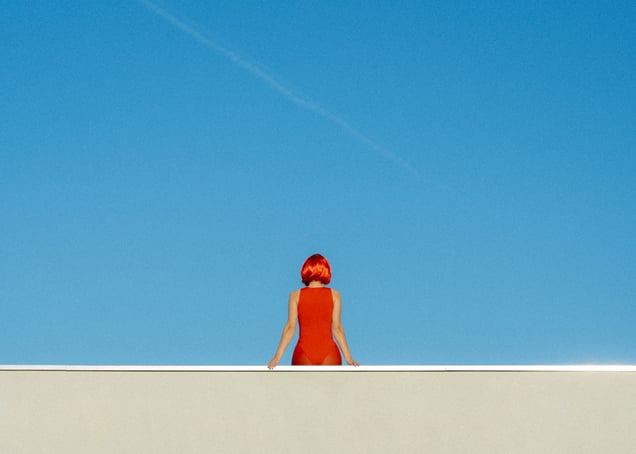
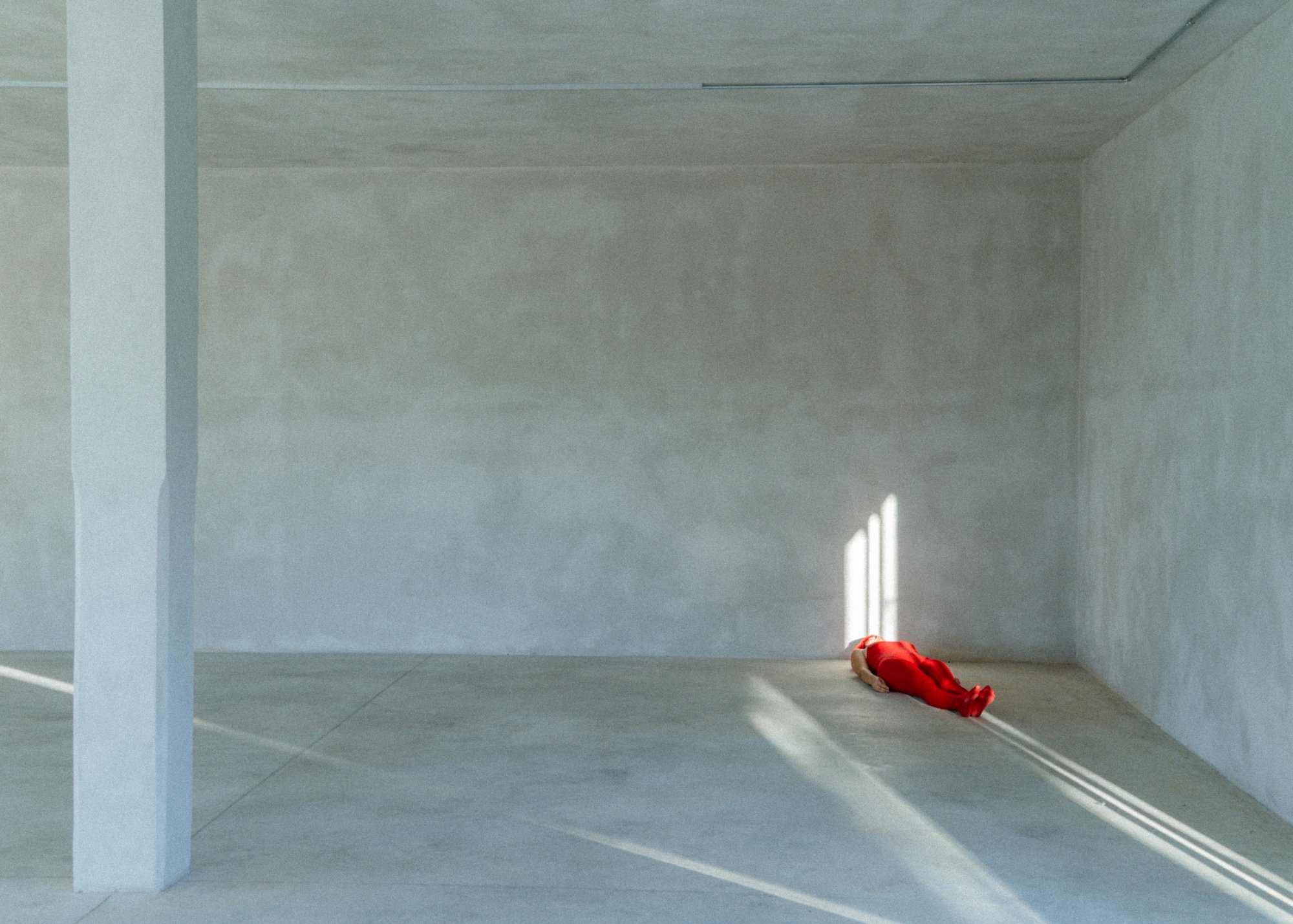
D I S G U I S E D Casa Flash Art, Italy, 2026 I have a long history of hiding myself in new situations. I hid myself as a child, behind my Mom’s skirt, when I met someone new; I hid myself as a teenager, when I had to speak in front of the classroom; I hid myself from the world as a mother, when going through depression; and I hide myself now, when I encounter foreign places and people. I disguise. “To disguise” comes from the Old French word "desguiser", meaning “to change one’s appearance” or “to conceal identity”. Perhaps I disguise in order to protect myself from what I do not know. Perhaps, when meeting change, I am prone to lose a part of who I am, and so I choose to wear a shield. Identity has been a recurrent theme in my work as a visual artist. I have always been concerned with the “alteration” of the self and the alternative identities we bear during different periods of our life – I am a woman, a mother, a photographer, a wife, a daughter, a writer, a villager, a tourist and whatever I am ought to be when I am not all of these. I came at Casa Flash Art with one thought: who am I going to be in this particular context, from the greater point of view towards the smallest? From Europe, to Italy, Puglia, Ostuni, Casa Flash Art? Am I going to preserve my identity or will the place leave its mark upon me? Of course, the answer was that, no matter how long or little I stayed, I would come back home changed. I decided to disguise myself in order to inhabit the house and its surroundings. Whether it was wildflowers, water, cacti, or concrete, glass and steel, I wanted to become part of them; I wanted to colonize this foreign land, which became my temporary home for a few days. At Casa Flash Art, I chose clean, minimalistic spaces to explore a liminal identity – that which lies between being a foreigner, an outsider, a peregrine, in contrast with being an inhabitant, a dweller, a person who doesn’t only come and go, but leaves a part of himself in the lieu he visits. Through the DISGUISED project, I propose a disjunctive identity, of a passenger, a transient self in a hide-and-seek relationship with the space he occupies, by turns protecting and allowing himself to “conquer” and to “be conquered” by unfamiliarity.
No categories selected
Photos (12)