
Street Documents
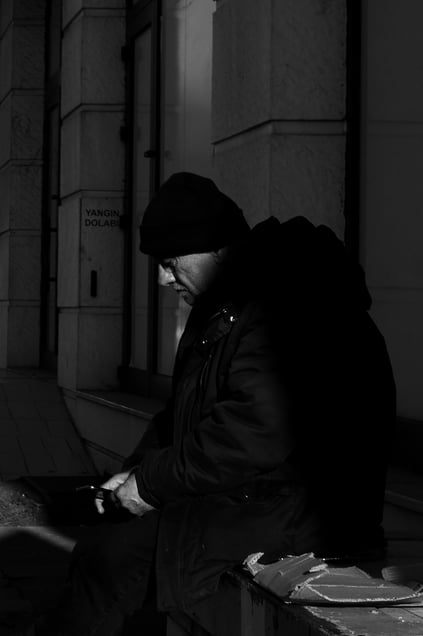
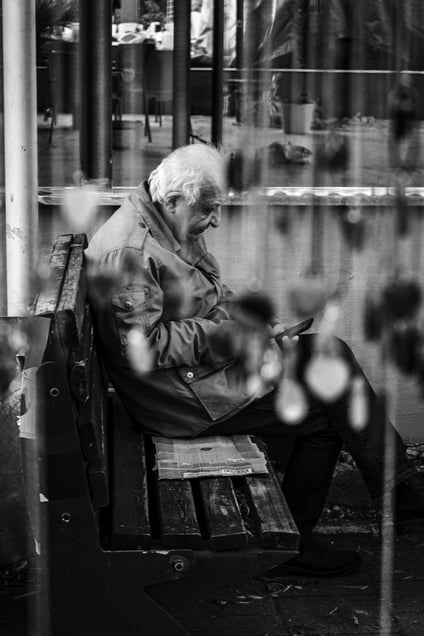
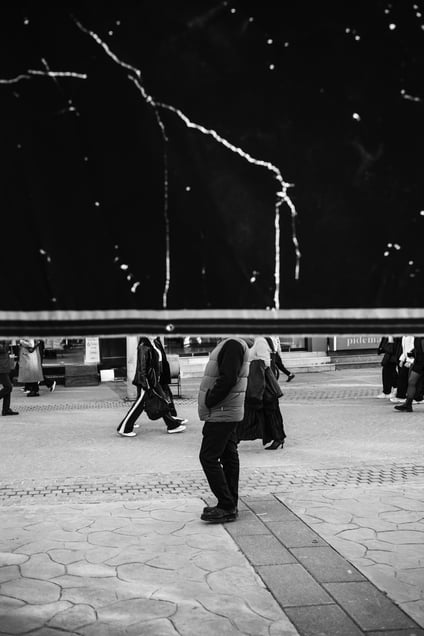
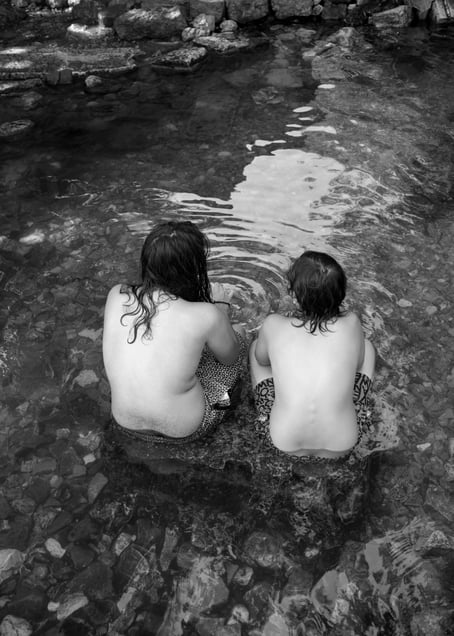
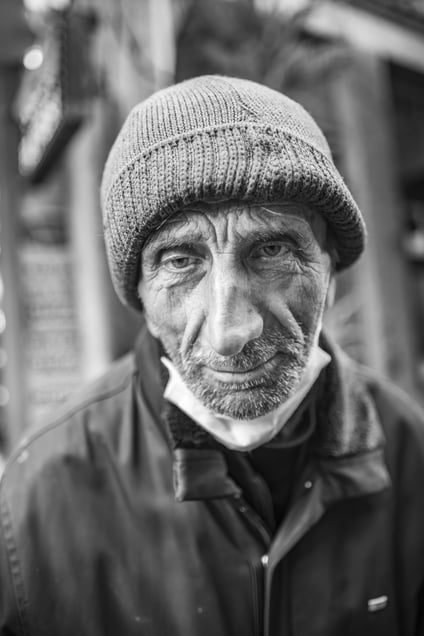
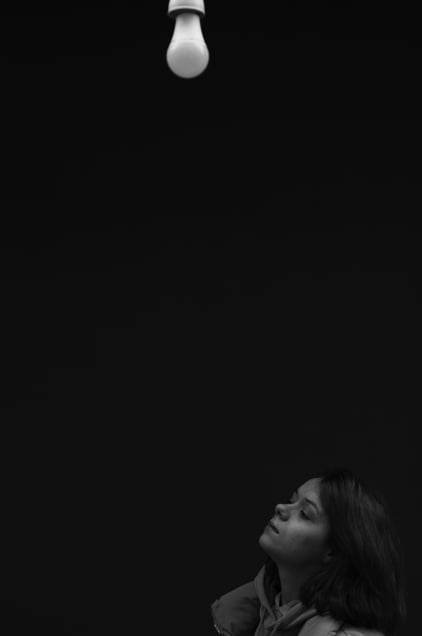
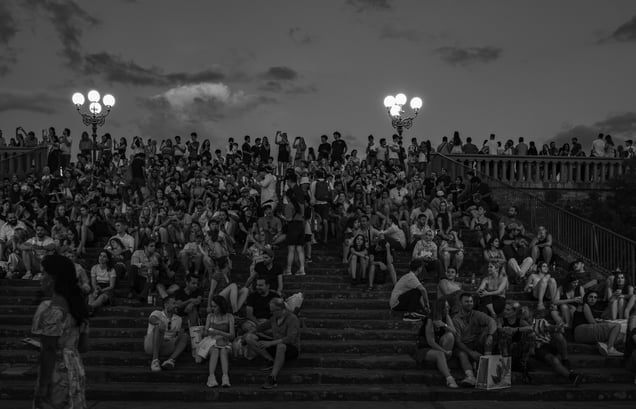
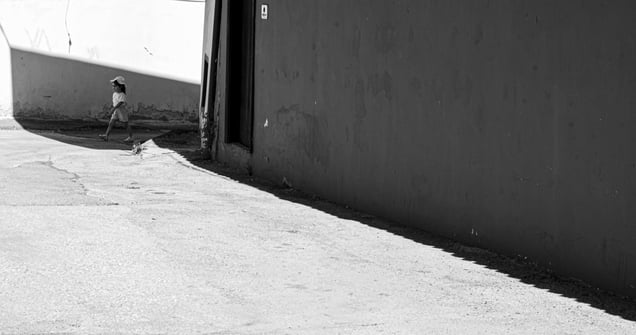
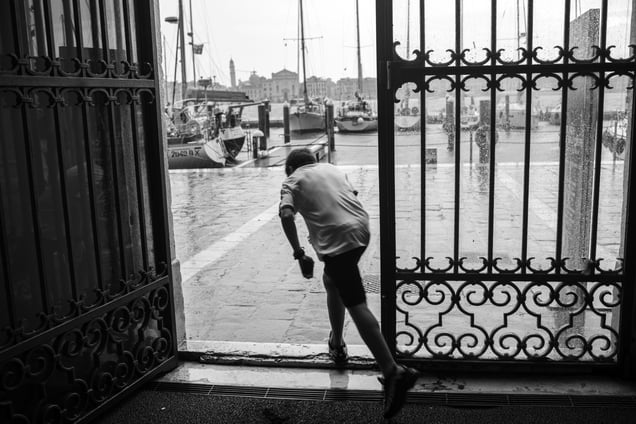
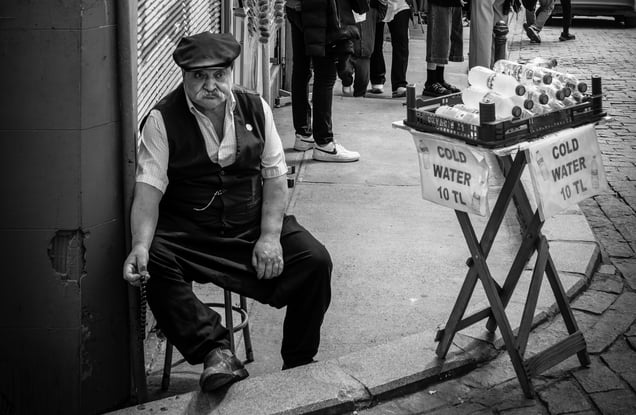
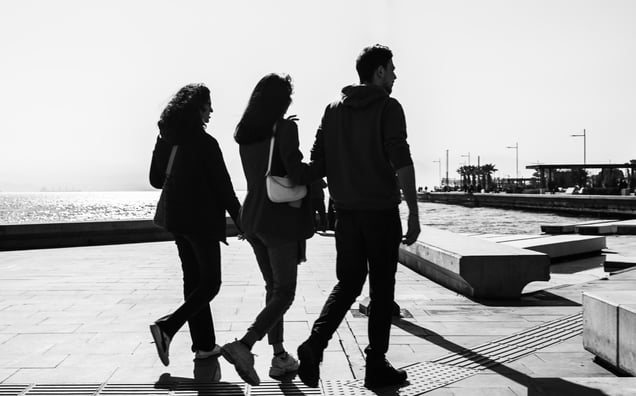
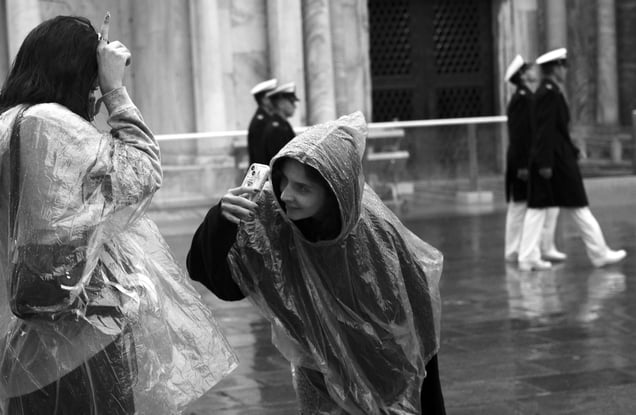
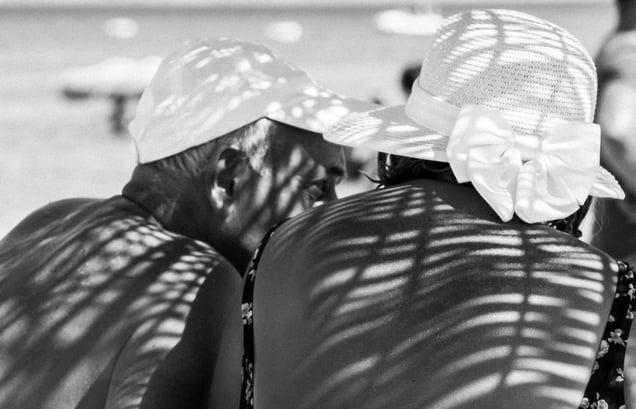
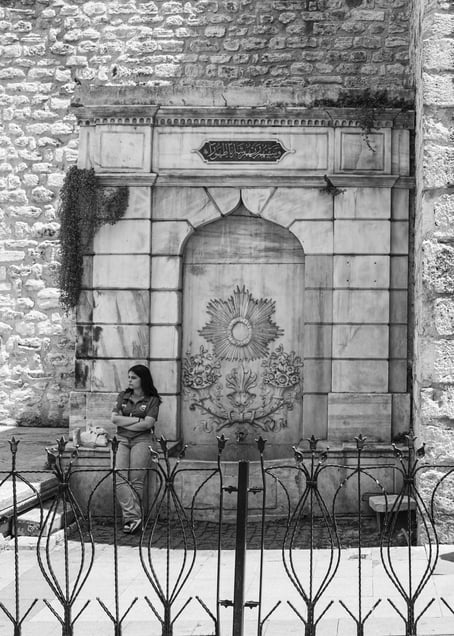
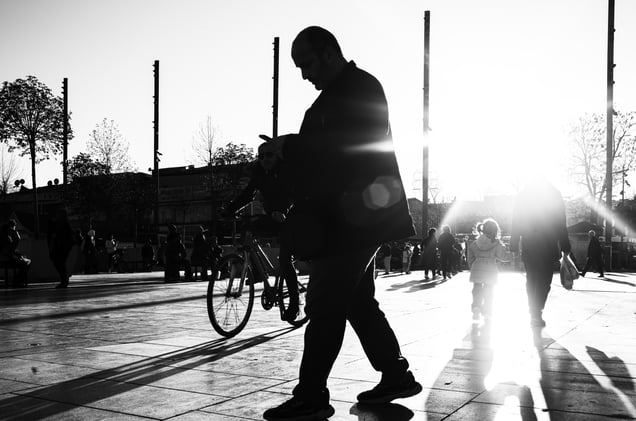
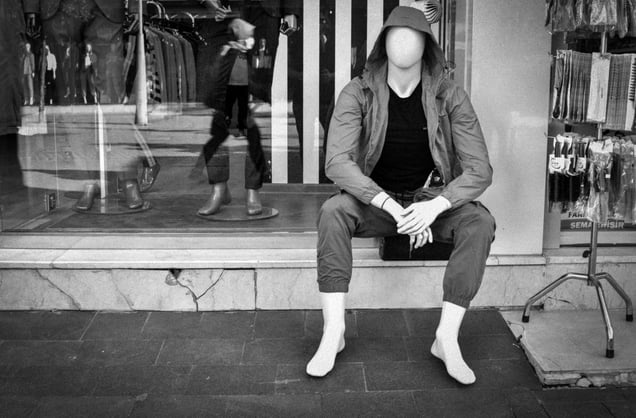
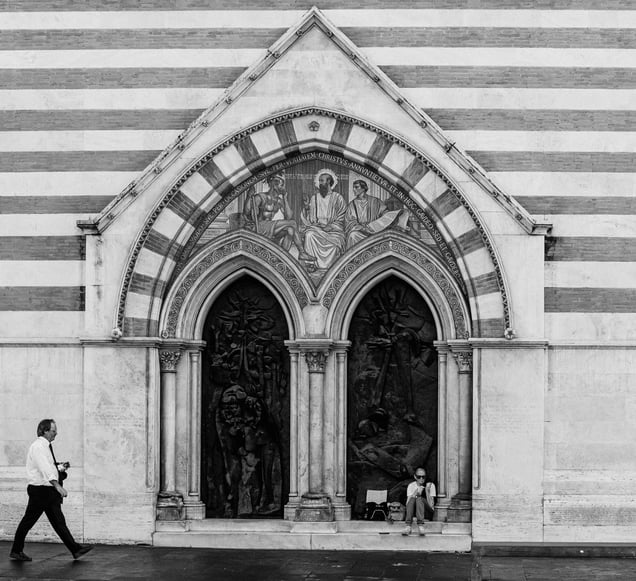
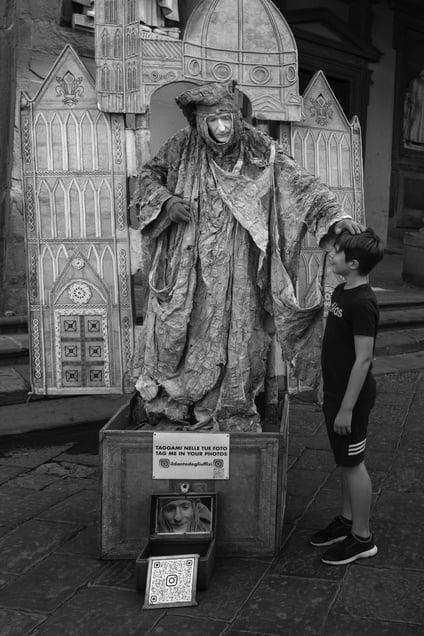
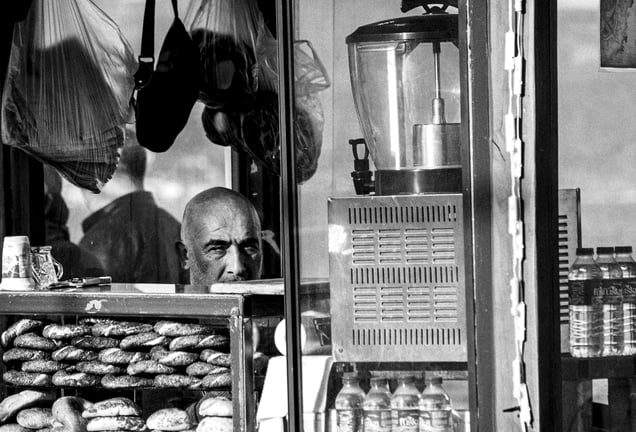
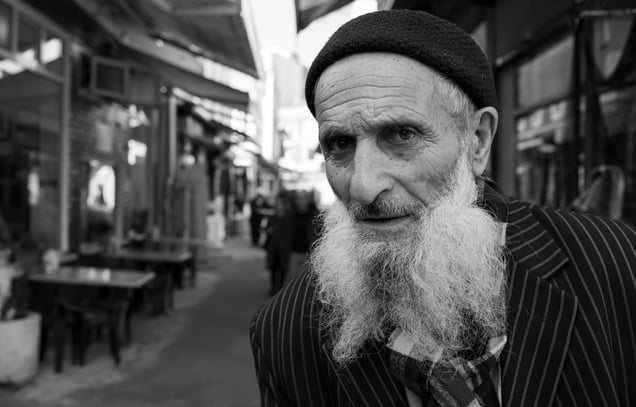
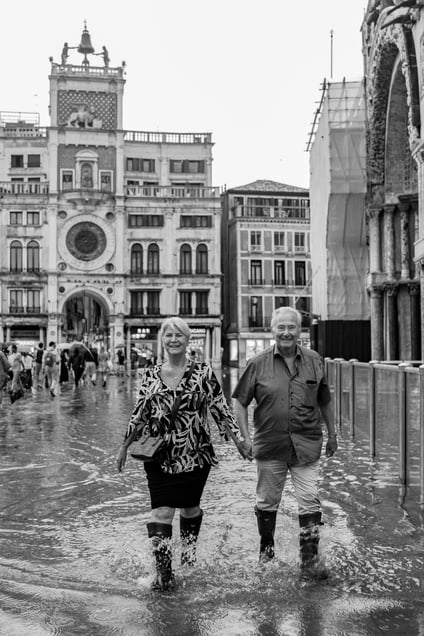
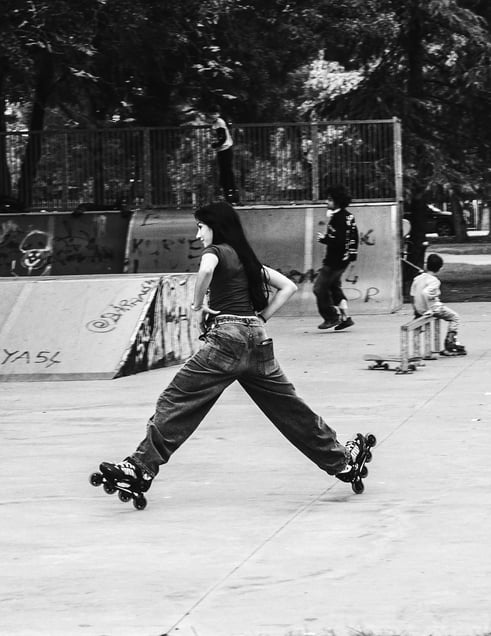
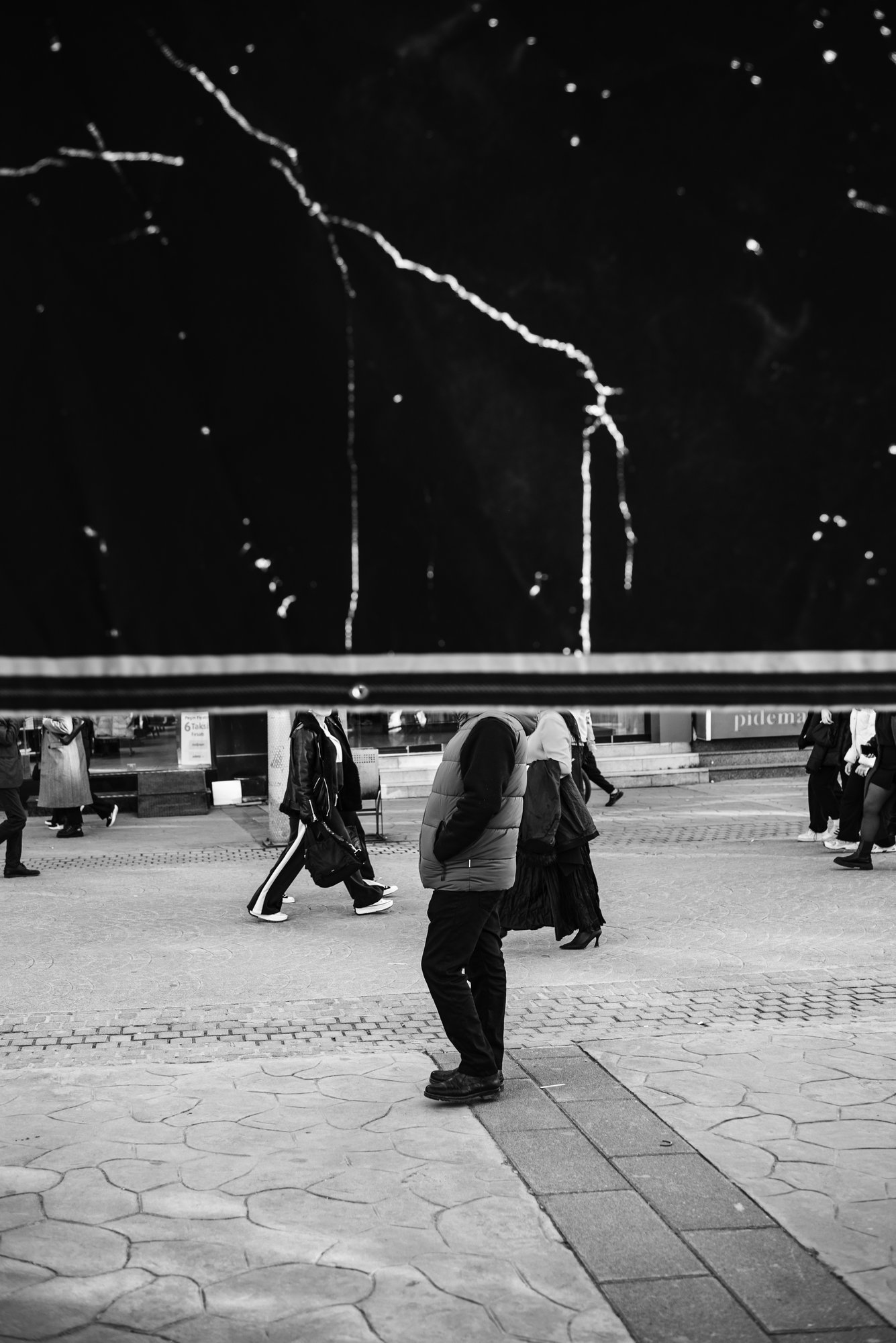
The Oxford Dictionary defines the concept of a document as "something that shows a fact, a reality, gives clear conviction to the truth of a claim, testifies to it," while the Turkish Language Association (TDK) defines it as "a written document, photograph, picture, film, etc., that testifies to a fact." Although photography is mostly considered a document used in media, it is a visual reference document used in many fields, primarily law, but also sociology, history, and architecture. Street photography, with its relatively equal subjective and objective aspects, has a stronger documentary quality compared to other types of photography, especially street images obtained from public spaces. An image is defined as the mental design of the external world, existence, something real or unreal, or a phenomenon, and knowledge about the object is formed through the image. The most general definition of an image is that it is the primary form of acquiring knowledge about existence. That is, our consciousness about existence is its image, its subjective design. Imagination, which lies between the concepts of image and creation, is defined as the ability to establish new relationships between images and to produce new concepts. Consciousness is involved here, and imagination is something that every human being does and is capable of doing. Sociological imagination, on the other hand, is concerned with an individual's ability to relate their own life to social conditions. Individuals interpret their personal experiences not only from their own perspective but also in connection with social structure, cultural norms, and history. Street photographs, one of the objects of reference for sociological imagination, can be influential in the formation of public consciousness. Eugène Atget (1857-1927), who photographed the transformation of Paris from 1892 onwards, hung a sign on the door of his small shop that read "Documents for Artists" to describe his work. Initially, Atget produced photographs that artists could use in their work, but in subsequent years he systematically explored the streets of old Paris, creating a visual archive for the Paris City Council by photographing the city in its transformation. This archive attracted the attention not only of city planners but also of surrealists, and in 1927, a selection of his street photographs was published in the Surrealist Revolution magazine and included in surrealist exhibitions. Atget's description of his work as "Documents for Artists," which he used to describe his photographs of Paris's historic streets, architectural structures, and traditional markets with a minimum focus on the human element, remains valid and even holds true in a broader context today. Indeed, street photography today serves as visual documentation not only for artists and craftspeople but also for theorists working in history, architecture, sociology, and especially urban sociology, demography, cultural studies, economics, and many other disciplines. The street, as one of photography's exploratory areas, offers a rich dataset to those who view it functionally, and street photographs function as witness documents of how social change is reflected in the streets. The exhibition, consisting of black-and-white photographs taken between 2017 and 2025 in Istanbul, Izmir, Sakarya, Eskişehir, Venice, Florence, and Rome, is titled "Street Documents," inspired by Atget, but it carries a significant difference with its anthropocentric perspective. Based on the idea that street photographs possess powerful documentary value, this exhibition introduces the concept of documentary street photography for the first time. Suzan Orhan, September 11, 2025, Sakarya
Photos (22)