Between Farewell and Invisibility
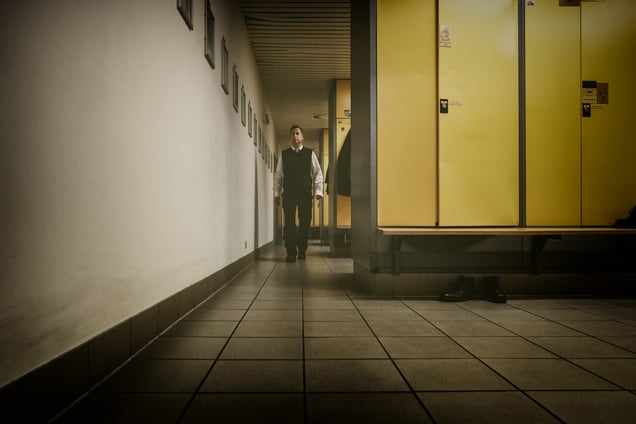
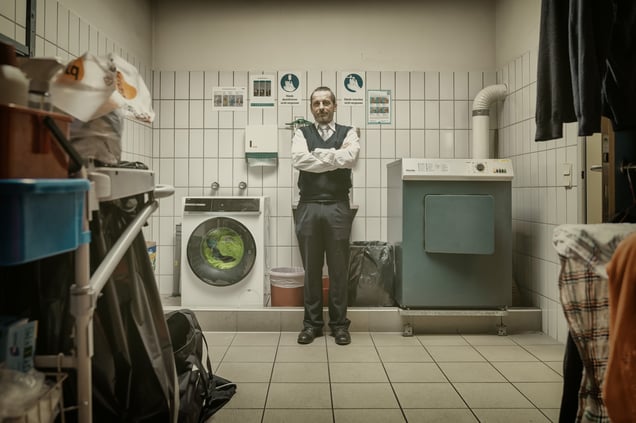
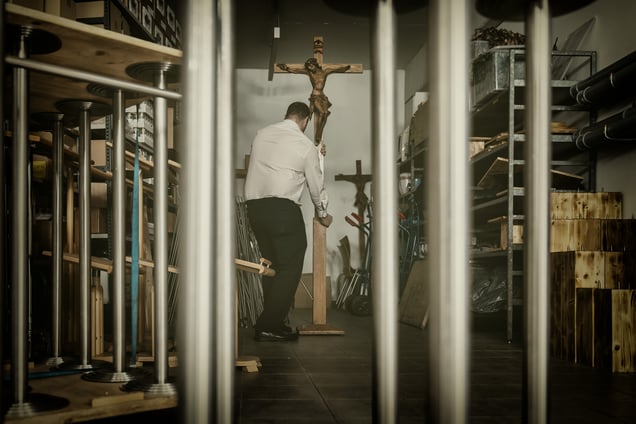
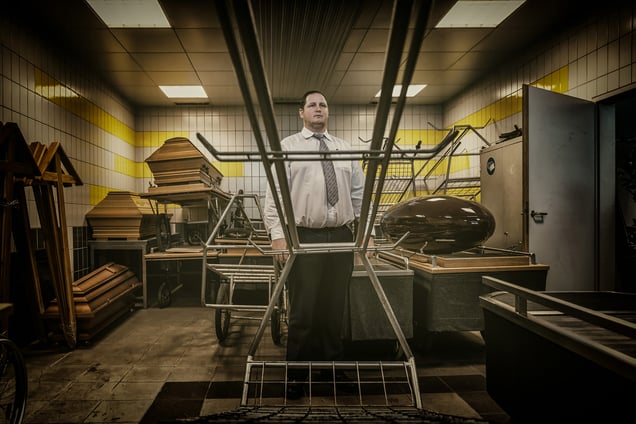
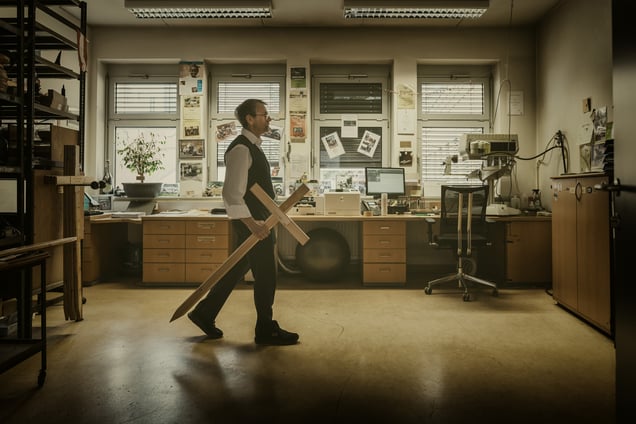
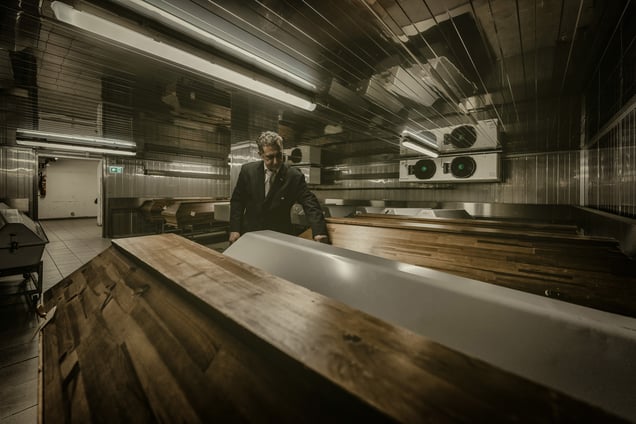
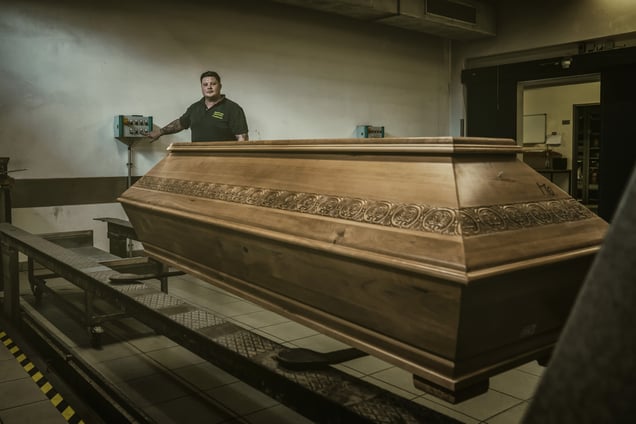
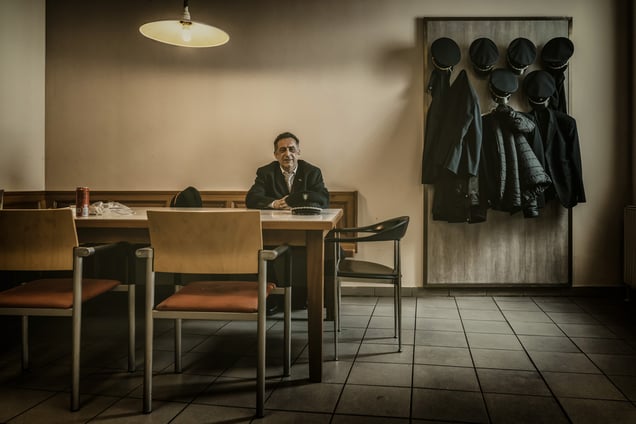
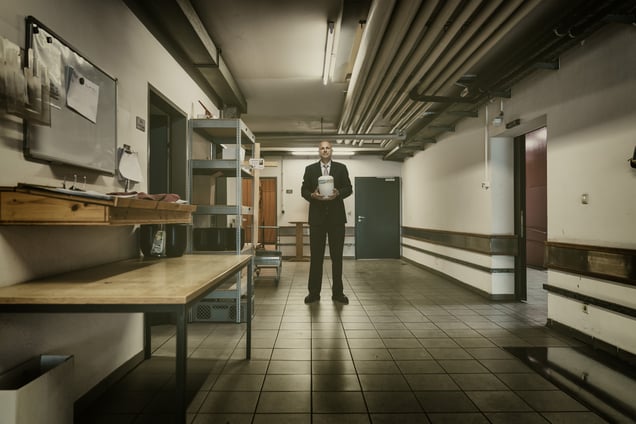
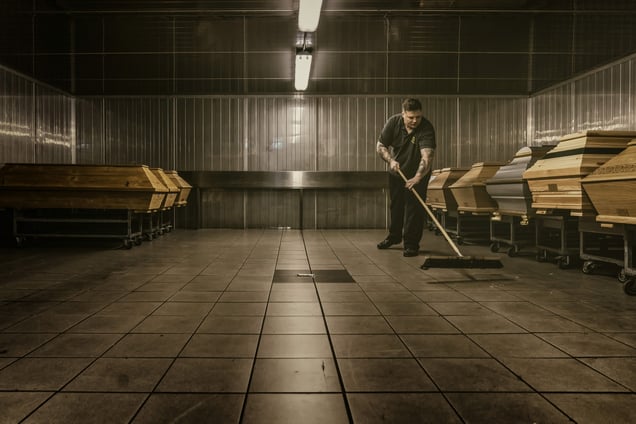
What we usually see of death is only the framework: the coffin, the flowers, the ritual of farewell. What we hardly ever see is what lies in between – the silent hands that prepare the transition, the people whose work makes it possible for grief to find a place and a form. In my photographic series about the Graz funeral home, which has accompanied people on their final journey for over 130 years, I focus on this hidden space. My images don't tell of death as an event, but of the work of transformation. Of people who deal with the end of life every day and fulfill a task that is simultaneously technical, human, and profoundly existential. I approach my subjects with great restraint. My photographs avoid sensationalism, avoid distance – instead, an almost intimate closeness emerges. In calm, focused images, I show employees engaged in activities that usually remain invisible in the public consciousness. These are gestures of care and dignity. The photographs open a space for what we usually suppress. They reveal that behind every funeral lies a network of people whose work is characterized by respect, professionalism, and empathy. My images are not documentation in the classical sense. They are an approach to a liminal space of life—a place where routine and existential significance are inextricably linked. My camera observes attentively without judgment. It lingers where others would quickly look away, placing the individual, life itself, at the center. In this way, a visual narrative emerges about dignity, responsibility, and the invisible aspects of our society. It is meant to remind us that death is not only a personal event but also a social process—carried out by people whose work often goes unnoticed. By making this work visible, I shift our perspective: away from the spectacle of death and toward the quiet gestures of care.
No categories selected
Photos (11)