Resident Aliens
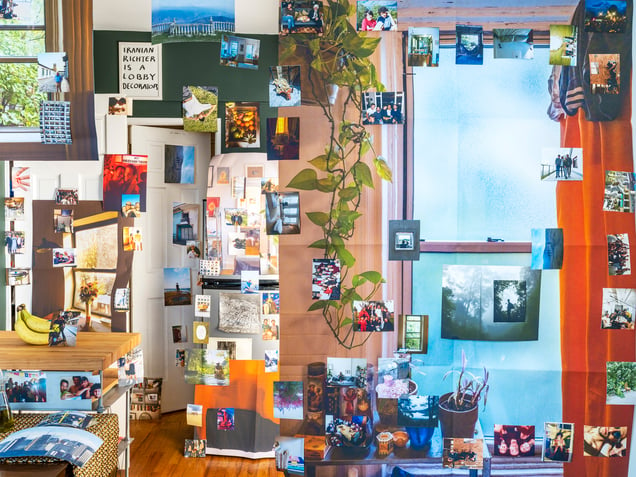
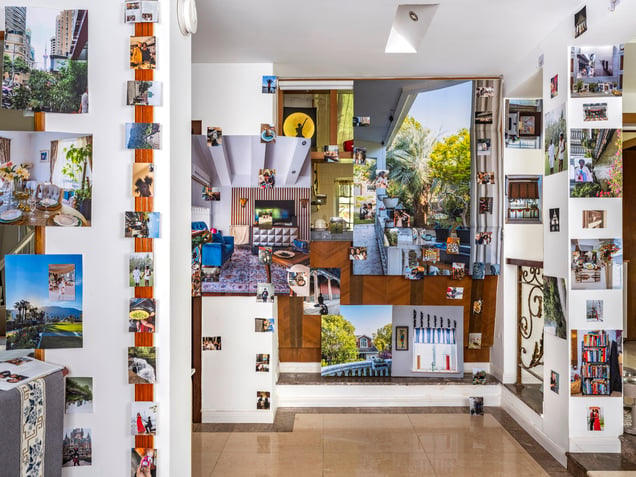
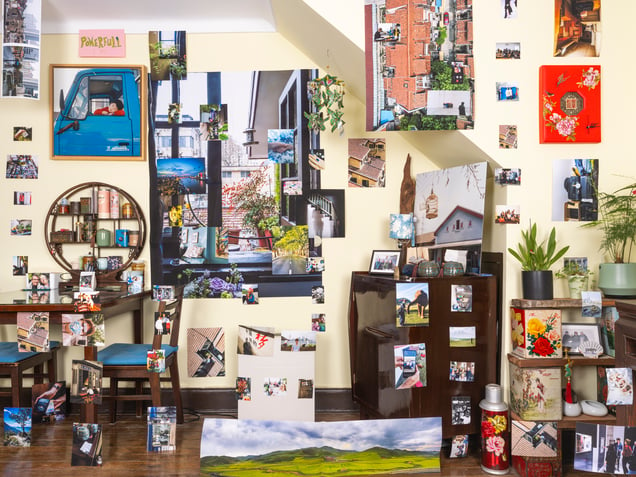
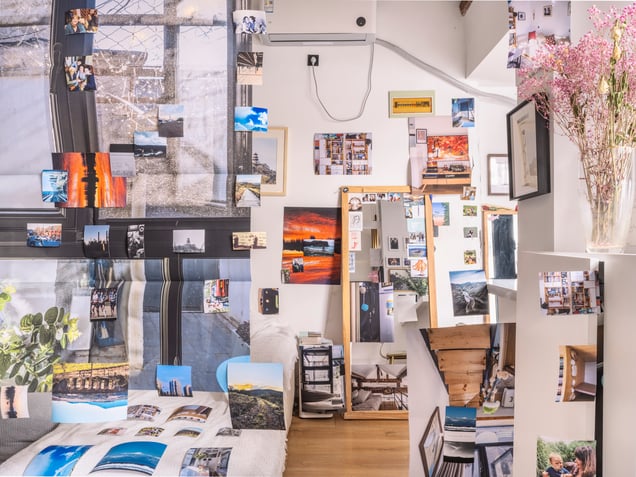
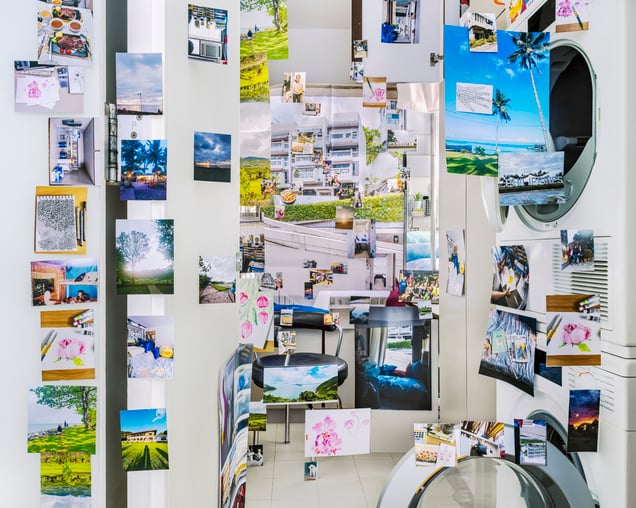
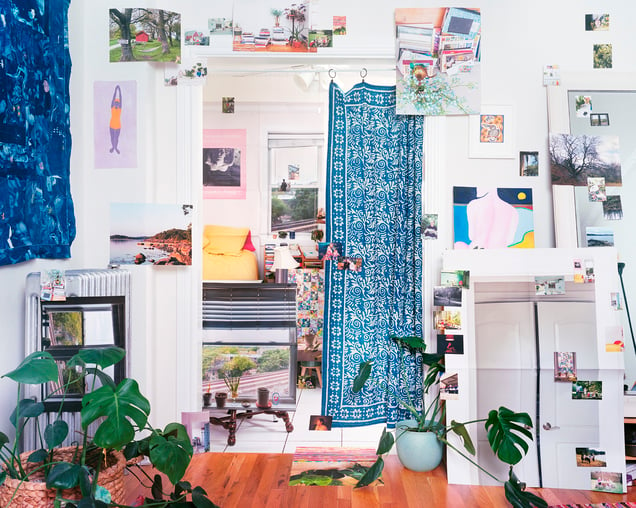
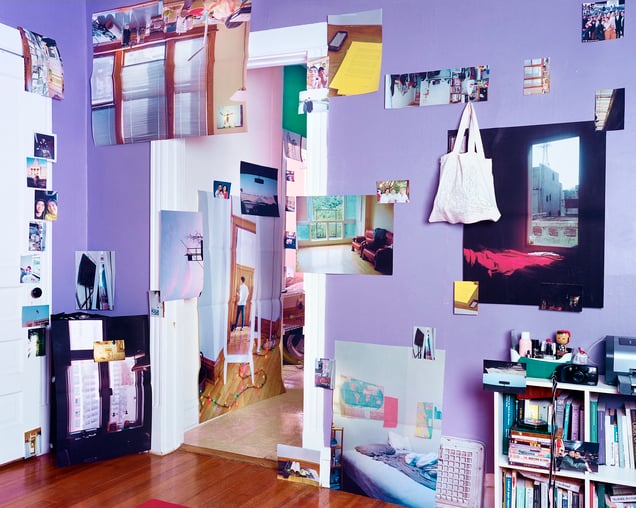
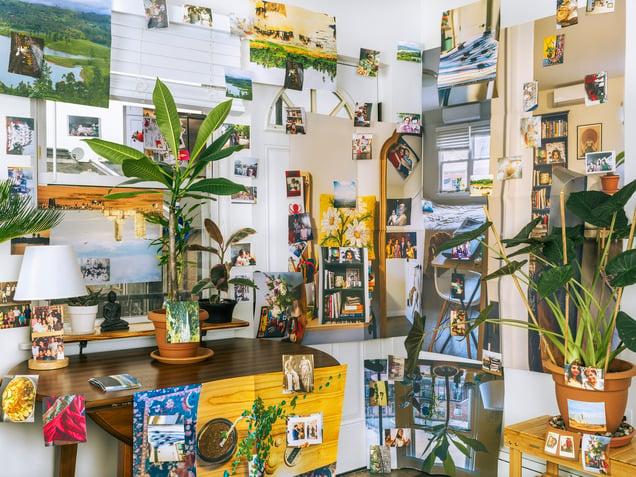
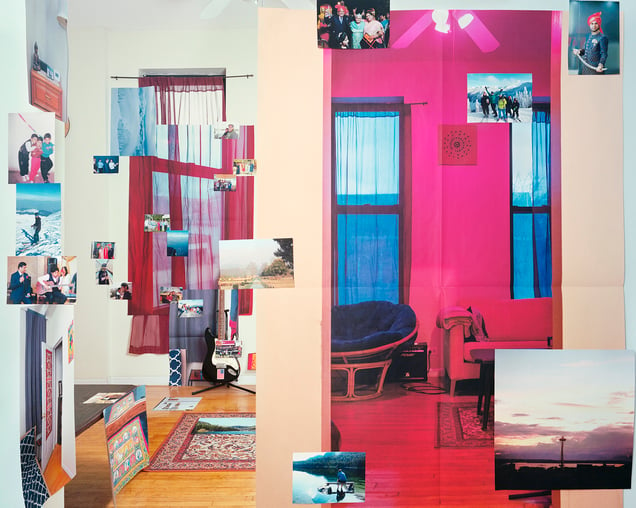
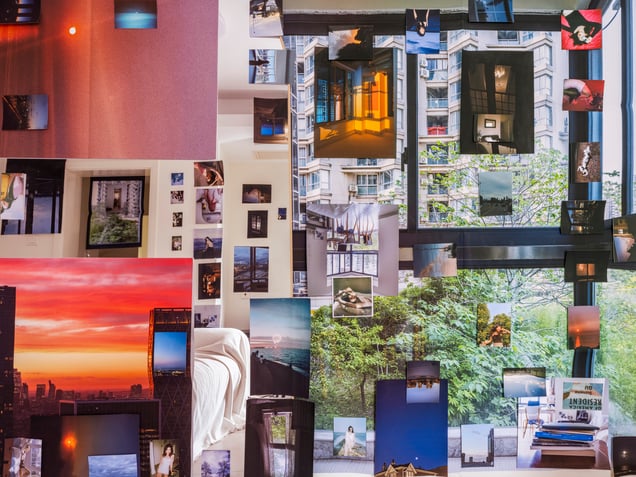
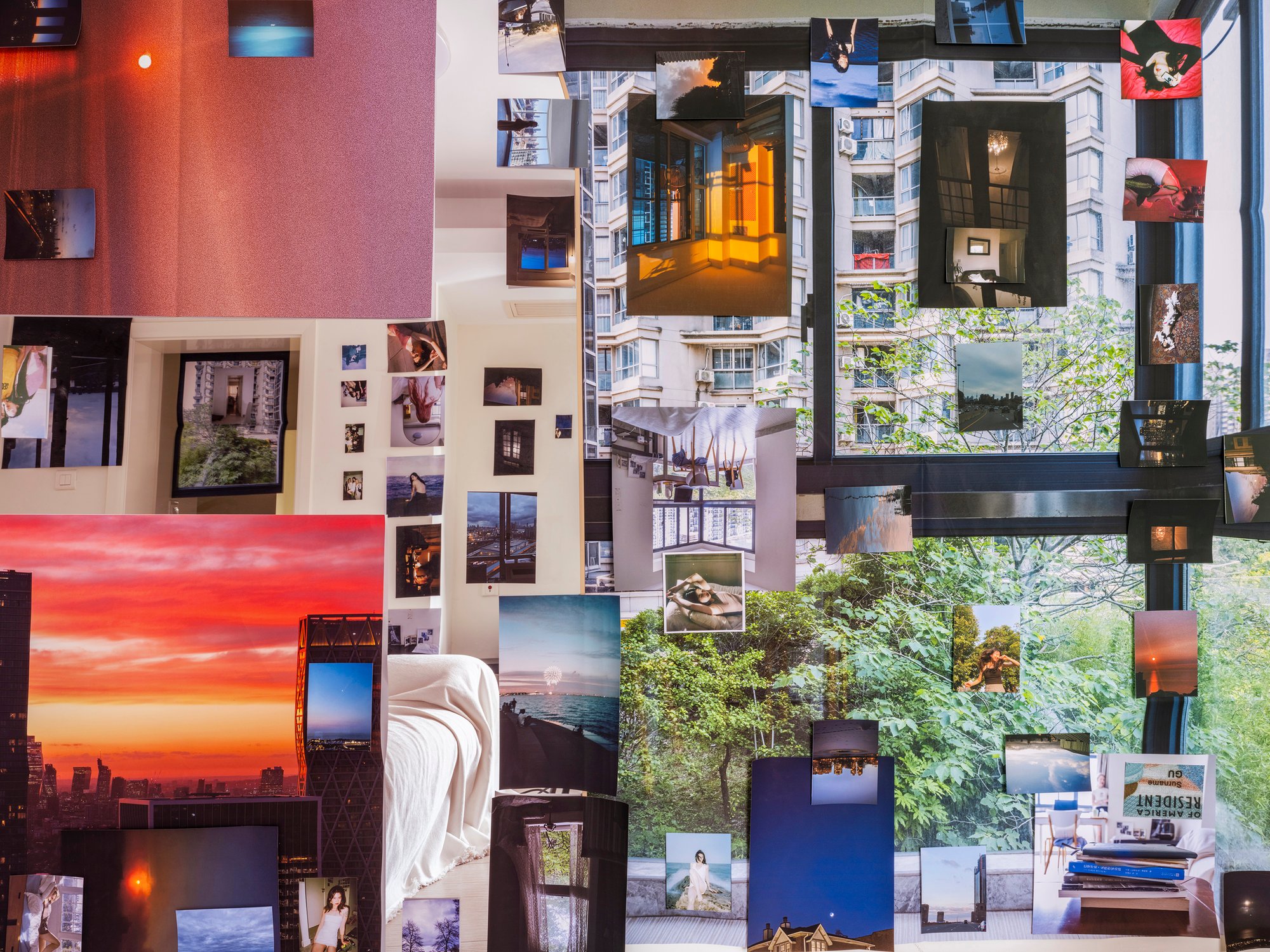
Resident Aliens presents physical photographic installations within immigrants' interior spaces to examine their personal histories and complex experiences. Through photographing the layered images of immigrants' interior spaces, belongings, personal photo archives, and pictures of places they captured in this world, the project blurs the boundaries between the familiar and foreignness, private and public, belonging and alienation. Resident Aliens is particularly meaningful when we face the rise of neo-nationalism and xenophobia across the globe. Since 2020, I have engaged in collaborations with over 40 individuals residing in Chicago, East Lansing, New York, Hong Kong, Beijing, Nanjing, and Shanghai. These individuals come from various countries and regions, including Brazil, China, Colombia, Croatia, Ecuador, Egypt, France, Germany, Hong Kong, India, Israel, Kashmir, Malaysia, the Philippines, Russia, Singapore, South Africa, South Korea, Sri Lanka, Sweden, Switzerland, and the United States. Under the backdrop of the recent rise of neo-nationalism across countries, to create various representations of immigrant's legal status, I will continue to expand the geography of my project to share more perspectives. My collaborations with participants serve as a fundamental social practice in representing their intricate identities and histories while simultaneously negotiating power dynamics and preconceived stereotypes. These photographs not only depict identities but also their inhabited environments. As an outsider entering their “territory,” I transform their transient states into installations, preserving these constructions as photographs. The Resident Aliens project presents immigrants’ nuanced experiences within their homes and within this post-globalized world. These convergences of spaces and times invite viewers to explore fluidity rather than fixed perspectives, engaging their gaze, imagination, and care. By defying rigid definitions, the project simultaneously connects the temporality of photography, immigration status, and identity. It emphasizes the contradiction inherent in representation, both photographic and legal. The project is situated between photography, installation, and performance, constructing layered images of identity, personal history, and the built environment. The creation and the use of fear psychologically control us. For instance, in the U.S., a resident alien who is required to pay the same tax as a citizen may not only struggle to assimilate in the public space but also potentially cannot see the home as a safe haven. We are not citizens, and our homes are temporary. Under systematic oppression, to a certain degree, staying at home could be a house arrest: we either leave to struggle for assimilation or stay worrying about the shift of immigration policy and foreign relations. This perpetually contradictory and temporary state is why I want to photograph people in their homes. Under the shifting immigration policies, many people were in a constant state of uncertainty. The Covid-19 pandemic has even added more difficulties for many people I have photographed. These constructions of state power perpetually classify immigrants as potential subjects of criminality. Meanwhile, it also privileges states' ability for economic exploitation. Migrating my practice from the United States, I created three photo installations within three temporary residents' homes during my solo exhibition in Hong Kong in 2023. They are a Filipino helper, a mainland Chinese scholar, and a forced-displaced Egyptian man. To a degree, they represent the complexity of this region: a highly-developed international city with a colonial past and shifting contemporary politics. Constructing installations within dense spaces in Hong Kong is drastically different, especially given the wealth inequality of the region. This compressed living condition encourages me to build complex and disorienting constructions, echoing the sense of foreign and precariousness that I also experienced in this city. Amidst the post-COVID-19 pandemic and subsequent economic recession, a significant number of expats and immigrants left China in recent years, while others chose to remain or return. In the past year, China has initiated a series of tourism and global partnership policies. The country’s allure continues to draw international individuals, particularly in Shanghai, due to its safety, affordable (service) labor force, and still-diverse economic opportunities. However, as China grapples with its aging population and declining birth rate, it faces the challenge of adapting as an ethno-nationalist country. Will the government consider expanding its policies to welcome more migrant labor and immigration? Is the immigration policy consistently driven by extreme economic extraction? Through collaboration and conversation, Resident Aliens presents the complicated conditions immigrants experience in this so-called globalized world. I want to ask: In this interconnected world, how do we redefine citizenship and the legality of a person?
No categories selected
Photos (10)