
To Be Seen
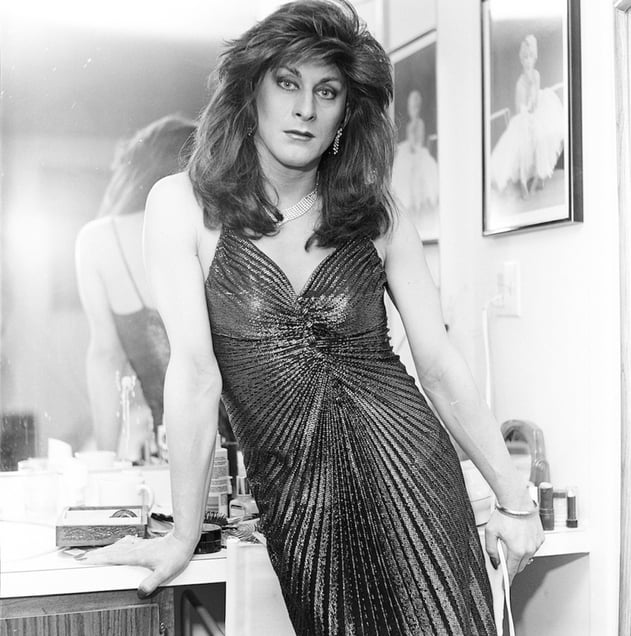
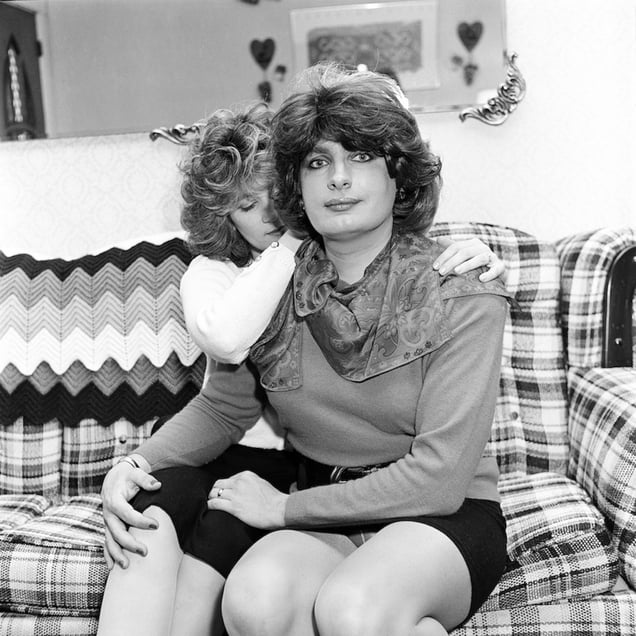
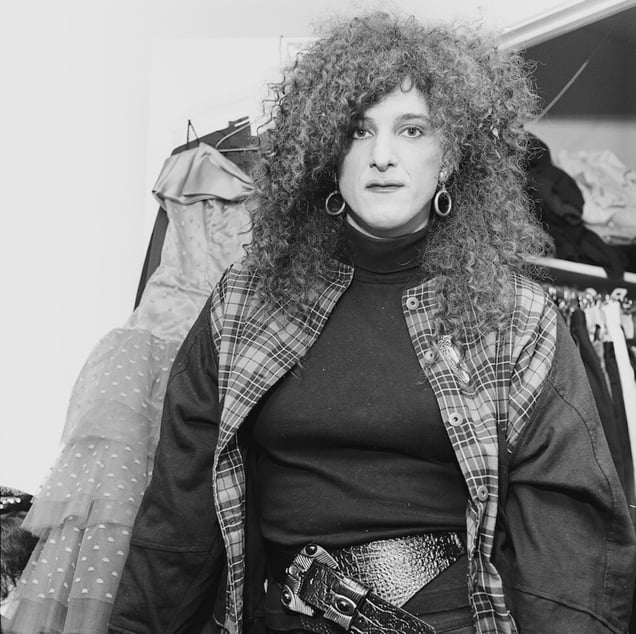
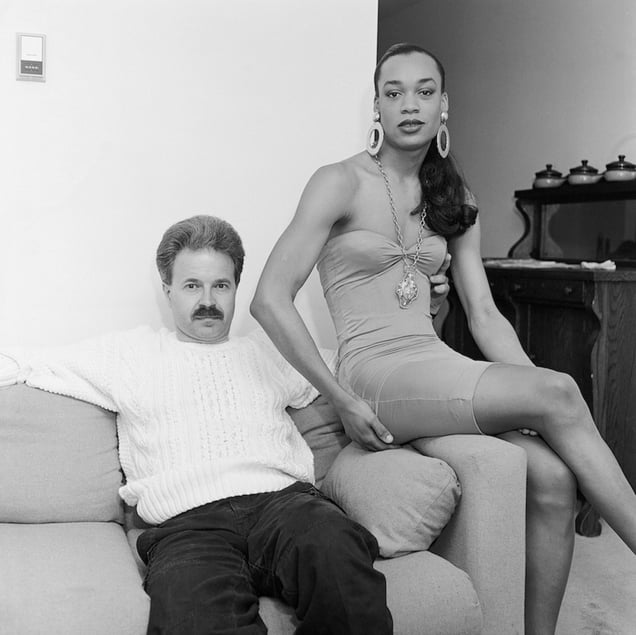
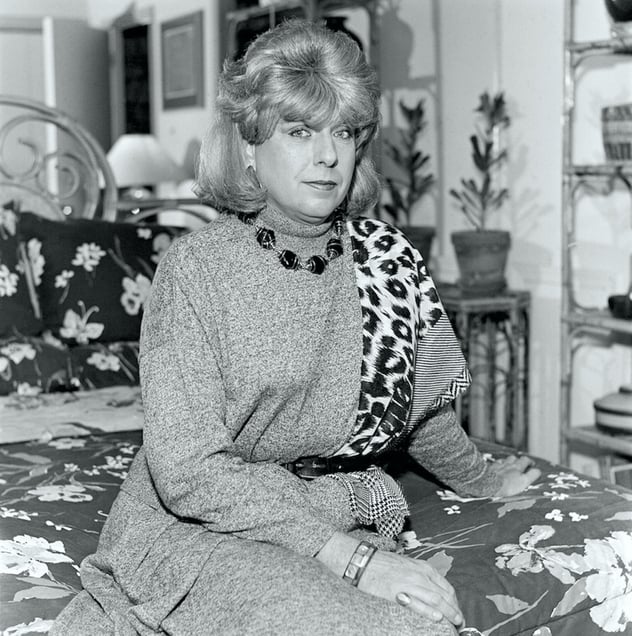
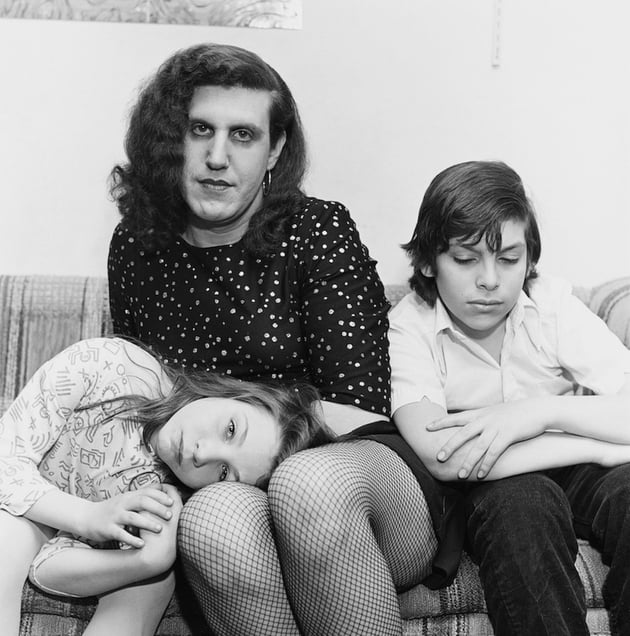
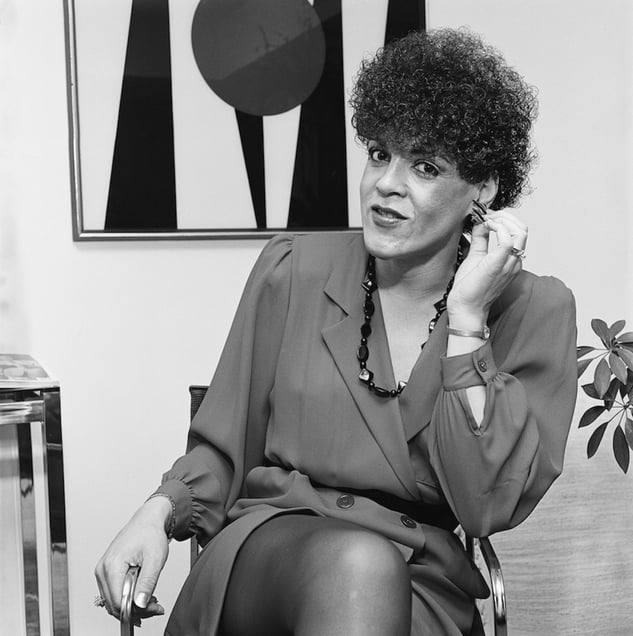
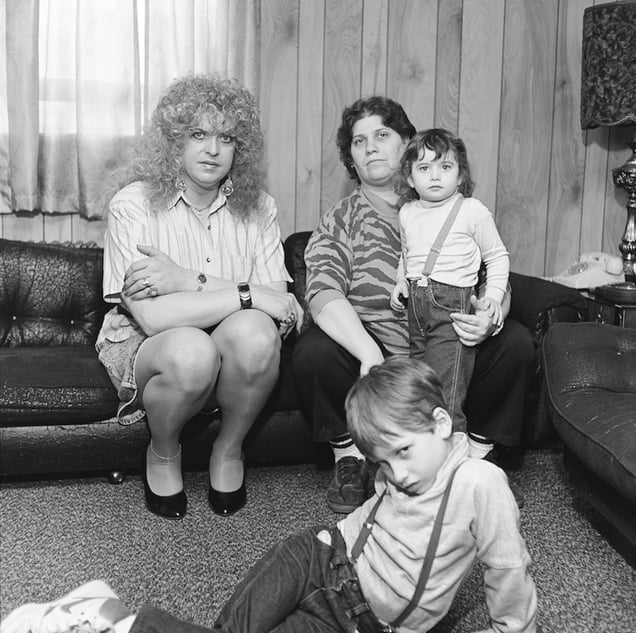
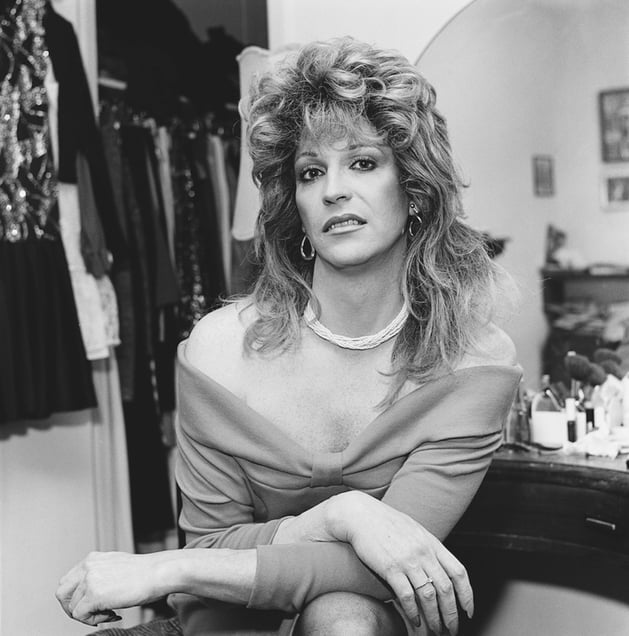
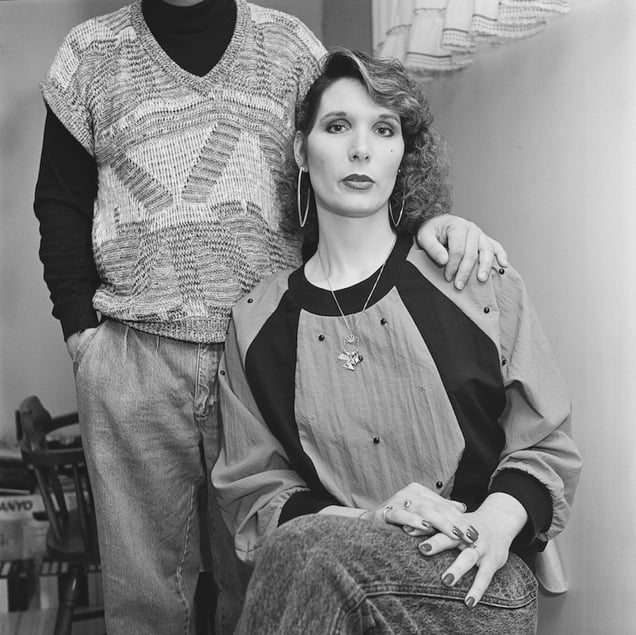
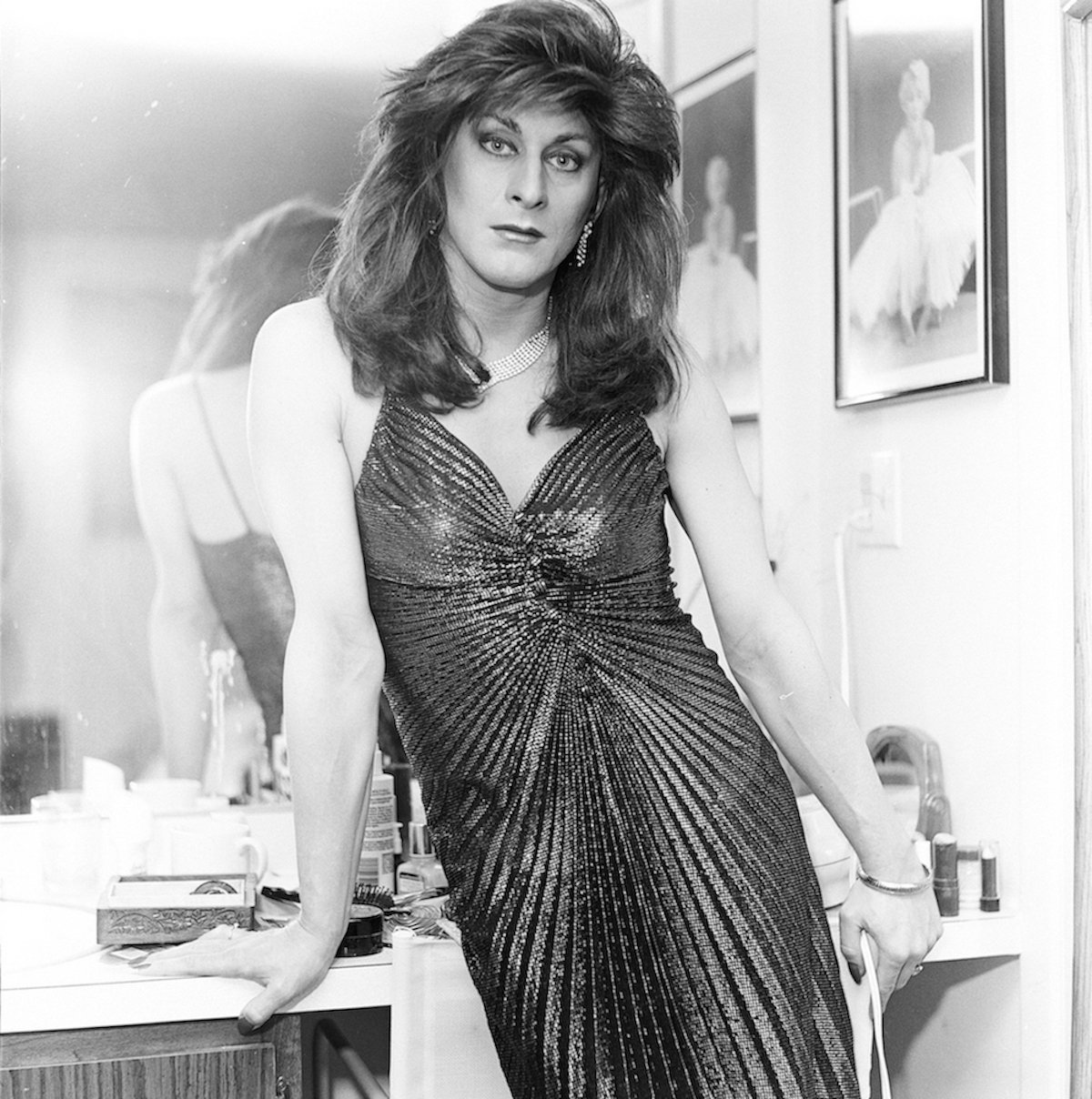
I created this series in 1988-1989 for my senior thesis at The University of the Arts in Philadelphia, when I was introduced to the Renaissance Transgender Community, an organization that to this day supports transgender individuals and their families through visibility, education, and mutual care. Their monthly meetings offered a rare and affirming space at a time when public understanding was limited and social risk was high. The community welcomed me into their homes and private spaces with generosity and trust, which allowed me to make portraits that are not about spectacle or transformation; they are about selfhood. They are about people inhabiting their identities in domestic spaces, often alongside partners and loved ones as they constructed lives with dignity and complexity. Looking back, I recognize how much the cultural climate has changed. The language, risks, and visibility were different, yet the core human experience of these portraits remains timeless: the desire to be seen, understood, and to live authentically. The camera became a bridge between public and private, concealment and recognition, subject and viewer. Revisiting this work now, decades later, I see it as part of a longer continuum of conversations about gender expression, belonging, and chosen family. While the historical moment has shifted, the need for safe spaces and nuanced representation persists. As a photographer reflecting on over thirty years of image-making, from film to digital to phone cameras, I am struck by how these early portraits continue to resonate. They remind me that photography at its most profound serves as an act of witness. To make a portrait is to say: You are here. Your presence matters.
Photos (10)