
The song of the Missiles
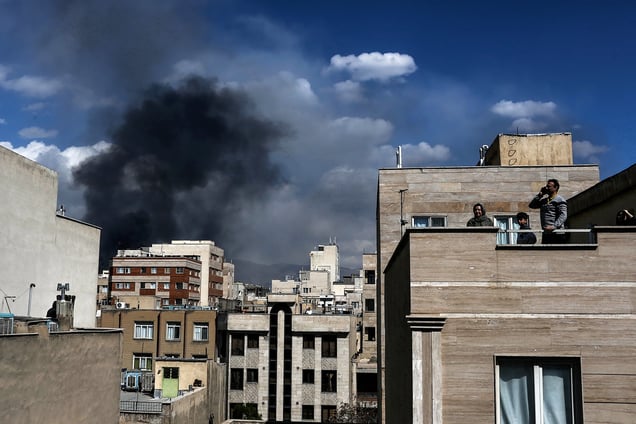
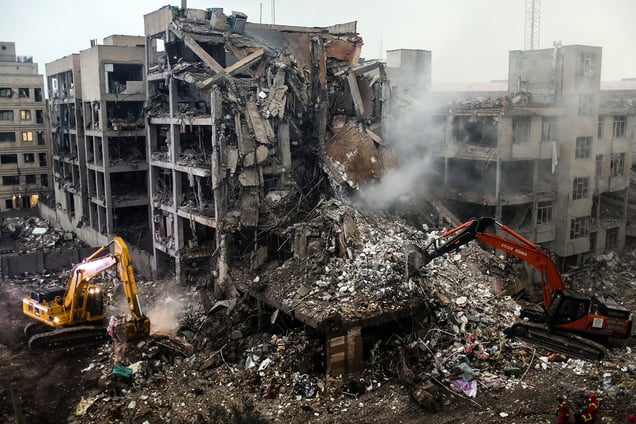
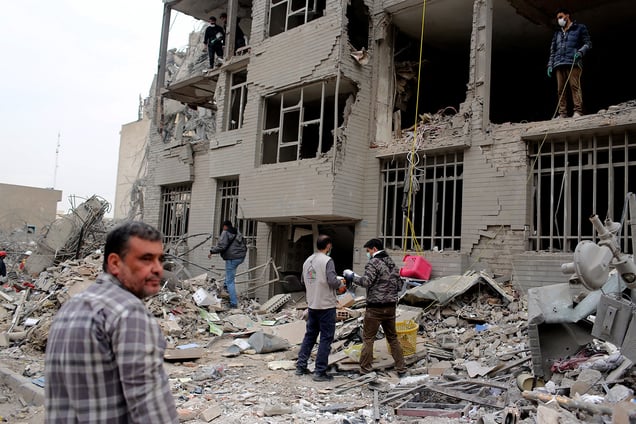
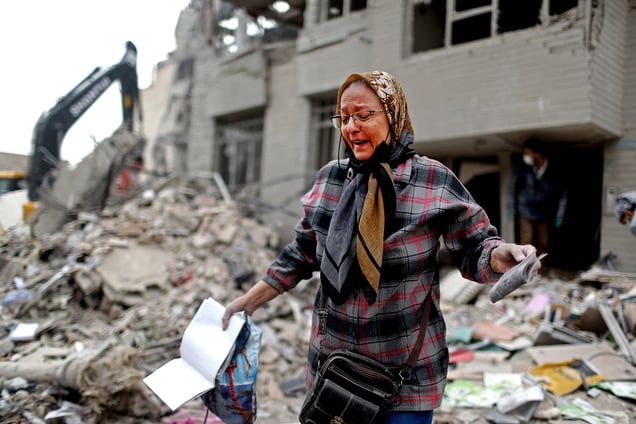
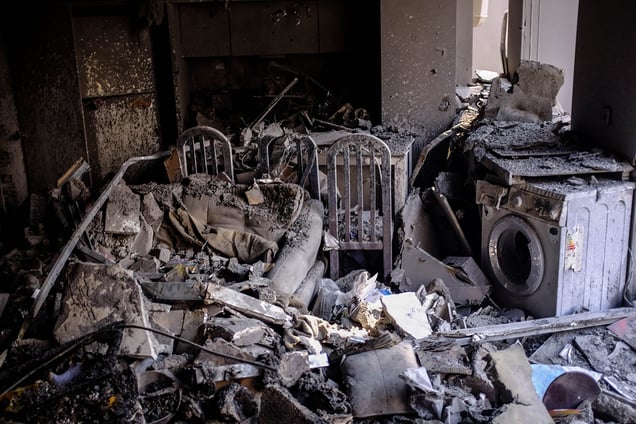
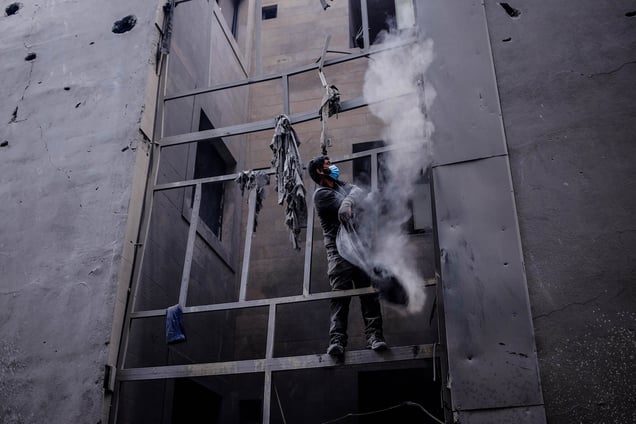
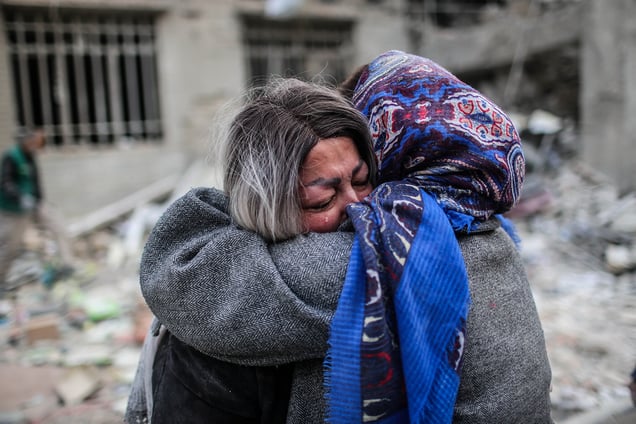
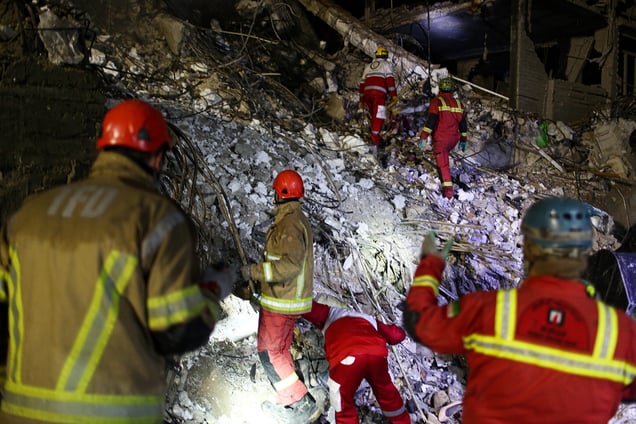
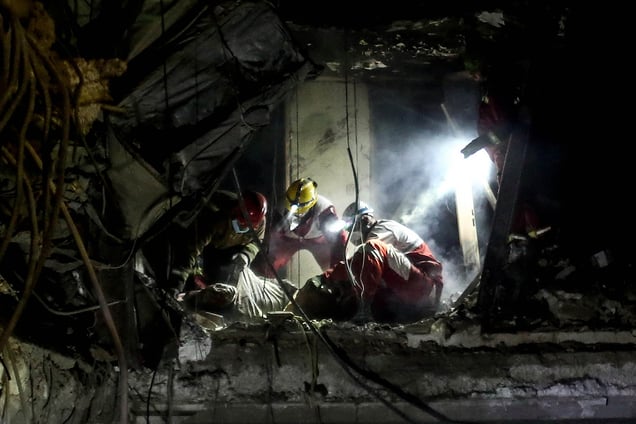
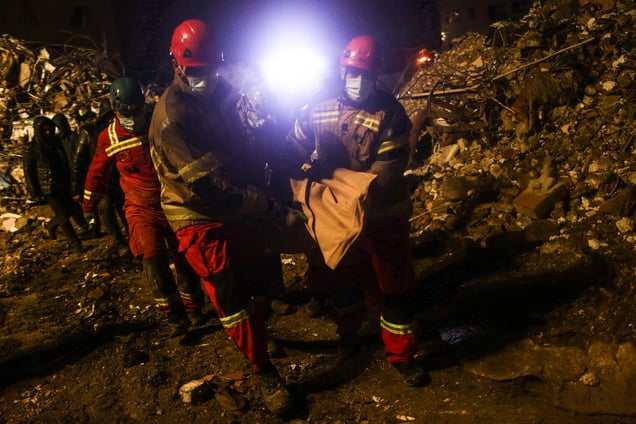
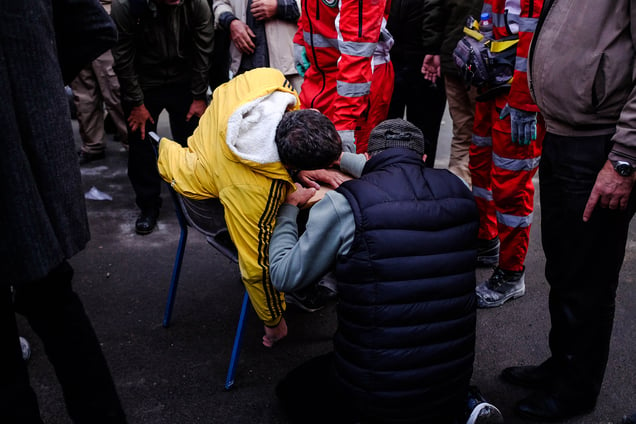
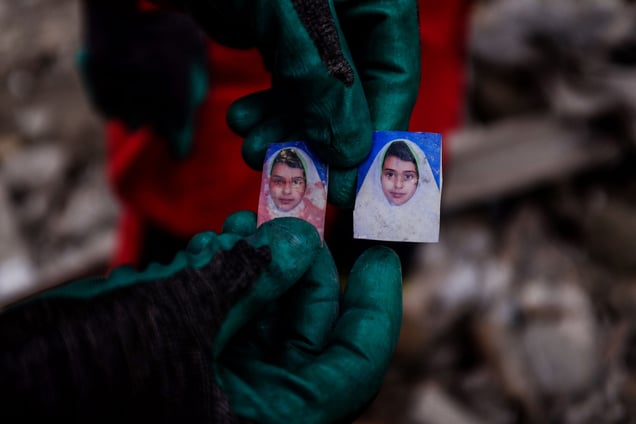
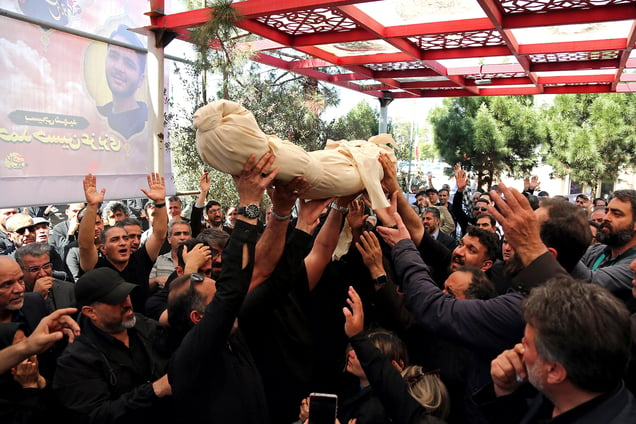
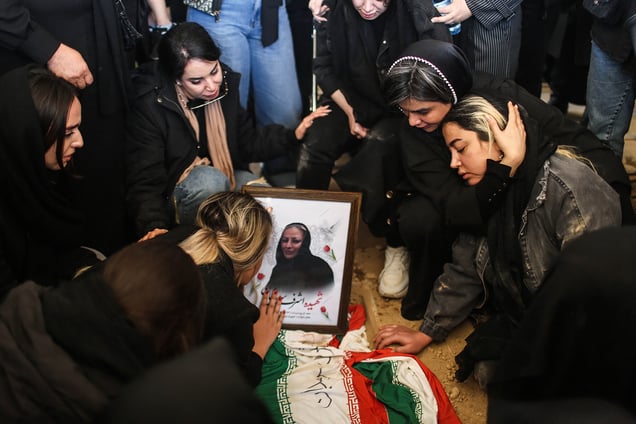
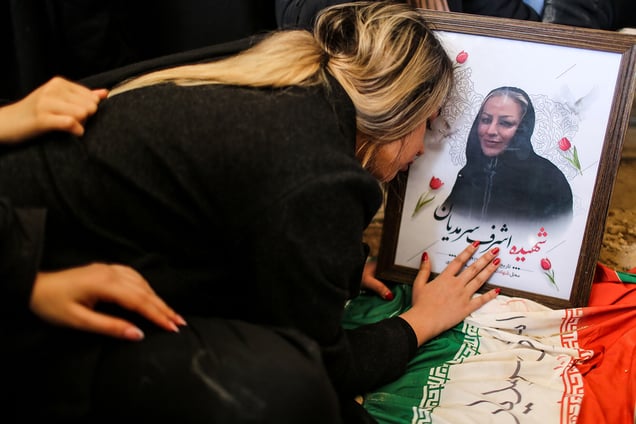
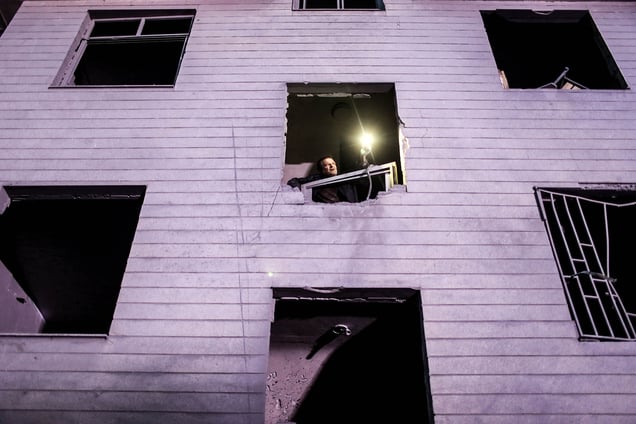
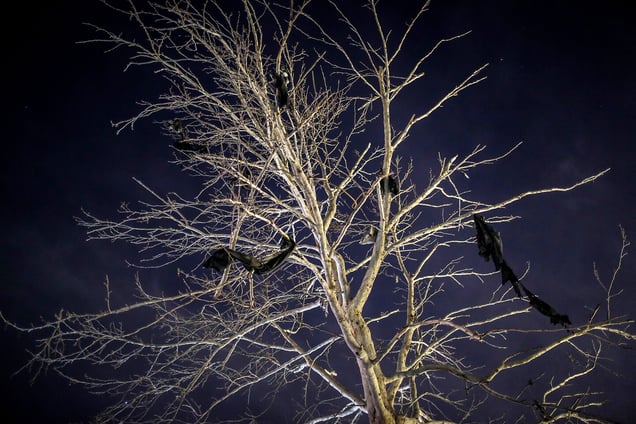
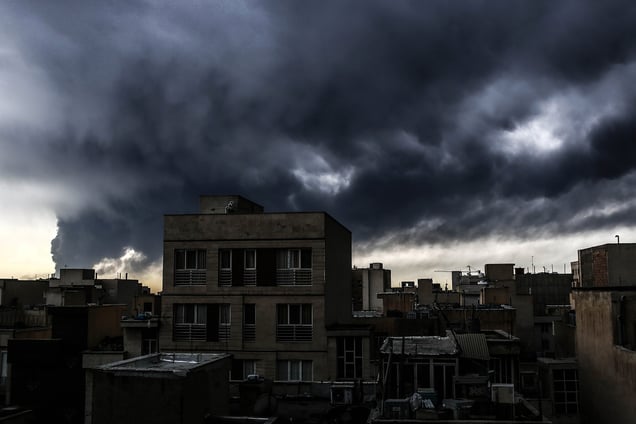
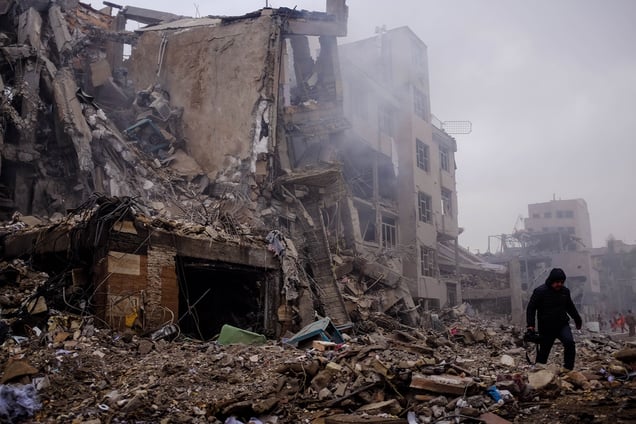
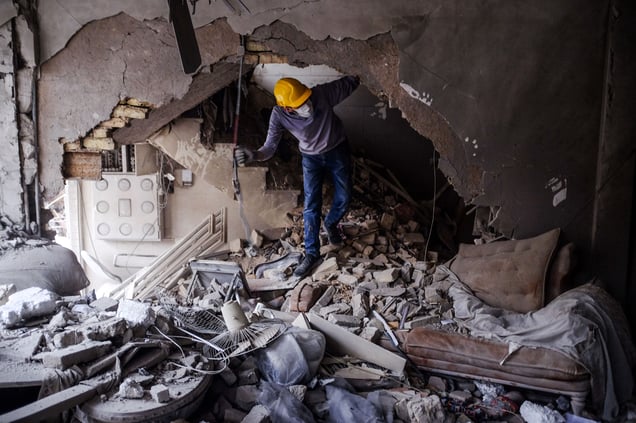
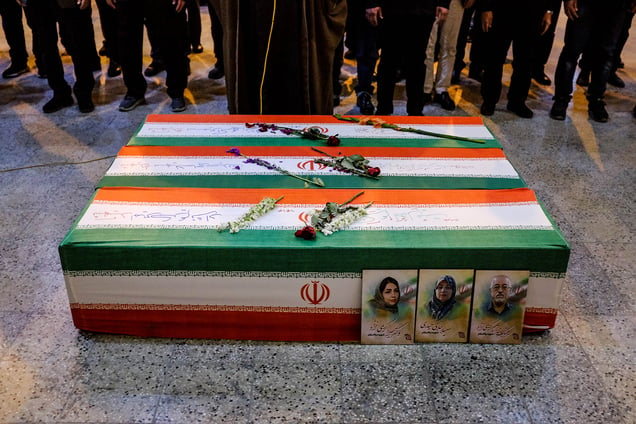
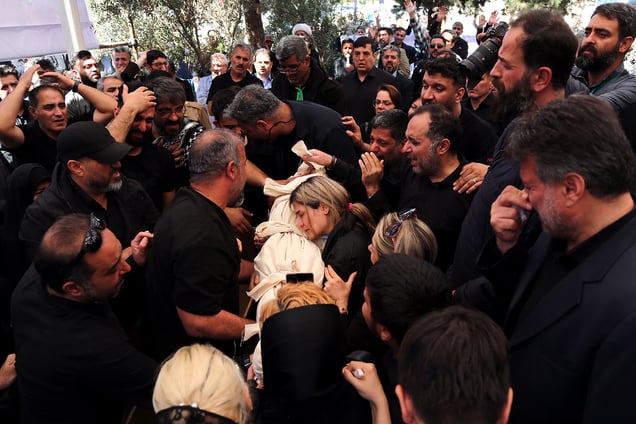
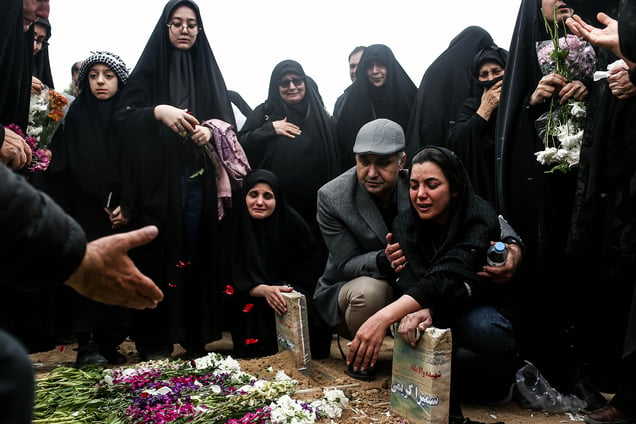
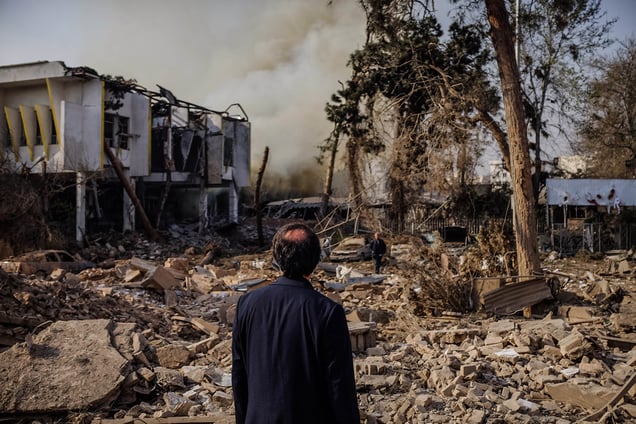
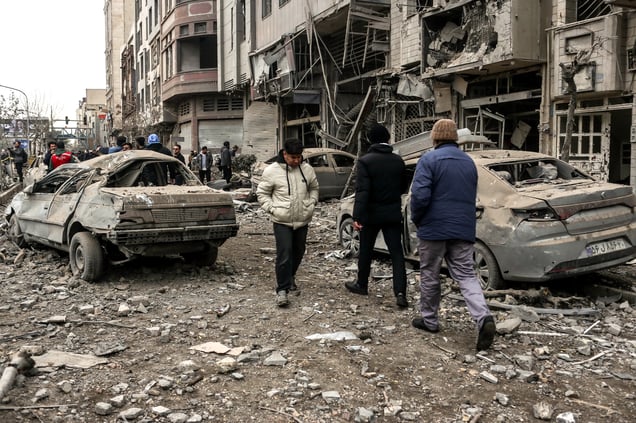
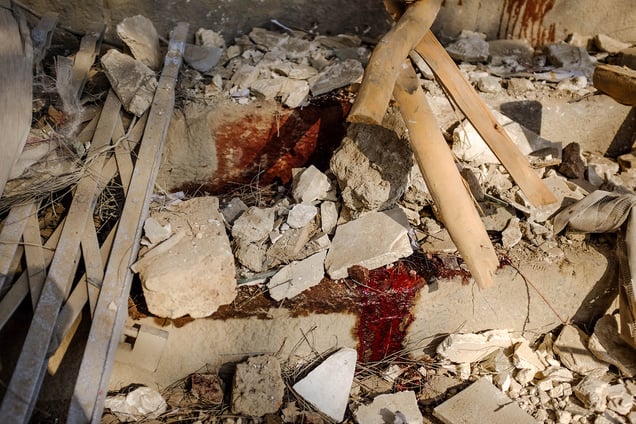
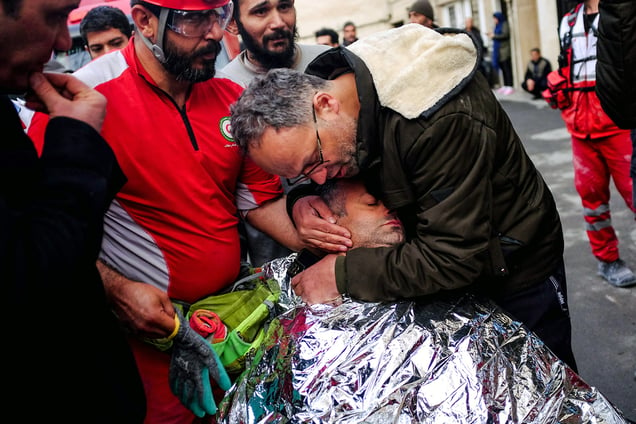
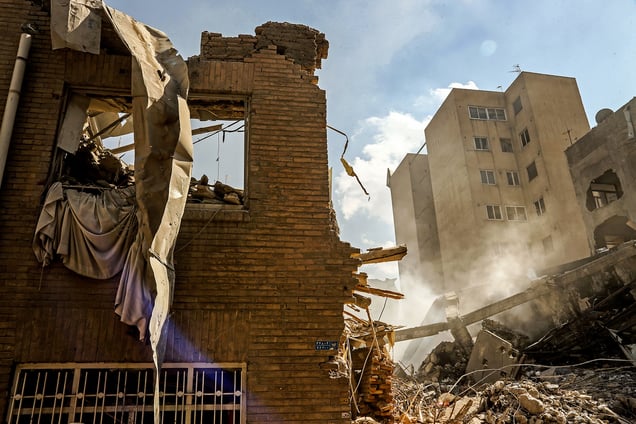
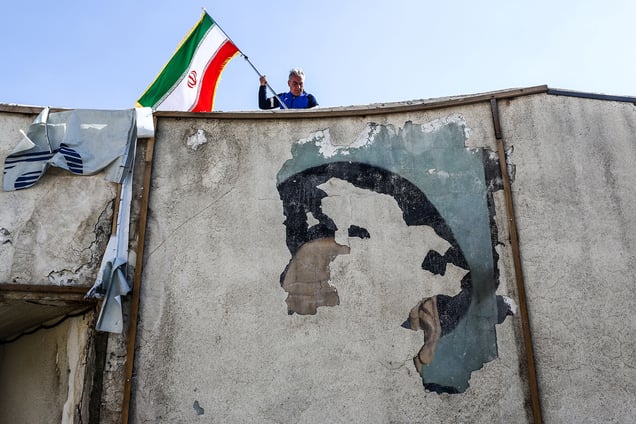
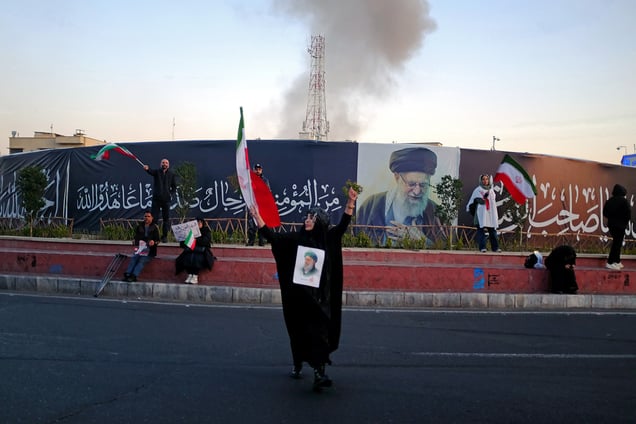
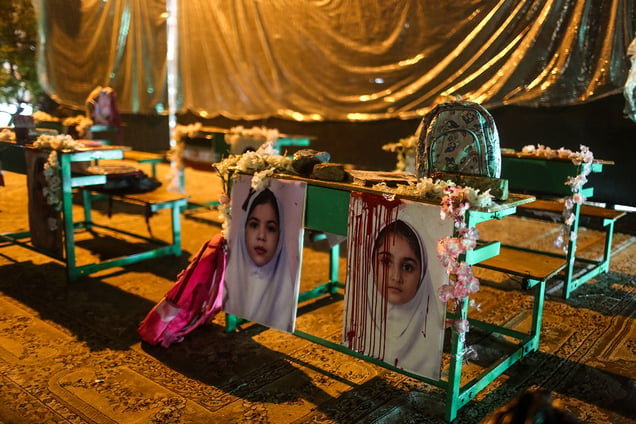
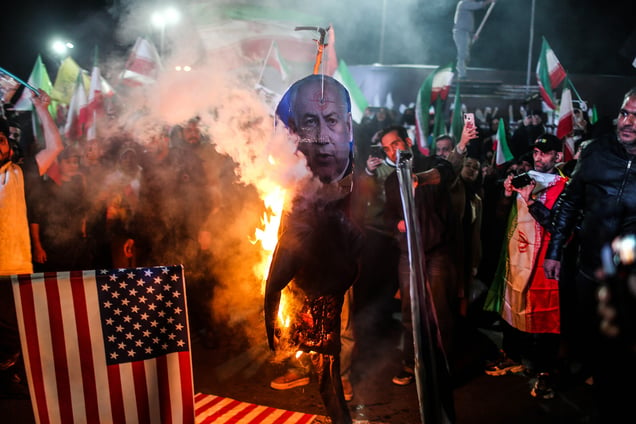
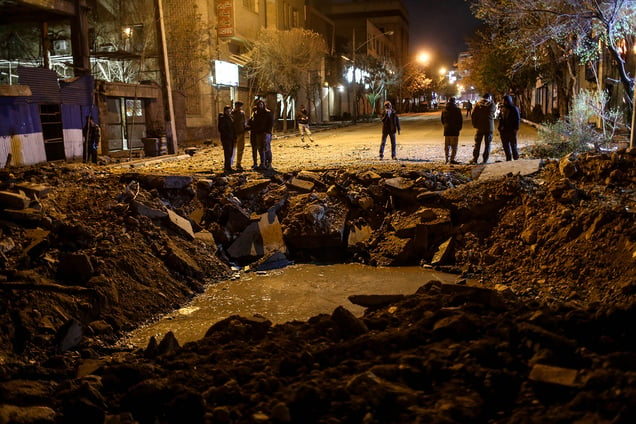
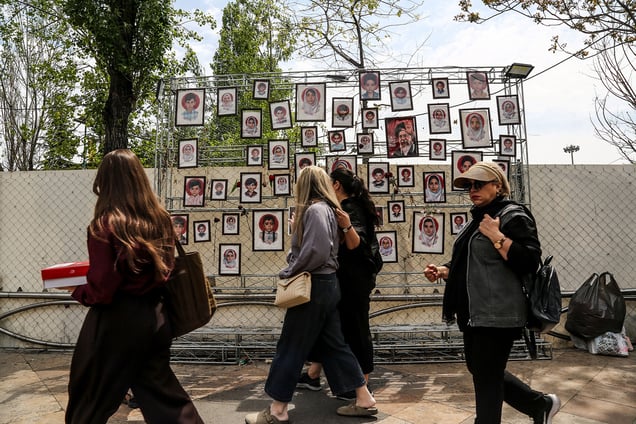
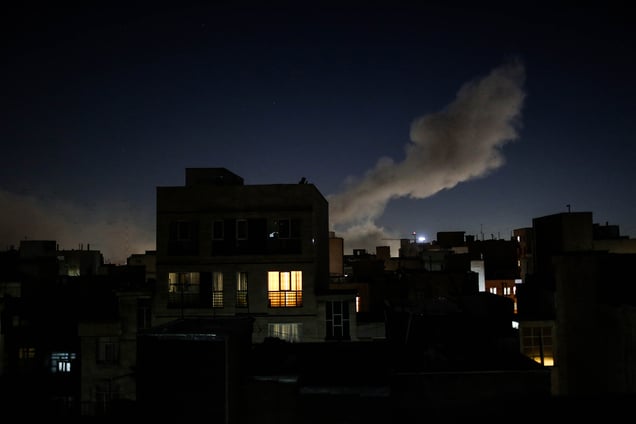
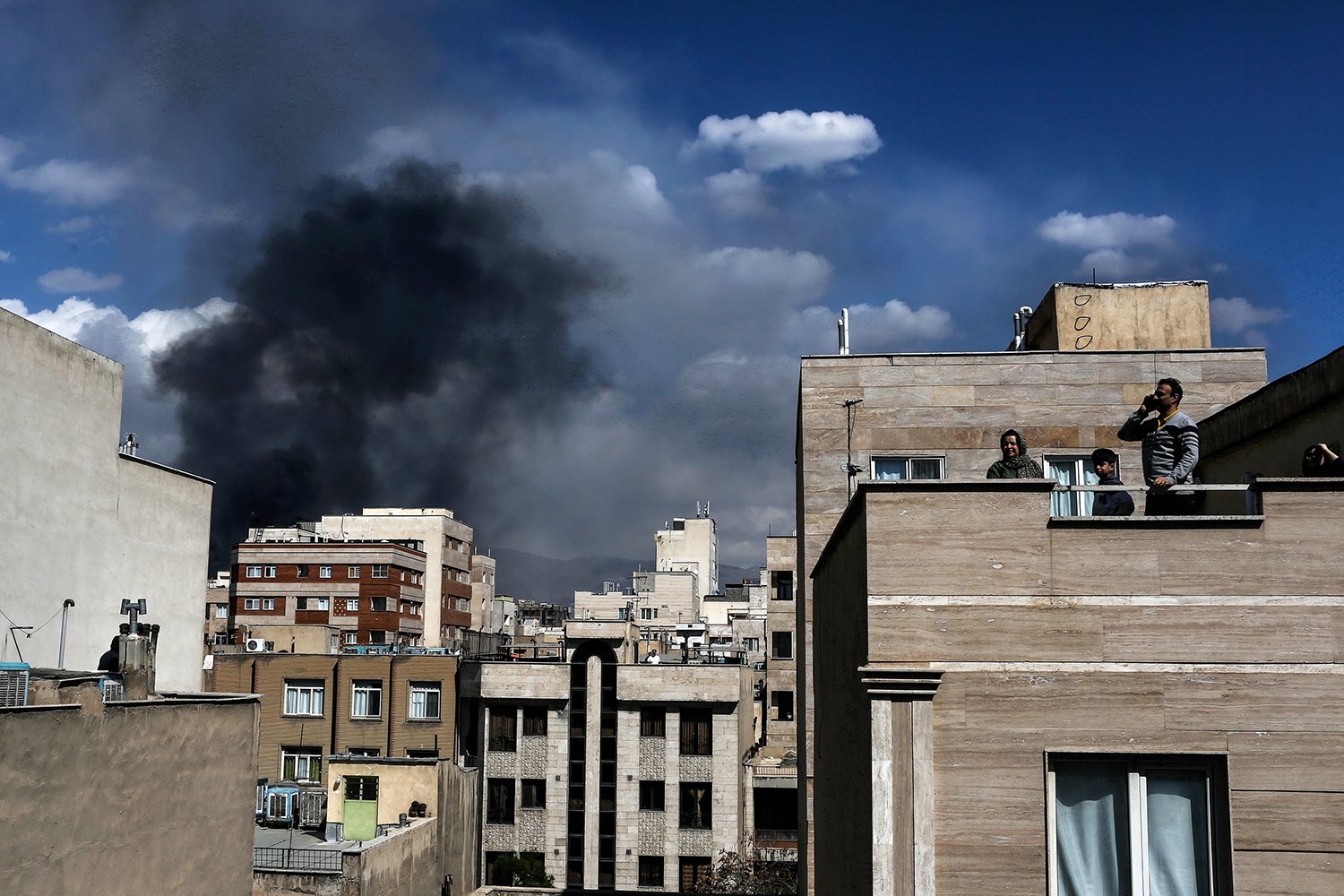
On February 28, 2026, the United States and Israel initiated their second wave of airstrikes against Iran, dubbed Operation Lions' Roar. This military campaign resulted in the assassination of Iranian leader Seyyed Ali Khamenei and several other high-ranking commanders, while systematically dismantling key military and governmental infrastructure. The strikes occurred during delicate negotiations between Iran and the United States concerning the country's controversial nuclear program. The primary objectives of this conflict were stark and ambitious: to obliterate Iran's nuclear capabilities, dismantle its military, missile, and naval strength, alter the political landscape, secure control over Iran's oil reserves, and further the Greater Israel initiative. In the course of this prolonged forty-day operation, significant collateral damage was incurred, with extensive destruction of energy and medical infrastructure, including hospitals and historical sites. Tragically, the Minab School was among the casualties, resulting in the loss of 168 students. In retaliation, Iran launched Operation True Promise, targeting Israel and U.S. military installations across Arab nations, including Bahrain, Jordan, Kuwait, Qatar, Saudi Arabia, the United Arab Emirates, and Iraqi Kurdistan. These attacks inflicted considerable damage on those bases. Iran’s strategic closure of the Strait of Hormuz further exacerbated the situation, causing a significant disruption to the global energy market. The economic fallout from this conflict has been profound, characterized as the largest disruption to global supply chains since the energy crisis of the 1970s. Oil and gas prices skyrocketed, while aviation and tourism industries faced widespread turmoil, compounded by volatility in financial markets. The cessation of oil and gas shipments following the closure of the Strait of Hormuz and reciprocal assaults on energy assets intensified the crisis. As of March 18, the financial toll on the U.S. military was estimated at around $18 billion. During this 40-day conflict, approximately 3,468 individuals in Iran lost their lives due to U.S. airstrikes—of which 45 percent were civilians. The impacts extended to 125,630 civilian units, predominantly residential, which suffered varying degrees of damage. In a bid to de-escalate the situation, Iran and the United States announced a two-week ceasefire proposal on April 7. Discussions held in Islamabad did not yield a resolution. Subsequently, on April 21, U.S. President Donald Trump extended the ceasefire pending Iran's proposal and the conclusion of talks. By June 17, representatives from both nations finalized an agreement to end hostilities; however, tensions persist, with a formal peace accord yet to be established. *The song of the Missiles * serves as a poignant narrative of the Iranian populace, many of whom have been left bereaved and homeless in the wake of relentless airstrikes, their lives irrevocably altered by the specter of war.
No categories selected
Photos (37)