LONGING FOR AN ISLAND FAR AWAY FROM THE WORLD
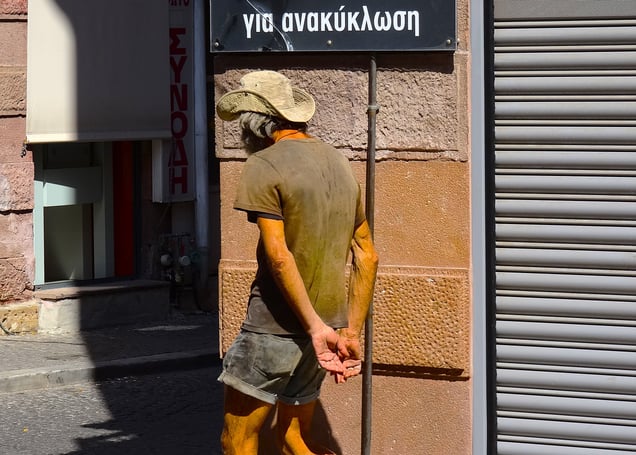
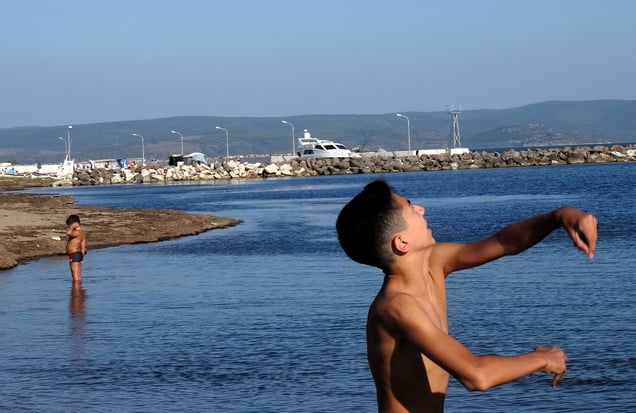
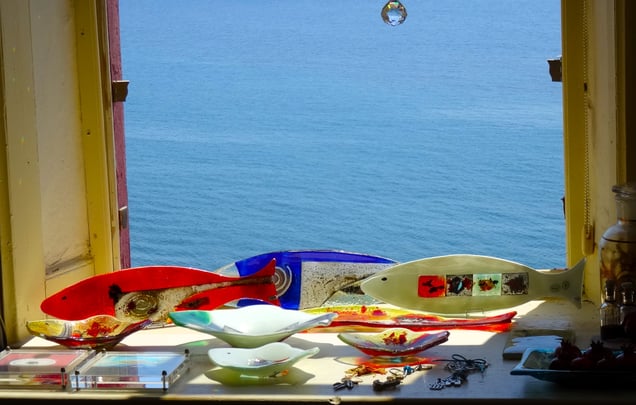
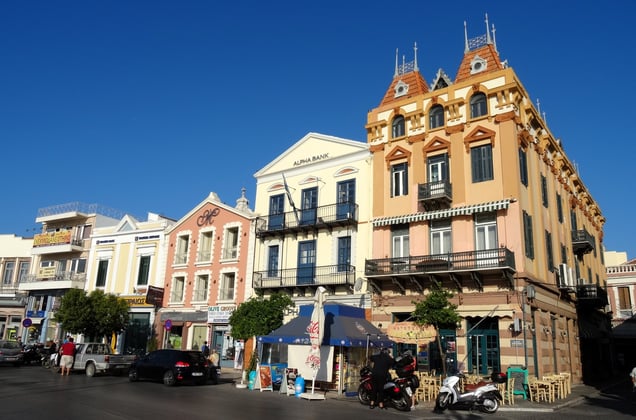
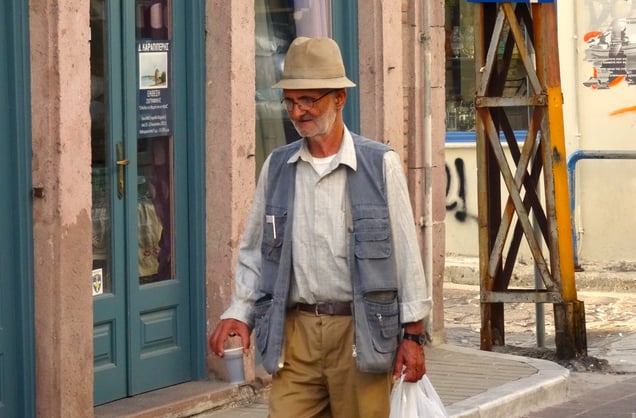
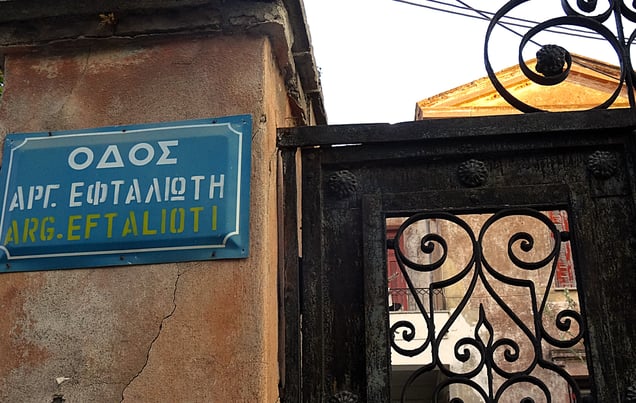
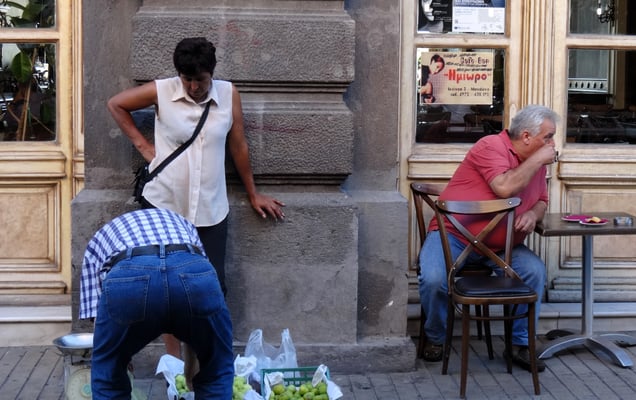
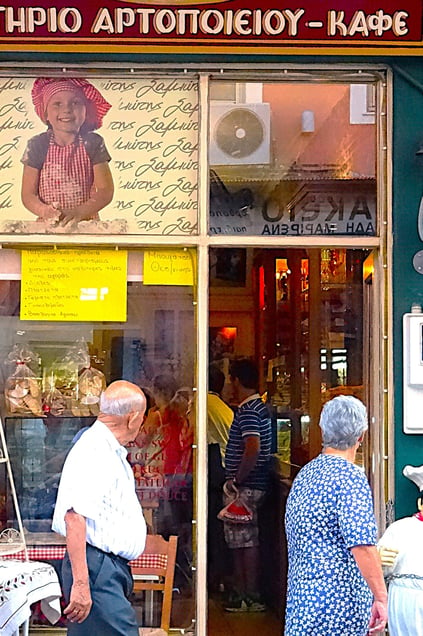
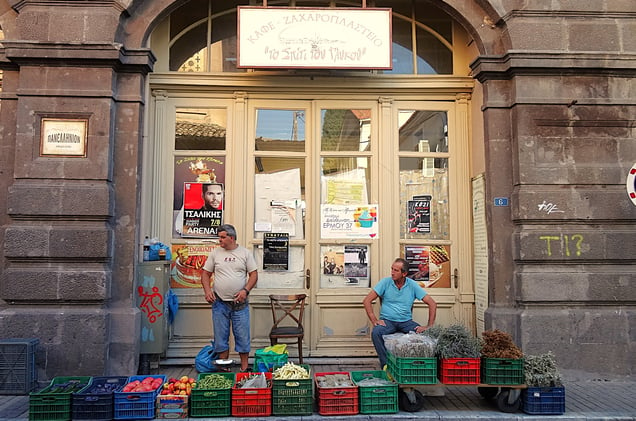
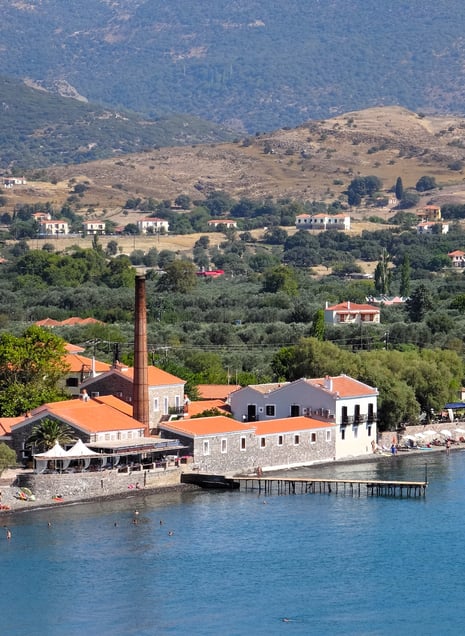
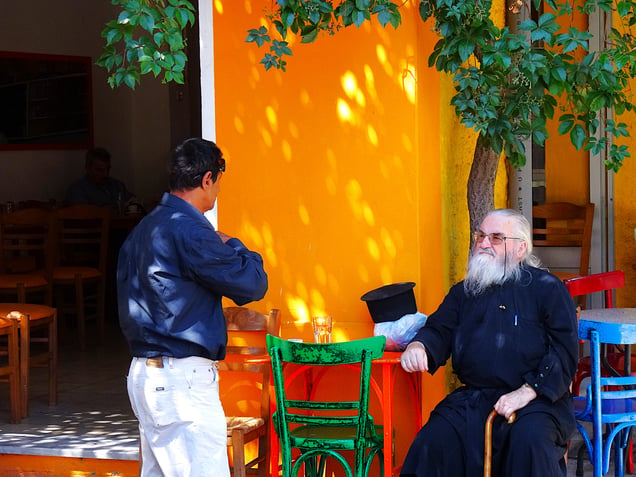
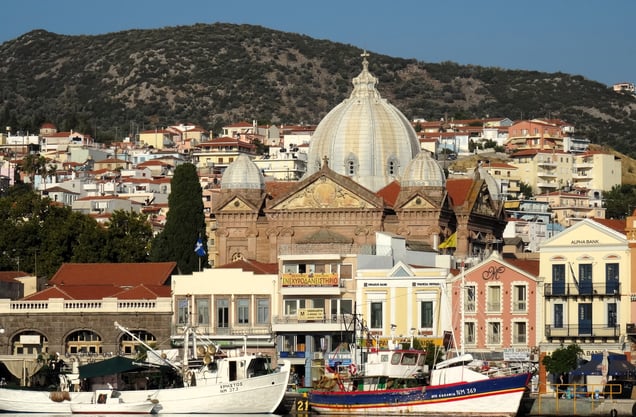
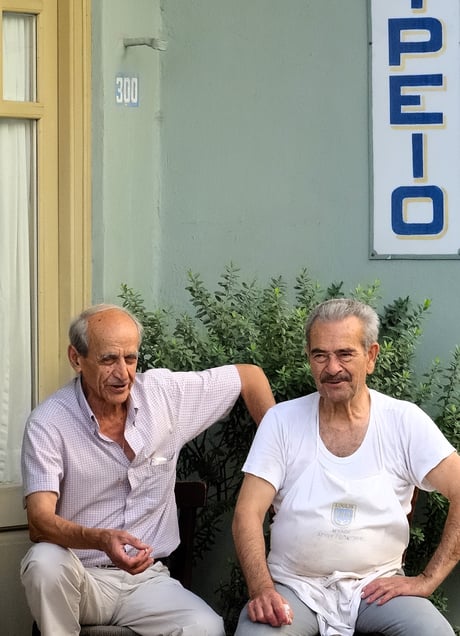
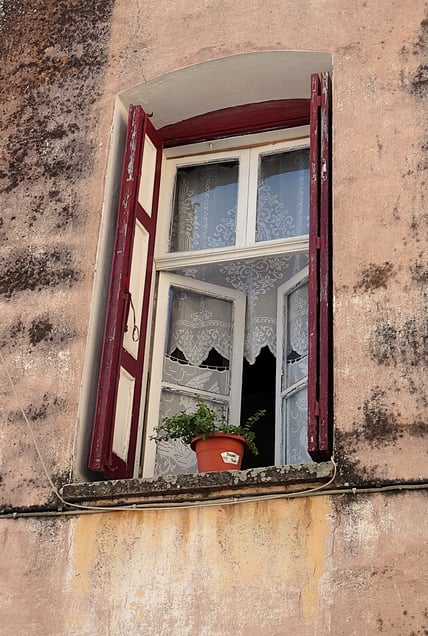
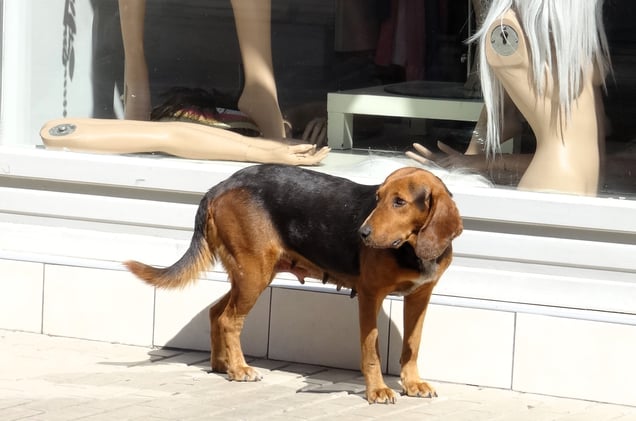
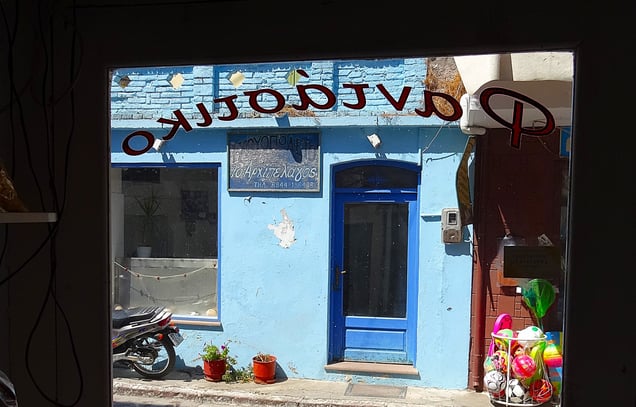
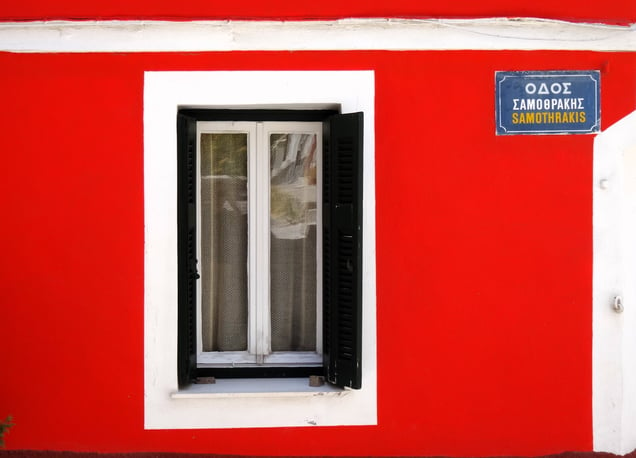
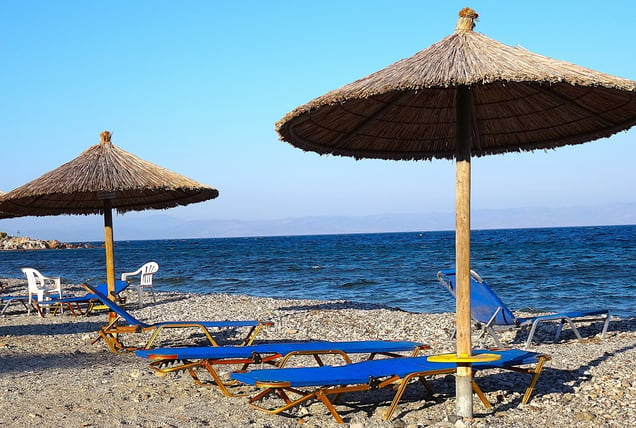
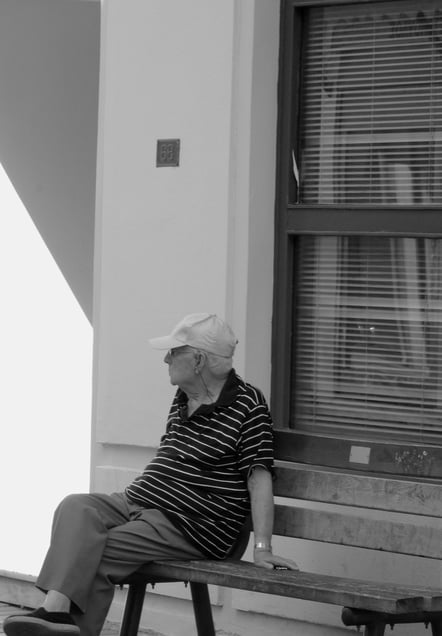
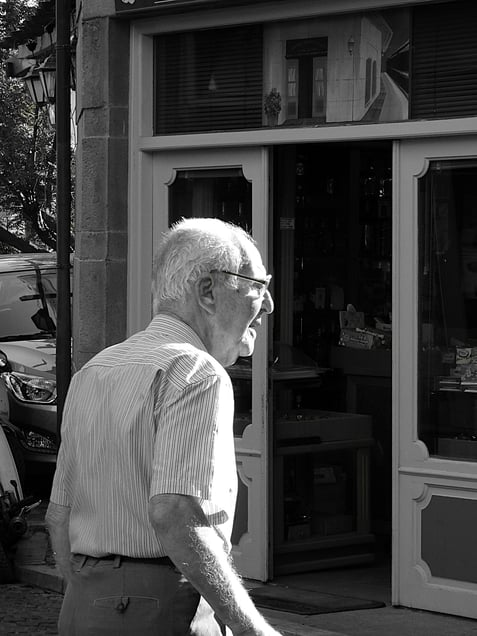
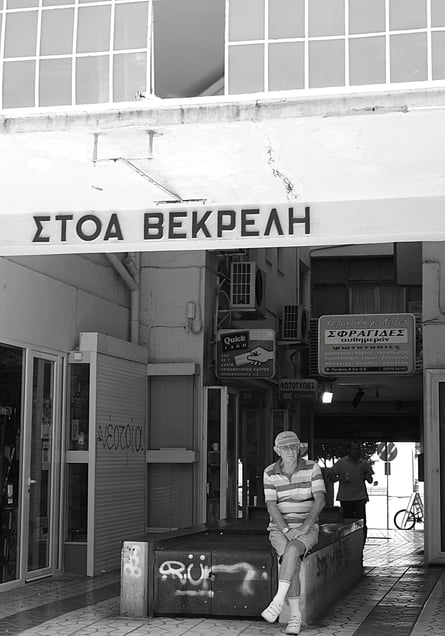
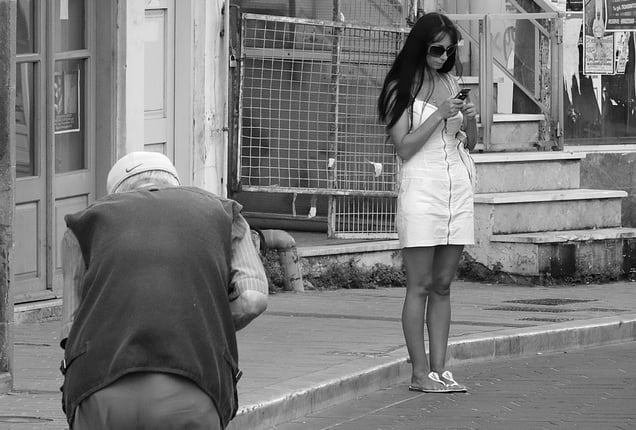
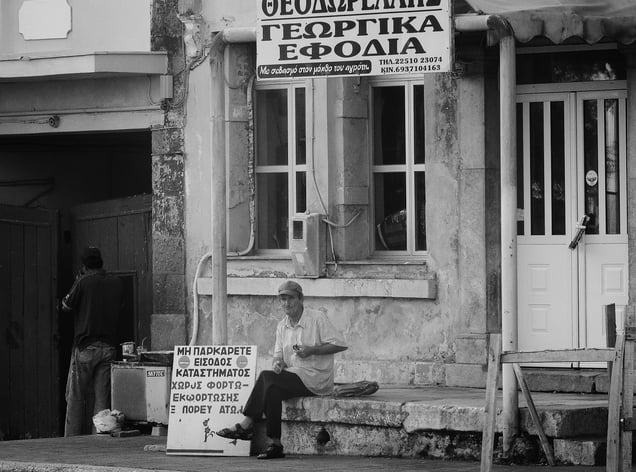
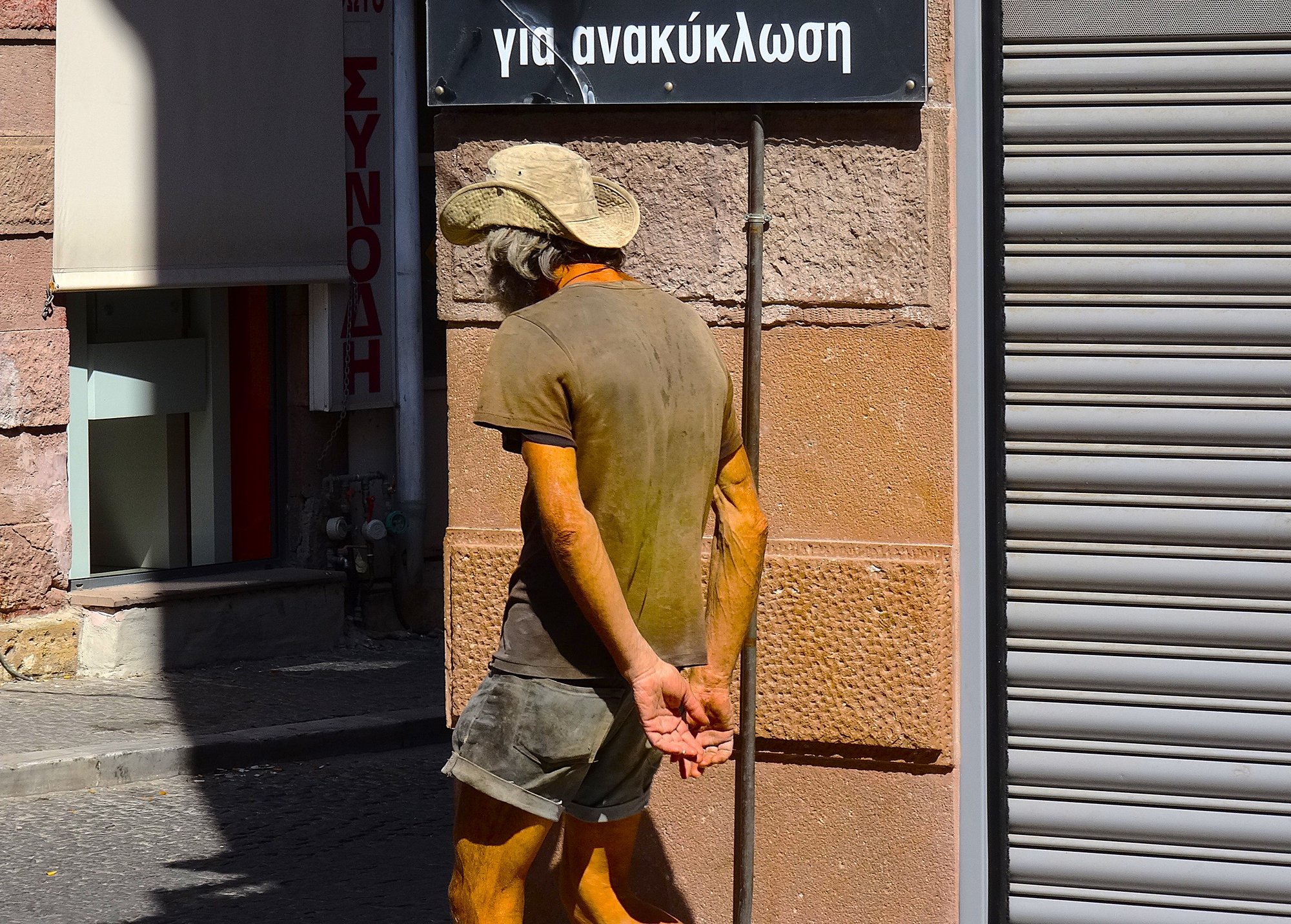
For a photographer, some geographies offer more than just landscapes; they provide distinct light, shadows, and a philosophy of life. Lesvos (Mytilene) gave me that exact feeling from the very first step: a minimalist paradise completely isolated from the rest of the world, unhurried, and hidden in the details. Looking at this vast yet serene Aegean island through my viewfinder felt like capturing the flow of time itself.The Silent Geometry of the Center: Streets, Church, and HamamOur journey began in the heart of the island, settling into Orfeos Hotel, which stands like a window opening onto history. Leaving the luggage behind, I slung my camera around my neck and threw myself into the streets. Due to the religious holidays, a mesmerizing silence gripped the island; the streets were so deserted that the shadow of every stone building and neoclassical structure with bay windows fell as a sharp, clean line onto the pavement. For a photographer, there couldn’t be a more perfect light or a cleaner canvas.Passing by the majestic walls of Taxiarchis Church, which filled my frame with its imposing architecture, we followed the cobblestone paths. At the end of the road, we were welcomed by the Charsi Hamam, an elegant trace of the Ottoman era on the island. The moment I stepped inside, I was captivated by the artworks exhibited under the dim light of the historic dome. The interior of the bathhouse had been beautifully transformed into an art exhibition, resembling a shadow play; I captured that mystical texture in my viewfinder and left quietly. Towards evening, while walking along the harbor avenues of the center, a military marching band suddenly enlivened the streets with its tunes, adding a rhythmic human joy to my serene frames.Silver Leaves and Villages: From Mountains to HarborsTo truly understand Lesvos, one must leave the coastline behind and venture into the mountains, into the villages hidden deep within olive groves. I turned my camera lens toward the purest shades of green and earthy tones:Agiassos: Nestled on the slopes of Mount Olympos among chestnut trees, this village is a riot of color. Every wrinkle on the faces of the old men sitting in front of the wooden-chaired coffee houses feels like the living history of the island. Here, while sipping local herbal tea at the traditional Kafeneio Steki, I capture the Mediterranean minimalism embedded in the village's fabric.Molyvos (Mithymna): Moving to the north of the island, I am confronted with a dream architecture straight out of the Middle Ages. Steep slopes, neoclassical stone houses, and a castle standing in all its majesty at the top. The golden light hitting the stone walls of the castle as the sun sets in the late afternoon is the most valuable reward a photographer can achieve on this island.Plomari: In the south of the island lies the capital of ouzo culture and the scent of the sea. Octopuses hung out to dry in the alleyways and the light filtering through the geraniums hanging from the windows of neoclassical buildings perfectly summarize the "less is more" philosophy of island life.Volcanic Shores and Imposing Rocks: Petra and Skala EressosAs I move toward the west and northwest of the island, the colors and textures in my frame change completely, and the island takes on an even more fascinating face while maintaining its minimalist soul.Petra: Arriving at this coastal town near Molyvos, my eyes are immediately drawn to the massive rock rising right in the middle of the town. Climbing the 114 steps carved into the summit of this volcanic rock, I reach the Church of Panagia Glykofilousa. Looking down at Petra's endless sea and tiled-roof houses, the sound of the wind becomes the background music of my photograph. With my wide-angle lens, I combine this vertical majesty and horizontal serenity in the same frame.Skala Eressos: Located on the western tip of the island, Eressos has a completely different energy. This volcanic beach with dark sand is also the birthplace of Sappho, the famous ancient poet. This is the meeting point for free spirits, bohemian cafes, and the island's most minimalist lifestyle. In the evening, sitting at one of the cafes built on wooden platforms over the water, I photograph the sun disappearing into the depths of the Aegean Sea and the pastel tones the sky adopts. This is, quite literally, where the world ends and peace begins.From Frame to Plate: The Culinary Aesthetics of LesvosIn Lesvos, dining is not just about being full; it is a ritual to enjoy the light, the conversation, and the earth. The visual aesthetics of the tables are just as photogenic as the flavors of the dishes.Down at the Molyvos Harbor, in the deep blue hour of twilight, we take a seat at The Octopus Restaurant, famous for its tables lined right by the water's edge. On our table sits the island's renowned ouzo brand, Ouzo Plomariou, accompanied by fresh sardines cured in salt from the Kalloni Gulf, and the local Ladotyri cheese crowned with golden extra virgin olive oil.On another evening, we wrap up our journey at Antonis Ouzeri, a taverna preserved in the nostalgic atmosphere of the harbor. The steam rising from the freshly grilled calamari, the laughter of friends around the table, and the faint rembetiko melodies playing in the background... This is exactly the moment where I set my camera aside to just savor the present, feeling the minimalist and timeless soul of Lesvos that defies the world at its deepest.
No categories selected
Photos (26)