
OLD TRACES FROM NEW MALATYA
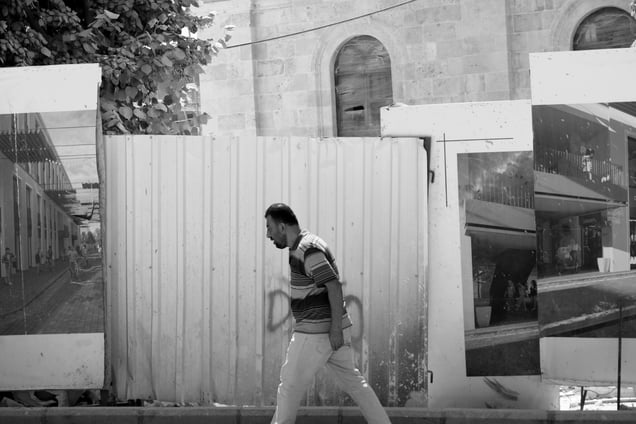
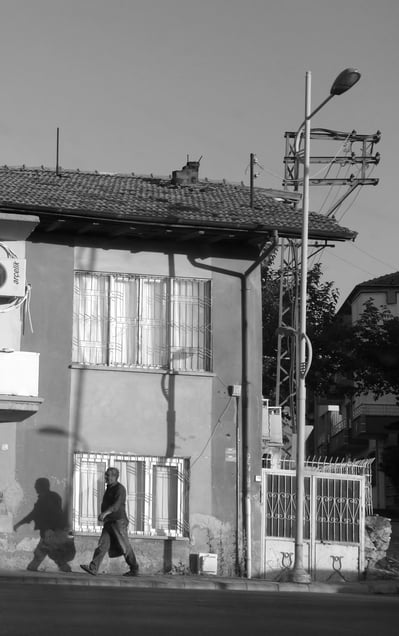
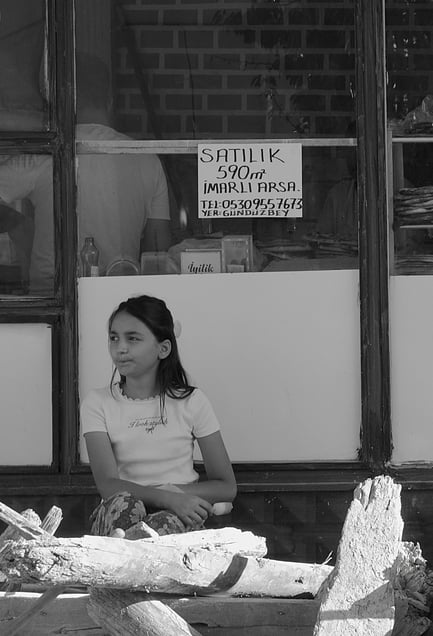
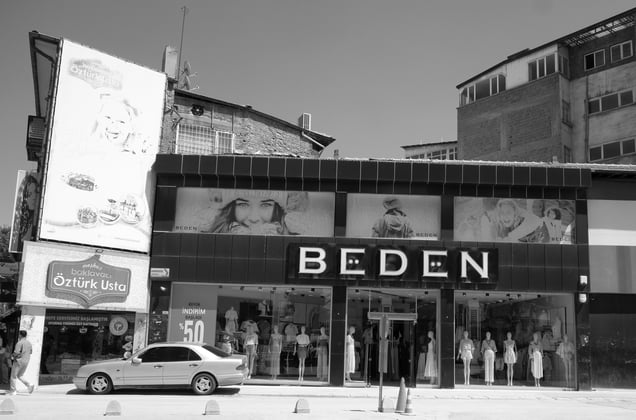
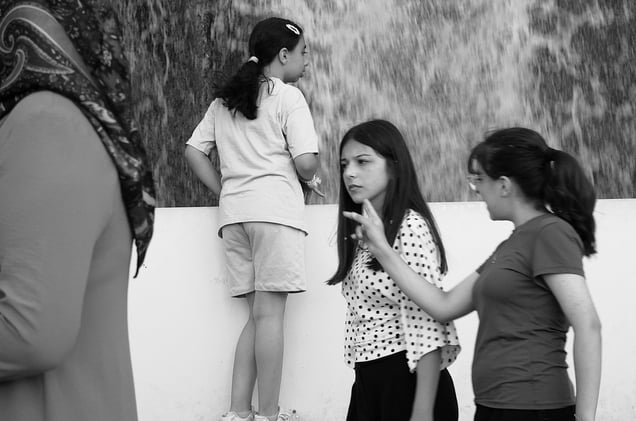
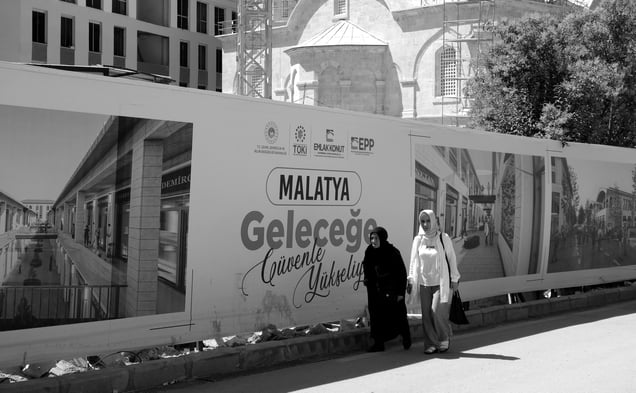
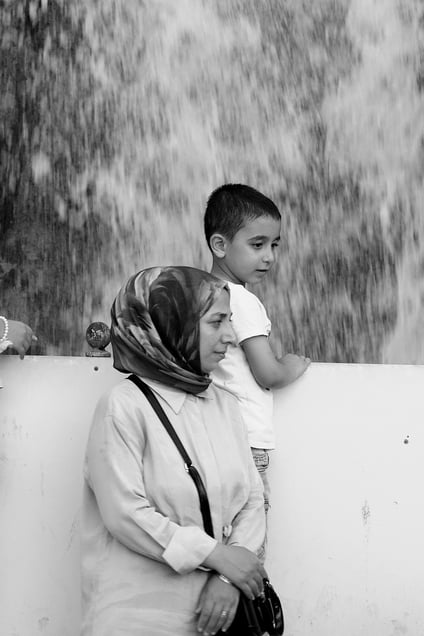
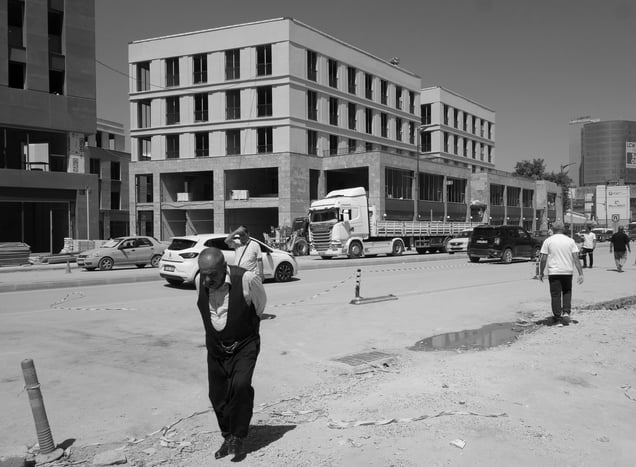
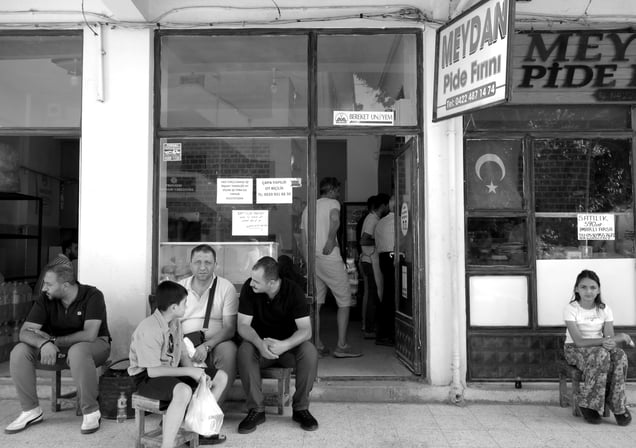
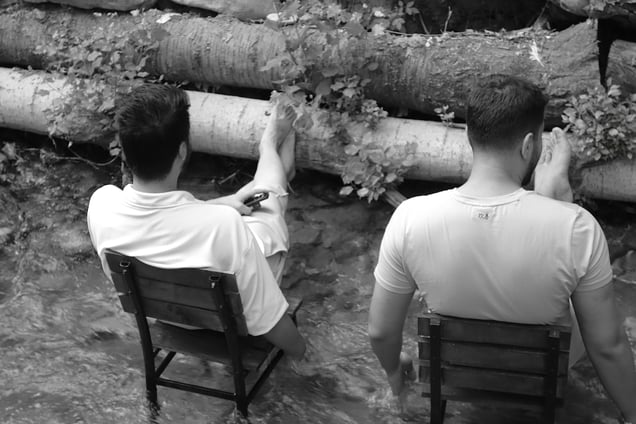
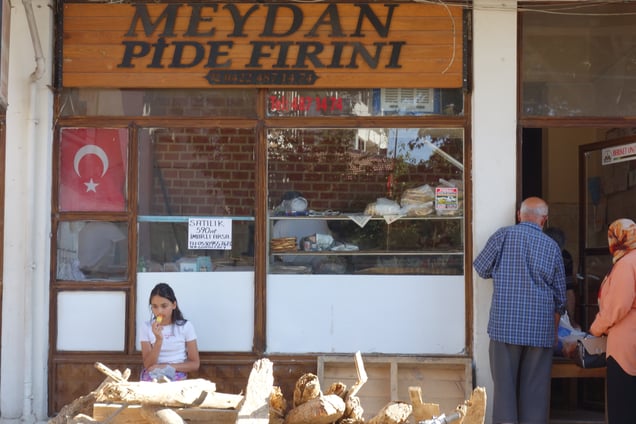
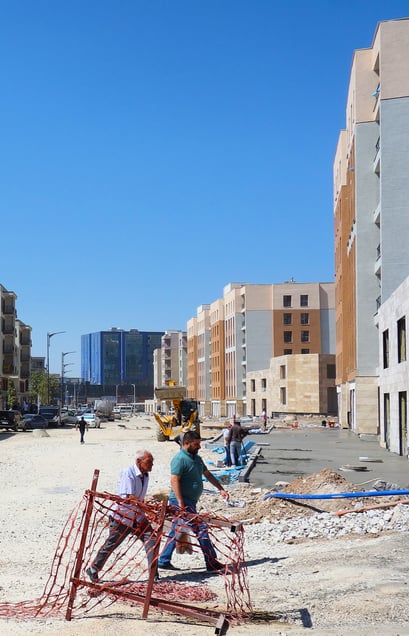
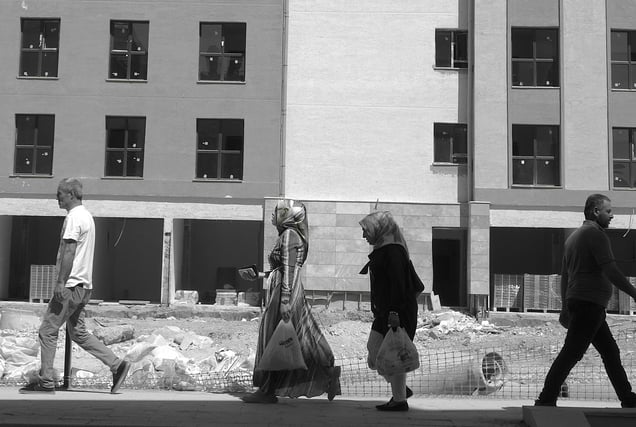
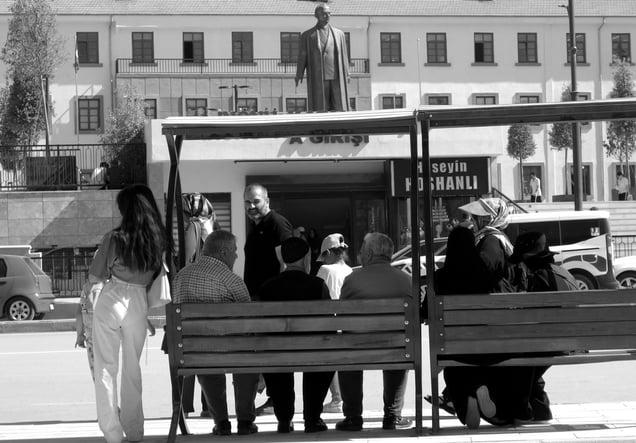
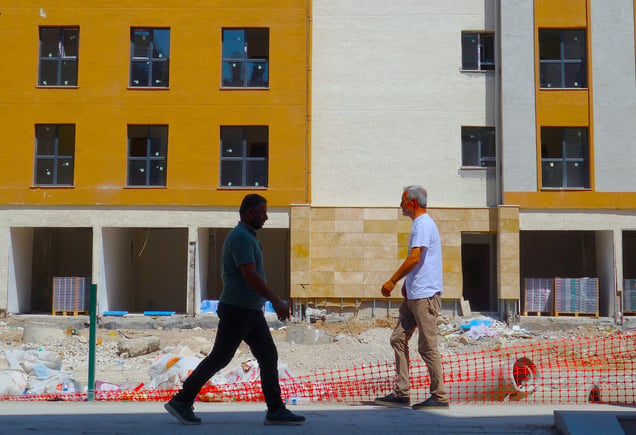
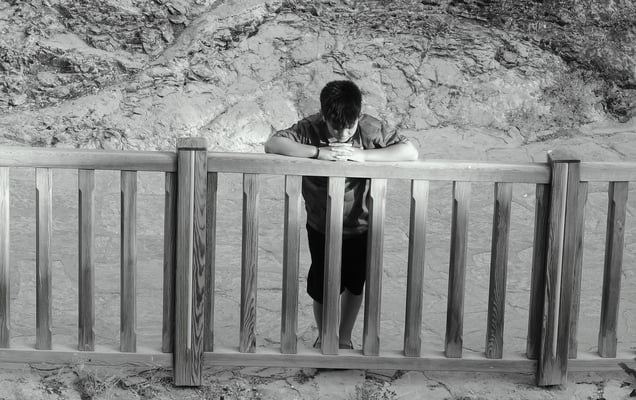
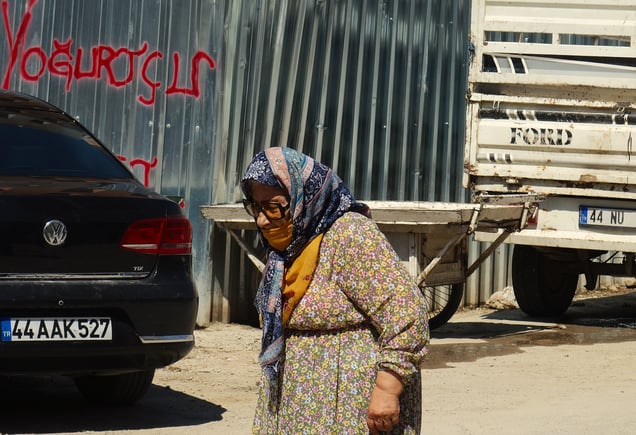
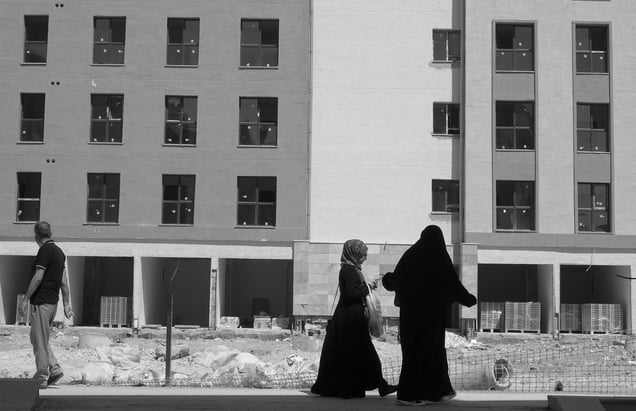
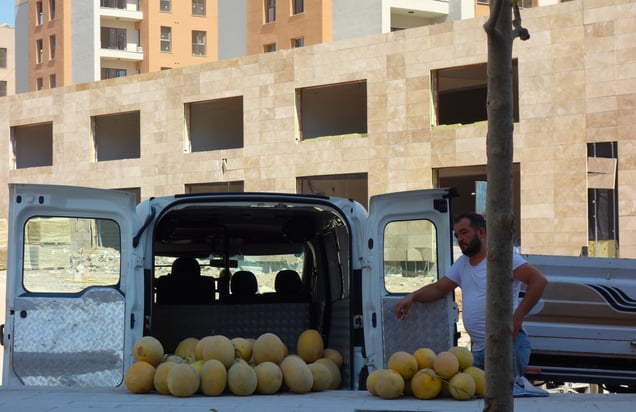
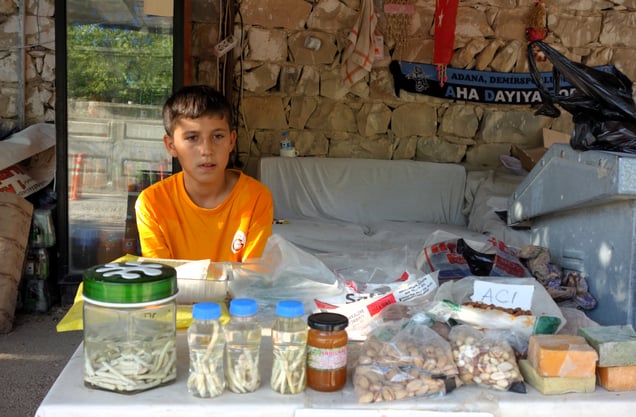
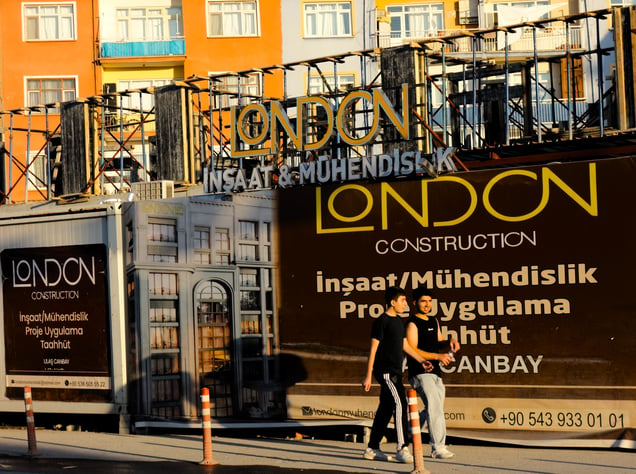
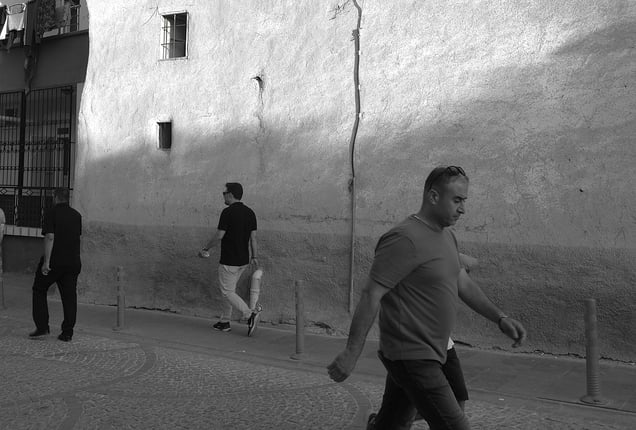
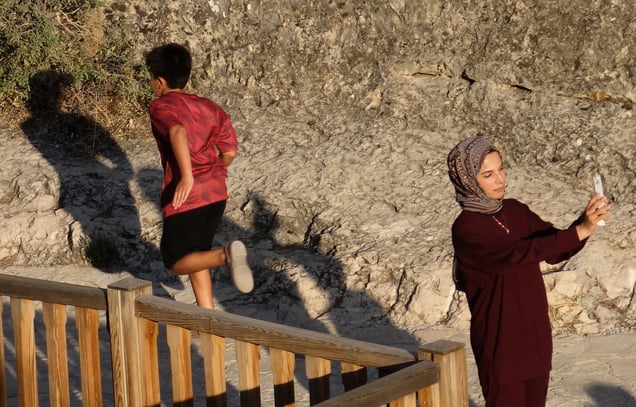
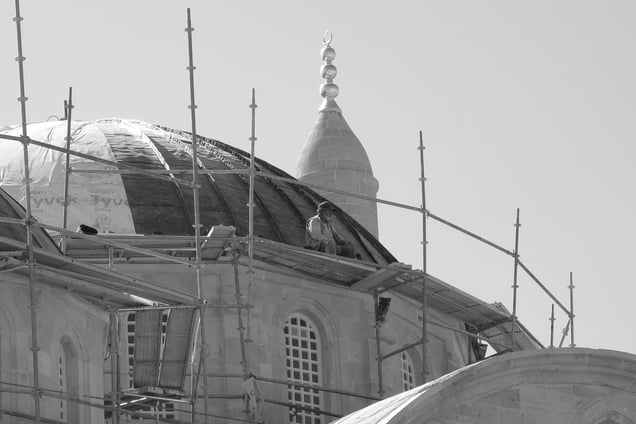
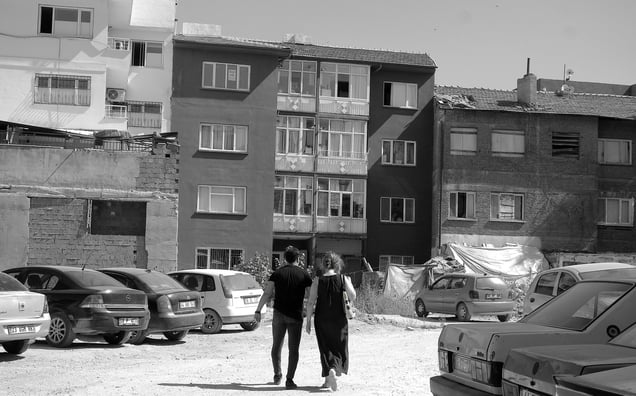
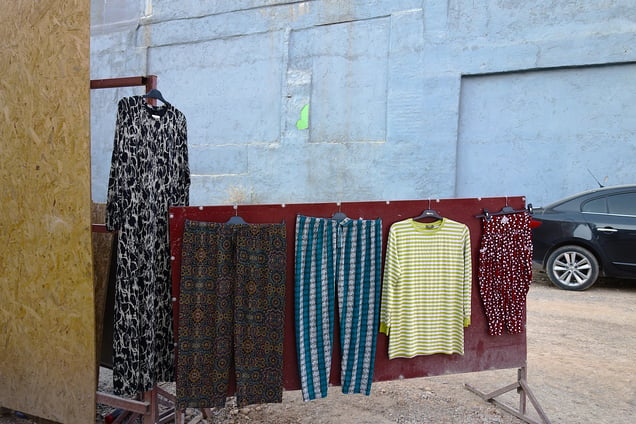
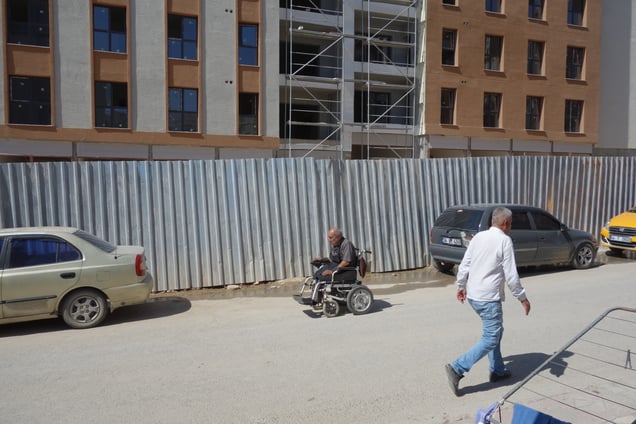
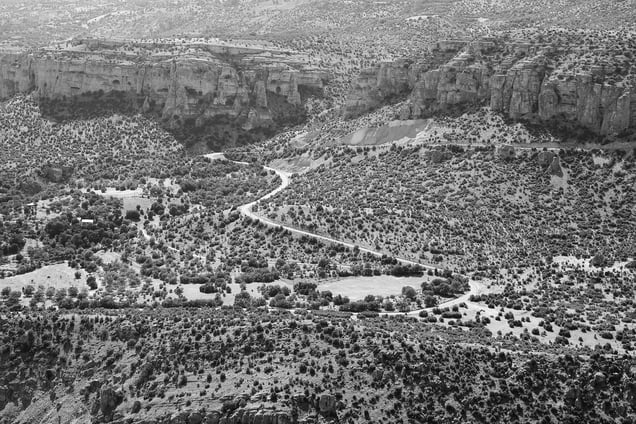
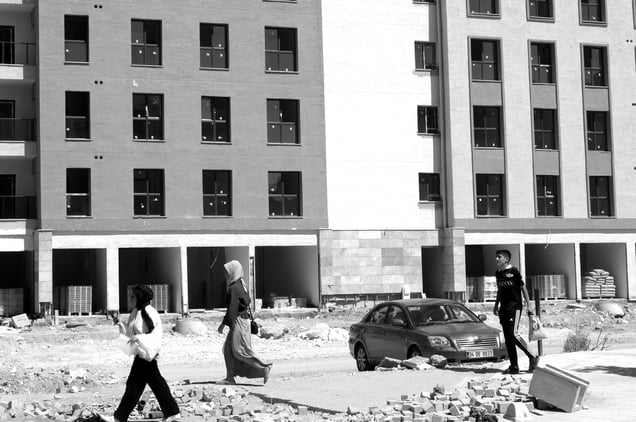
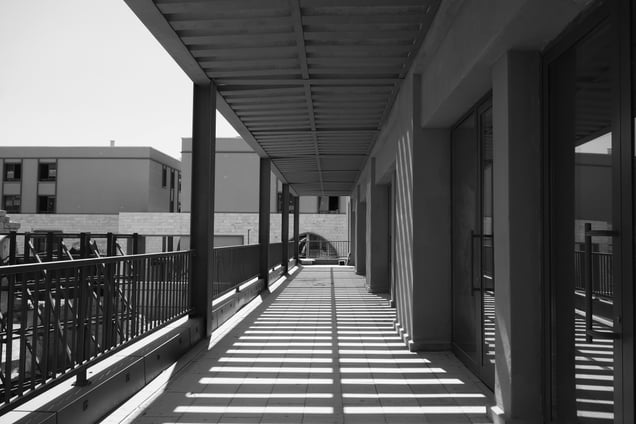
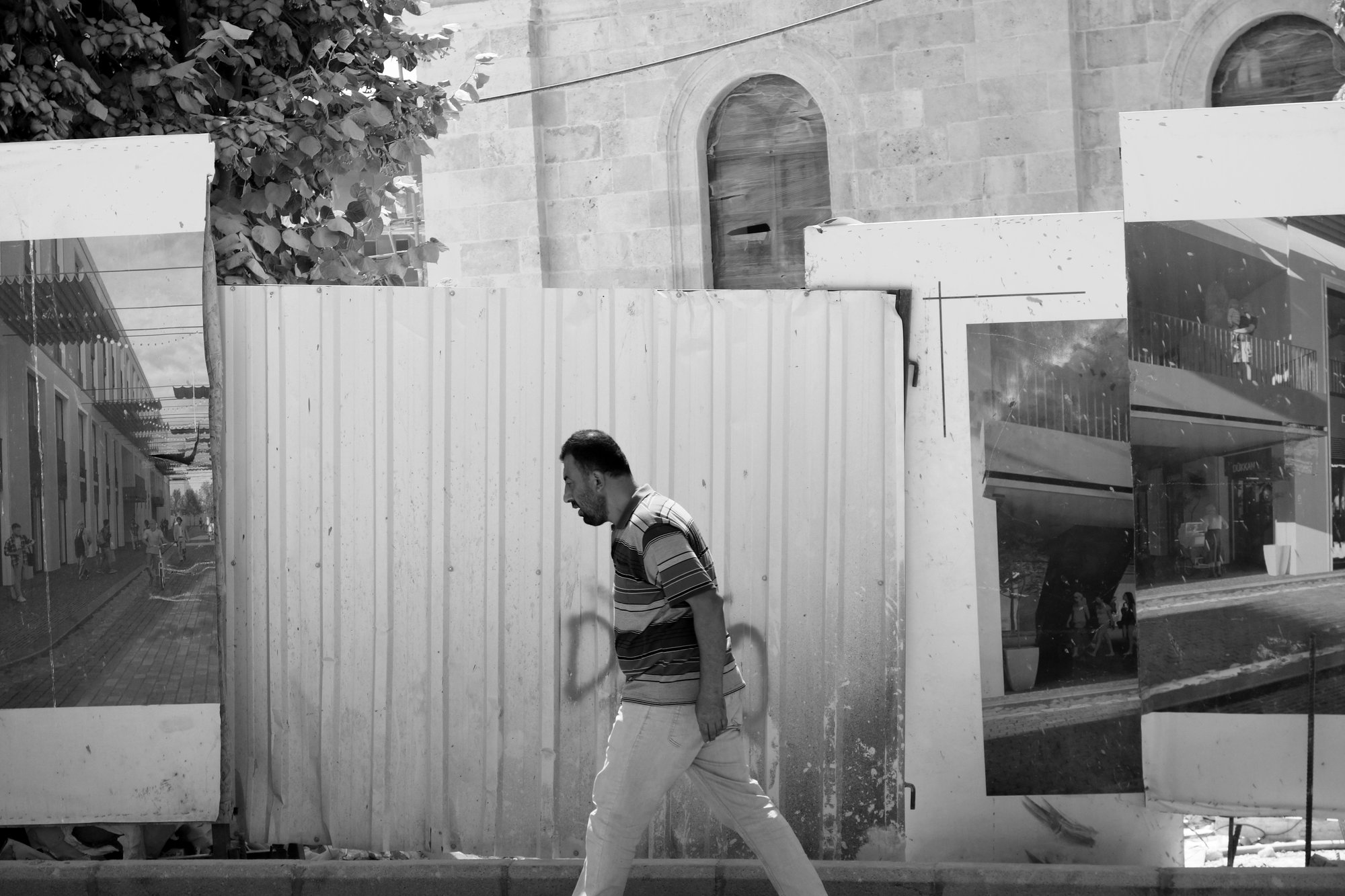
The Loss of Space, The Construction of Memory, and The Witness of TimeWhat builds a city is not merely stone and concrete; it is the lived experiences, the voices, the encounters, and the thousands of years of civilization layered within those stones. With a history stretching from the Hittites to Rome, and from the Seljuks to the Ottomans, Malatya stands as one of the oldest witnesses to human civilization. This ancient past turns the act of observing today’s radical architectural transformations into a historical responsibility—a duty to comprehend them and carry them into the future.However, following the 2023 earthquake, as the city was abruptly transformed into a massive construction site, the ruthless erasure of a collective memory woven over centuries became an unacceptable reality. Old neighborhoods, streets where childhoods unfolded, and the organic fabric where communities once thrived have been entirely wiped off the map, condemning the city to amnesia. The most tangible evidence of this traumatic loss is hidden within the human faces on Malatya’s streets and the profound "colorlessness of colors" that has settled over the city. Streets that have lost their vitality are yielding to the monotony of sterile walls, mechanical blueprints, and cold structures.At this exact intersection, a tragic contradiction emerges between the brevity of human life and the time-defying body of cities. As John Berger reminds us, photography is an act of rescuing a moment, preserving the invisible meaning within what is visible. The greatest responsibility of our lives—lives that are as brief, fragile, and transient as the photographs themselves—is to keep alive the texture, spirit, and memory of cities that are meant to outlive us. When cities die, human stories die with them. Therefore, safeguarding a city’s memory is not merely a tribute to the past, but an urgent and unavoidable duty to our own humanity. Photography, as the sole miracle capable of resisting the flow of time, immortalizes those obliterated neighborhoods and human faces, sealing our mortal existence onto the permanent memory of the city.This seal finds its own language in the black-and-white nature of the exhibition's photographs. The absence of color shrouds the immense temporal and spatial rupture that Malatya endured in an aesthetic silence. Black and white strips away the glittering illusions of the city’s present, leaving behind only the naked truth of light, shadow, and lost textures. When the noise of color falls silent, the peeling plaster of a demolished wall, the crease on a human brow, or the sharp geometry of a new building is transformed into memory itself. These black-and-white frames are the most honest way to transform the city’s current "colorlessness" into both a lamentation and a timeless document.Photographer and anthropologist Josef Kali traces this radical rupture and cultural amnesia through his lens. "Old Traces from New Malatya" documents the invisible whispers of the city’s former soul, the mourning of lost neighborhoods, and the faded expressions on human faces in the shadow of polished modern blocks. This exhibition is not merely about a physical destruction or a reconstruction; it narrates an aesthetic and philosophical resistance against the erasure of an ancient city’s memory. For we know that while technique can be learned, art only begins when it transcends the boundaries of the image to touch that lost memory, the responsibility of time, and the wounded soul of the city.
No categories selected
Photos (30)