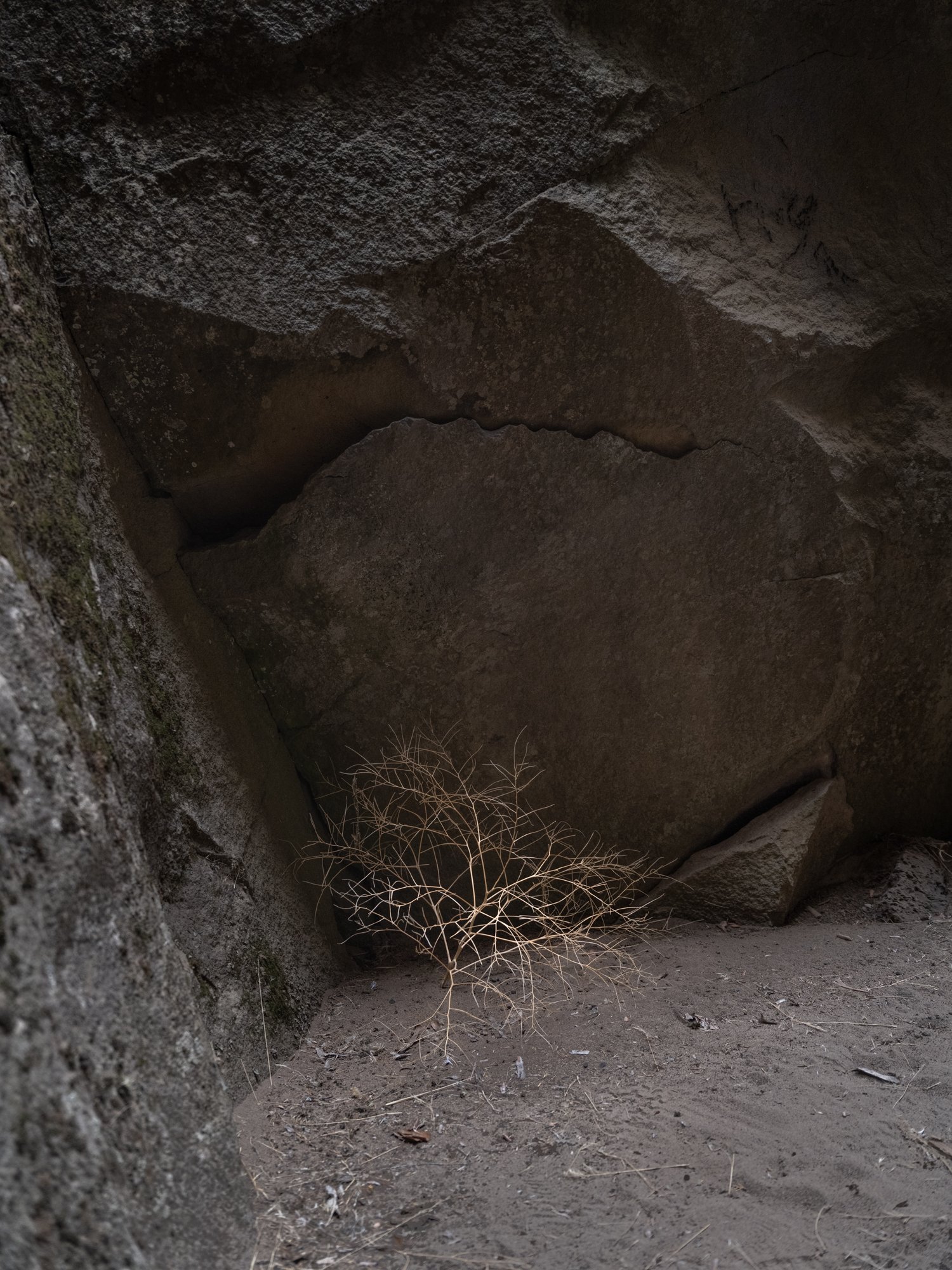

Land of Many Uses
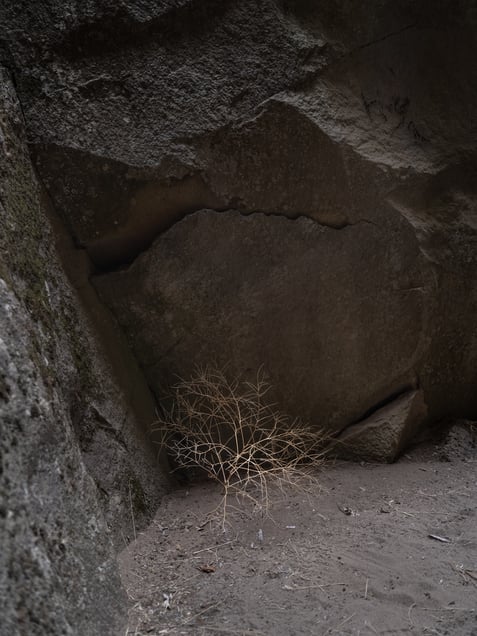
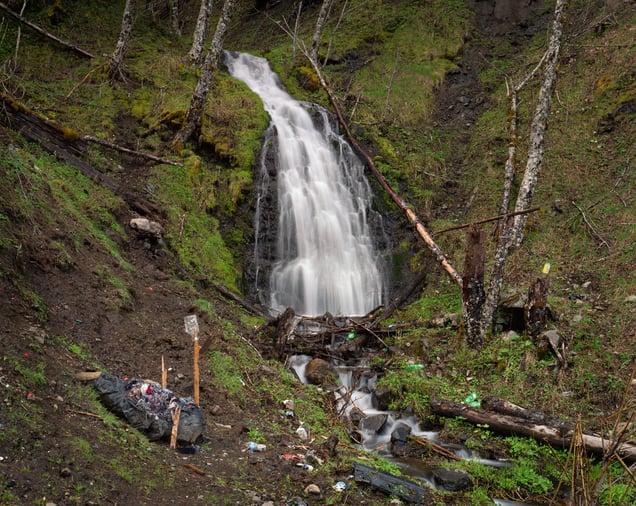
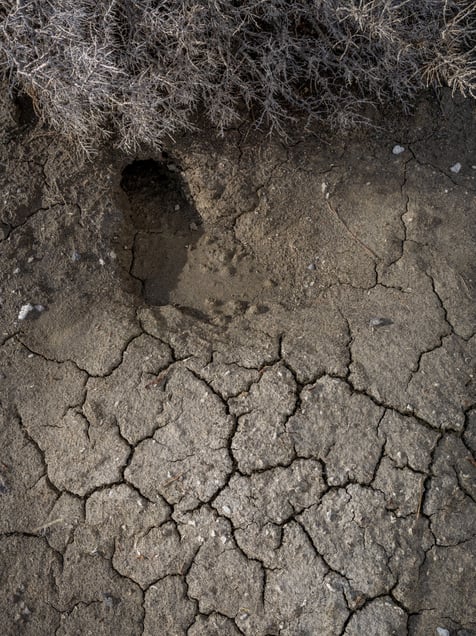
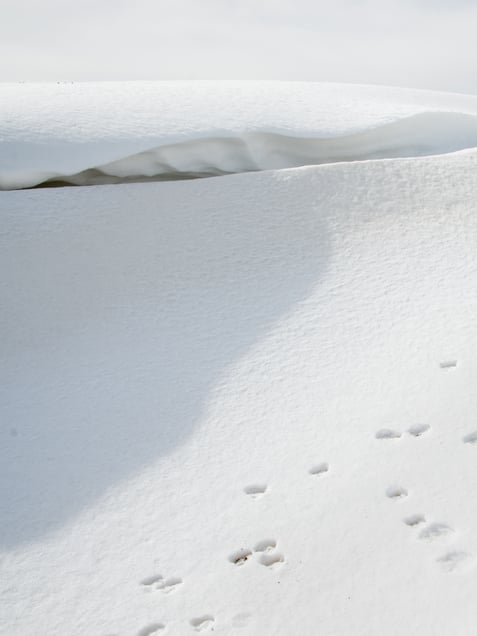
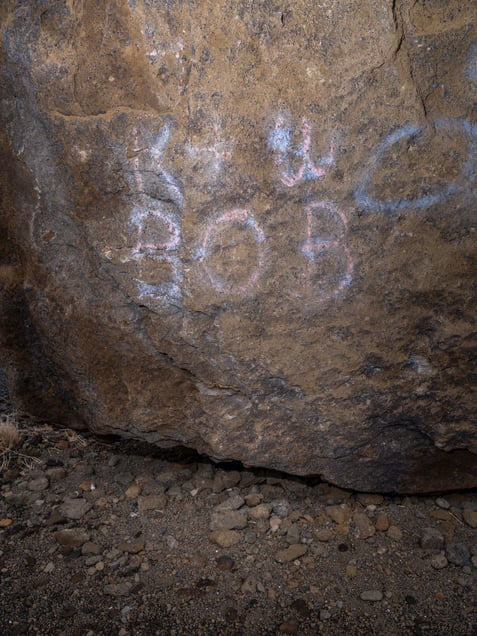
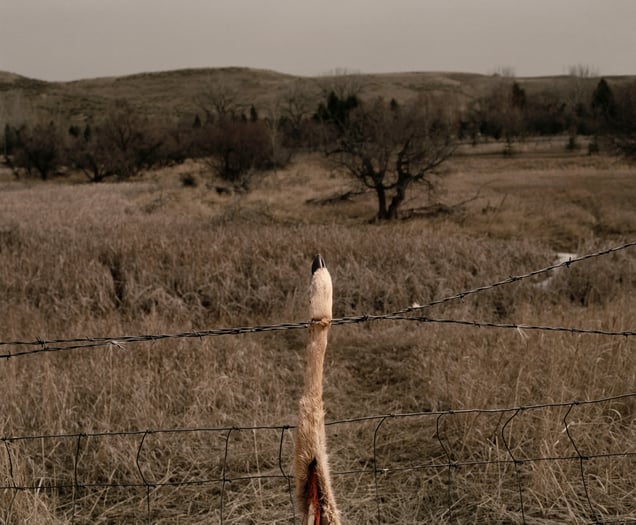
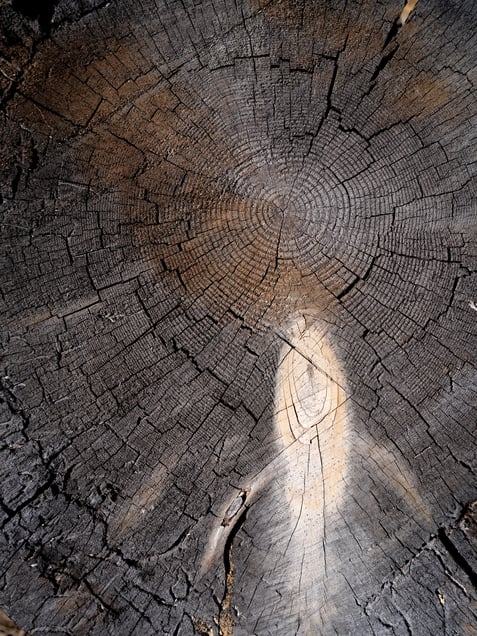
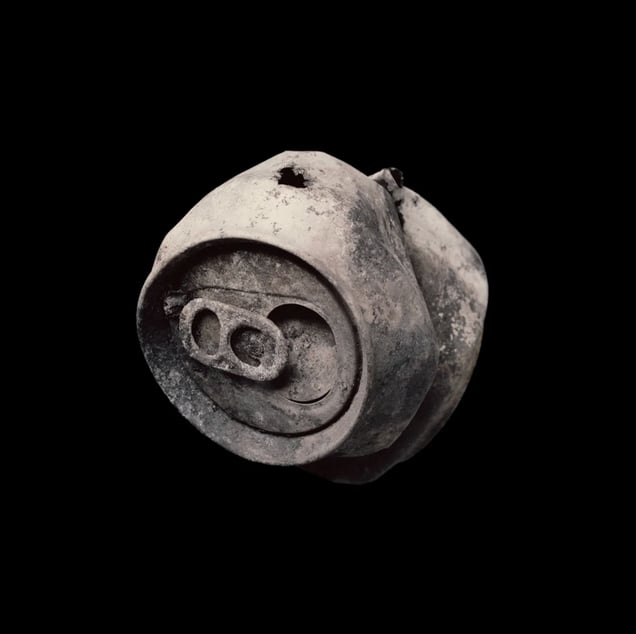
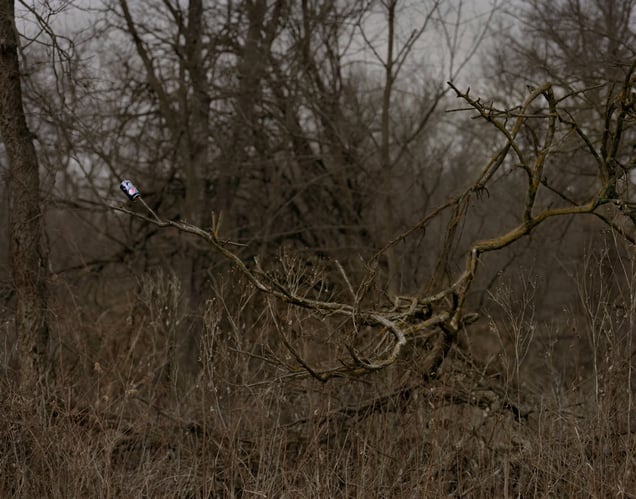
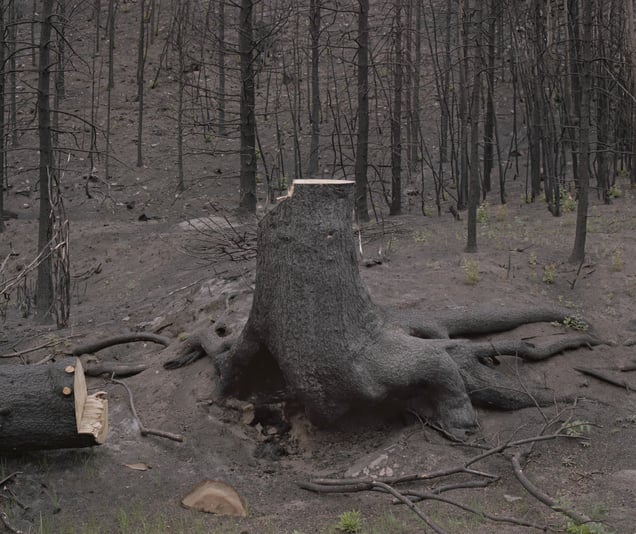
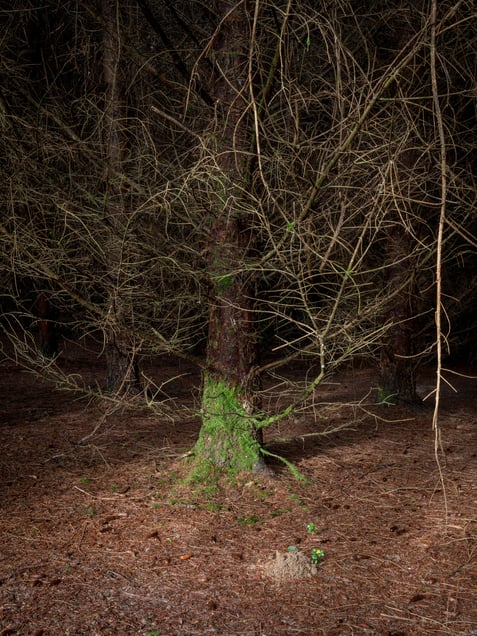
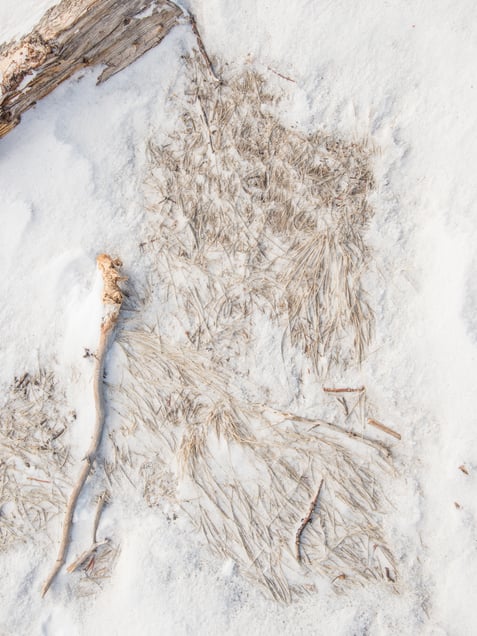
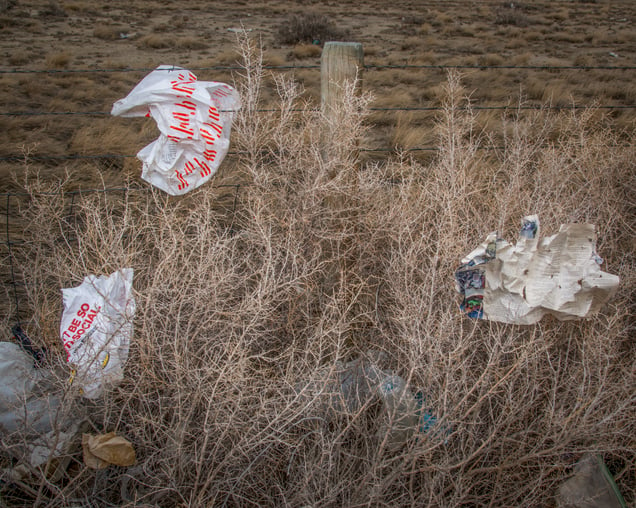
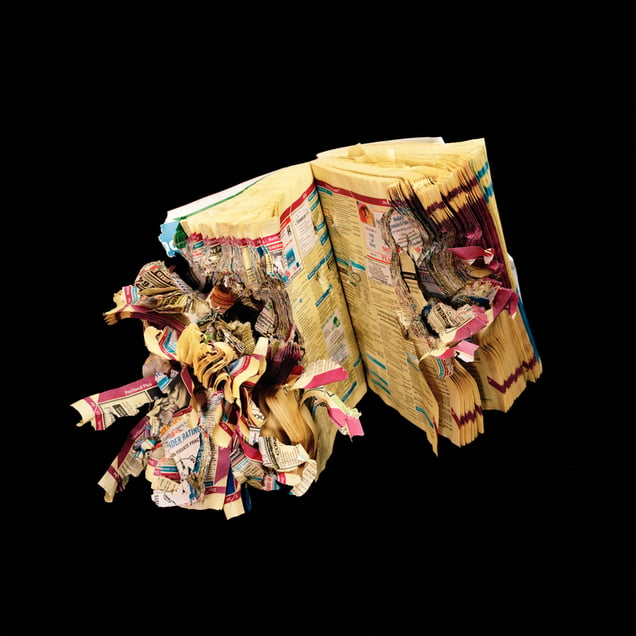
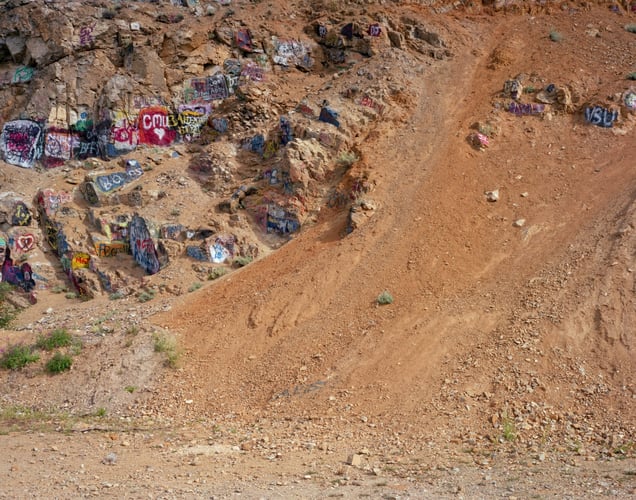
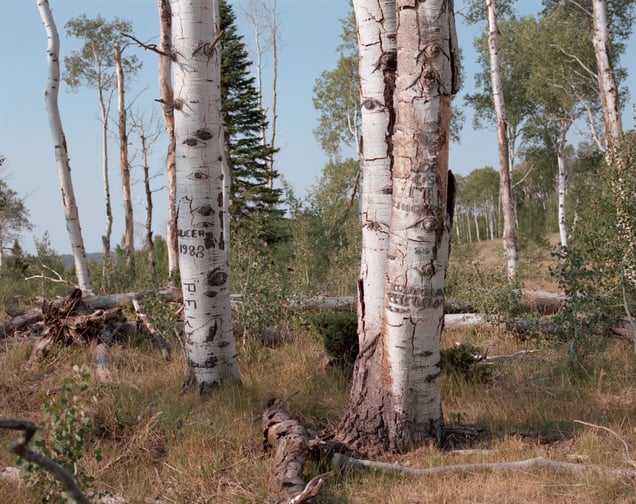
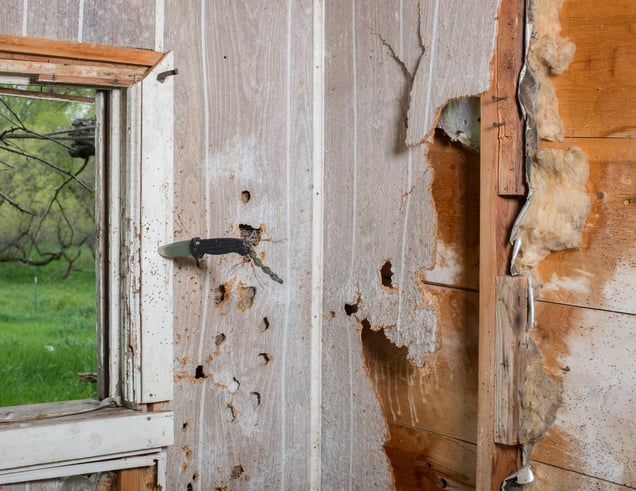
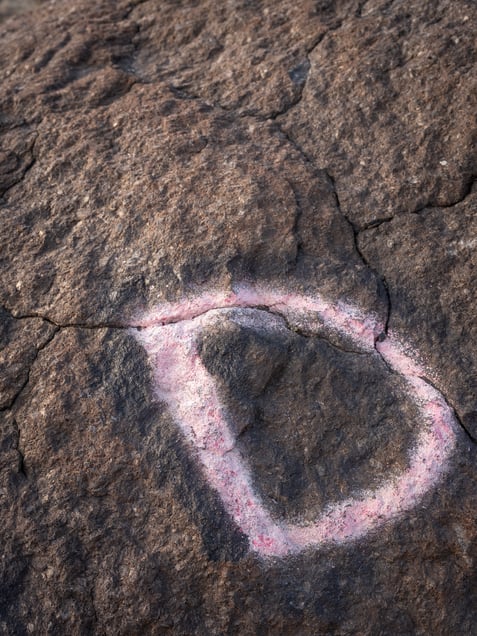
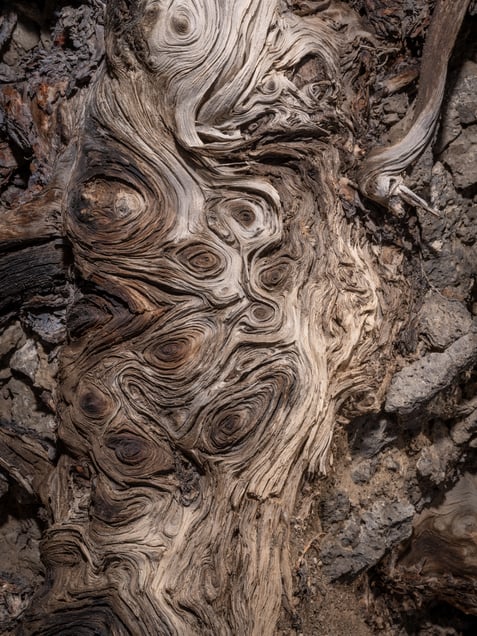
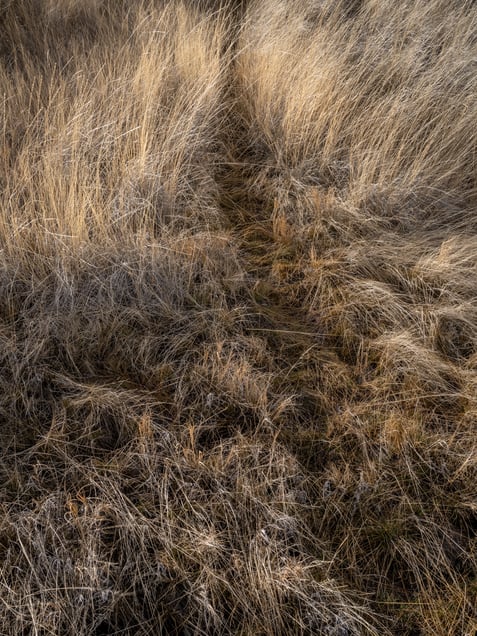
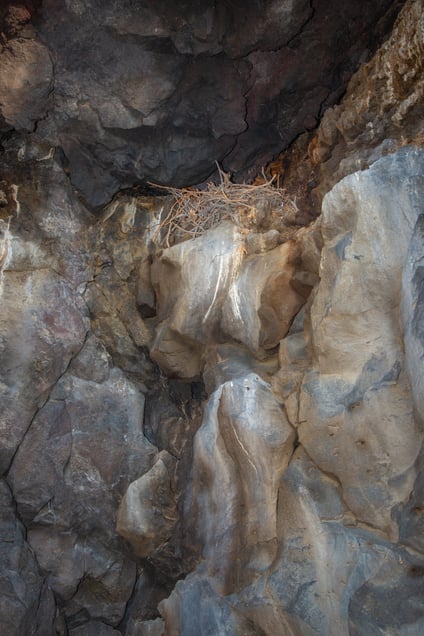
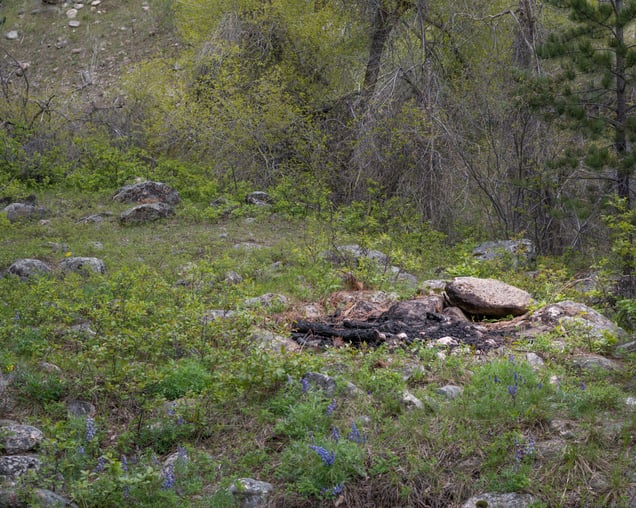
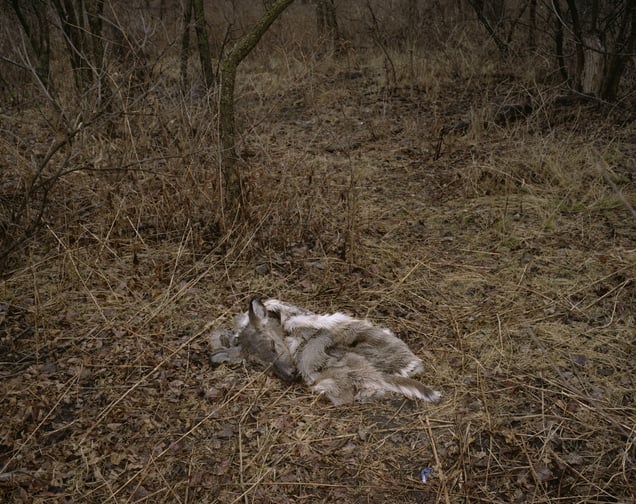
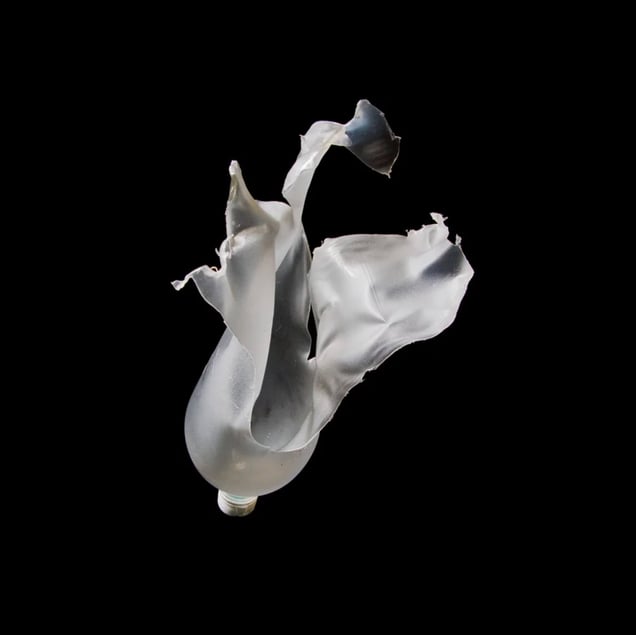
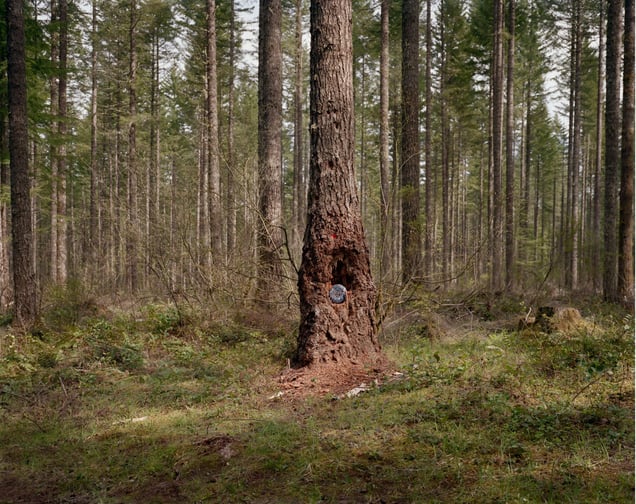
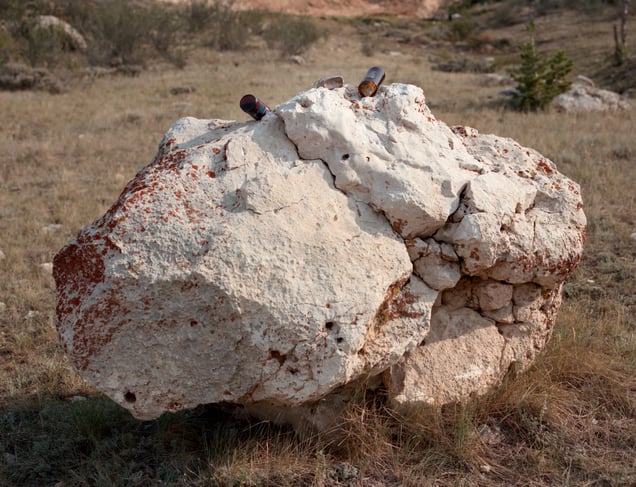
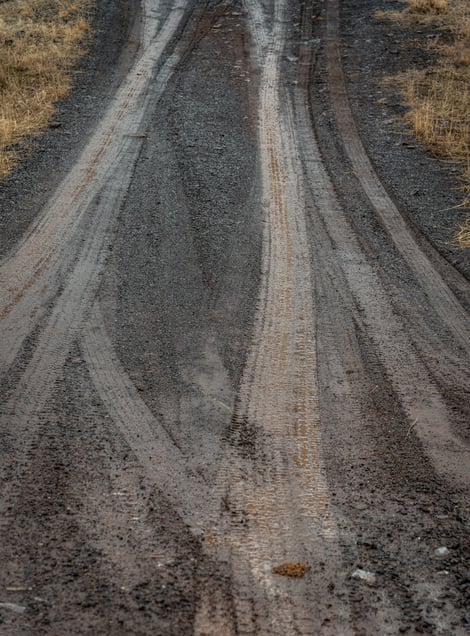
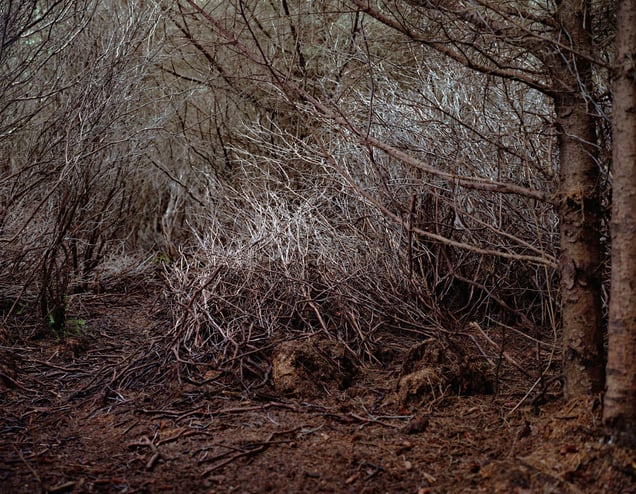
I photograph public lands in the American West, a landscape shaped by the mythology of wild, open, and largely untouched wilderness. These lands are what the Bureau of Land Management calls the “land of many uses,” where recreation, extraction, conservation, agriculture, wildlife management, and human habitation exist alongside one another. I am interested in the evidence of these overlapping uses and in the ways they alter, mark, and become absorbed into the landscape. I photograph disturbances within the land, discarded and altered objects, animal passages, human and animal mark-making, and the effects of weather, fire, vegetation, and time. The source of the action that has defined or altered a site is often unclear. The photographs treat the landscape as a kind of text, where traces accumulate into a visual vocabulary of place. Many of the actions I photograph are brief arrangements or contours. They occur within landscapes shaped by histories that long predate them—geological formations, forests, fire, erosion, and other processes unfolding over much greater spans of time. The character of a place emerges through the accumulation of traces across time, from brief actions to much longer geological and ecological histories.
No categories selected
Photos (28)