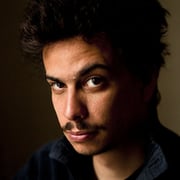
THE BALKAN ROUTE. Portraits of migrants
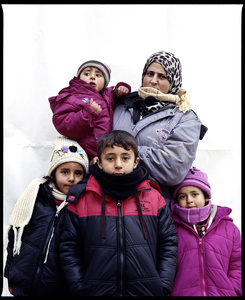
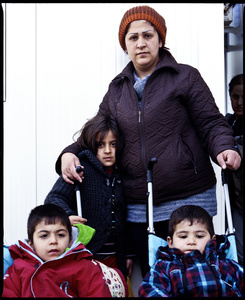
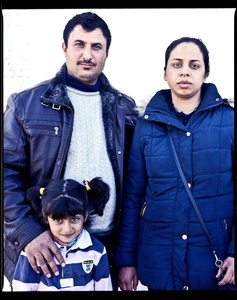
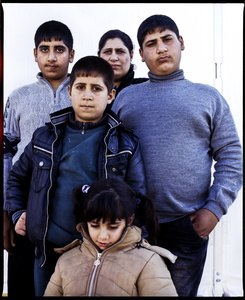
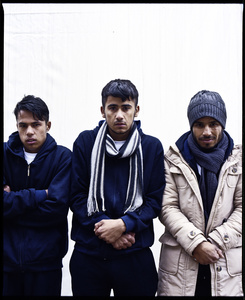
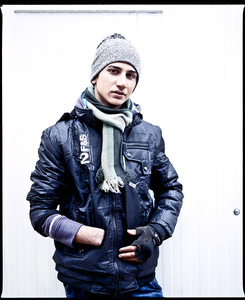
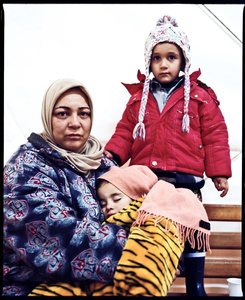
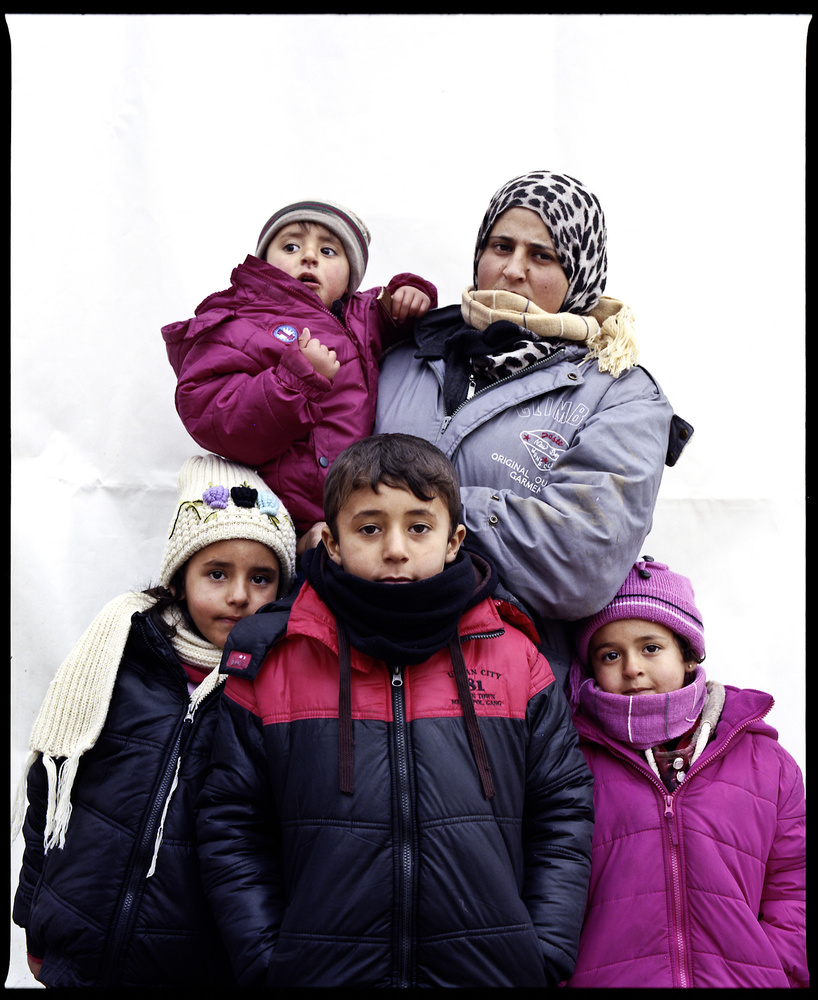
The idea of the project was to take portraits of migrants in a mostly non affected pose and on a neutral/white background. I was not worried about the number of portrayed people, nor about the different distance of each shot. I was looking for a shadowy light, without visible direction but at the same time with no flat shapes. Focus was set on the expressions and gestures of migrants in a specific and staged moment. Photojournalistic approach means to become invisible, taking portraits in that situation or not moving the subject too much . Instead, my idea was to decontextualize people visually and psychologically. The Balkans Route marks the biggest migration in -and near- Europe since the WWII. It's a long and difficult trip starting from the crossing of the Aegean sea or the mountains in Bulgaria. When migrants arrive in Macedonia and Serbia they are in between this long journey. My aim is to shoot them on a white background as they're stopping for a while, posing for the camera and thinking. To let them time for finding awareness during this exhausting path. To photograph men, women and children after the hard experiences they went through while trying to understand their expectations and hopes for the future. This was the plan. But being on the field means not to work in a studio or in the streets behind the corner. Working conditions are unpredictable. Some images clearly show the unpleasant experience of being portrayed this way: stressed people, moving disabled children with or without strollers, windy and rainy weather. Eventually, I chose to take pictures almost in every situation -except when somebody clearly forbade me from taking the shot. People in this gallery are mostly women and minors: the focus of the reportage was family reunification (just two photos show a “complete” family and a young man). In fact, according to the UNHCR, from the beginning of 2016 more than 88.000 migrants moved to the Greek coast: 54% of them were women and mino
No categories selected
Photos (10)