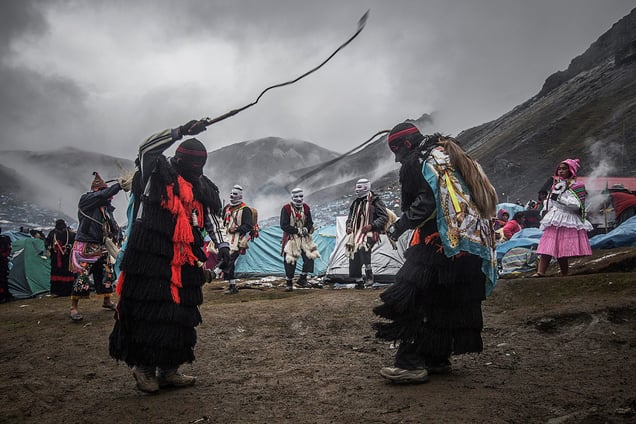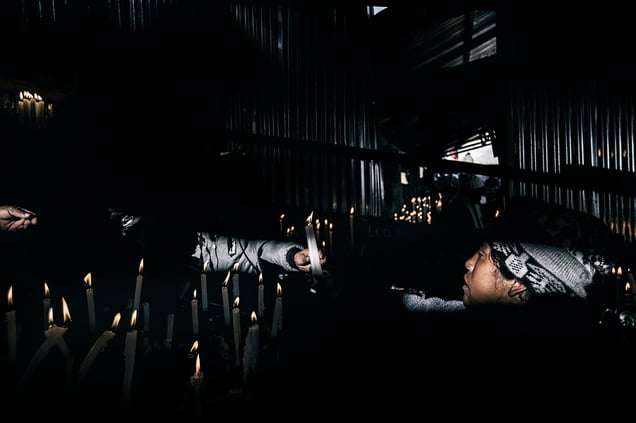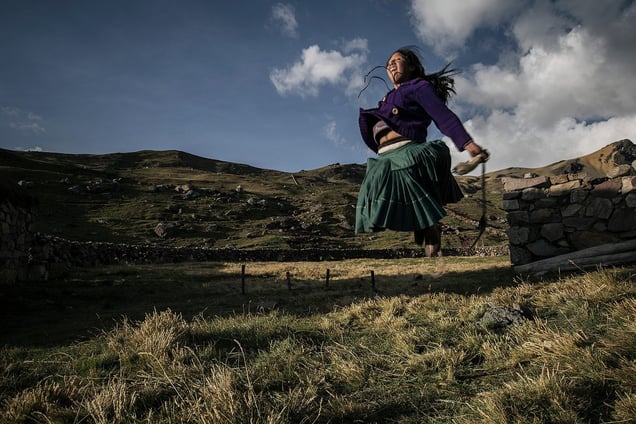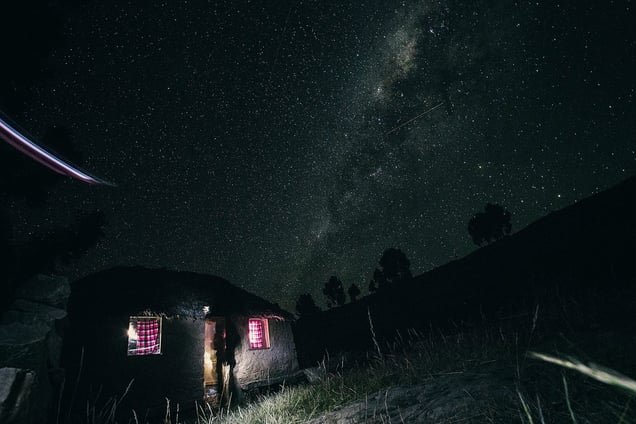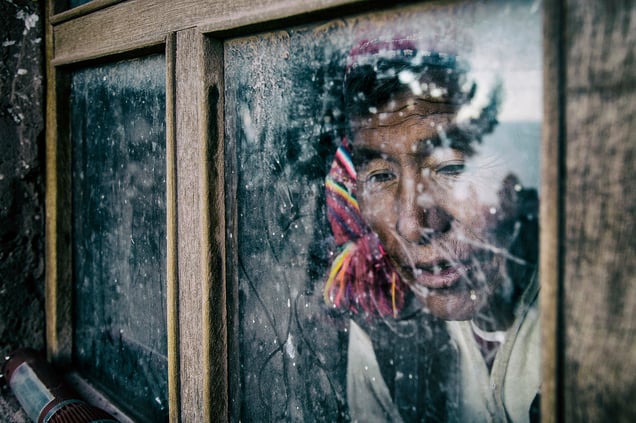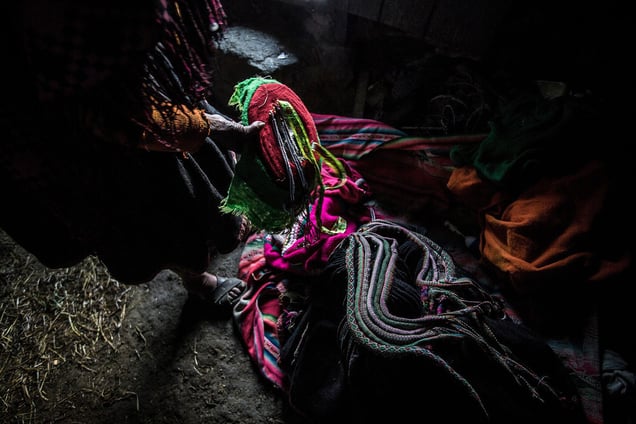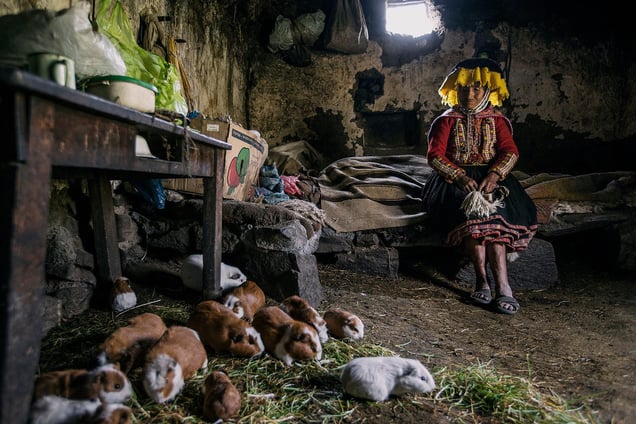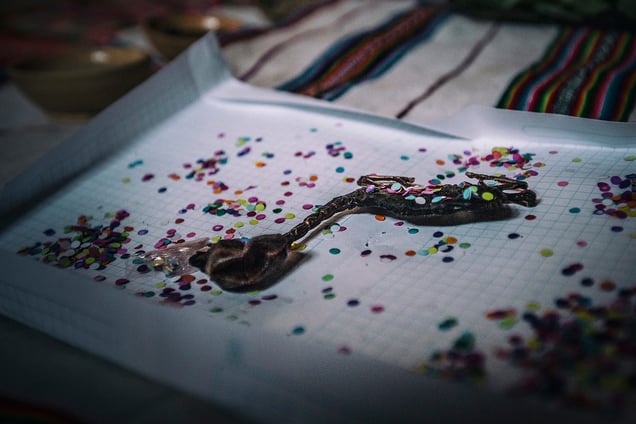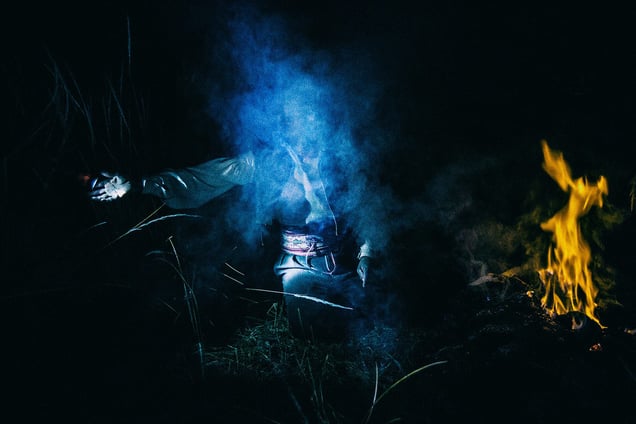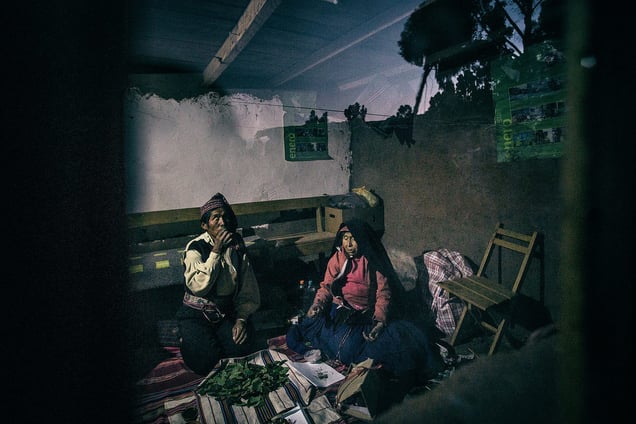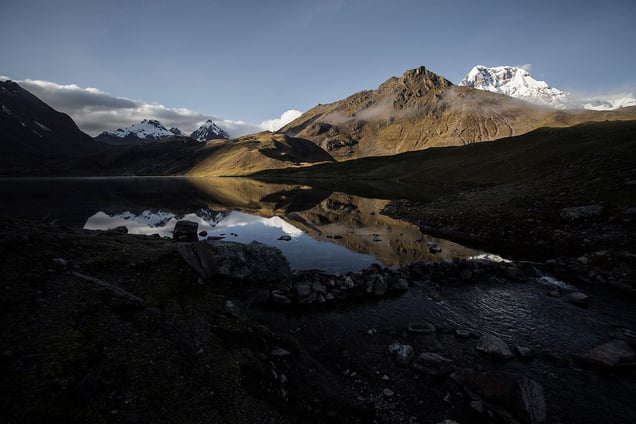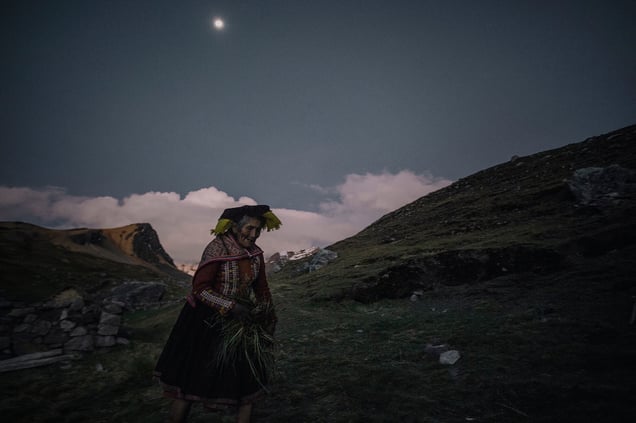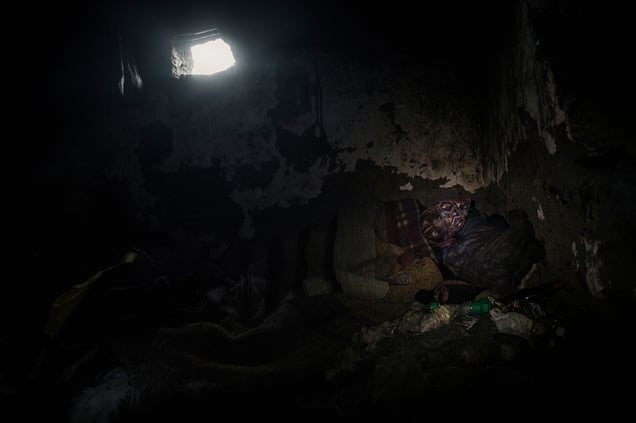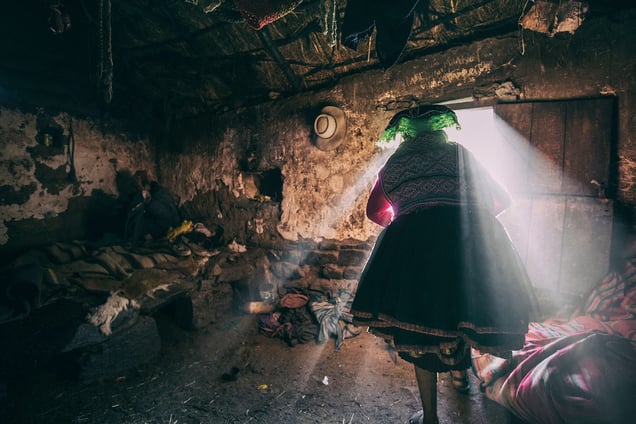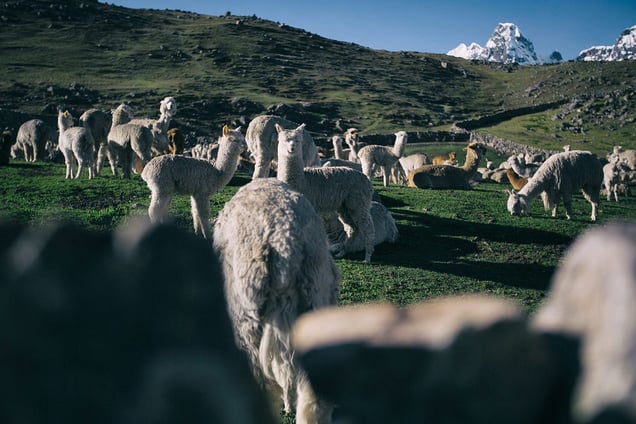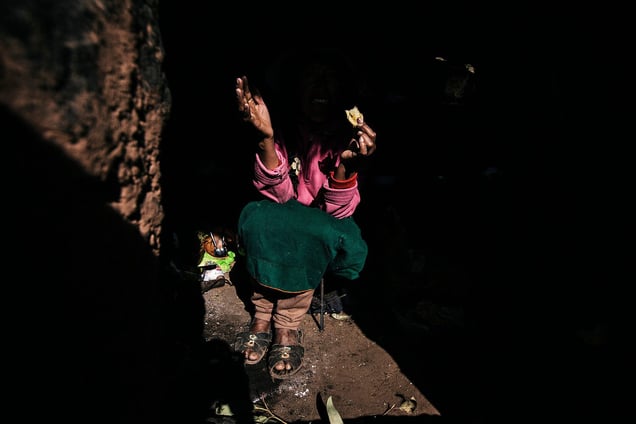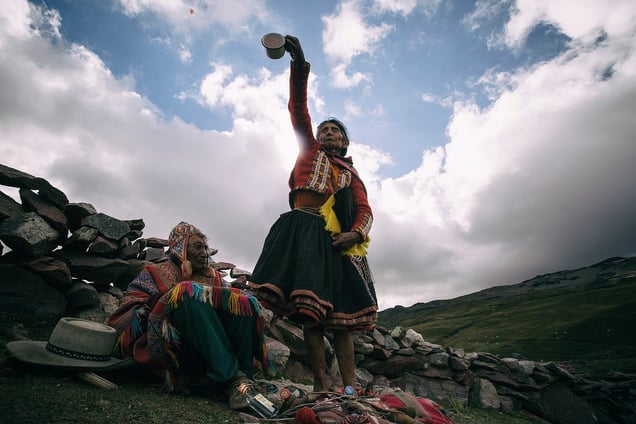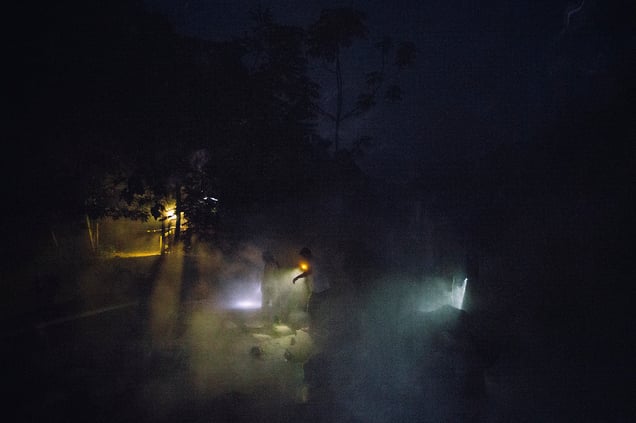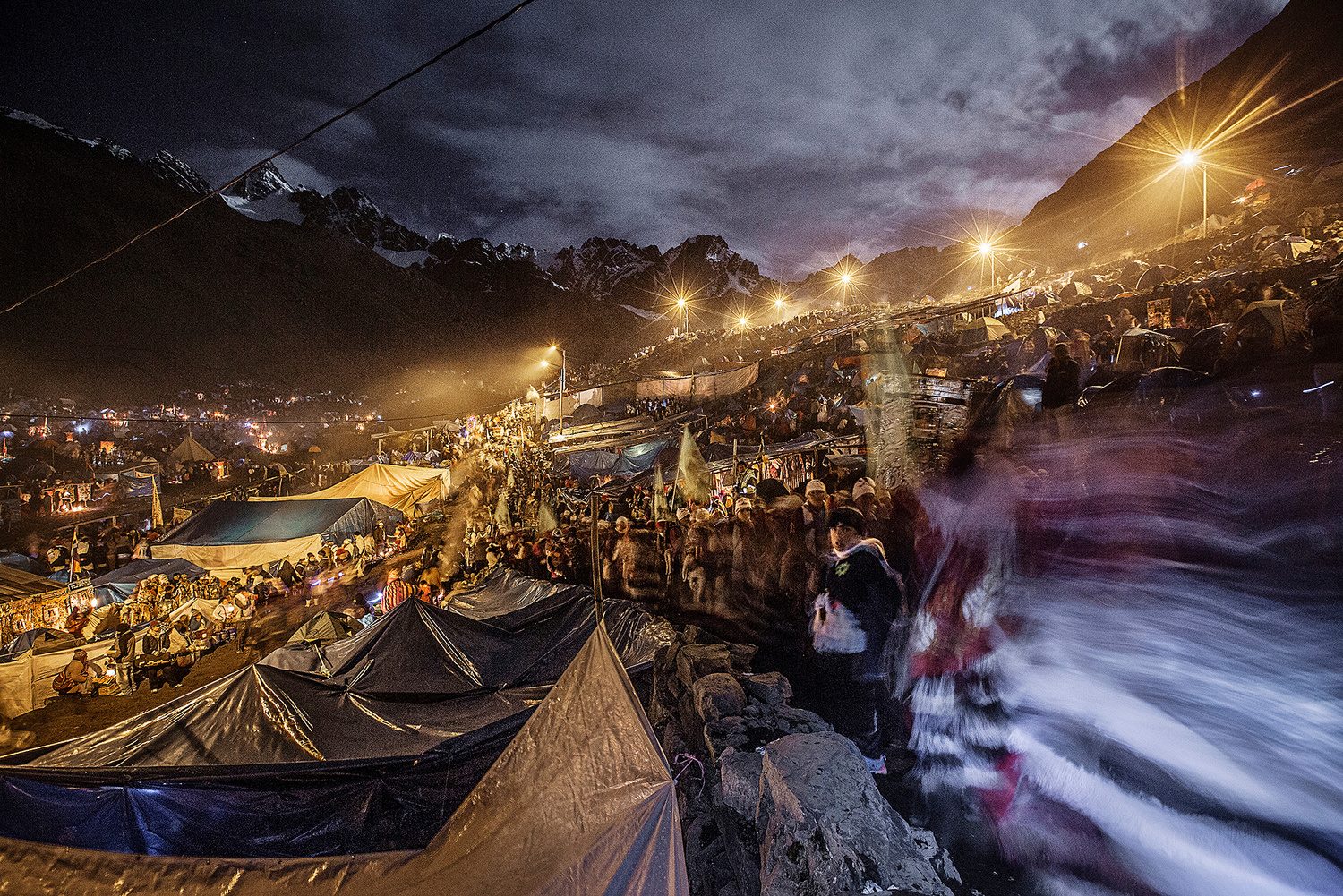
Pre Columbian traditional medicine has, for centuries, relied on the figure of the Shaman, traditional healers who, through spirituality and magic, take care of his community. Today, the figure of the Curandero is far less widespread because it is no longer recognized in society. There are still a few and for the most part, they are elderly people, holders of an ancestral wisdom, verbally handed down from their ancestors. In Peru, from the high places in the Cordillera and the southern islands of Lake Titicaca it’s a tradition that is still very much alive and indeed attracts new waves of “mystic” tourism, which is recognized by the government as such and therefore upheld. Each rural community has its own shaman, as a spiritual guide for the village who works by using the powerful energies of the universe and of the Pacha Mama, to help his community to dispel the evil eye, have more abundant harvests or to cure often incurable diseases.
In South America, following the Spanish conquest and the indigenous repression, the nature spirits and the energies of the Universe modified their characteristics and were for the most part assimilated to holy figures of the Catholic tradition. Despite all this, the shamans have continued to exist in more traditional indigenous communities, handing down their knowledge for generations since the dawn of times.