
Vanishing
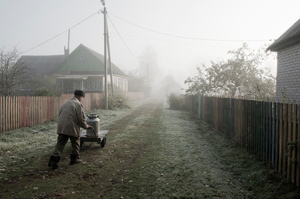
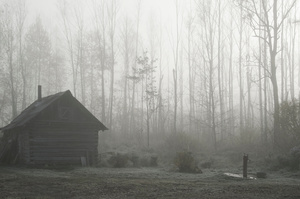
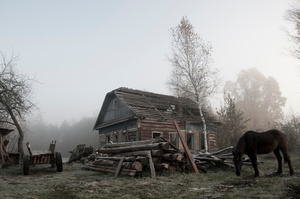
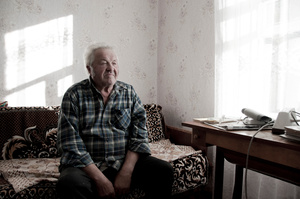
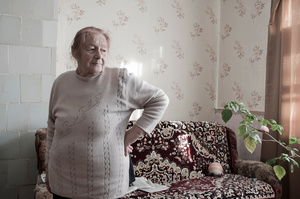
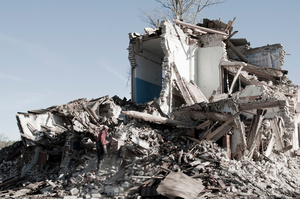
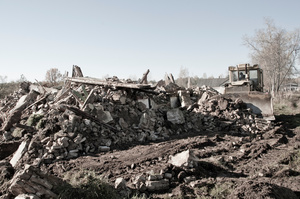
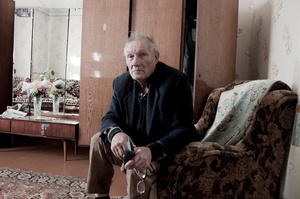
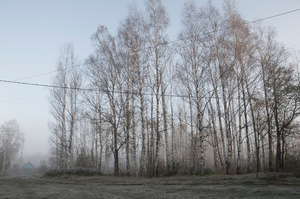
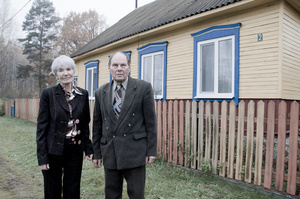
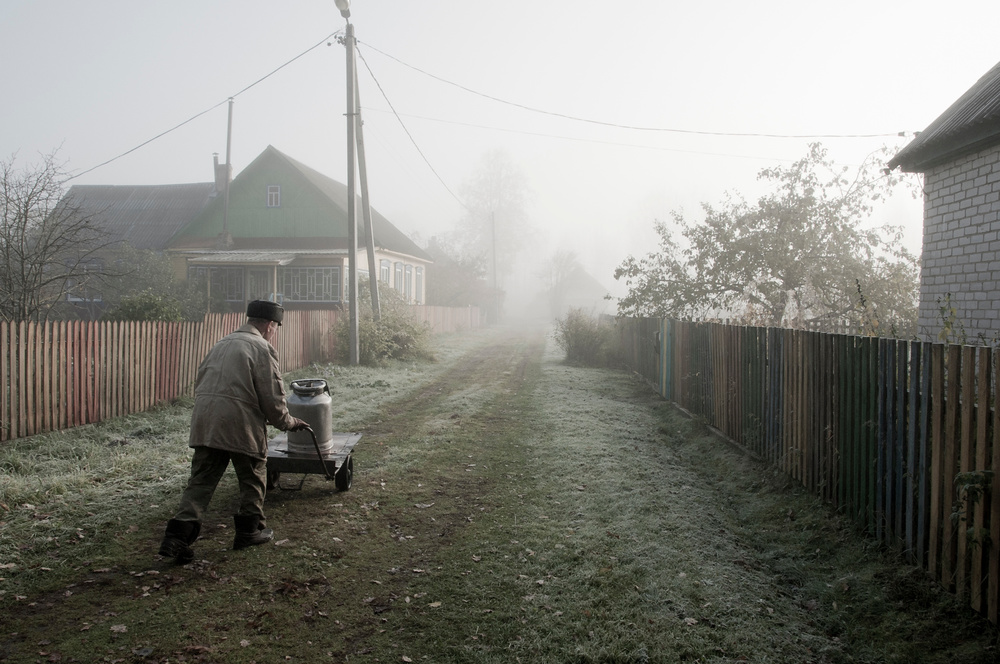
A vanishing village is a village that has, for some reason, been deserted. The problems of extinction of rural areas and over-population of large cities are very important for almost every country in the world, at a great extend of Belarus. The disintegration of the traditional social and political structures after the Second World War caused a vast movement of rural migrants into cities. The fall of the Soviet Union precipitated the collapse of many collective farms and state-owned enterprises, shutting down thousands of factories and throwing millions of people out of work in the process. Gonchanskoe is one of the examples, the village only two and half hours from Minsk, the capital of Belarus. Gonchanskoe was built on a big peat bog and used the biggest peat enterprise in the Mogilev region. In 1991 the destruction of USSR began and shortly after Gonchanskoe peat enterprise lost it relevance and collapsed. At the moment it’s population is less than 200 people. In 2013 there were 14 pupils in local school. In the summer 2014 the school closed down. The village is home to primarily pensioners. “Gonchanskoe doesn’t have any future,” Ivan, one of the first settlers of the village, told me. “All working, living force, young people under 40 left the village and won’t come back. This is our sad story.” The decay of many Belarus villages is likely to continue without the help from the government, investors, infrastructure or social services.
No categories selected
Photos (10)