The Price of Refuge
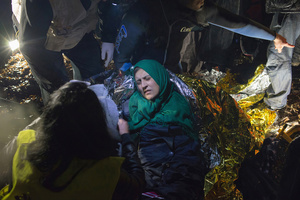
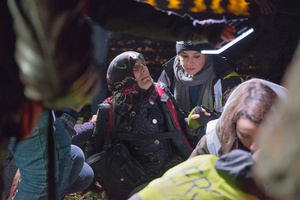
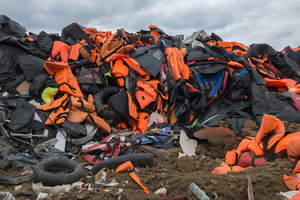
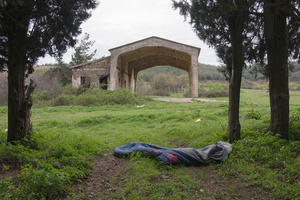
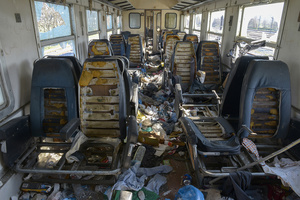
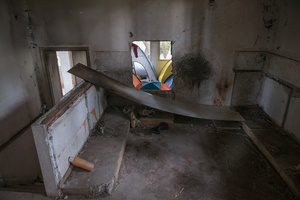
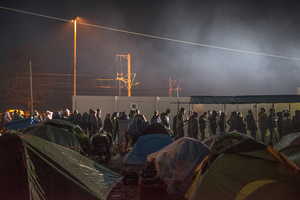
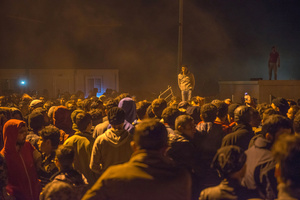
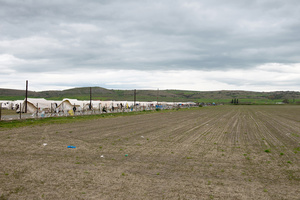
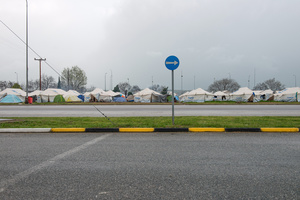
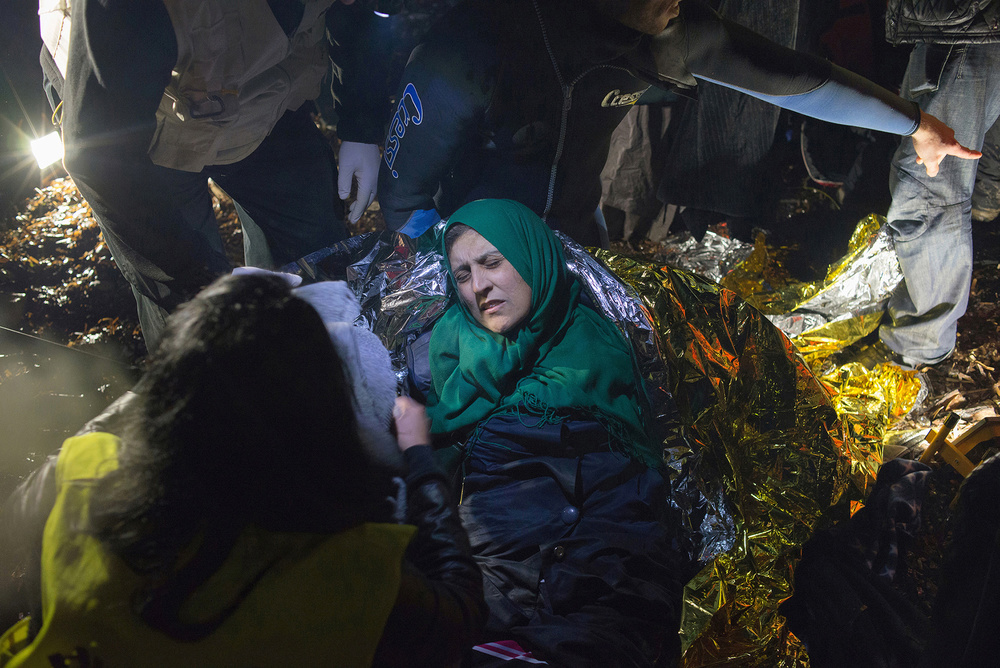
After publishing a reportage on the living conditions in the Idomeni refugee camp for a Montreal newspaper, I traced the steps of the refugees from Lesbos to the Macedonian border. In my final edit, I address the risks the refugees were taking and the type of welcome they were receiving. I shot the photos in March 2016. European borders had been closing and thousands of refugees were stuck at the Macedonian border. On March 20th, 2016, an agreement between the EU and Turkey took effect according to which refugees that arrived illegally in Europe via Turkey risked deportation back to Turkey. Many boats landed on the Greek island of Lesbos that night, overloaded with terrified passengers hoping to beat the deadline. After paying a human smuggler as much as 1000 Euros per person, they spent up to six hours on the cold black Aegean Sea, trying to get past the Turkish coastguard who would take them back to Turkey. Two men died in the boats, others were suffering from severe hypothermia. Beyond the shores of Lesbos, in the landscapes and refugee camps of northern Greece, there was clothing, sleeping bags and blankets strewn across the land, tents set up in abandoned homes and train cars, along the highway or in gas stations. There was an abandoned train filled with garbage, the padding from the seats cut out for use in tents, and refugee camps set up in isolated wind-blown areas of northern Greece. People on the Macedonian border were frustrated, planning demonstrations, lining up for hours for dry submarine sandwiches, and sleeping in cold flooded tents. And in the landfill of Lesbos, there was a mountain of used lifejackets, an eerie monument to the desperation of the hundreds of thousands of refugees fleeing North Africa and the Middle East.
No categories selected
Photos (10)