
GITXAALA NATION - PEOPLE OF THE SALT WATER
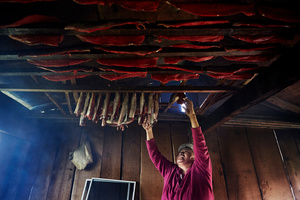
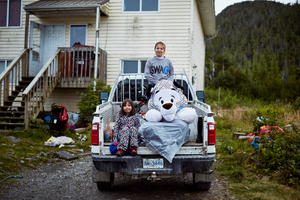
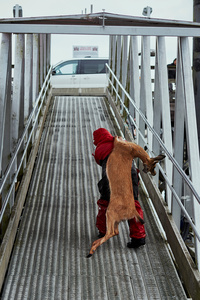
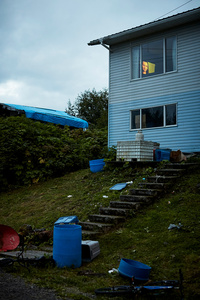
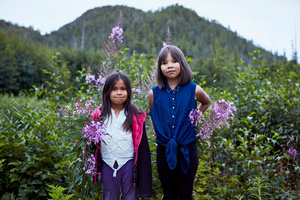
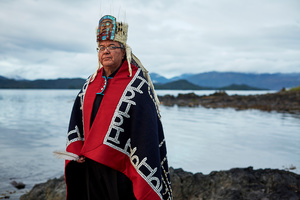
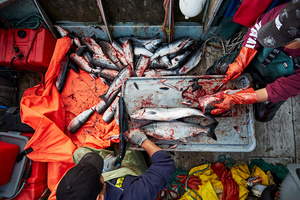
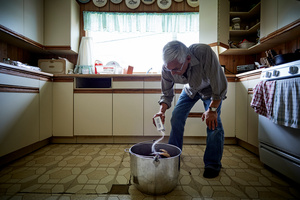
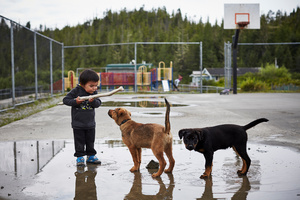
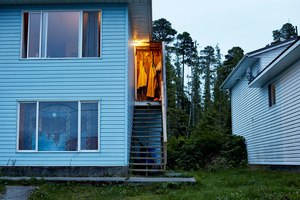
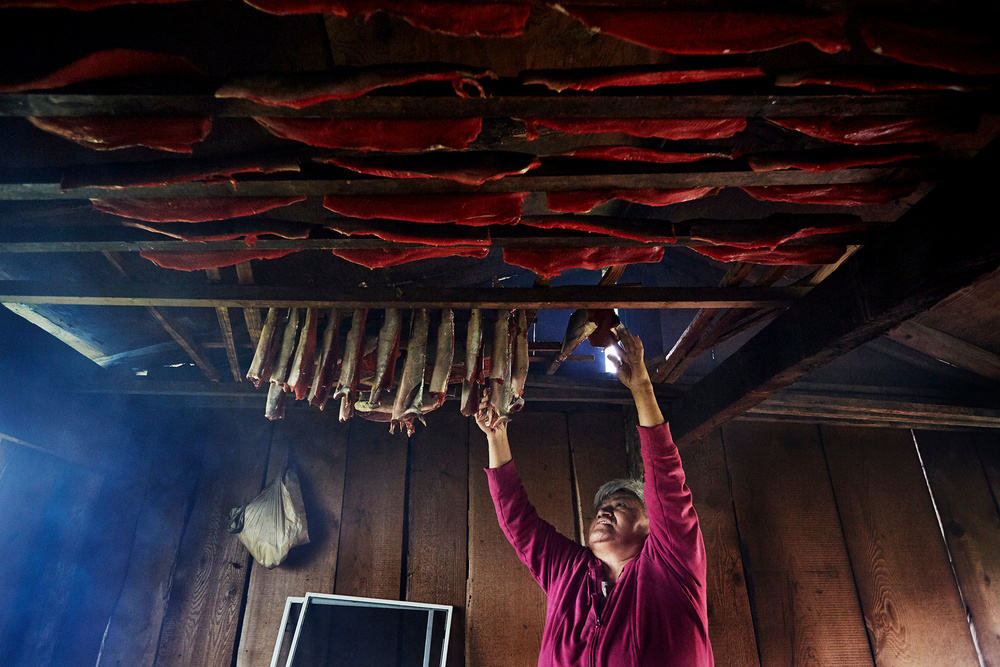
Kitkatla is a tiny village situated approximately 60 km southwest of Prince Rupert, on the north side of Dolphin Island, in British Columbia, Canada. It has been home to a group of people called the Gitxaala Nation for over 10,000 years. I have always been interested in cultures that still live off of their land, that hunt and fish for their food. In 2015, I spent time in Kitkatla village, to get to know the people, to find out about their habits and to get to know the culture. One thing that struck me was how well they take care of each other and the elders in the community. Whenever someone catches more than they need, they go around the village and make sure that no one is hungry. Commercial fishing in their waters is not allowed, so they only fish for themselves. They monitor the area, making sure their ocean water is clean, that the rivers are accessible for salmon to migrate upstream and most importantly, that they are using nature in the most sustainable way. It was very inspiring to see young people interested in biology, ecology and environmentalism. Like many other parts of the world, Kitkatla is facing a serious threat from the industrialized world. If the Enbridge Northern Gateway Project is approved, diluted bitumen from the Alberta Oil Sands would pass through the their waterways to refineries overseas. Large oil tankers will travel through the very heart of their traditional territory and past their main village of Lach Klan. Wild Pacific Salmon and other marine resources that sustain their community will be threatened. Spiritual icons such as the Killer Whale and Kermode Bear will also be at risk from even a single tanker accident. Their environment, their culture and their very existence could be at risk. These images show their daily lives and are the first installment of an ongoing project. I will return to the village in 2016 to continue the story.
No categories selected
Photos (10)