Cuba In Waiting
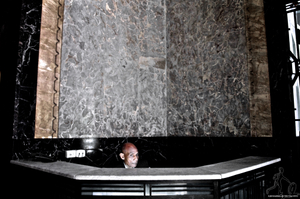
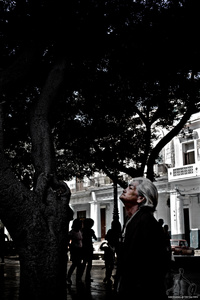
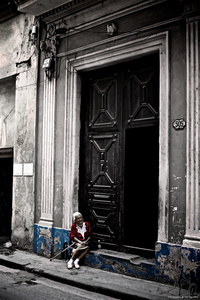
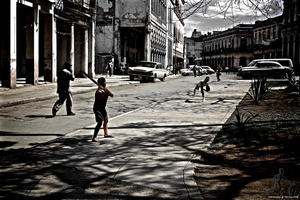
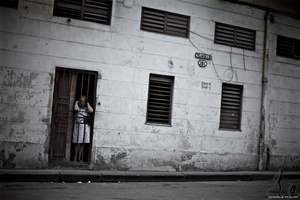
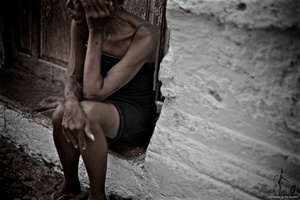
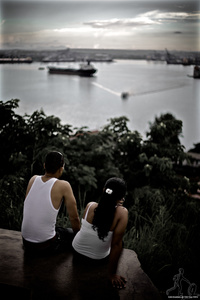
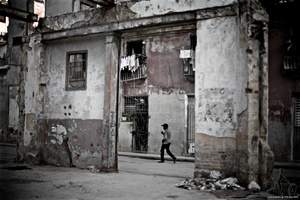
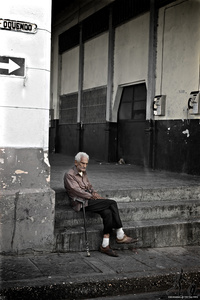
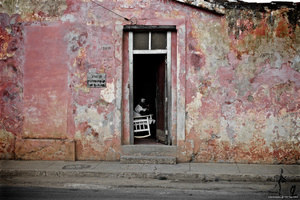
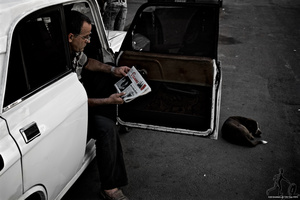
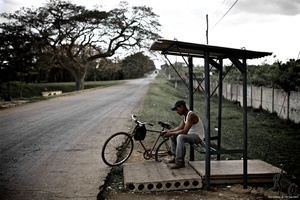
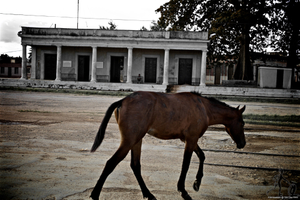
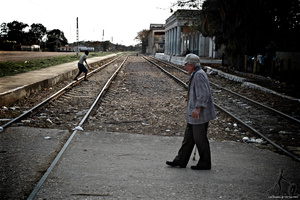
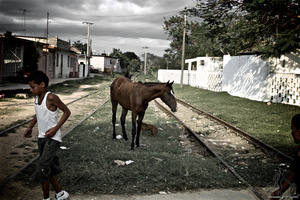
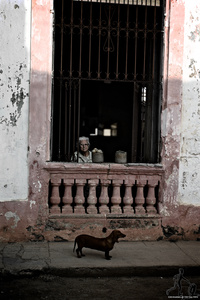
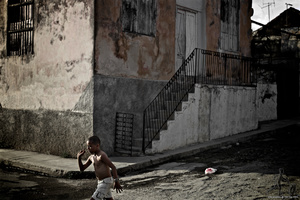
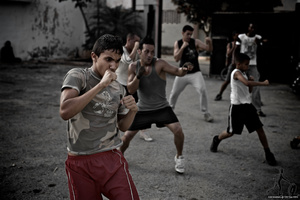
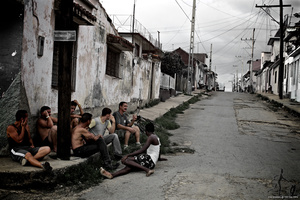
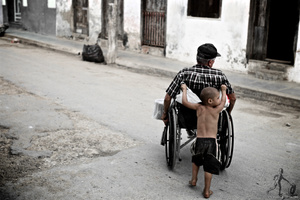
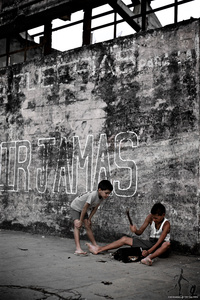
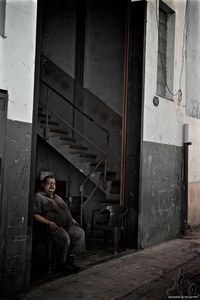
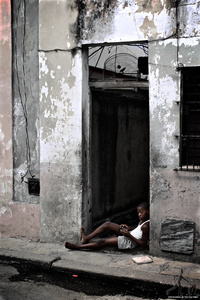
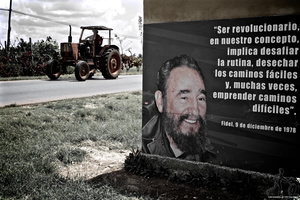
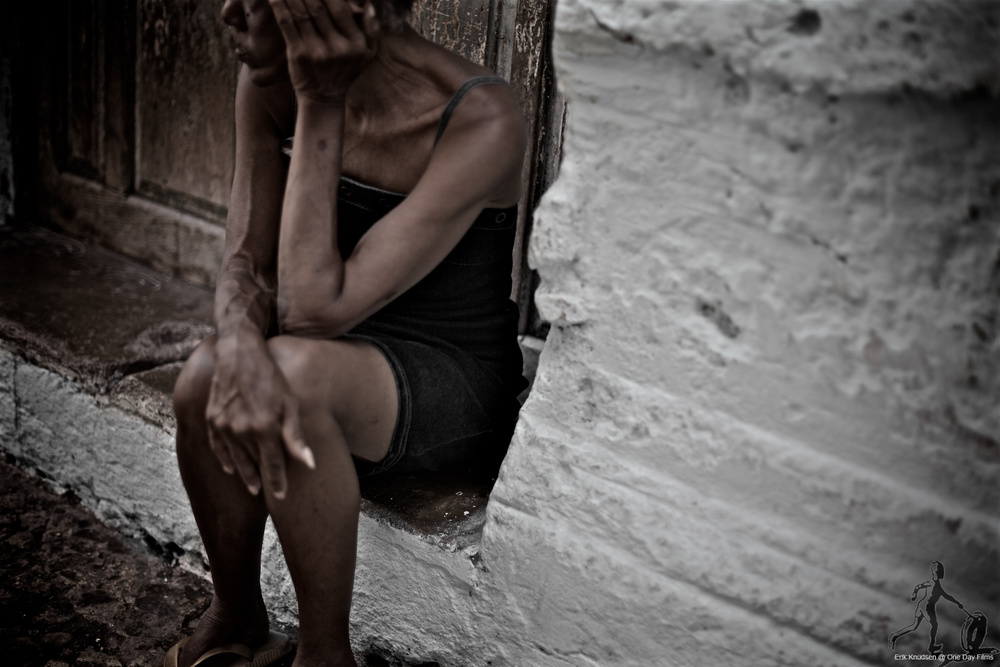
I was first invited to Cuba to run a workshop at the Escuela Internacional de Cine y Television by a well known British film producer, Mamoun Hassan, who thought I should experience Cuba before Fidel Castro died. This invitation was extended to me in 1998. For the next 18 years, Fidel Castro is very much still alive until his passing in 2016, and despite him having passed power to his slightly younger brother, Raul, and the recent thawing in US-Cuban relations, Cuba remains almost as it was when I first went. After my first few visits, I started to feel a sadness. A sadness for a repressed people; a sadness for a people whose creativity and ingenuity was being denied expression; a sadness for a people who have so many natural and human resources yet are shockingly poor, despite being one of the most highly educated people in the world. Everyone is waiting for change. Though there is genuine reverence for the king-like figure of Fidel Castro and his revolutionary achievements, everyone is nevertheless waiting. Fidel Castro died in November 2016 and I was fortunate to be there when that happened. It presented me - along with many Cubans, I suspect - with a sense of the closure or an era and the beginning of another. I have captured this final farewell to an era about to change in a complimentary series, Farewell Papa Fidel. This particular photographic essay emerged from my looking a Cuba in waiting’ during the final years leading up to Castro's death. I have waited for moments and fragments of stories to present themselves to me and have tried to capture these moments as a reflection of my feelings about Cuba caught in stasis waiting for change.
No categories selected
Photos (24)