Bellavista
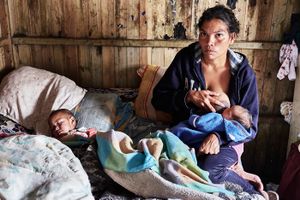
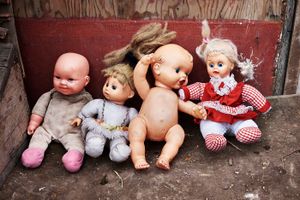
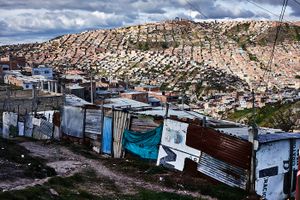
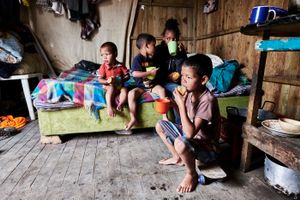
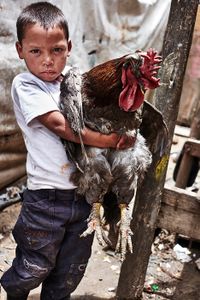
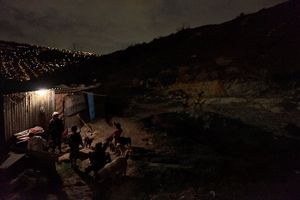
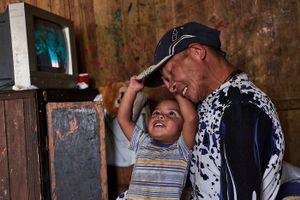
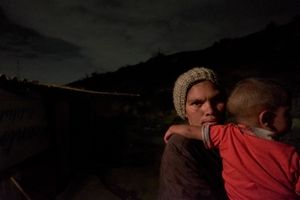
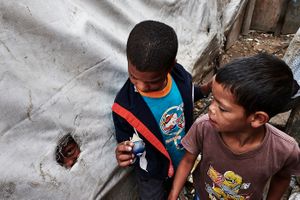
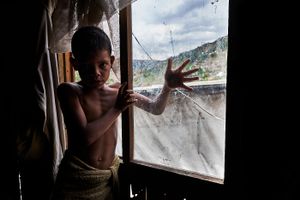
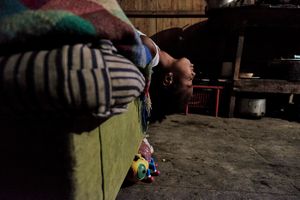
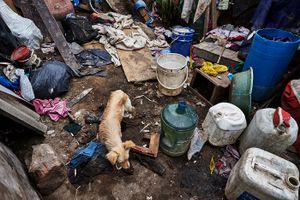
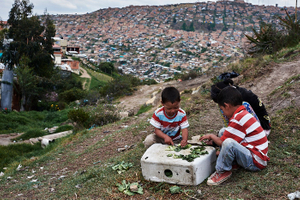
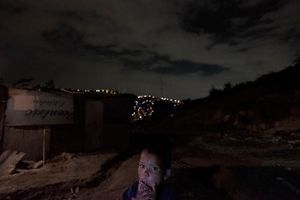
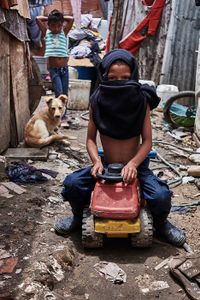
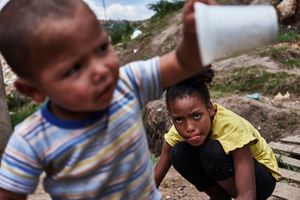
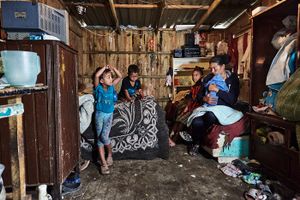
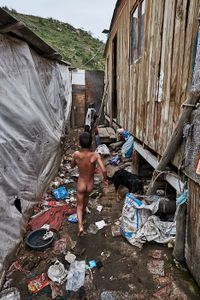
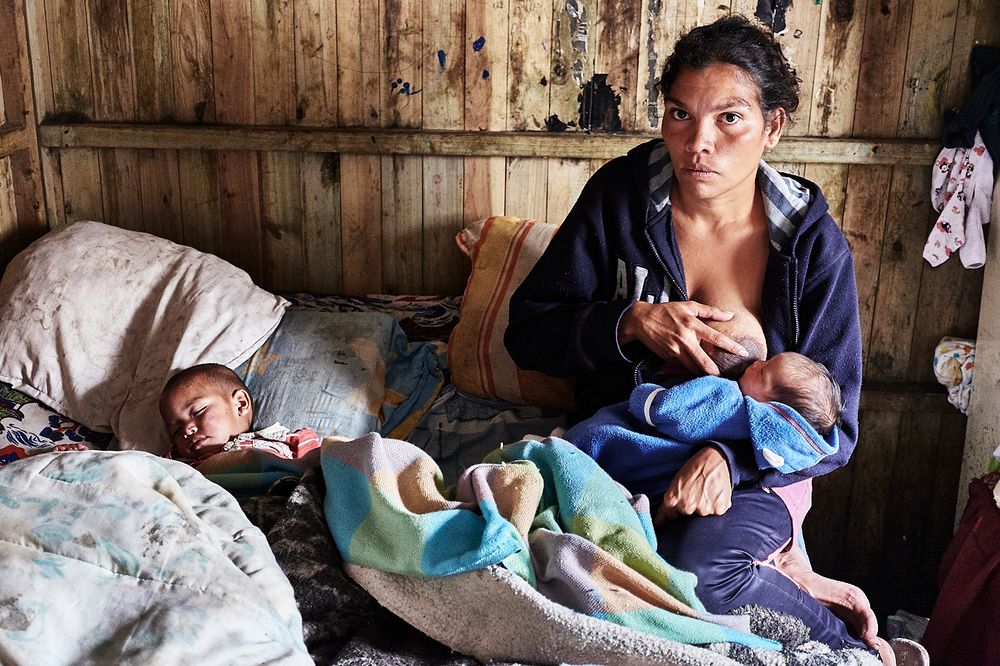
Colombia is experiencing one of the most dramatic and extensive humanitarian crisis in the world. Thousands of people have been affected by the armed conflict which expresses itself in murder, disappearance, kidnapping, extortion, plunder, false positives, sexual violence, recruitment of children / adolescents and displacement. In the last 30 years, entire communities have been forced to abandon their land and everything in it that configured their social, cultural and economic life; the destruction of social networks and facing a new, almost unknown context are part of the new conditions of vulnerability that cause the war in the civil society, which becomes victim of the Colombian armed conflict. One of the families, which can be taken as an example for this complicated situation, is the Castro Villa family, currently living in Bellavista (which means “beautiful view”), a remote area south of Soacha, which is a municipality in the conurbation of Bogota. There people and groups from different parts of the country in different conditions of displacement come together. They continually arrive, massively or isolated. According to the Victims Unit, in this municipality there are 38,805 people affected and their number is increasing. Public services are poor, the houses are built with recycled materials such as doors, cans, plastics, tarpaulins and all other materials serving for this purpose. The population has a low income, most of these families live with less than three dollars per day. The Villa Castro family arrived 6 years ago from Sincelejo, Sucre department, which in 2013 had a poverty rate of 47.3% and 10.1% of extreme poverty for the whole population; these indices were combined with a wave of violence the family was confronted with. The parents, Freddy Castro, 37 years old and Danallis Villa, 28 years old, live with their five children in Bellavista. The only way for them to earn money is recycling, a job which is not well accepted in the society, but Freddy does not have another choice. However, despite of facing all these difficulties, the family is dreaming of a better future. The children recreate their harsh reality in idealizing places, where their human rights are not only written words, but can be realized in the daily life. The whole family is dreaming of better living conditions, so that everyone can enjoy the living together of “Bellavista”.
Photos (22)