
Change Within
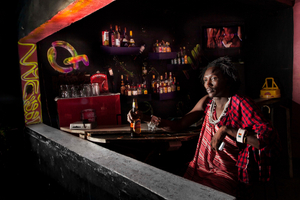
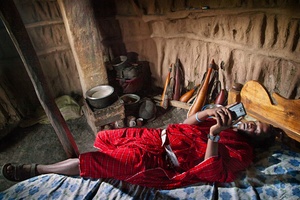
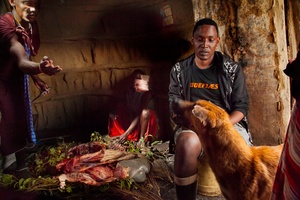
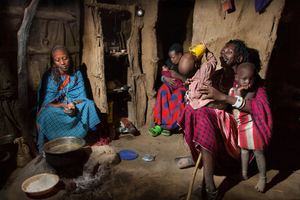
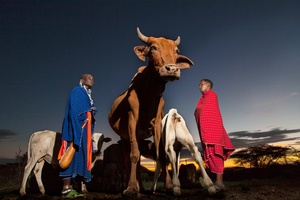
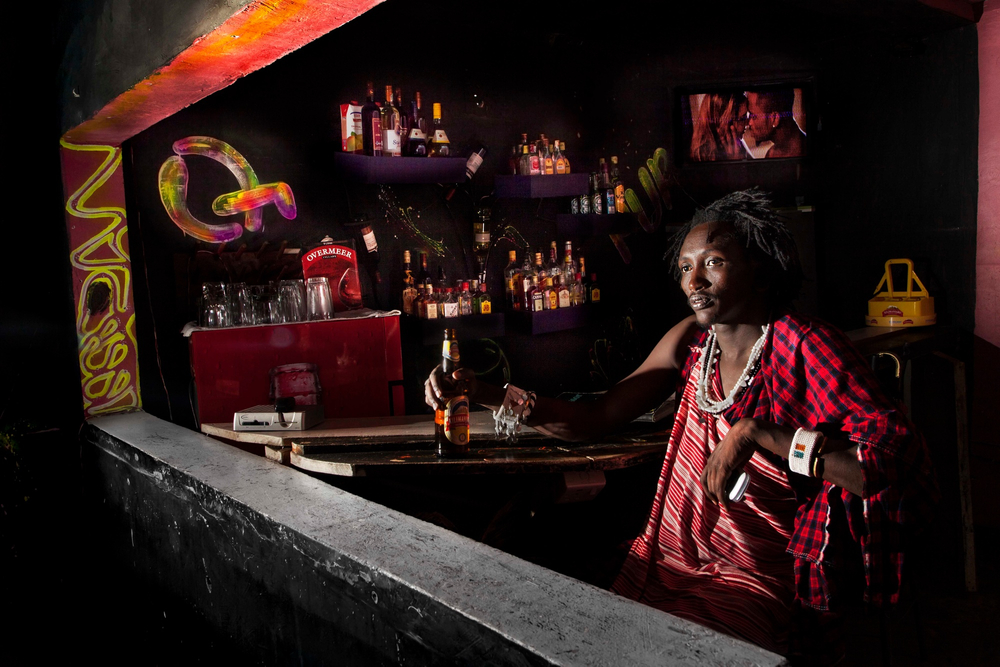
The traditionally nomadic and patriarchal Maasai society in Tanzania is experiencing profound social and cultural changes in today’s transition to a more sedentary, democratic and educated community. These changes at the macro level also influence and interact with the micro level. Talented Maasai individuals increasingly shift their gaze to the city, where they put their aspirations for a better future into practice. This however does not imply renouncing their roots: they maintain strong ties with their village and family, for whom they make every effort to structurally improve their situation. This project documents the Maasai society’s transition discussed above in order to correct the predominantly one-dimensional Western view on Maasai culture. When returning home from visiting my Maasai friends, it struck me that people in Belgium were surprised that I communicated with them by phone, email and Facebook. This was dictated by the general image of ‘the Maasai’ in our Western world, which is based on documentaries depicting the Maasai community as exotic warriors, nomads and pastoralists. The objective of this project is to counterbalance the Western view on the Maasai as a monolithic, uniform and homogeneous culture by following Musa and Lekishon who devide their time between the city and their village. A couple of years ago they left their village without owning anything and without even knowing Swahilli. They both started as watchman and gradually improved their situation. They maintain strong ties with their village and family, for whom they make every effort to structurally improve their situation.
No categories selected
Photos (10)