
Our Invisible war
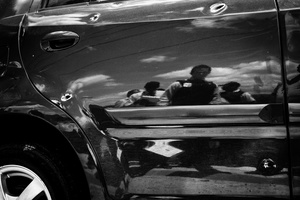
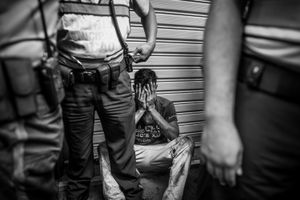
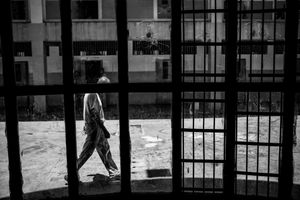
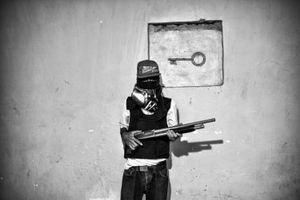
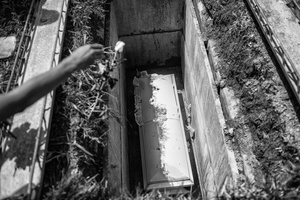
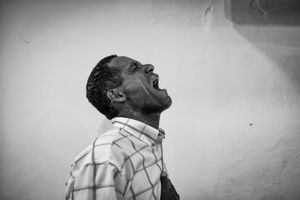
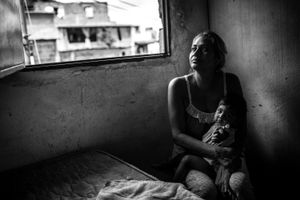
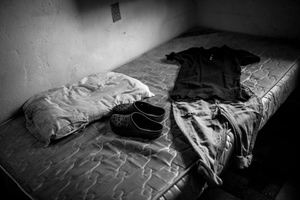
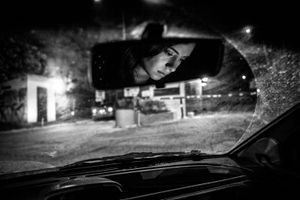
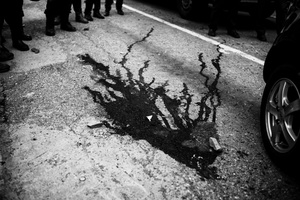
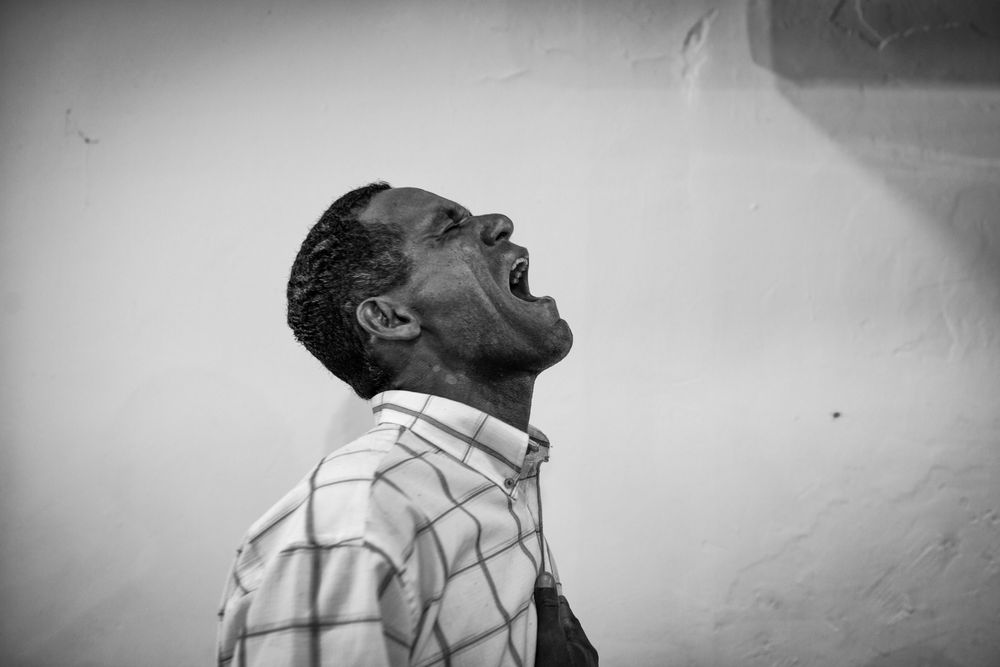
It happens everyday, as sure as the sun rises over one of the biggest favela in Latin America, the death is one of the few full time services that Caracas has. The media is not talking about crime; the main newspapers in the country are censored, and since 2006 there are no official numbers of deaths related to violence. Some NGOs says the death poll last year was 24.000 Venezuelans,252.000 since the revolution came to power 17 years ago. A culture of conflict pervades in Venezuela. The government spends seven times as much on weapons to defend the country against a hypothetical foreign invasion than it does on civilian safety.Sometimes it feels that the war is inside our borders and the mindset of violence is infiltrating in everyday life. On the street, gangs clash with each other, with the police, with the army, and even the police against military. All wield power, and abuse it. Caught in the midst, citizens buy guns to protect themselves, everyone has been touched, the death of a friend, of a relative, the pool of blood in the street early in the morning, the screams of a mob trying to lynch a thief, death is in the air. Venezuela seems at war with itself. It’s often not clear who is who. Whom do you trust? Who is the enemy? What exactly is happening? All the time you’re looking over your shoulder. Waiting for the next blow, but from where? The atmosphere and the impact of violence seem inescapable and people have begun to see it as normal. My country is gripped by a hidden war. Violence is a mood as much as it is a reality. In a society where people are so accustomed to violence, I want to provoke them into thinking about it more deeply .This project is the project is about us, the people who are stuck in a country that is fighting against itself, an invisible war that keeps showing death bodies in the mornings but not headlines in the newspapers.
No categories selected
Photos (10)