
Market
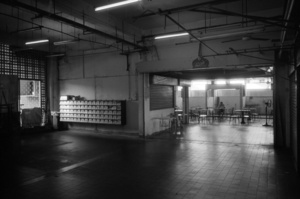
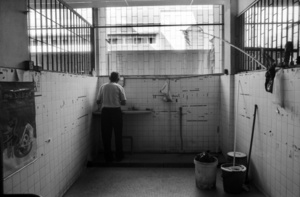
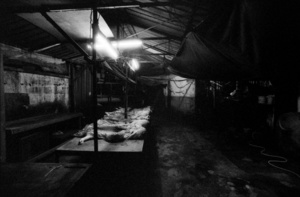
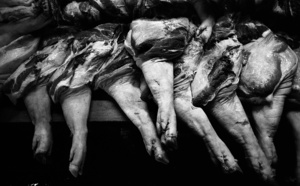
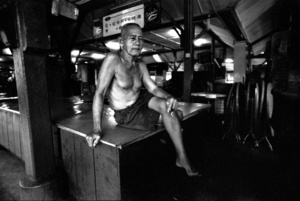
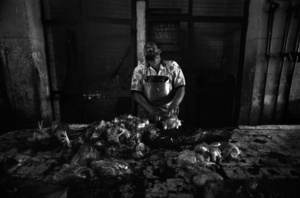
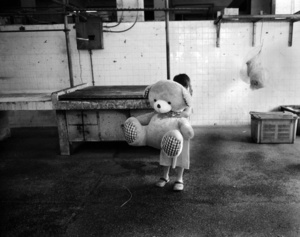
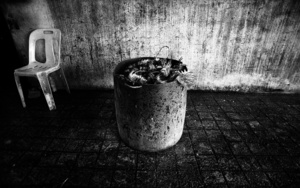
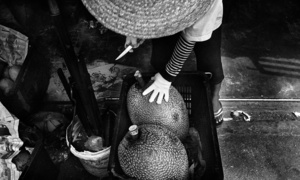
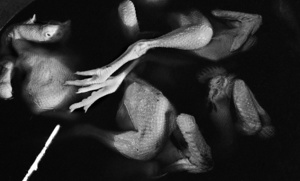
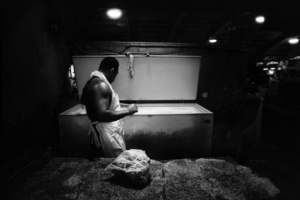
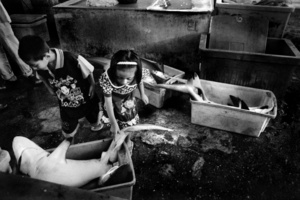
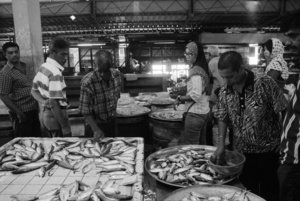
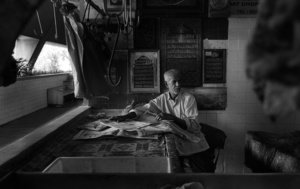
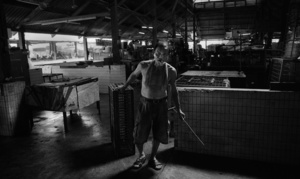
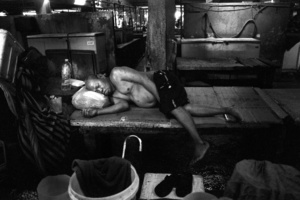
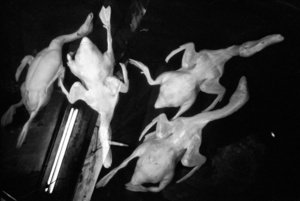
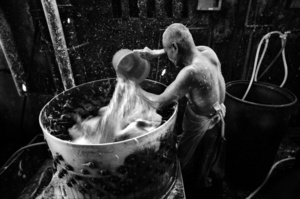
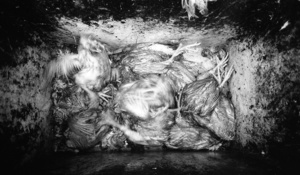
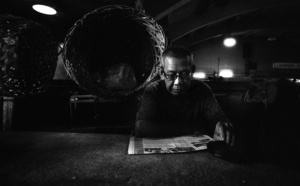
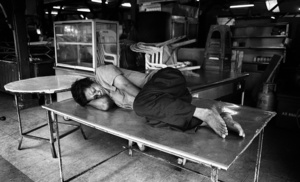
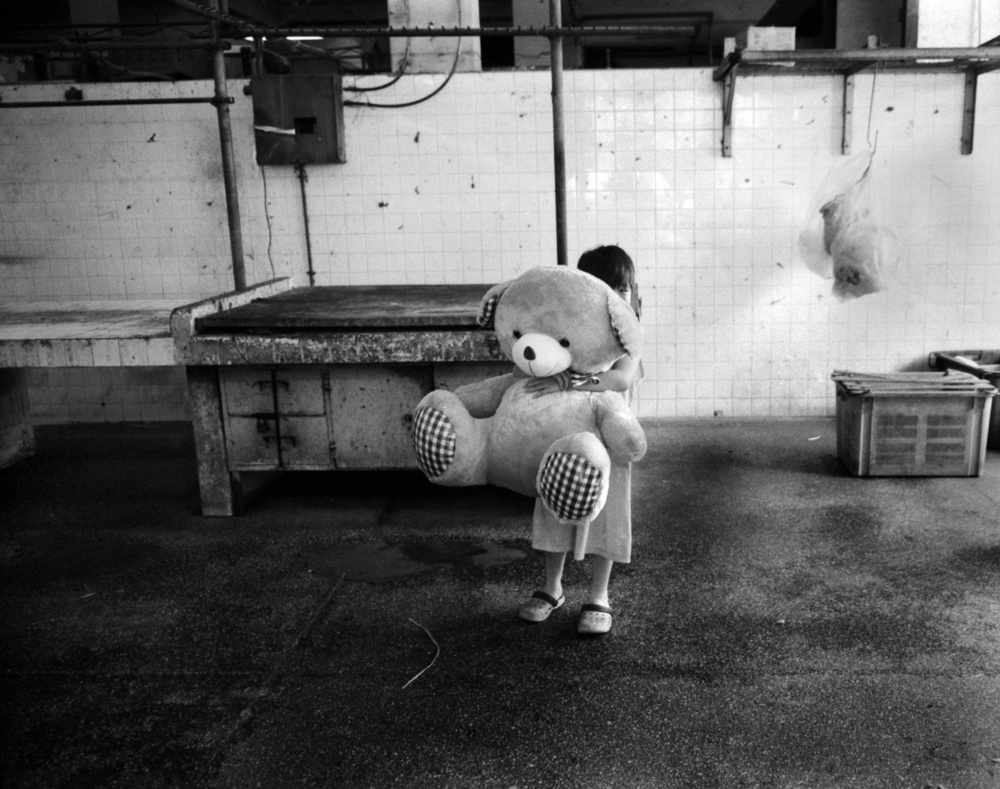
There is a wet market in every kampong, town and city in Malaysia. Wet markets are more than just a source of cheap and fresh food—they lie at the heart of their respective neighbourhoods and serve as communal touchstones for all who live there. From an architectural perspective, most of these markets are also intriguing heritage spaces. As more of them are closed down, it has been bittersweet to see what has sprung up in their place: buildings which are devoid of generational history, and which segregate the various ethnic communities rather than bring them closer. Perhaps all this is inevitable. Supermarkets are a fact of modern life, and on the surface they also seem to be a more hygienic option since there are no puddles of blood and offal to wade through. But I think that argument will continue to lose ground with every fresh scandal about modern abattoirs supplying supermarkets with tainted or rancid meat. Wet markets are not cloaked by the anonymity that supermarkets run on. You can establish a relationship with traders who earn your trust by selling only quality products. It also seems only fair and honest that we see and acknowledge what goes on before the pig, cow, duck or chicken ends up on our plate. I began photographing Malaysian wet markets as part of a Malaysian film photography exhibition in 2012. As more and more of these markets began to make way for modern shopping facilities and other development plans, I realised it was important to document them before they vanished altogether.
No categories selected
Photos (24)