
Unfortunately, It was Paradise

Photos (25)

Cover
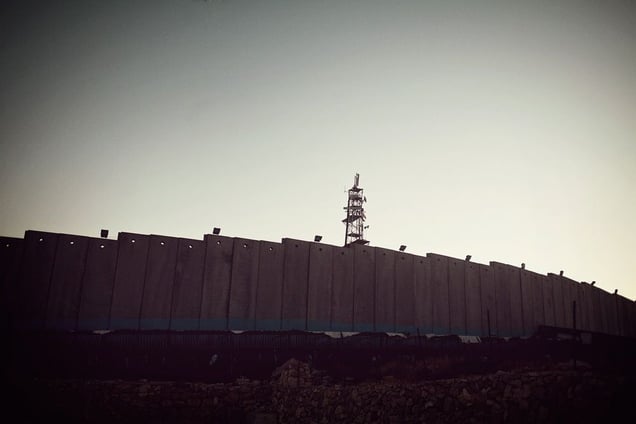
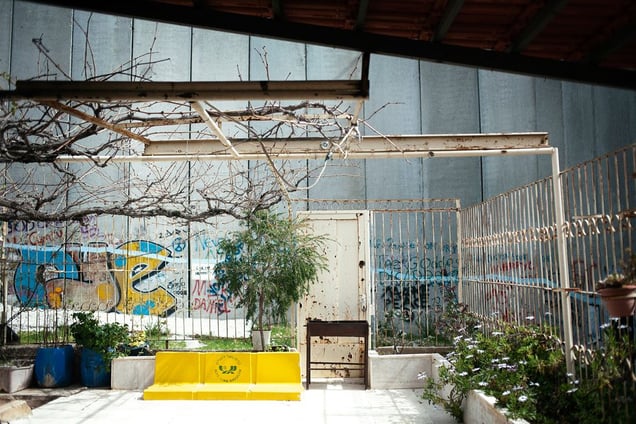
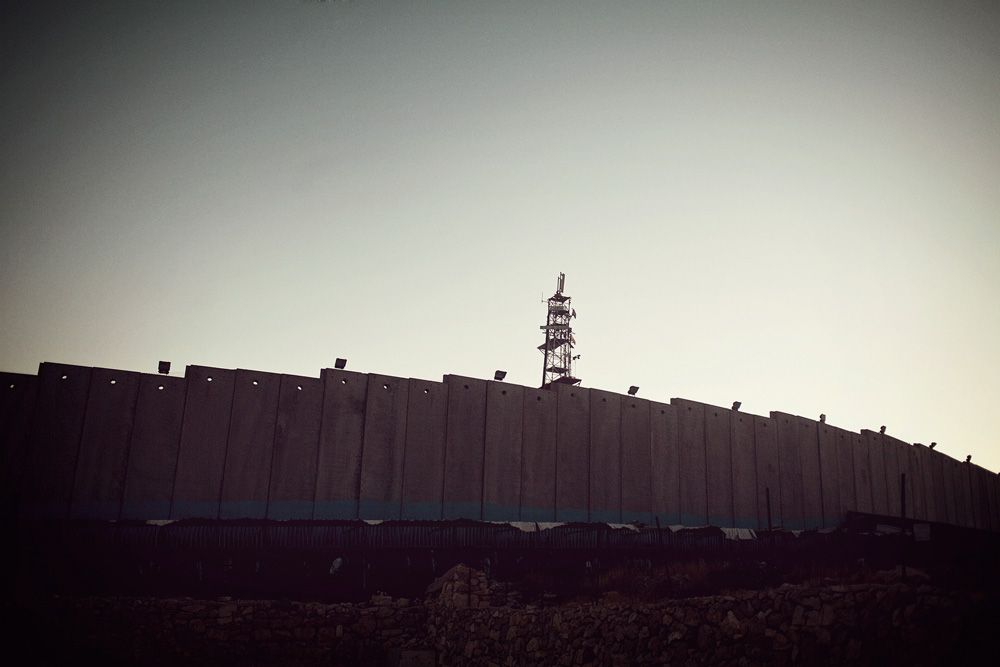
The Barrier. Bethlehem. July 2011 © Lars Håberg
File: 1.jpg
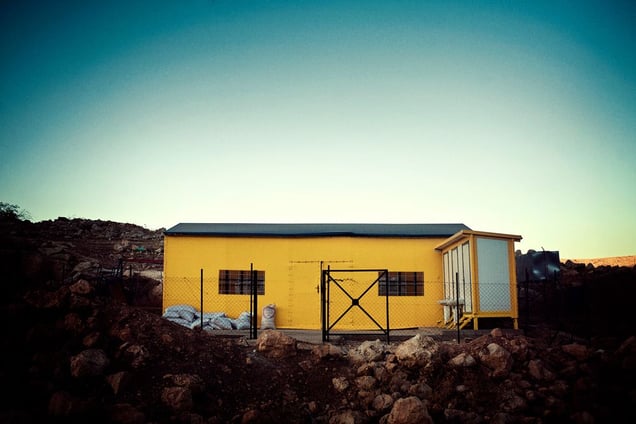
School, Khirbet Tana. A Bedouin village that has been demolished by the Israeli civil administration six times since 2005. Water is cut off and vehicles have been confiscated. The school is now the only standing building and has been rebuilt as a tent by an NGO. June 2011 © Lars Håberg
File: 2.jpg
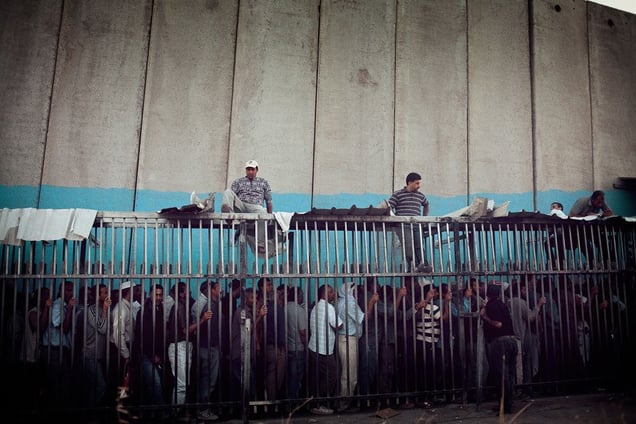
Morning commuters stand in line outside the checkpoint in Bethlehem at 5 a.m. The men at the top are cutting in line. July 2011 © Lars Håberg
File: 3.jpg
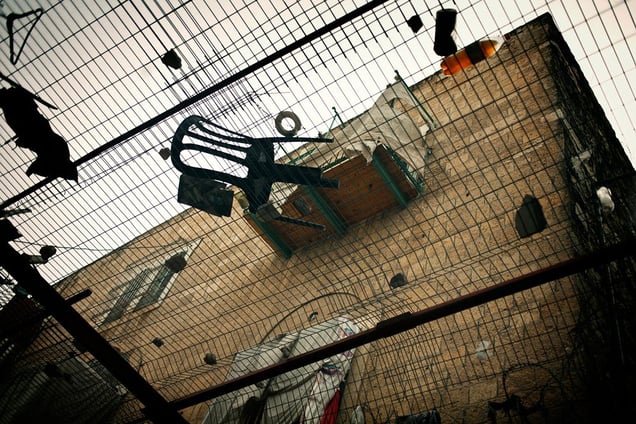
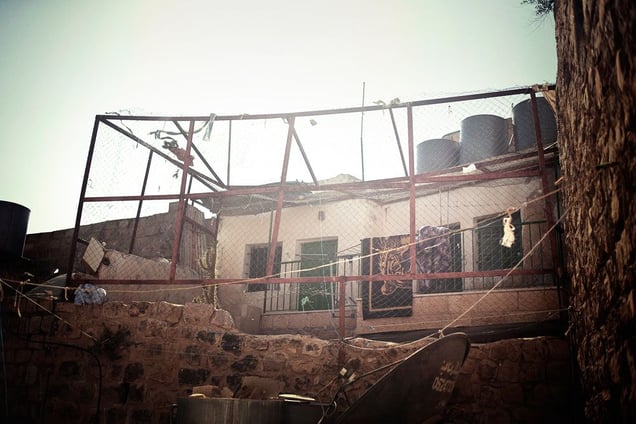
Hebron. Roof fence over the Old City of Hebron, to protect Palestinians on street level from being hit by litter, stones and even bottles containing urine, thrown at them from the Israeli settlers who occupy the living units above street level in the houses next to the street. April 2010 © Lars Håberg
File: 4.jpg
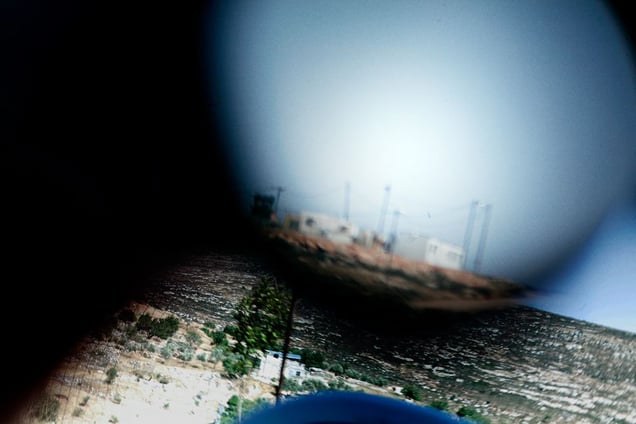
An outpost of the settlement of Itamar, seen through binoculars from the neighboring Palestinian village, Yanoun. Upper Yanoun was evacuated in October 2002 due to settler harassment. The villagers moved back in June 2003, but are relying on international volunteers to be able to live there. June 2011 © Lars Håberg
File: 5.jpg
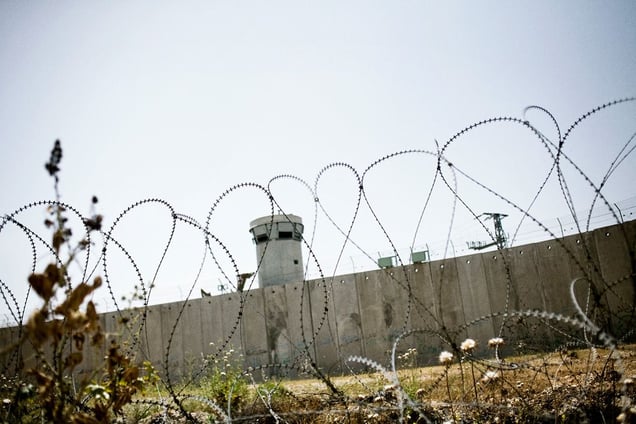
The Barrier in Qalqiliya surrounds the city on all four sides and denies many of the citys residents access to their agricultural land. Qalqiliya has the highest unemployment rate in the West Bank. April 2010 © Lars Håberg
File: 6.jpg
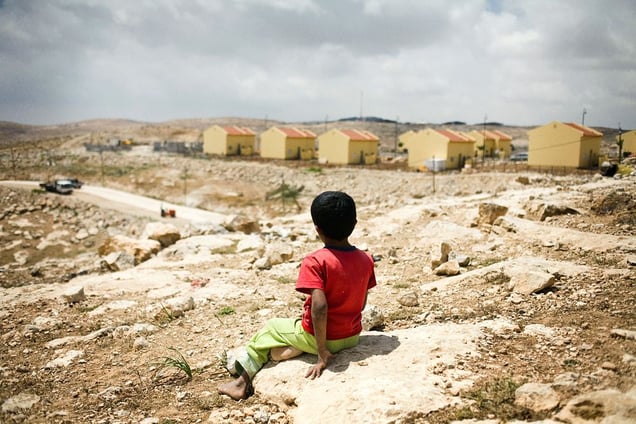
Bedouin boy watching the building of the Carmel settlement on land that his community claims ownership over. South Hebron Hills. April 2010 © Lars Håberg
File: 7.jpg
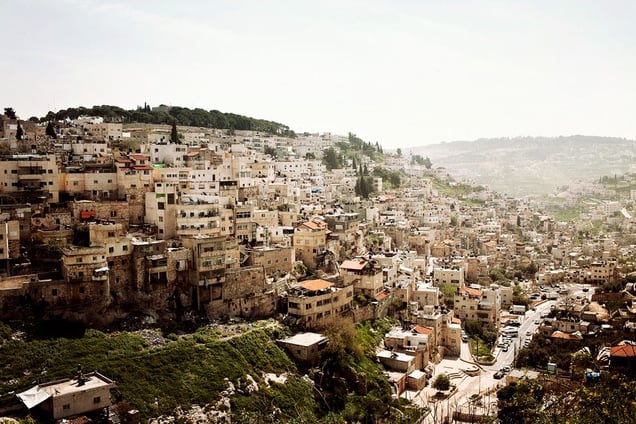
Silwan, East Jerusalem. Many of these buildings have a standing demolition order, the municipality wants to clear the area and build a park for recreational purpose. More than 1,000 Palestinians are at risk of losing their homes. Since the year 2000, more than 1,100 Palestinian homes have been demolished in East Jerusalem. Palestinians build illegally because its almost impossible for them to obtain a building permit in Jerusalem. They either have to build illegally, or move out of the city. The estimated number of outstanding demolitions is up to 20,000. March 2010 © Lars Håberg
File: 8.jpg
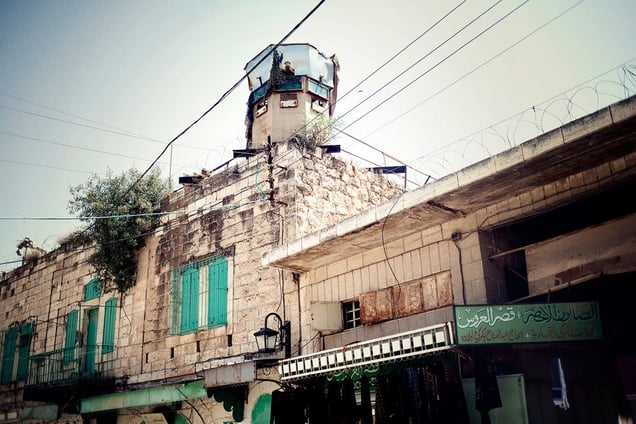
Hebron is the only city in the West Bank where settlers have moved in to the city center. The settlers are accompanied by somewhere between 1,500 and 2,000 Israeli soldiers. The estimated number of settlers in Hebron is 400 to 600. July 2011 © Lars Håberg
File: 9.jpg
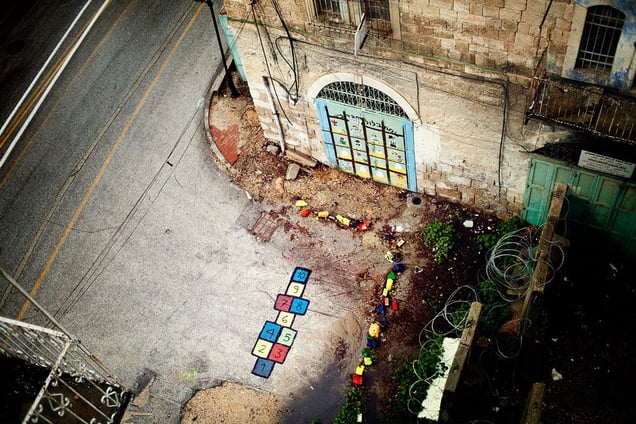
Unused playground in Shuhada Street, Hebron. Many of the streets in the Old City of Hebron have been completely shut off from the Palestinian residents, and only Israelis can access them, being labeled as sterile street by the army. There are about 110 roadblocks, closures and checkpoints put up by the Israeli military in the Old City of Hebron. January 2010 © Lars Håberg
File: 10.jpg
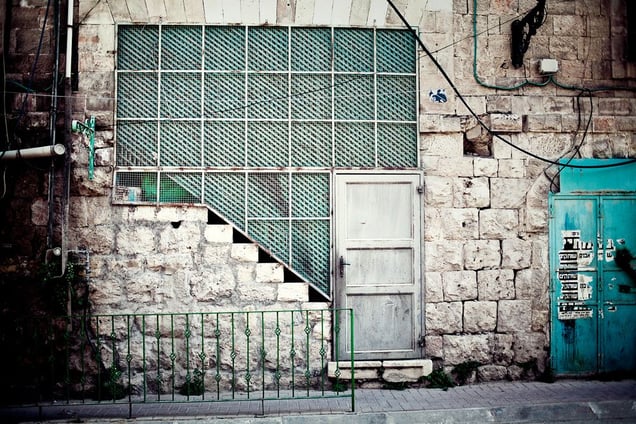
Abandoned Palestinian home in Shuhada Street, Hebron. July 2011 © Lars Håberg
File: 11.jpg
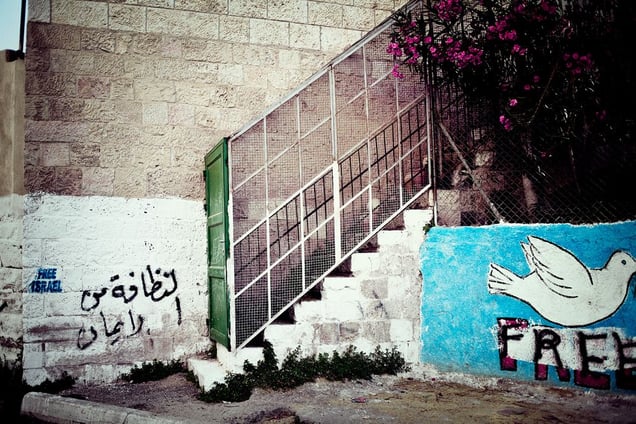
A caged entrance to a Palestinian school in Hebron. The cage is there to protect the children from settler harassment. It is not uncommon that Palestinian children are escorted back and forth from school by volunteers from international NGOs. July 2011 © Lars Håberg
File: 12.jpg
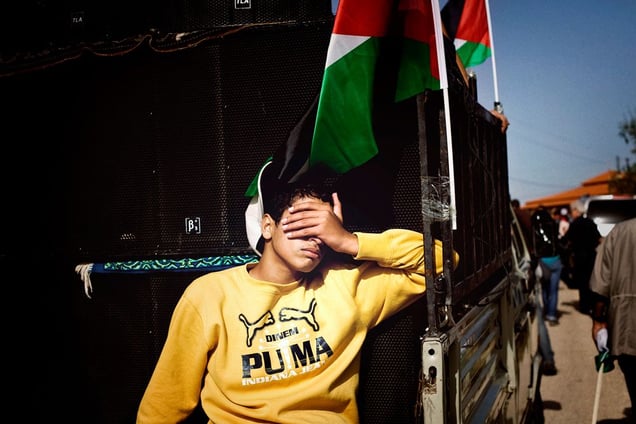
A Palestinian teenager hitching a ride away from the weekly demonstration against The Barrier, which is being built on land owned by the villagers of Bilin. February 2010 © Lars Håberg
File: 13.jpg
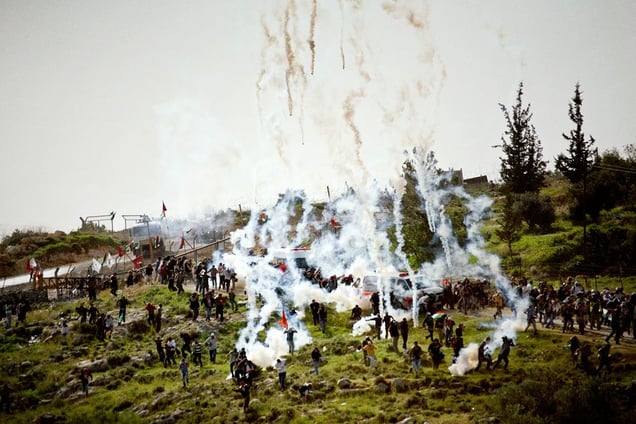
Weekly demonstration against The Barrier in Bilin. Palestinians, internationals and Israelis participate in this demonstration every Friday. The Barrier (a fence) is seen in the background. The Israeli army uses tear gas and skunk to disperse the demonstrators. February 2010 © Lars Håberg
File: 14.jpg
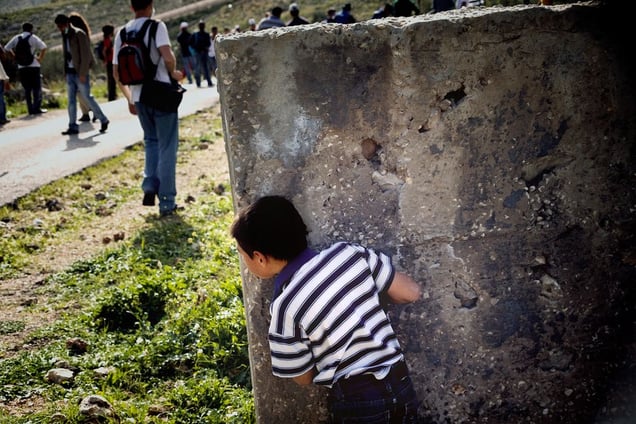
A boy hiding from tear gas and sound grenades in Bilin. 36.4% of minors in the West Bank suffer from post-traumatic stress disorders. February 2010 © Lars Håberg
File: 15.jpg
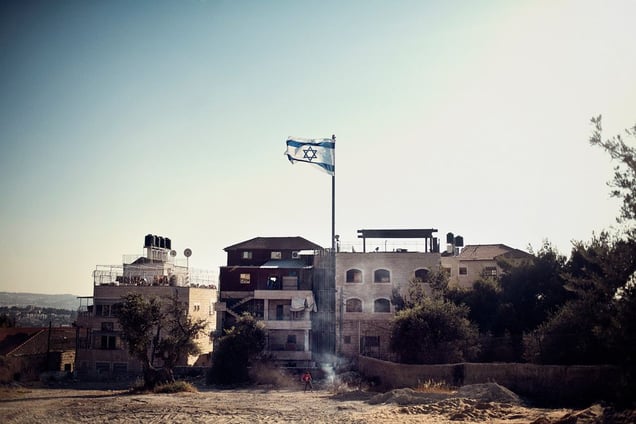
The Israeli settlement, Beit Hahoshen (the building with the flag), on the Mount of Olives in East Jerusalem. The Palestinian man who allegedly sold the property to the settler organization Elad, possibly via Jordanian middlemen, was brutally killed a few weeks later. June 2011 © Lars Håberg
File: 16.jpg
Palestinian home in Hebron protected from settlers across the road with a cage of chicken wire. July 2011 © Lars Håberg
File: 17.jpg
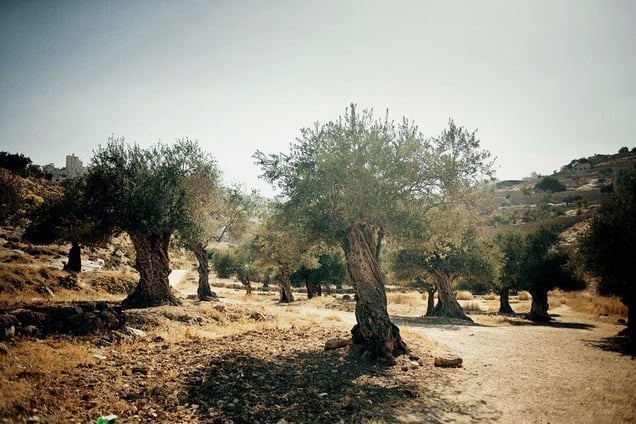
Since 2001. Israel through its military and settlers in the West Bank and Gaza, has uprooted, burnt and destroyed more than 548,000 olive trees that belong to Palestinians. The uprooting of the ancient olive trees, as a byproduct of war, has had tremendous effects on the Palestinian agriculture, economy, and identity. June 2011 © Lars Håberg
File: 18.jpg
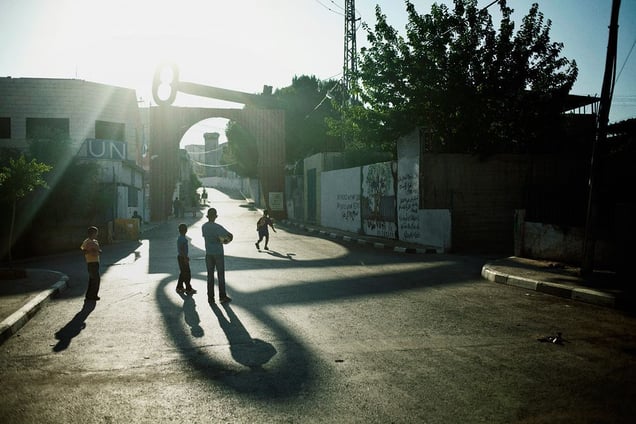
Aida refugee camp, in Bethlehem, has a population of more than 4,700 and covers an area of 0.71 square kilometers. About 4.7 million Palestinians are considered refugees by the UN. About one million Palestinian refugees reside in refugee camps throughout the Middle East today. There are about 11 million Palestinians in the world, and only about 3.5 million reside in the West Bank and Gaza. July 2011 © Lars Håberg
File: 19.jpg
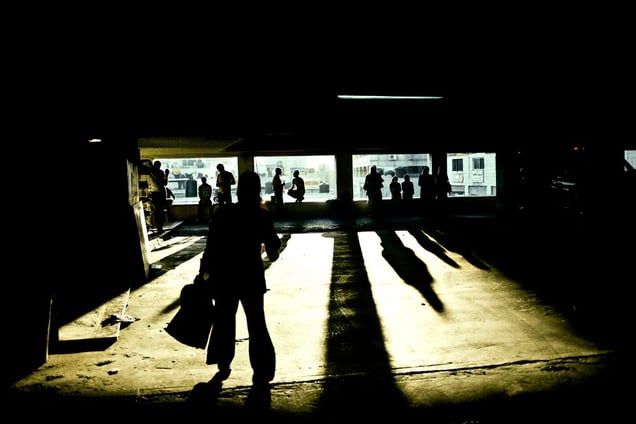
Bus station Ramallah. October 2009 © Lars Håberg
File: 20.jpg
The Barrier goes all the way in to the core of Bethlehem. It zigzags in between houses and along roads. The route of The Barrier and the regime of access and movability it imposes on Palestinians have been deemed contrary to international law by the International Court of Justice. March 2010 © Lars Håberg
File: 21.jpg
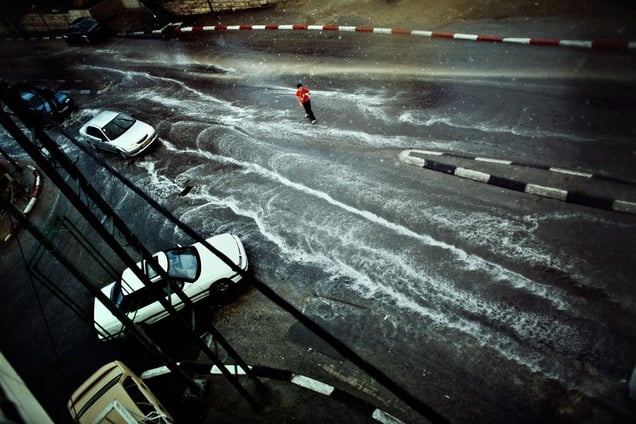
Heavy rainfall. Beit Sahour. September 2009 © Lars Håberg
File: 22.jpg
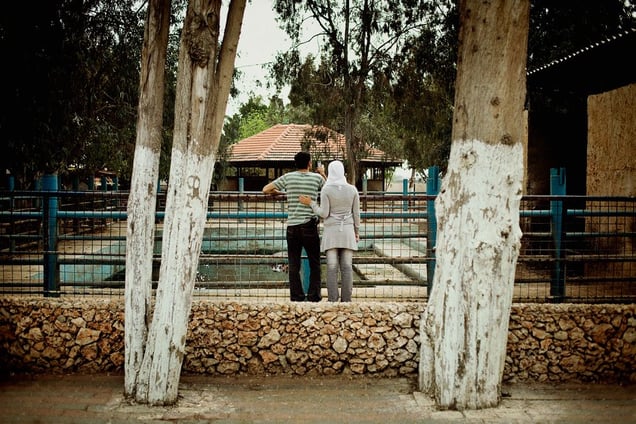
A young couple looking at a hippo in the zoo in Qalqiliya. April 2010 © Lars Håberg
File: 23.jpg
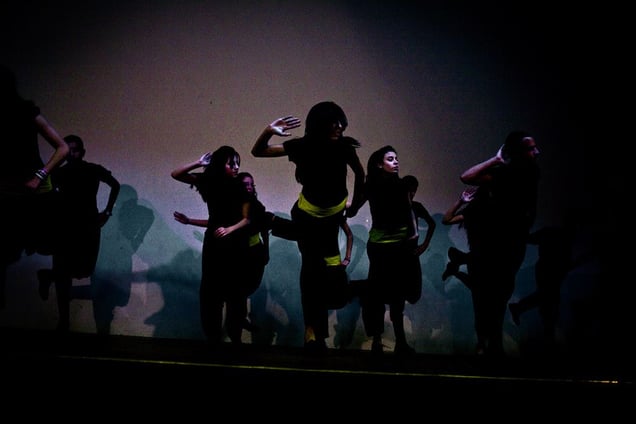
Palestinian folk dance, Dabke, is a very popular leisure activity amongst Palestinian youth. It holds great national symbolism. October 2010 © Lars Håberg
File: 24.jpg
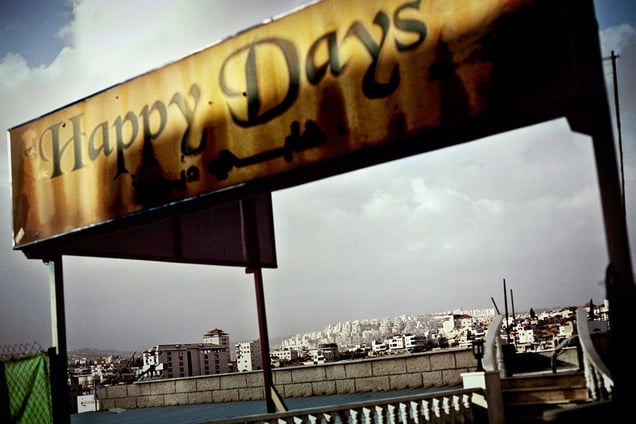
Closed restaurant in Beit Sahour. The controversial Israeli settlement Har Homa in the background. November 2010 © Lars Håberg
File: 25.jpg