Eugenie
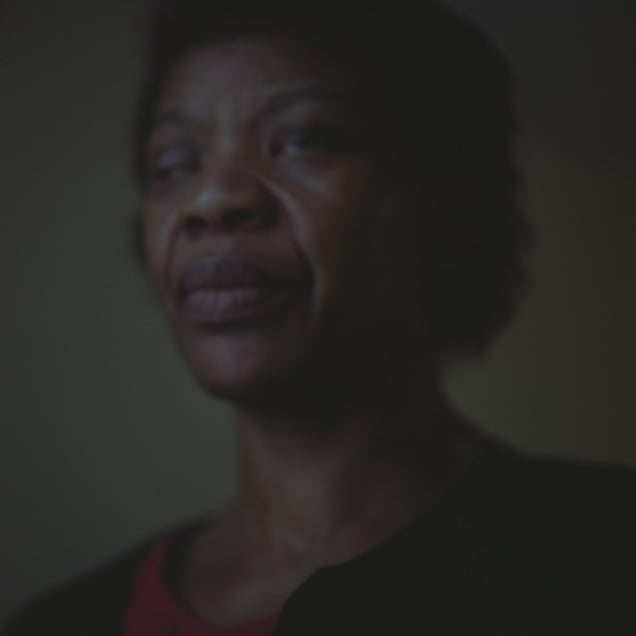
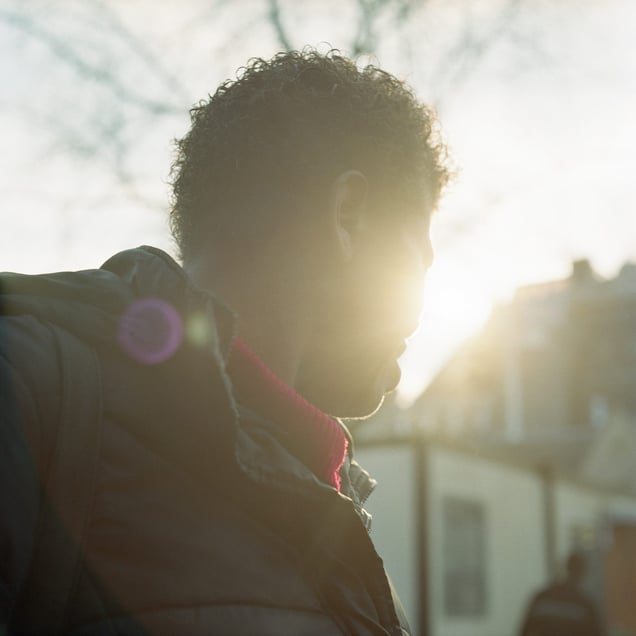
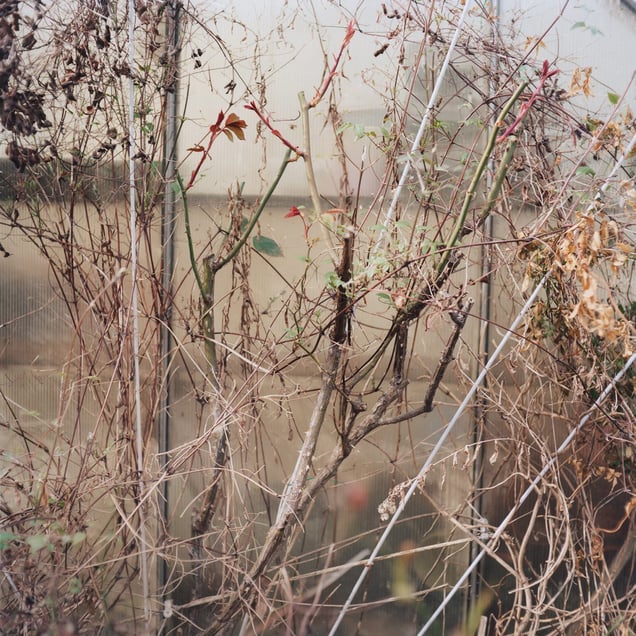
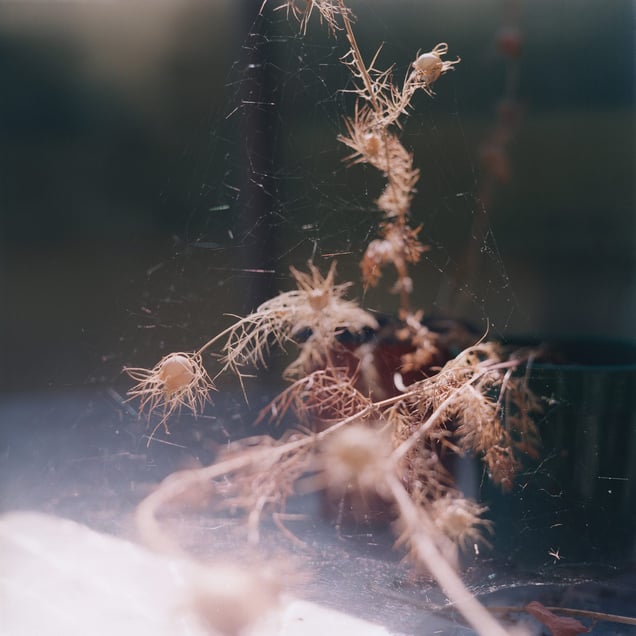
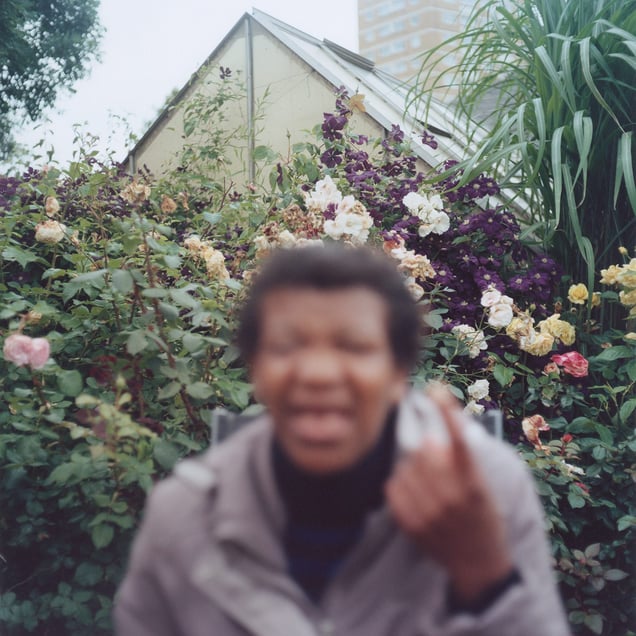
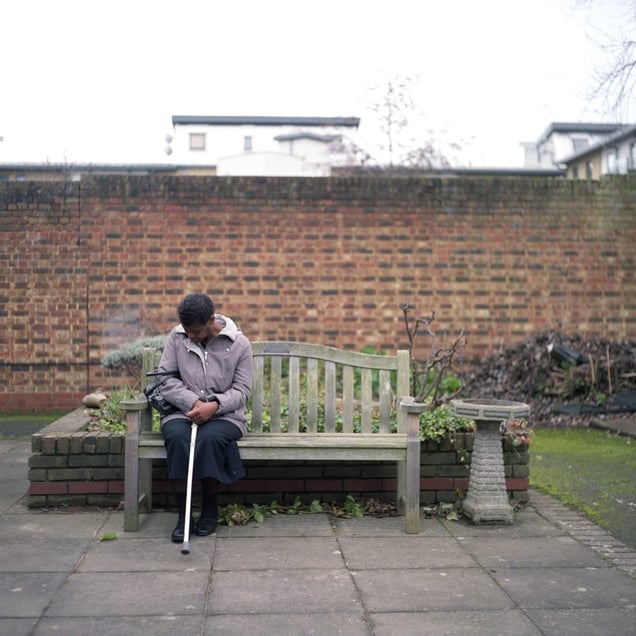
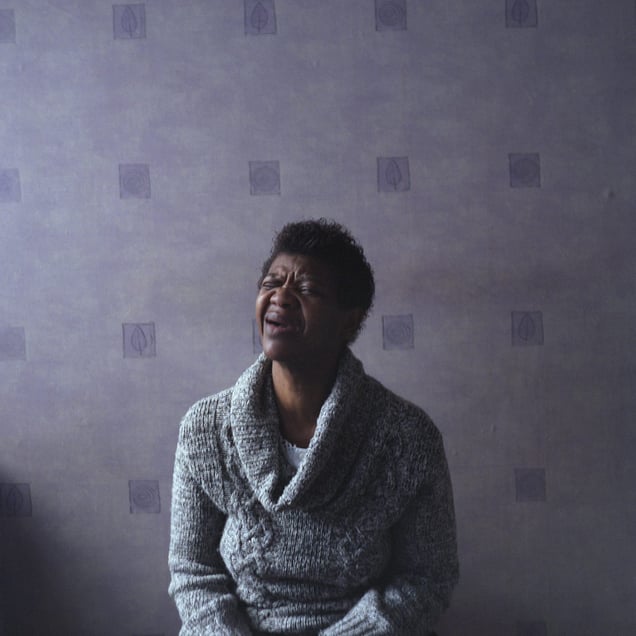
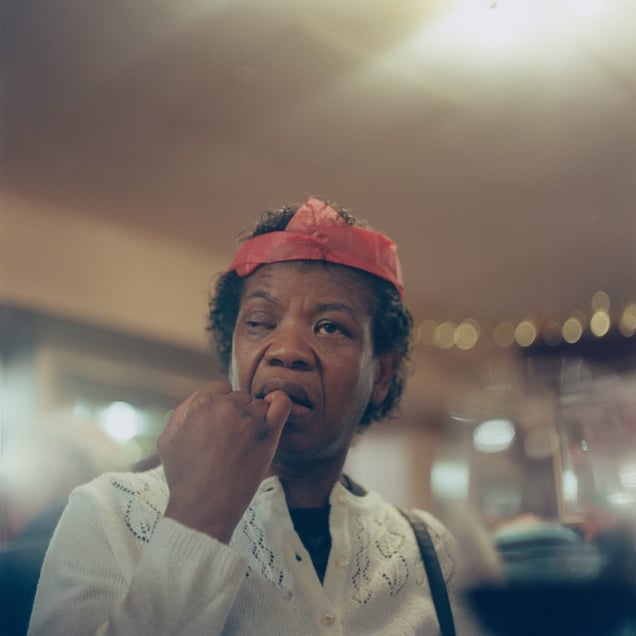
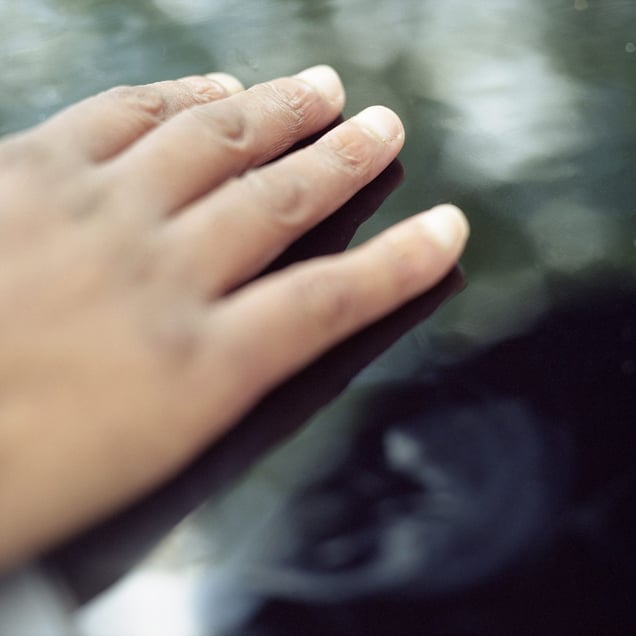
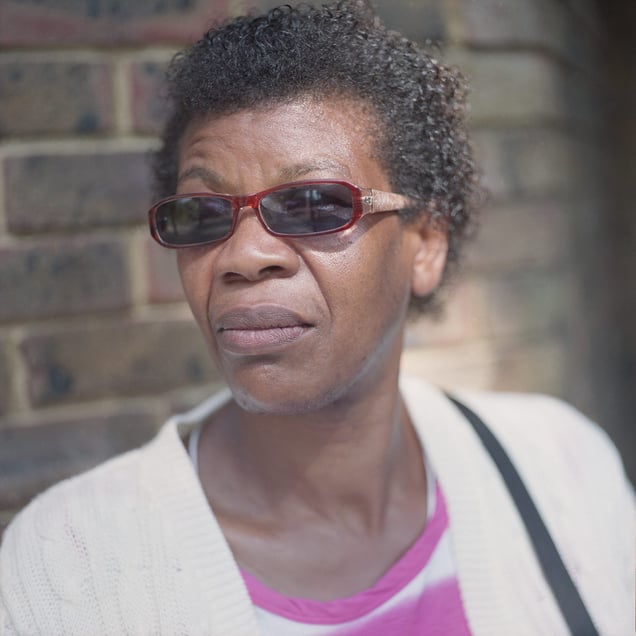
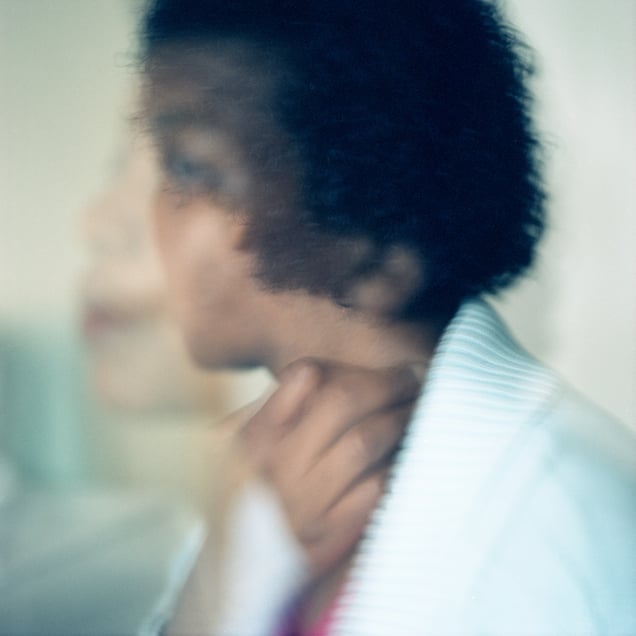
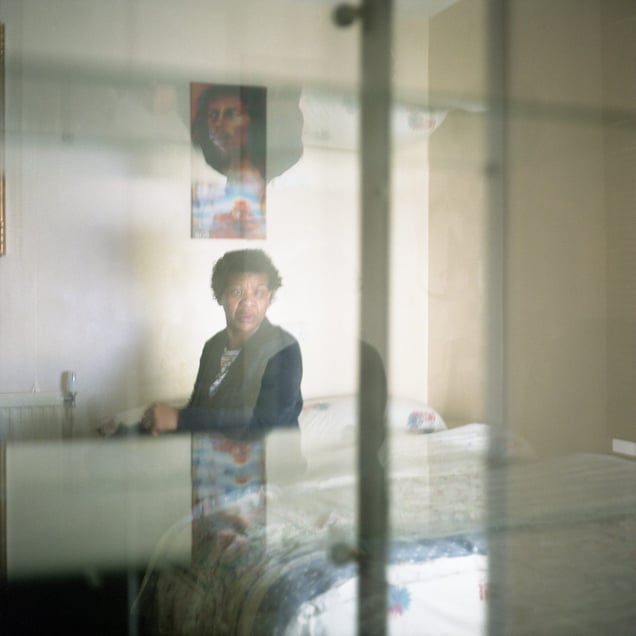
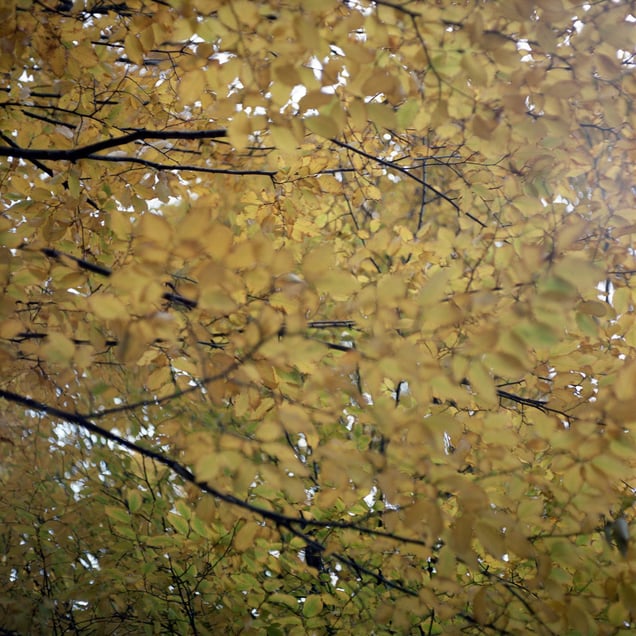
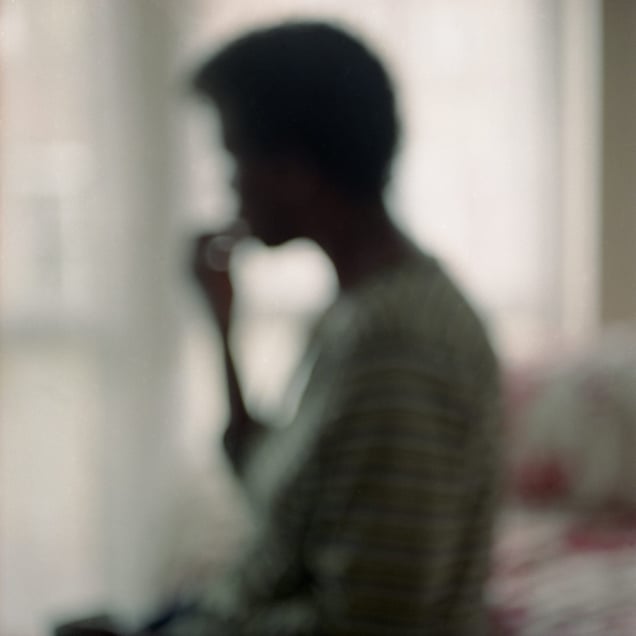
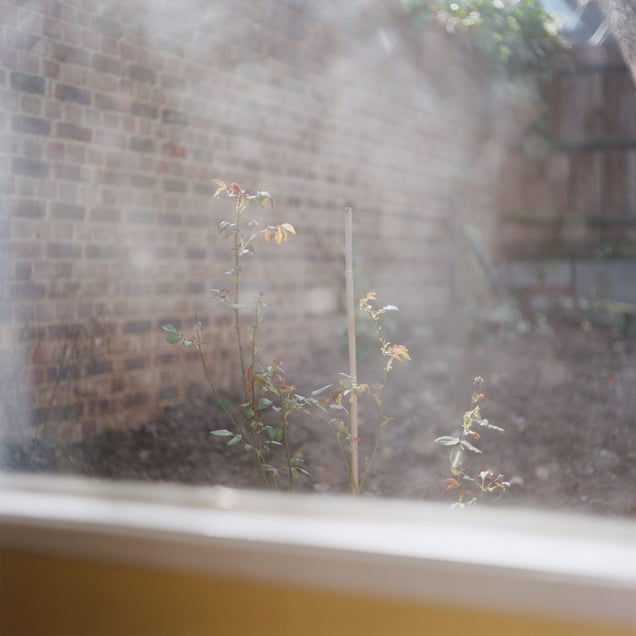
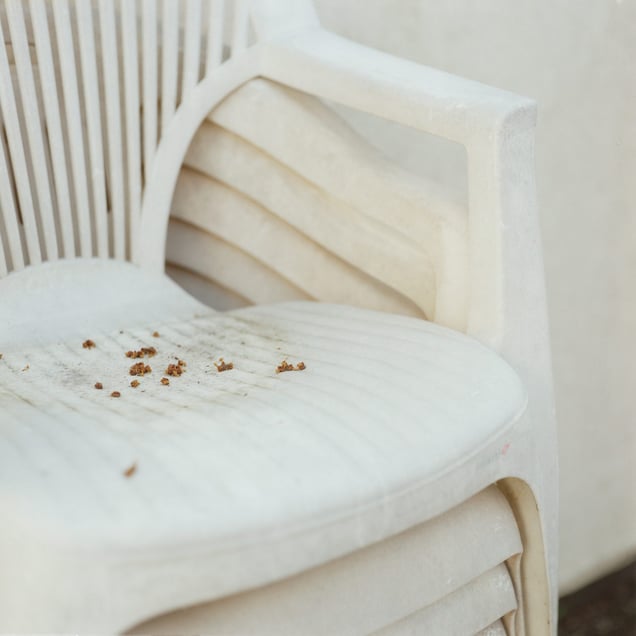
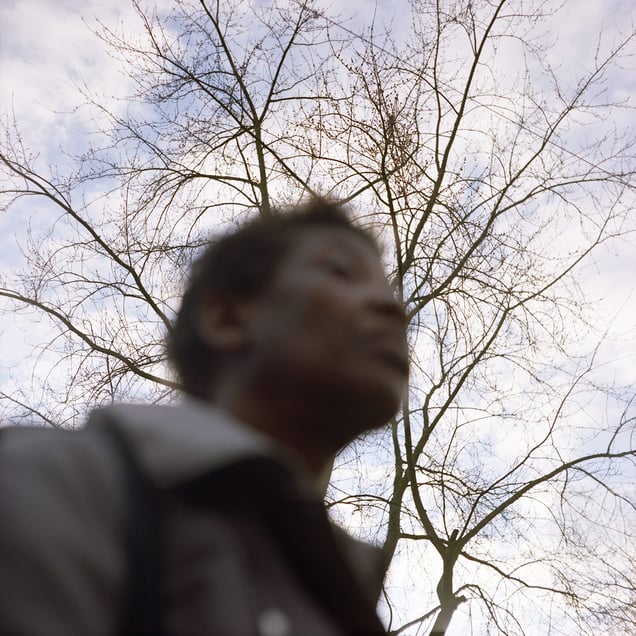
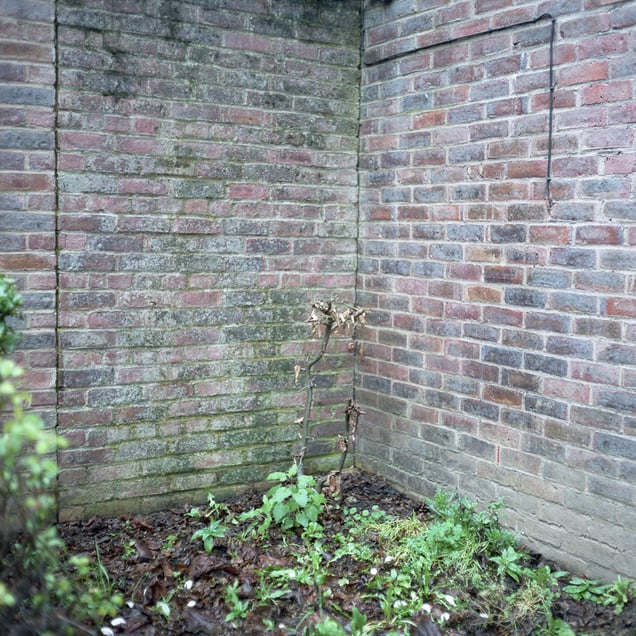
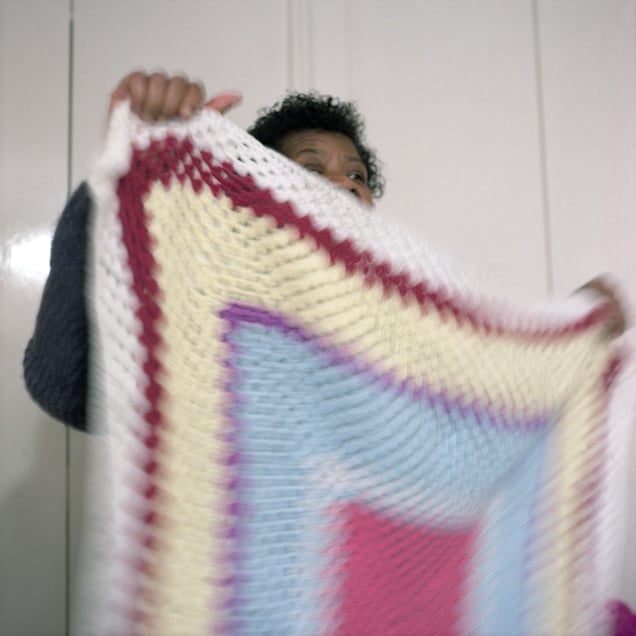
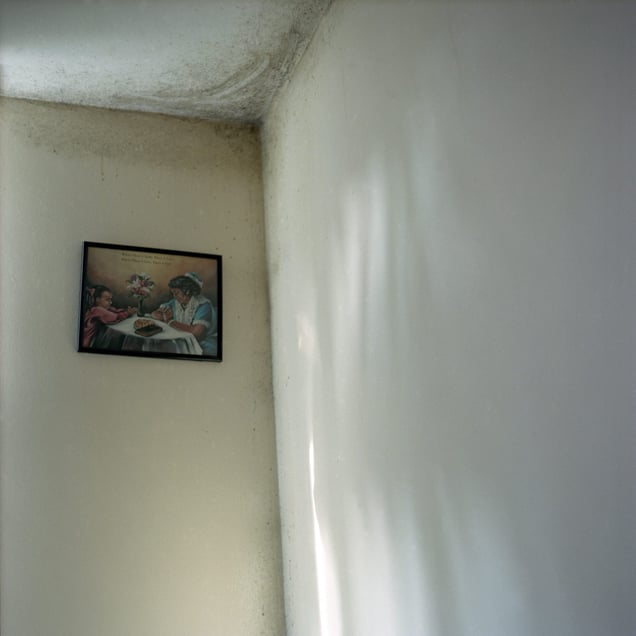
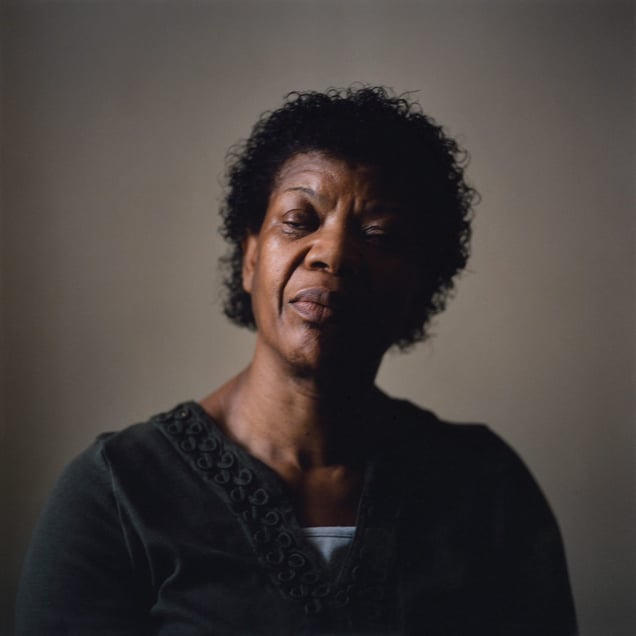
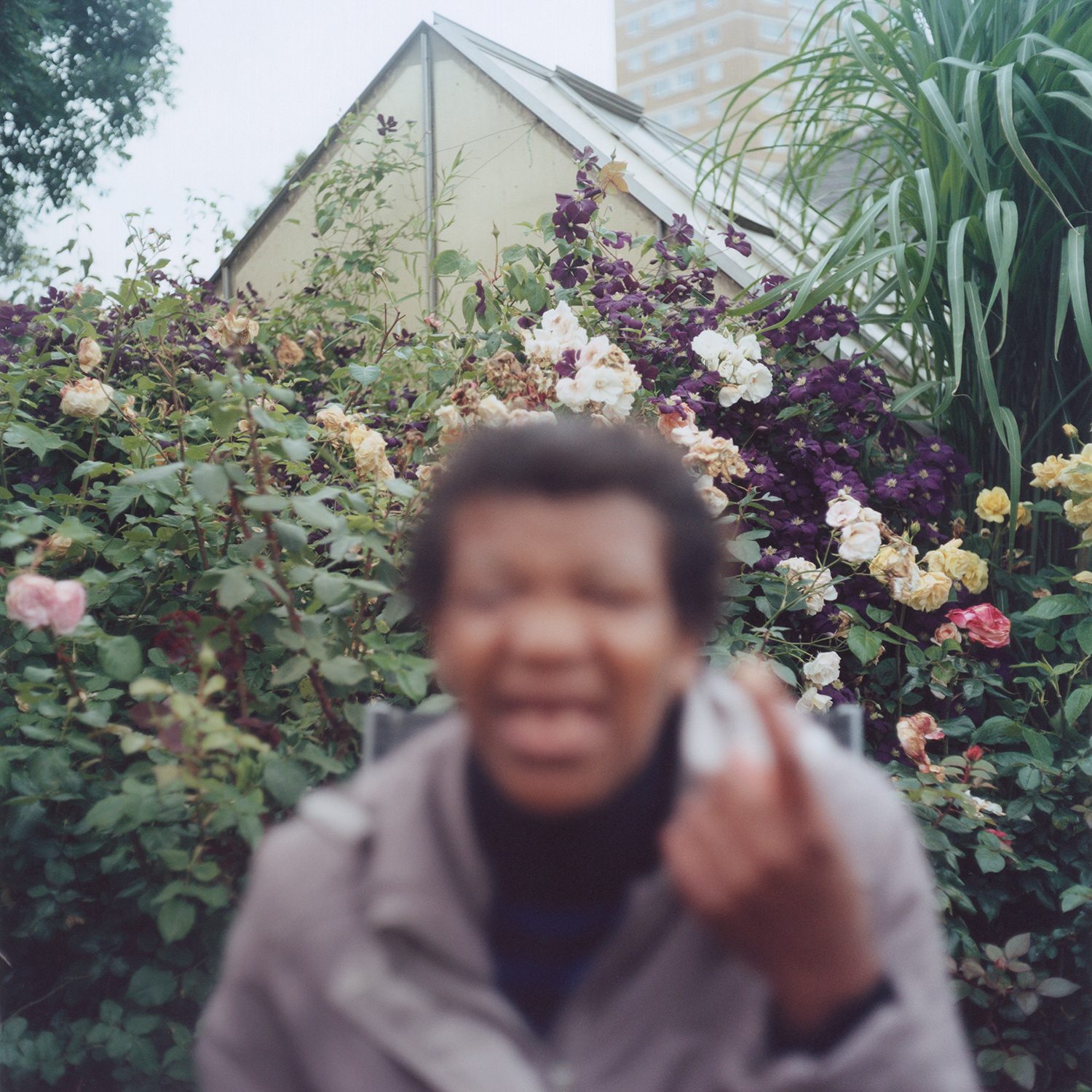
Eugenie unexpectedly suffered from a stroke in her forties, which left her severely visually impaired and stole large parts of her memory. She still isn’t sure of her age. I met her ten years later, during a time when I was experiencing my own darkness through grief and loss. I was introduced to Eugenie through the Haringey Phoenix Group, a North London based charity for blind and partially sighted people. I started to visit her once a week, and carried on for three and a half years, watching her continuously transition into a different way of the same life. My camera allowed me to stare at her and immerse myself in her anxiety, her grief, sadness, relentless frustration, her determination, strength, fragility and her joy, without her looking back at me. I invited the reality of human imperfection to seep through my lens, revealing as much as I could about Eugenie and myself with honesty, and I let go of trying to fill the void between expectation and reality. Eugenie became a beautiful subject, my friend, and a vessel, who allowed me to produce a series of emotional observations of her and of myself without a sense of narrative or linearity. Rather, I spent my time immersed in repetition, drifting in circles, whilst trying to move on, as I watched her do the same. The work is a truth, whether it is Eugenie’s, mine, or a blur of both. When I look back, my grandmother is in every picture.
No categories selected
Photos (27)