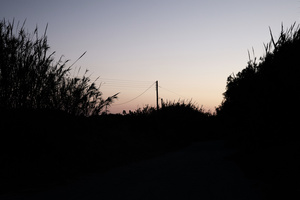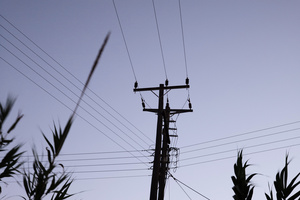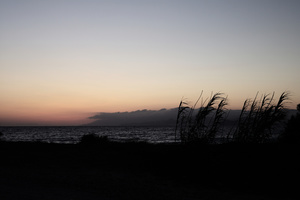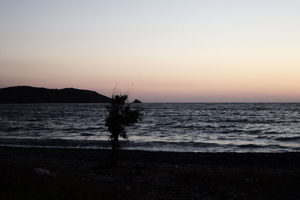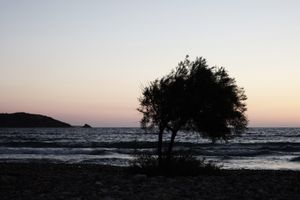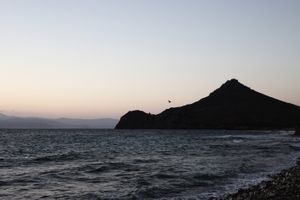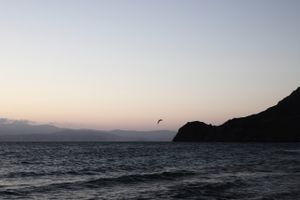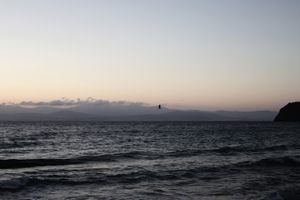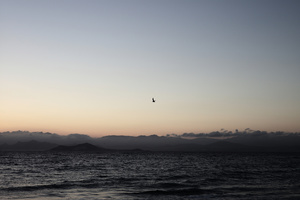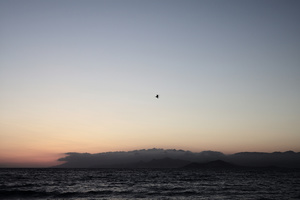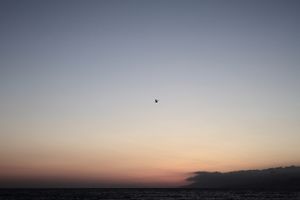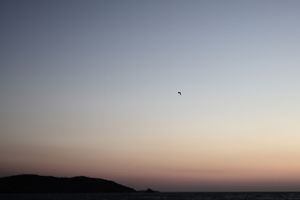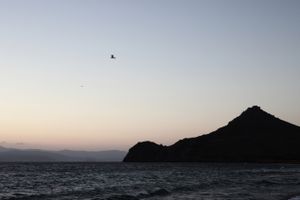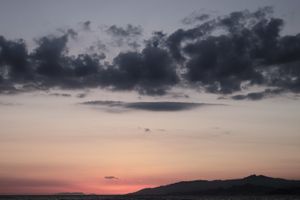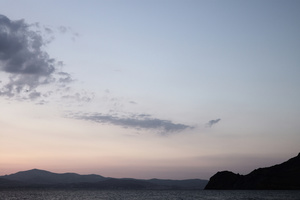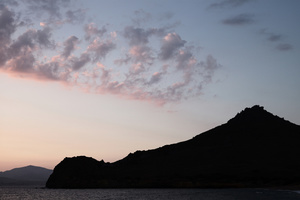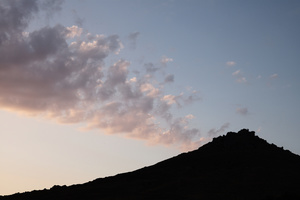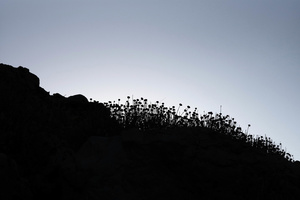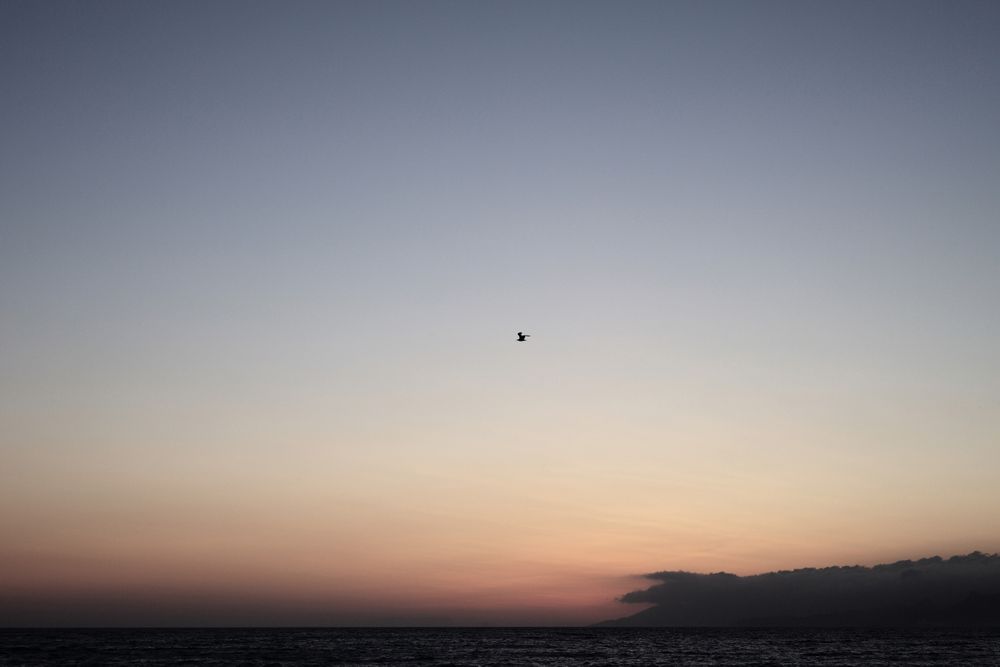

37° 04′ 60.00″N 25° 08′ 60.00″E
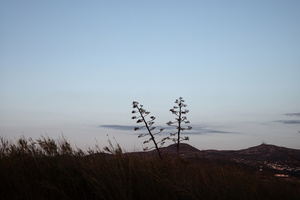
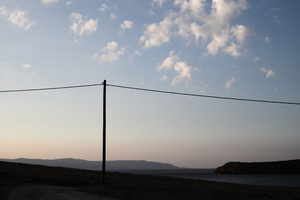
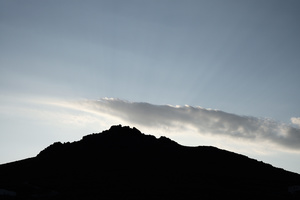
WGS 84 (2016) a working progress... geodaesia The starting point for this work is autonomous wandering; abstract space positioned as in navigation. Within her introduction to Land Matters, Liz Wells proposes that biologically, we are an integral element within the ecosystem and that our relation to the environment in which we find ourselves, and of which we form part, is multiply constituted and that the real, perceptions of the real, the imaginary, the symbolic, memory and experience, form a complex tapestry at the heart of our response to our environment, and, by extension, to landscape imagery. Elaborating on ‘space’ and ‘place’ she proposes ‘space’ as conceptually complex and etymologically slippery (and sometimes apparently contradictory) in that it may refer to that which is not known, and thus cannot be precisely categorized; for example expanses of land, or of time or a concept of ‘space’ that is not physical. WGS84 (GPS) is an earth-centered, earth-fixed terrestrial reference system that utilizes a language of realization, identification, definition, transformation and parameters to determine location. Employing WGS84 in referencing my autonomous wandering potential comprehensibility alludes to mapping the experiential, the real and the imaginary that cannot be cast in terms of logic, words or explanation.
No categories selected
Photos (31)