ATAVOS
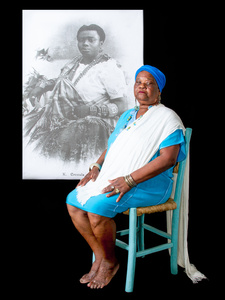
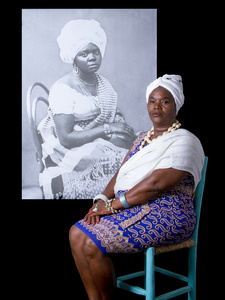
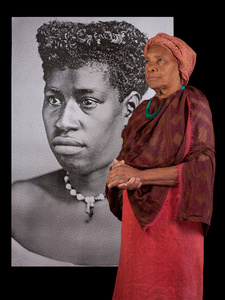
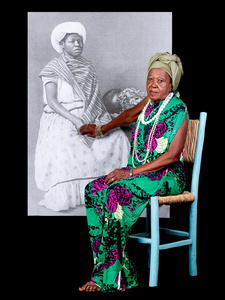
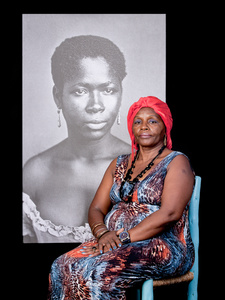
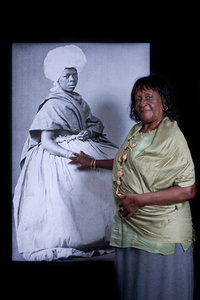
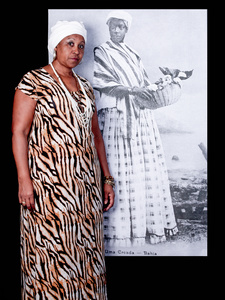
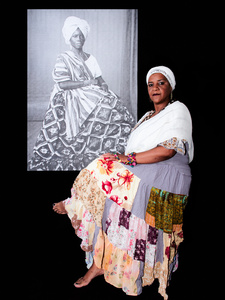
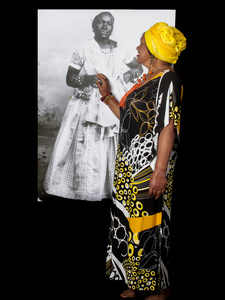
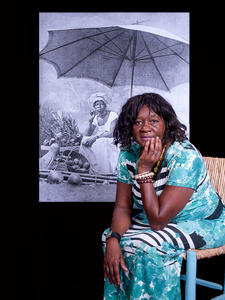
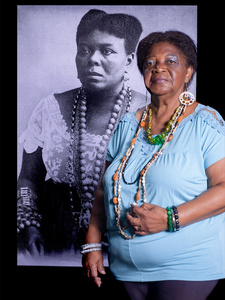
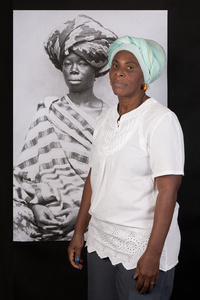
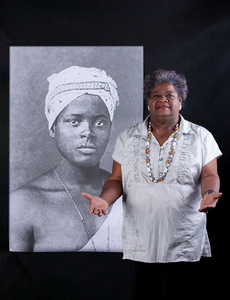
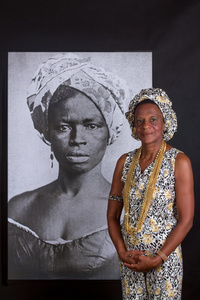
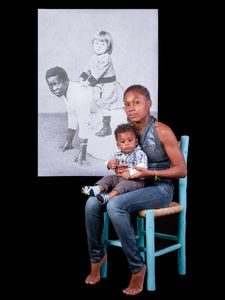
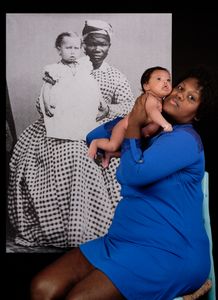
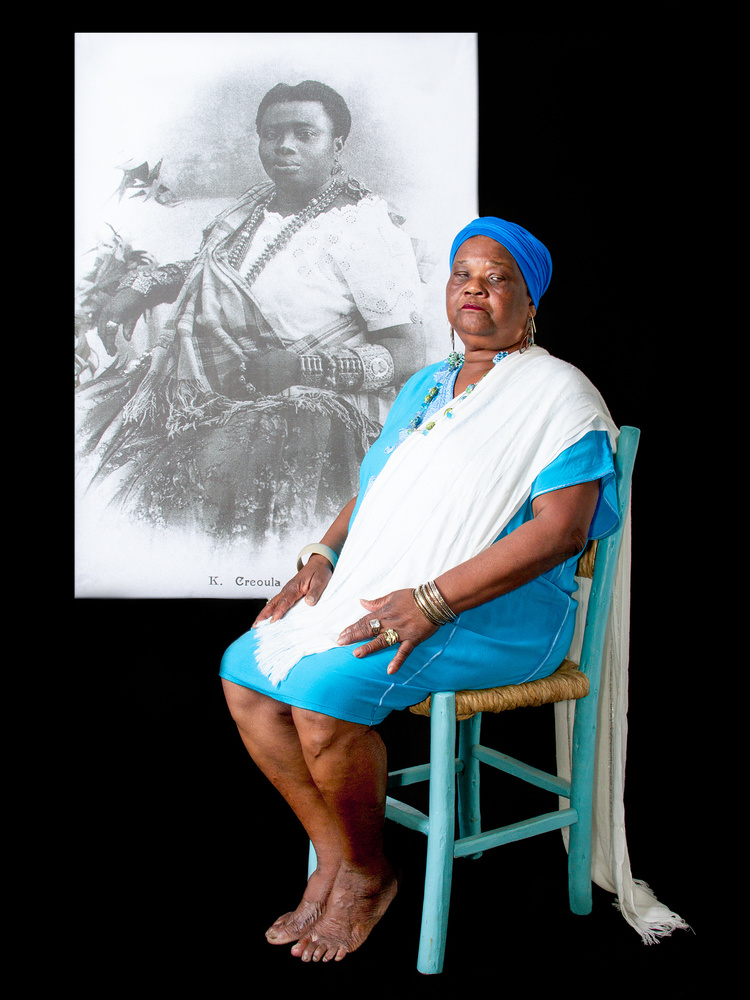
While living in Chile, my country of origin, I didn’t have any information about the slavery in Brazil. Upon my moving to Brazil in 1979, I began to have contact and subtly absorb the African-Brazilian culture, which is one of the pillars for the understanding of the Brazilian identity. The ATAVOS Project rescues the memory and the African-Brazilian culture through the photographic records made in the XIX century and the recent records of black women above 60 years of age. These ladies constitute the closest generation to their slave ancestors, many still having memories of their slave grandparents and great-grandparents, making slavery still quite recent. As a photographer I have developed projects with this group of elderly black women in the town of Salto in Brazil, since 2010, and at the same time I have started research on black women who were photographed during the XIX century, with the intent of rescuing the origin and a little more about the history of the black population in Brazil. I presented several registries of slaves of African descent to this group of women and asked them to tell me who they identified with, perhaps someone who could be their ancestor. Each woman was photographed holding one of the images. Past and present were connected at the same instant. The rescuing of the history of the Brazilian Afro-descendant culture and its affirmation. I believe that these women must be the very last registries of living memory from the slavery period in Brazil, as they coexisted with their enslaved grandparents and great-grandparents. Within the ATAVOS project the images of the wet nurses, who left their own babies aside to nurse their lords’ offprings, called my attention to the roll of women in the slavery society in a strong manner. So that the slave could be transformed into the black mother of the white child, their choice of becoming mothers themselves was denied. Also, at that time, the white mothers didn’t breastfeed their own white babies. Memories, myths and history have laid new paths for reflection in my life and in the lives of these women through this work, giving the opportunity for this issue that touch us all so much to be furthered and deepened.
No categories selected
Photos (20)