
The Syrian Refugee Crisis
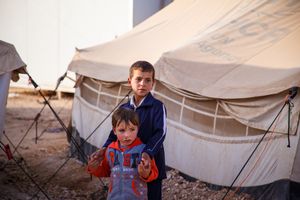
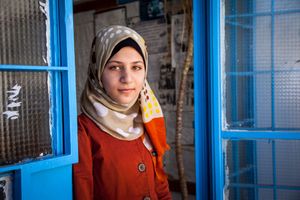
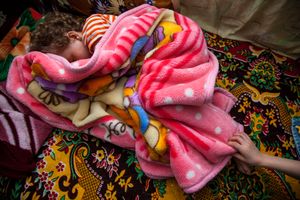
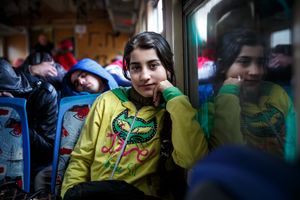
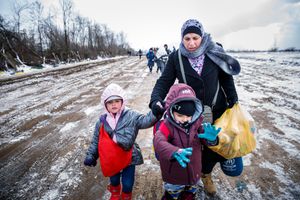
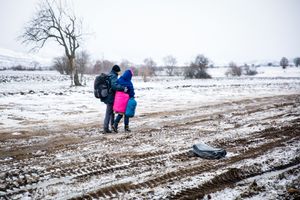
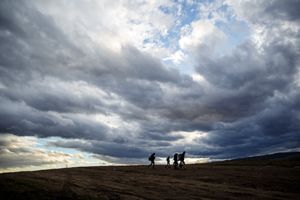
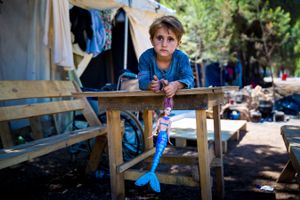
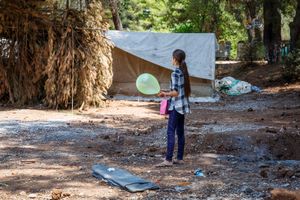
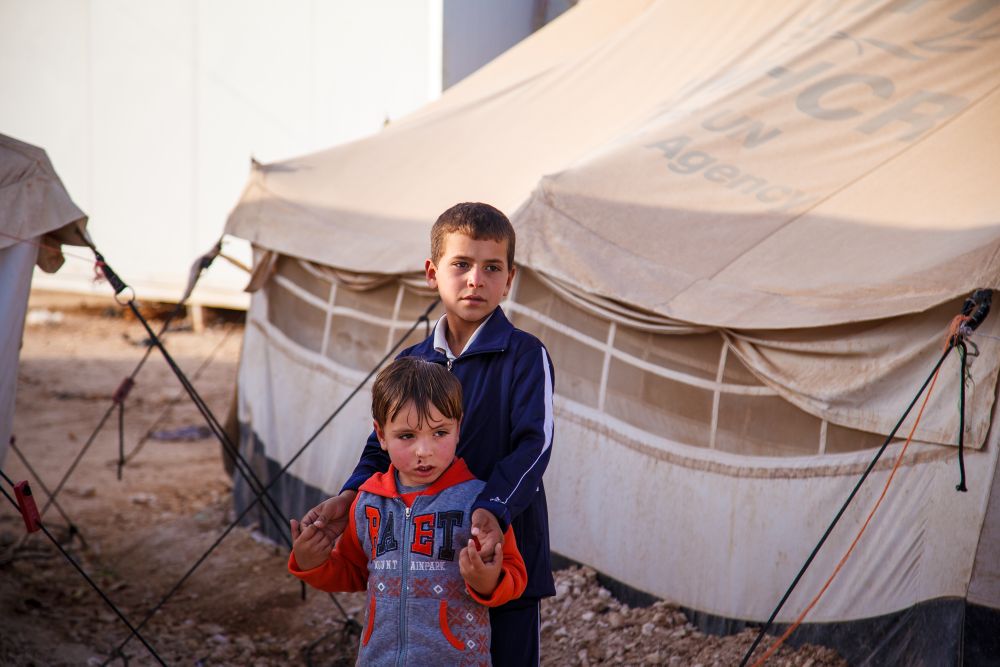
I feel compelled to help refugees whose lives have been destroyed by the Syrian conflict. And with dozens of close relatives enduring the horrors in their hometown of Damascus, I have a personal connection to the crisis. I moved to Amman, Jordan, in 2012 to work for humanitarian organizations helping mitigate the crisis that had spilled over the border from neighboring Syria. I moved back to the United States last year, but have since gone on assignment to Macedonia, Serbia, Turkey, and Greece to document migrating refugees. While in Jordan, I spent many days in the refugee camps and host communities, getting to know countless families. I heard myriad stories of heartbreaking loss and brutality, deep hopelessness, and enduring spirit. Of the 4.8 million registered Syrian refugees, 650,000 are in Jordan. On assignment in Macedonia and Serbia in January 2016 I documented refugees migrating through the Balkans. Throughout the freezing winter, 2,500 refugees on average crossed into Serbia every day. Up to 10,000 a day crossed in warmer months. The typical journey went like this: flee their home country, take a perilous raft ride from Turkey to Greece, and then move onward through foreign lands in search of a peaceful home. Now that the Balkans borders are closed to refugees, thousands are stranded in Eastern Europe, hoping to be relocated to Western Europe. With the continuing conflicts in Syria and elsewhere, the refugee crisis is certain to go on right along with it. Millions of regular people will continue to seek safety and some sense of normalcy in the absence of peace.
No categories selected
Photos (9)